Factory tour
Water heater factory tour — audit the plant
before you place the order
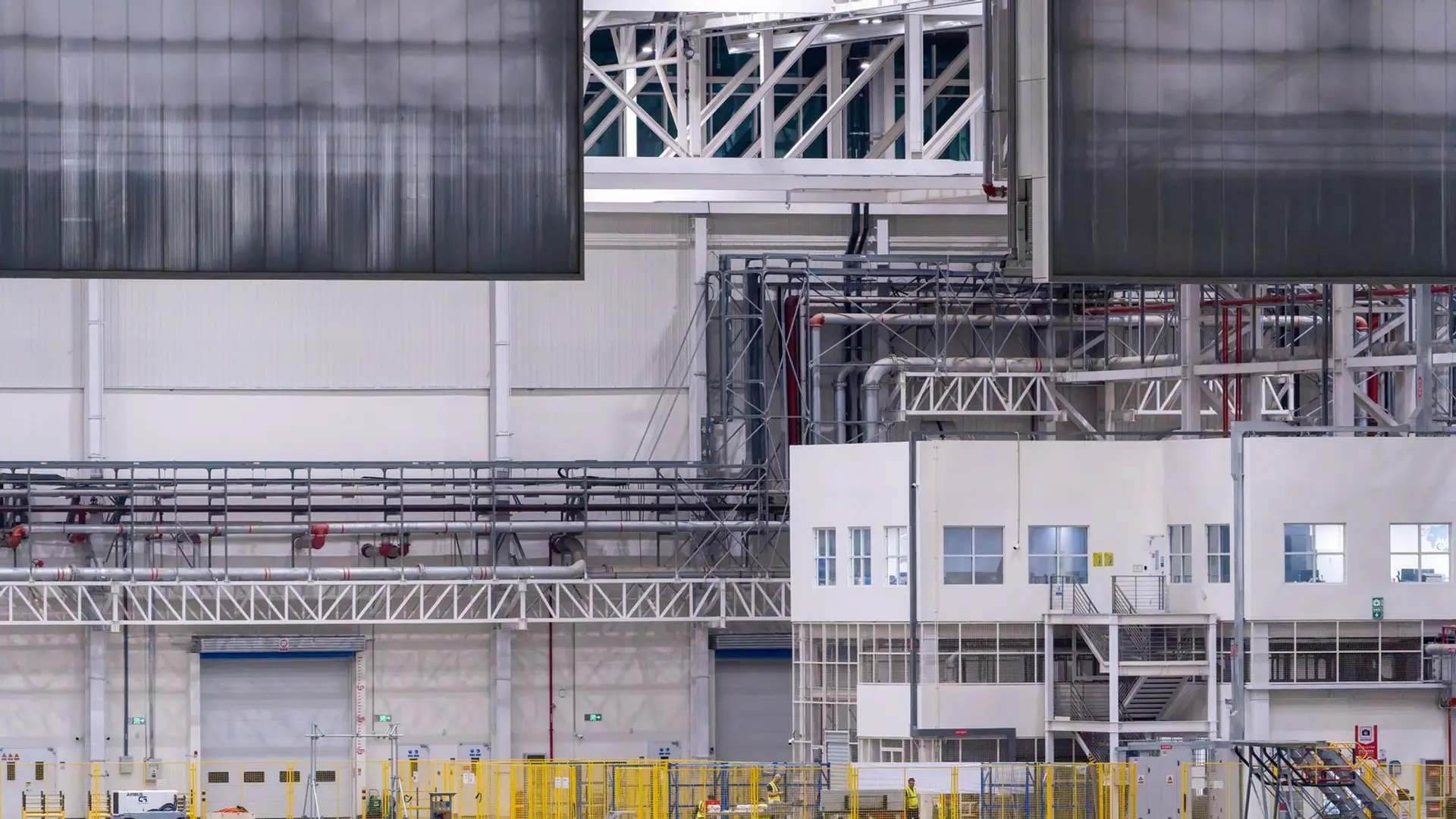
Bring your engineer, your QA lead or your own agent and walk the Shunde lines the way you would audit any supplier. What follows is what the plant is made of, and what a visit lets you check yourself.
- 1995
- founded in Shunde
- 98%
- repeat order rate
- 0.5%
- defect rate
- 6
- automatic lines
Where to go next
The rest of the factory file.
A supplier is more than the building. The mould, the certificate, the program, the warranty — each has its own record.
- Program · lines · toolingManufacturingHow an order is actually built — one approved sample held as the reference, the operations it runs through, and what ships behind the container.Open
- Your drawing → production SKUOEM / ODMSend a drawing, a reference unit or a brief and the lab engineers it into a production-ready SKU under your label.Open
- Gates · standards · samplingQuality ControlEach check, the standard it runs to, the sampling level behind it and the hold point that stops the lot — plus the records that ship with the container.Open
- AS/NZS · CSA · CECertificationsThe Australian, North American and European certification handled in-house, so the file travels with the container.Open
- Private label · OEM programsBecome a PartnerBuilding under your own brand — private label, private mould and the brands already on the line.Open
- Warranty · returns · sparesAfter-SalesOne case record from the first report to the confirmed fix: who carries what after delivery, the route a fault escalates along, and the serviceable parts line behind it.Open
Our plant
Built at the core.
Sourced around it.
What gets checked before a program starts.
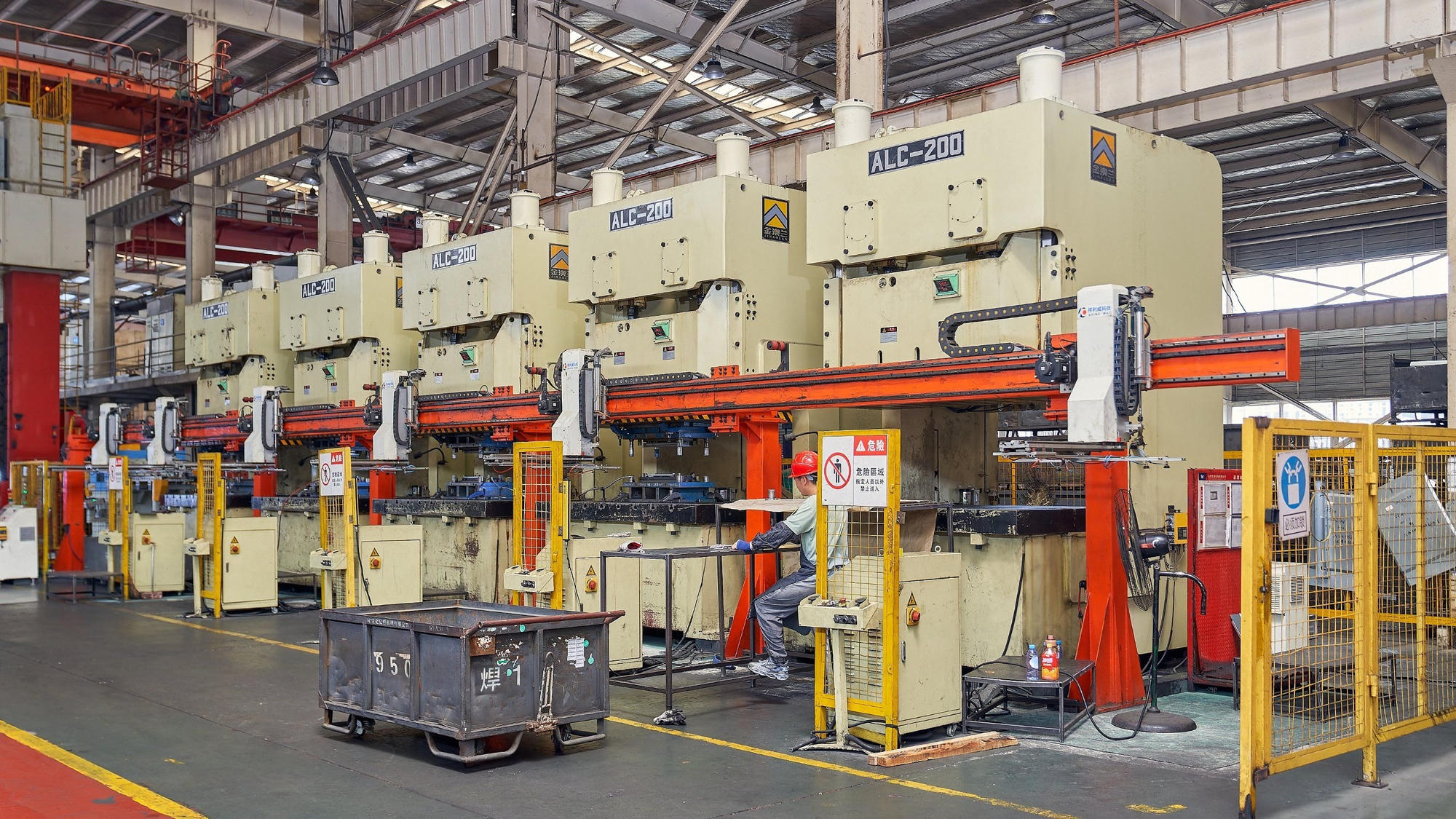
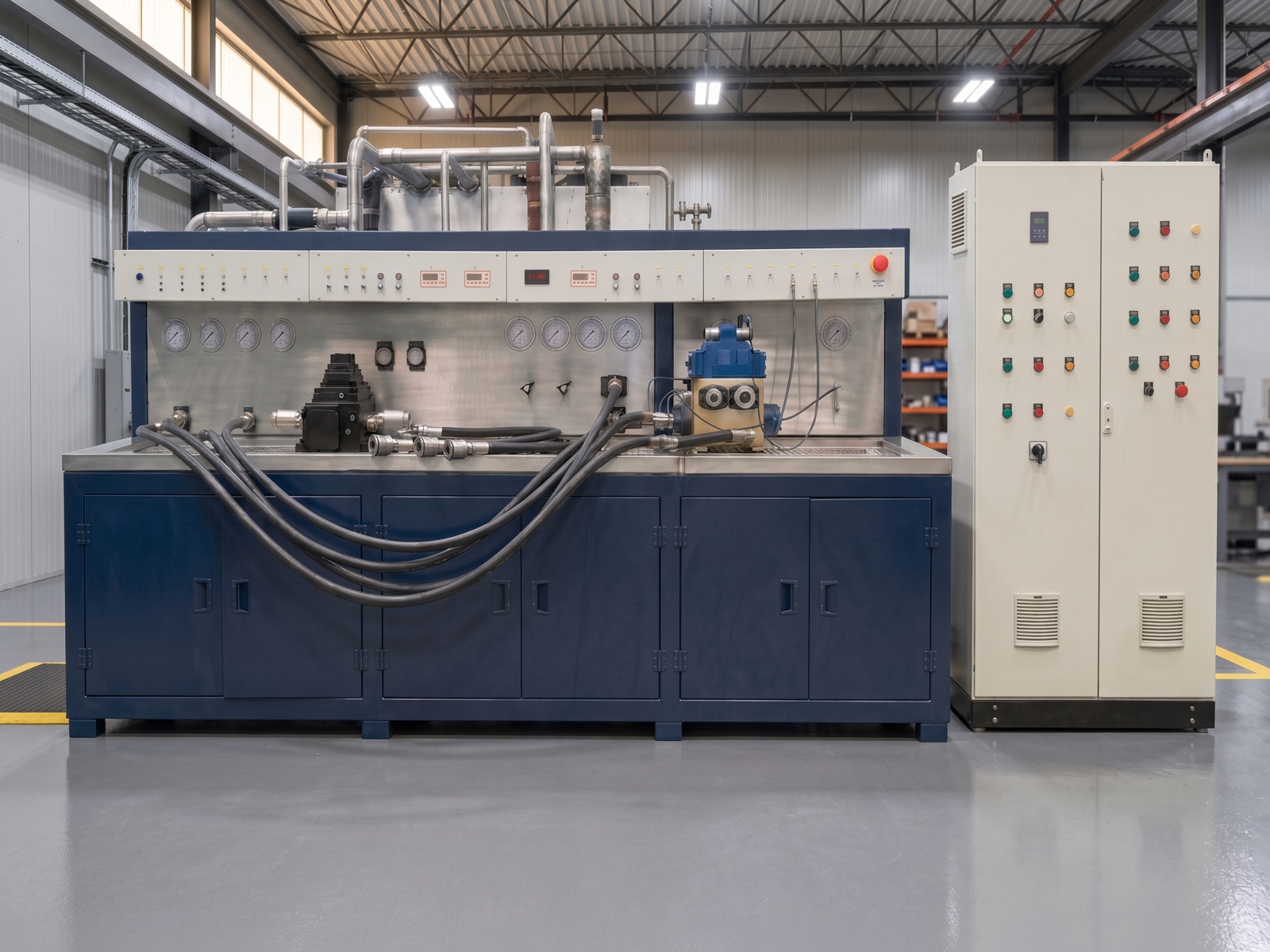
60,000 m² of production, R&D and sales
The floor area your program is scheduled against, rather than a quote assembled from other people’s capacity.
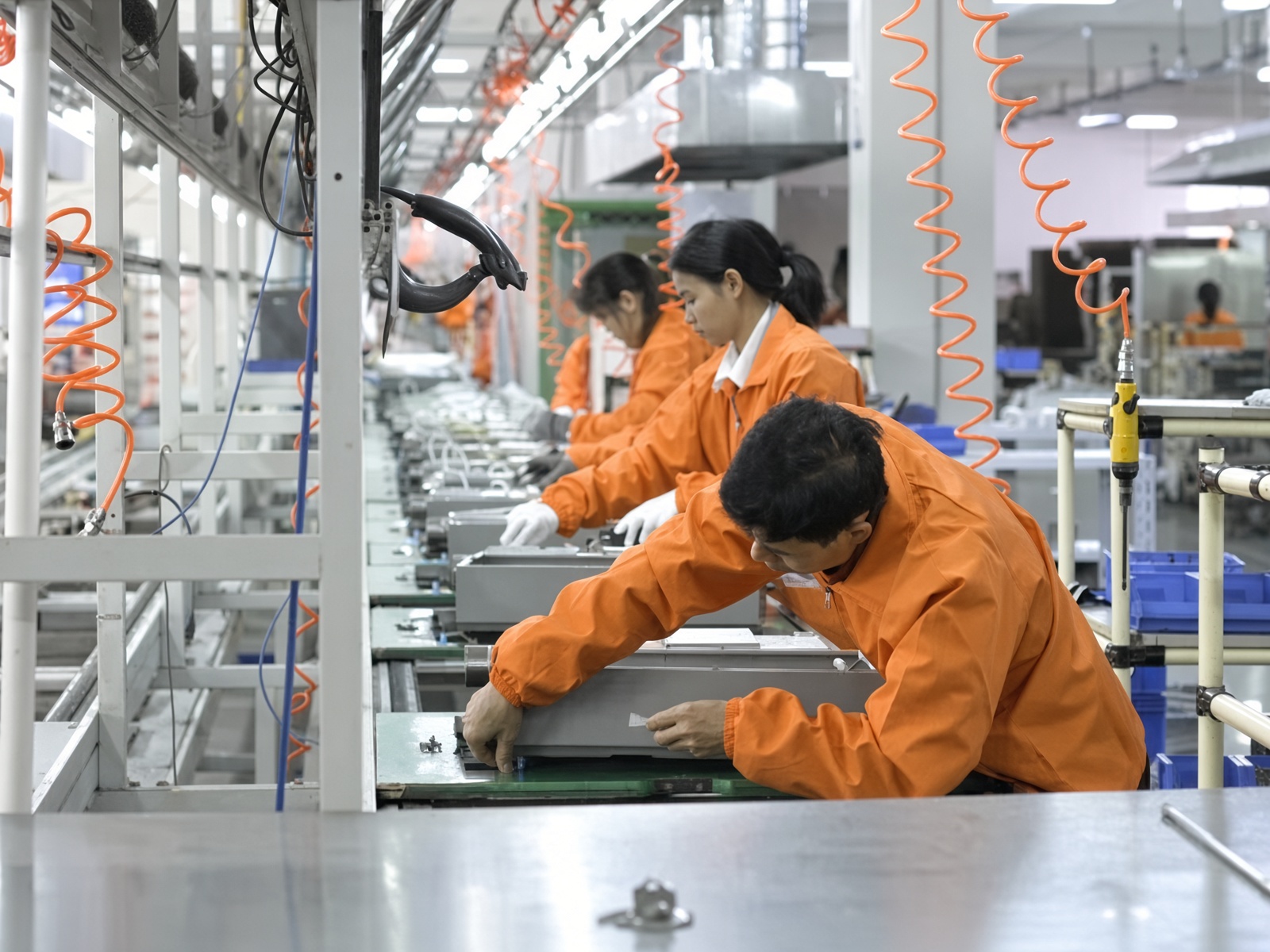
24 fully-automatic detection platforms
800 pcs per shift through in-line testing, so a batch is measured rather than assumed.
In-house gas and moisture testing
Mute room, Siemens flue-gas analyser, gas-boiler furnace performance rig, and a full spray / moisture test room.
60+ partner factories
Foundries, moulders and accessory suppliers held to the documentation and audit trail our own plant runs on.
What you can verify
What a morning on the floor settles.
A proposal reads the same from a trading desk and a manufacturer. These are the things the tour exists to let you check yourself.
Livegas test cell
Watch a unit go through the gas test
Stand at the combustion cell while a unit from the schedule is run and flame-proved. It is a check you watch happen, rather than a claim you read off a certificate afterwards.
1lot, followed
Follow one batch end to end
Pick a lot on the line and walk it with the engineer through every station it still has to clear — rather than arriving at a batch staged for the visit.
2ways to tool
Whether your housing needs a new mould
Your own mould, or ours with your branding and pack. Standing next to the machine, a tooling question gets costed in minutes instead of an email thread.
Lastbatch record
Open the records from the lot before you
Ask for the per-unit gas log and the batch record from the run that finished before you arrived, and read them against the line standing in front of you.
FCLload plan
How your container is packed
Mixed-container loading against a documented load plan, and an export pack with its own drop-test rig. Ask to watch a carton come off the line and go through the pack station.
24months
What happens after the container
The warranty term, the returns window and the spares list ship with the program. Ask the after-sales desk directly what a service centre can get without a factory email.
What a visit settles is whether the plant is what it says it is. The quality system behind it — the gates, the standards and the sampling — has its own record.See the quality control system
The visit
From first enquiry to the debrief.
Five stations, in the order they happen. What you see at each one is what the tour is for.
- 01
Before you land
We shortlist the lines your product would actually run on and confirm they are scheduled for the week you arrive. You get the itinerary before you book the flight, not after.
- 02
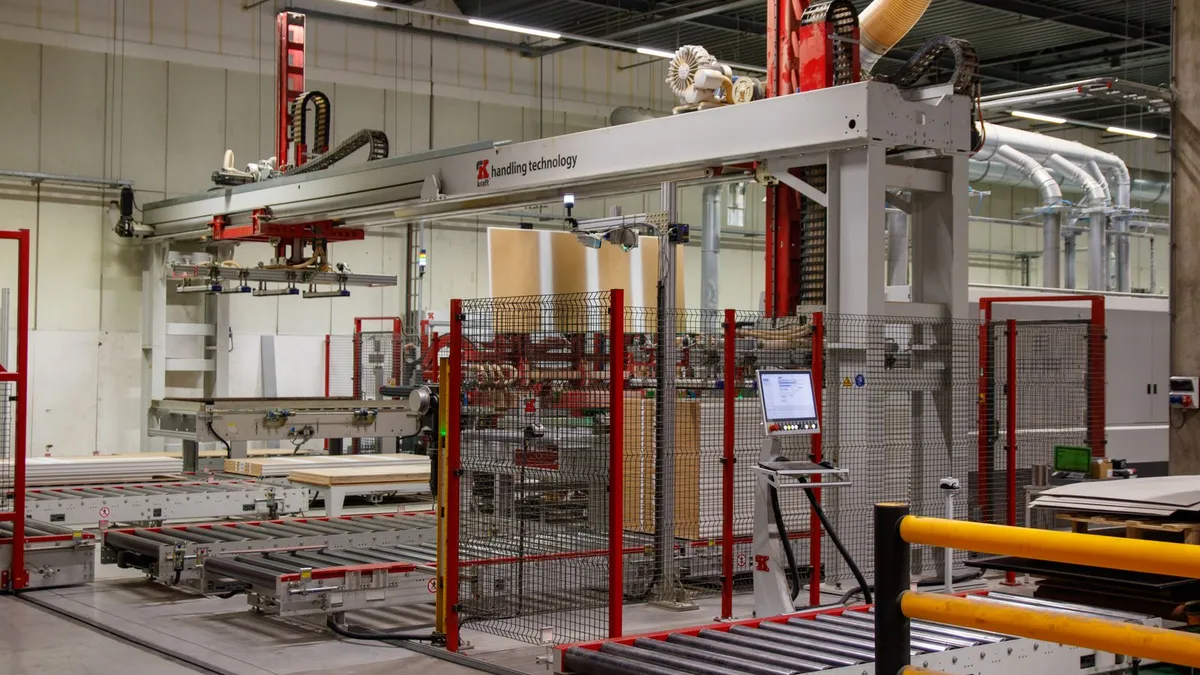
The floor, at your pace
The stations are sequenced to your procurement priorities — the parts you are hardest to source first. Each is time-boxed so you are not marched through, with buffer left for the one that deserves a longer look.
- 03
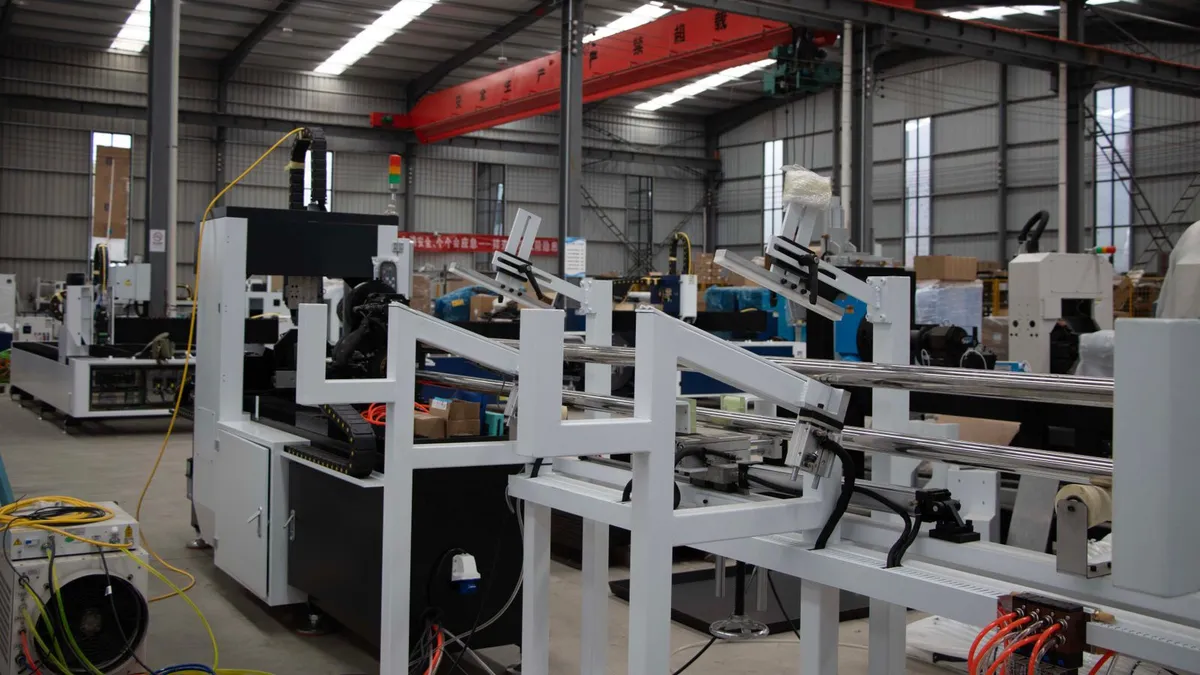
An engineer beside you
A Gulfstone manufacturing engineer walks every station with you, translating spec as it is discussed and flagging the production detail a general interpreter would drop. You hear what the line lead actually said.
- 04
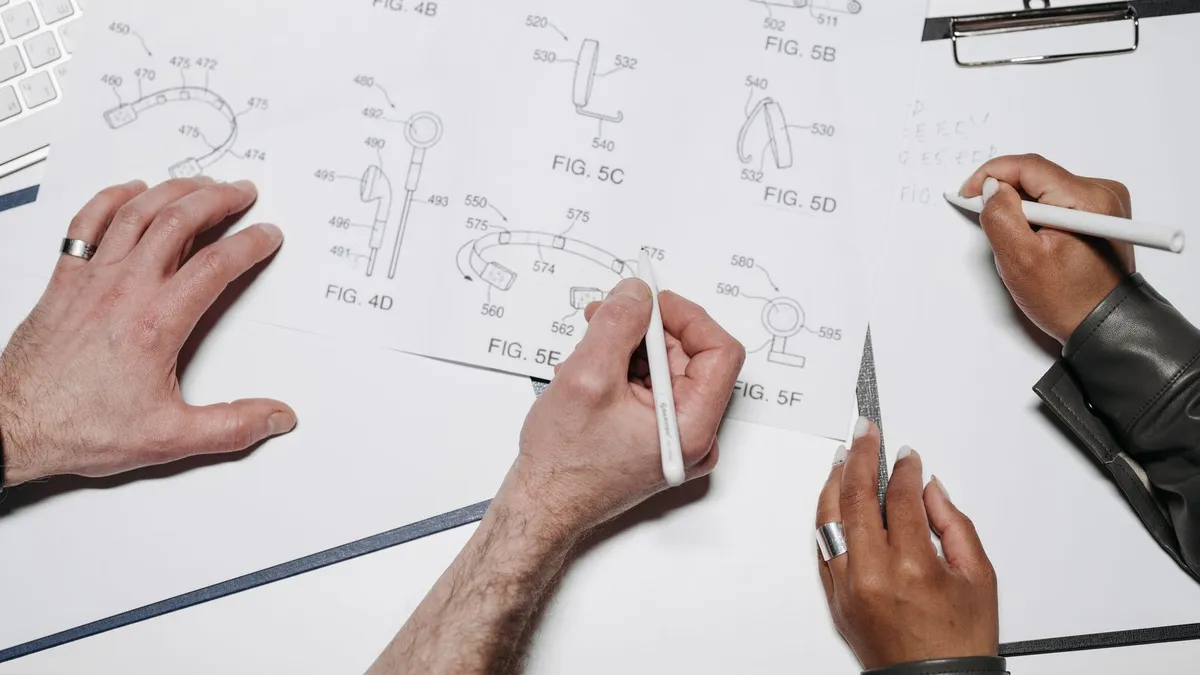
Samples on the bench
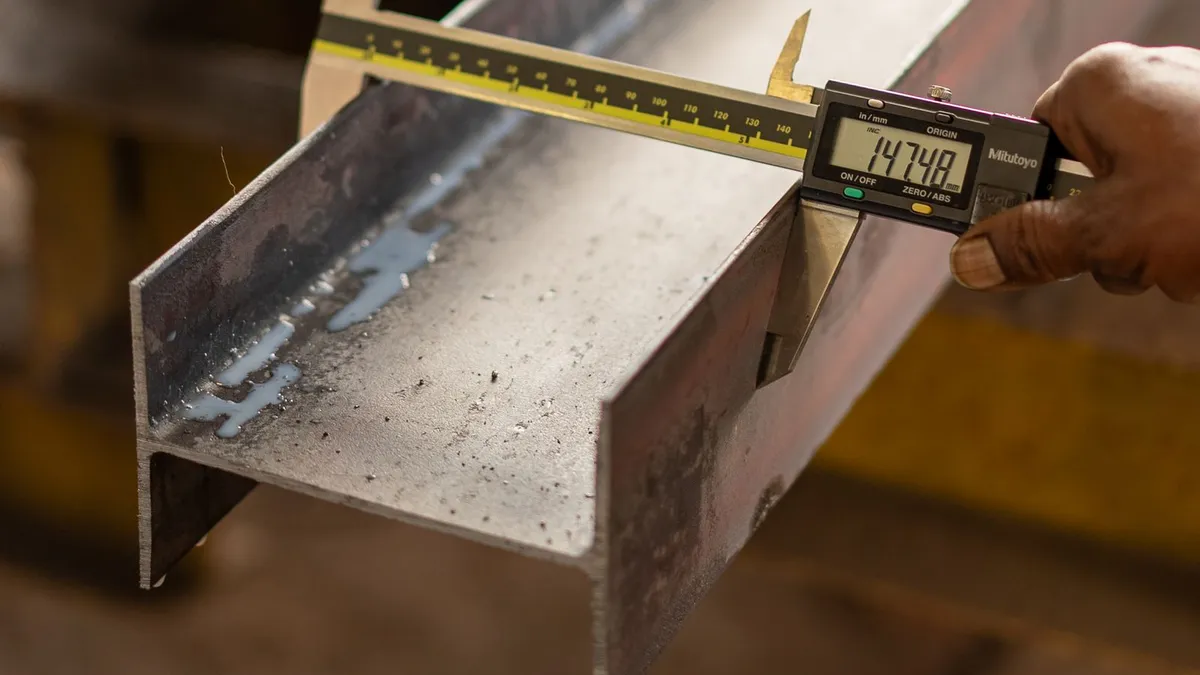
Bring a drawing, a cut-out or an incumbent unit and it goes on the bench next to the machine that would run it. Tooling changes, material substitutions and fitment questions get answered standing up, not over email.
- 05
The debrief
You leave with a written read on what the plant can hold: capability by station, the two or three tolerances that would decide your spec, and where the honest risk sits.
How to start
From the first email to the plant floor.
The tour is a scheduled engagement rather than an open day, so the line and the engineer are held for you.
- 01
Send the brief
Your product, the destination market, your annual volume and any drawing you have. One page is enough to scope it.
- 02
Talk to the people who build it
A call with engineering and production rather than a sales desk, so the stations you need to see are set by the people who would run them.
- 03
Lock the dates
We hold the line schedule and the engineer for the week you arrive, and send the itinerary before you book travel.
- 04
Walk it
Fly in. Walk the stations, put your sample on the bench, and leave with the written debrief.
The tour is built for programs in the USD 400k+ a year band — a first order that fills part of a container is usually better served by the sample route.
Start the conversation