WeChat

OEM / ODM · Shunde, Foshan

Outdoor water heater OEM / ODM — from your brief to your brand.

Gulfstone builds off-grid outdoor water heaters for importers, RV builders and outdoor brands, under their name and to their market. Arrive with a finished drawing and we build it; arrive with a market requirement and we design it with you.

One product, four states

V1Brief

Your requirement, market and volume.

V2Form

The first buildable shape, engineered.

V3Revision

Your feedback folded back in.

FrozenReference

The signed unit the line copies.

The two terms

OEM and ODM are two different jobs.

The words get used interchangeably, which is why quotes come back wrong. Here is what each one means when Gulfstone runs it.

OEM

Original equipment manufacture

You own the product and the design. Gulfstone builds it — to your drawing, your specification and your brand, on our line, under your name.

What that meansThe product is already decided; the job is to make it well, at cost, in volume.
ODM

Original design manufacture

You own the market, not the drawing. Gulfstone adapts a proven platform to your brief — the shape, the features and the brand are developed with you.

What that meansThe product is not yet decided; the job is to develop it, then make it.

The rule

Arrive with a finished drawing and you are buying an OEM program. Arrive with a market requirement and a target price and you are buying ODM — the design work is part of what you get back.

The two routes

Which one you need, in five lines each.

Both routes end at the same place — your brand on a certified, container-ready unit. What differs is who owns the design and how much development sits in front of the first order.

OEM

Private label on a proven platform

You arrive with
A finished drawing, a reference unit, or a platform you have already selected.
Best for
A brand or exporter that wants its own product without running a development program.
We supply
Build to your specification on our line — configuration, branding, packaging and documentation to your market.
You own
The brand, the artwork and the product identity.
Trade-off
The shorter route to a branded launch: the platform is already tooled and in production.
ODM

Development built to your brief

You arrive with
A market requirement, a target price, a use case — or an early sketch.
Best for
A brand building a differentiated product it will own, rather than a label on a catalogue unit.
We supply
Design and engineering: the development lab turns the brief into a buildable product, then the line makes it.
You own
The design you commissioned, and the tooling built for it.
Trade-off
The longer route, and the one that ends in a product nobody else sells.

Whichever route you take, the design work sits with Gulfstone’s own development lab — the same team that will hand the released drawing to the line.

See what the development lab does

What we develop from

You do not need a finished drawing to start.

A brief does not have to be complete. Send what you have and where the gaps are — filling those gaps is the first thing the development work does.

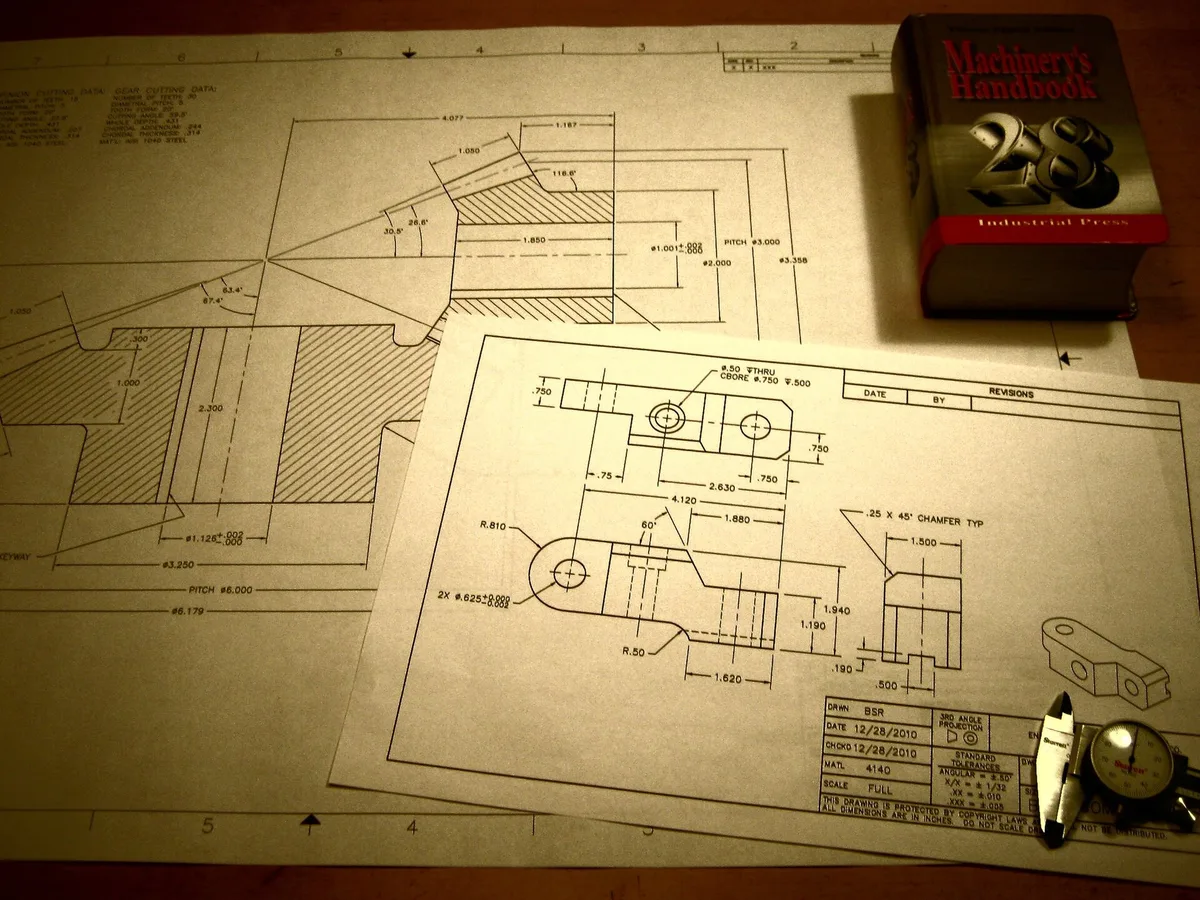
Technical drawings and a measured component laid out on a development bench

Send what you have

  • 3D CAD or 2D drawings
  • A benchmark or competitor unit
  • A specification or feature list
  • A market, a use case and a target price
  • A photograph and a rough sketch

What comes back first

  1. 01A feasibility note

    What is buildable as you have described it, what has to move, and the open questions.

  2. 02A cost direction

    Where the product lands on tooling, unit cost and freight — before the design is frozen.

  3. 03A sample plan

    How many revision rounds the shape needs, and what each round is for.

If the brief fits a platform already in production, we say so — that is a shorter route to a launch than a new tool.

The development cycle

The shape changes until it stops.

Each round runs against the same unit, so the differences are the only thing under review. It ends when the shape is right — round two or round four.

V1
Concept

The brief becomes a buildable form — proportions, feature set, the interface and the mounting.

Reviewed with you before anything is cut.
V2
First sample

A physical unit, built and tested, so the argument moves from the drawing to something in your hands.

Your revision list drives the next round.
V3
Revision

The changes go back in and the unit is rebuilt. Most programs settle inside one or two of these.

Sign-off, or one more round.

How many rounds a product takes is decided by what changes between them, not by a schedule.

IP and exclusivity

Who owns the design when the program ends.

It is settled in writing before a file changes hands, and it follows the route you took rather than a default. Nothing designed for one buyer is offered to another.

01
Ahead of the first drawing

A mutual NDA sits between us before any technical detail moves — the file does not travel on a promise.

02
Under OEM

Your drawing stays yours. Gulfstone builds to it and holds no claim on the product, the identity or the tooling built for it.

03
Under ODM

The design you commissioned and the tooling cut for it are yours — built for your program, not held back as a platform we can resell.

04
Containment

A tool or a design developed for your program is not quoted, shown or built for another buyer, for as long as the agreement says.

Program scope

How far a program can reach into the build.

A program can be one unit or a system. Everything a finished product is made of is sourced, held to the released specification and documented, so the carton that lands is the product you approved — not the unit and a box of loose parts.

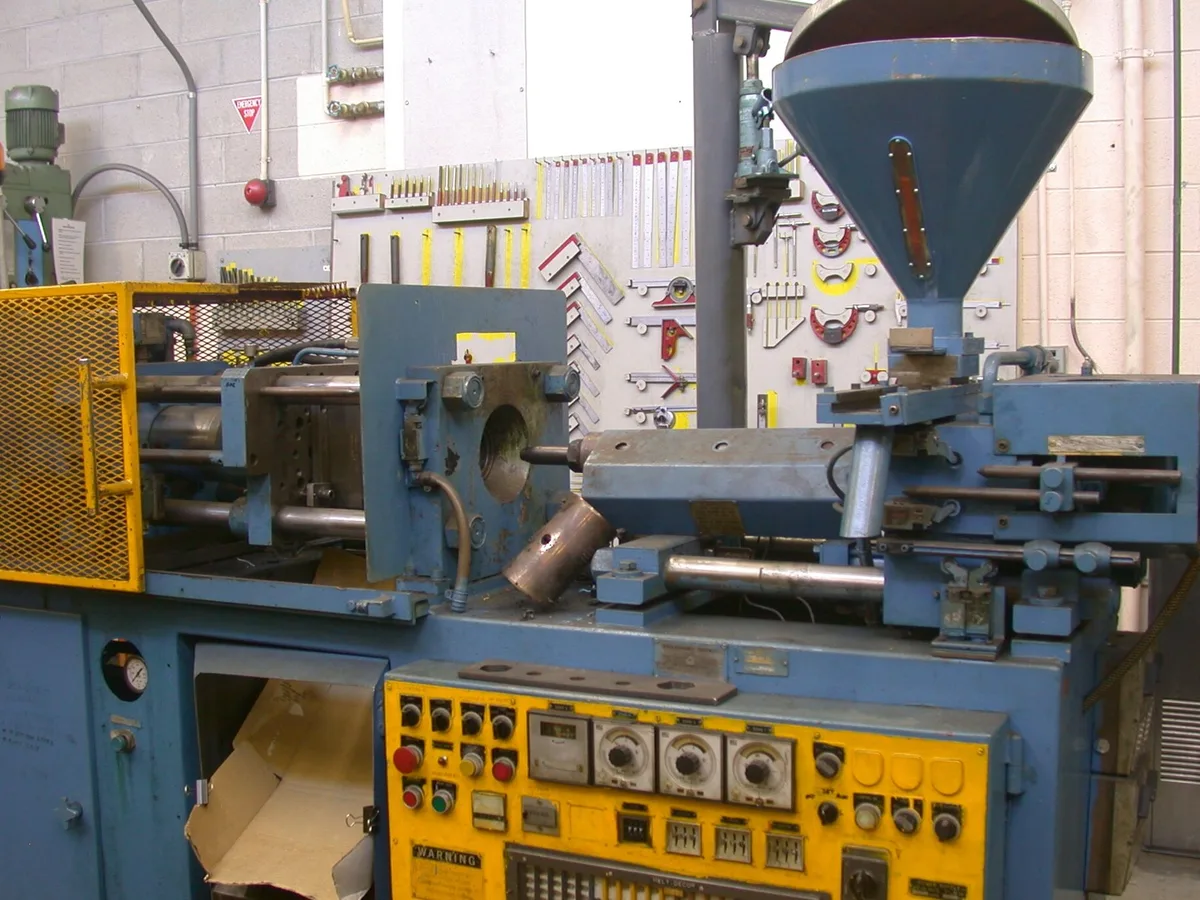
The tooling half of an injection press with the mould mounted and clamped
A part comes off a tool we hold
The unit
The heater, its gas path, safety systems and controls, built and tested as one assembly.
The enclosure
Housing, interface and mounting, to the drawing or the platform you chose.
The accessories
Inlet and outlet fittings, hoses, brackets and the parts a buyer expects in the box.
The presentation
Carton, literature, labels and the pack build, to your channel rather than a generic export box.

Sourcing a wider scope into one program is how a system ships as one load instead of five.

Commercial shape

What moves the minimum, and by how much.

The opening order on a water heater program is not a fixed number — it follows two decisions: whether new tooling is cut, and how much of the build is new. Read it as a lever, not a threshold.

Tooling

No new tooling means the first order can start small. A new mould commits real money, so it raises the opening volume and is recovered across the program rather than on the first run.

Scope

A program that takes on the enclosure and the presentation carries more of the build than one that starts from a platform and changes the branding. Scope moves the order the same way tooling does.

Staging

A commitment does not have to land at once. Tooling programs are usually staged across agreed runs, so the volume arrives with your demand rather than ahead of it.

The decision

OEM or ODM — it comes down to one question.

Who owns the design. If you do, it is OEM. If we develop it together, it is ODM. Everything else — the order size, the tooling, the lead time — follows from that answer.

OEM
ODM
You bring
A finished drawing or a chosen platformOEM
A market requirement or a briefODM
We bring
Build, branding and documentationOEM
Design, engineering and toolingODM
You own
Your product and its identityOEM
The design and the tooling built for itODM
Fastest to
A branded launchOEM
A product that is yours aloneODM

Program evidence

What developing a product with us looks like

From buyers who brought a brief, a drawing or a market — and left with one of their own.

“We arrived with a market and a price, not a drawing. They built the product around both.”

No engineering team of our own, so we described the market, the size and the cost it had to hit. Two revision rounds and the shape was right — what came back was a developed product, not a platform we had to accept as-is.

Helena MarshCategory manager at a European outdoor retailer
“The drawing we sent is the drawing they built. No quiet substitutions.”

We specified the housing, the cut-out and the gas setting ourselves. The approved sample was pulled at pre-shipment and checked against the container — three runs in, the defect rate has stayed under 0.5% and the reorder is at 98%.

Pedro SalgadoProduct lead at a North American import brand

Before you choose

The questions an OEM / ODM decision raises

Which route fits, what you own, and how a program starts when there is nothing drawn yet.

01What is the difference between OEM and ODM, in practice?
Under OEM you own the design and we build to it — your drawing, your specification, your brand. Under ODM you own the market and we develop the product with you, starting from a brief rather than a finished drawing. The practical difference is who does the design work before the first order, and who owns the result.
02Can you develop a product from an idea alone, with nothing drawn?
Yes. A market, a use case and a target price are enough to start. The first thing the development work produces is a feasibility note — what can be built from that description, what has to change, and which questions still need an answer before the shape is fixed.
03Who owns the design and the tooling after the program?
It follows the route you took and it is agreed in writing before any file moves. On an OEM program your drawing and identity stay yours. On an ODM program the design you commissioned and the tooling cut for it are yours. A mutual NDA sits ahead of the first technical detail in either case.
04Can you take a product you already build and put our brand on it?
That is the private-label route, and it is the fast one — no new tooling, so the opening order can start small. Your identity carries the case, the literature and the carton, with the configuration set to your market. Tell us the model and the destination and we scope what changes.
05How much of the product can a program cover?
As much as you want it to. It can be the unit alone, or the enclosure, the accessories and the presentation as well — sourced, held to the released specification and documented, so the carton that lands is the product you approved rather than a unit and a box of parts.
06Do you protect the design from being sold to someone else?
A tool or a design developed for your program is not quoted, shown or built for another buyer for as long as the agreement says. That includes an ODM design we developed for you — it does not become a platform we resell to your competitors.

Start a program

The brief goes to the engineer who builds it.

Market, annual volume and the certification it must carry — three lines, and we have what we need. Your reply comes from the engineer who would run the line, scoped to your program rather than matched off a shelf.