WeChat

Solution · RV programs

RV tankless water heaters,
drawn around your vehicle.

A vehicle program is designed, tooled and priced long before anyone specifies a water heater for it. This page is for the engineers and buyers who have to make that call — and for the drawing they send us.

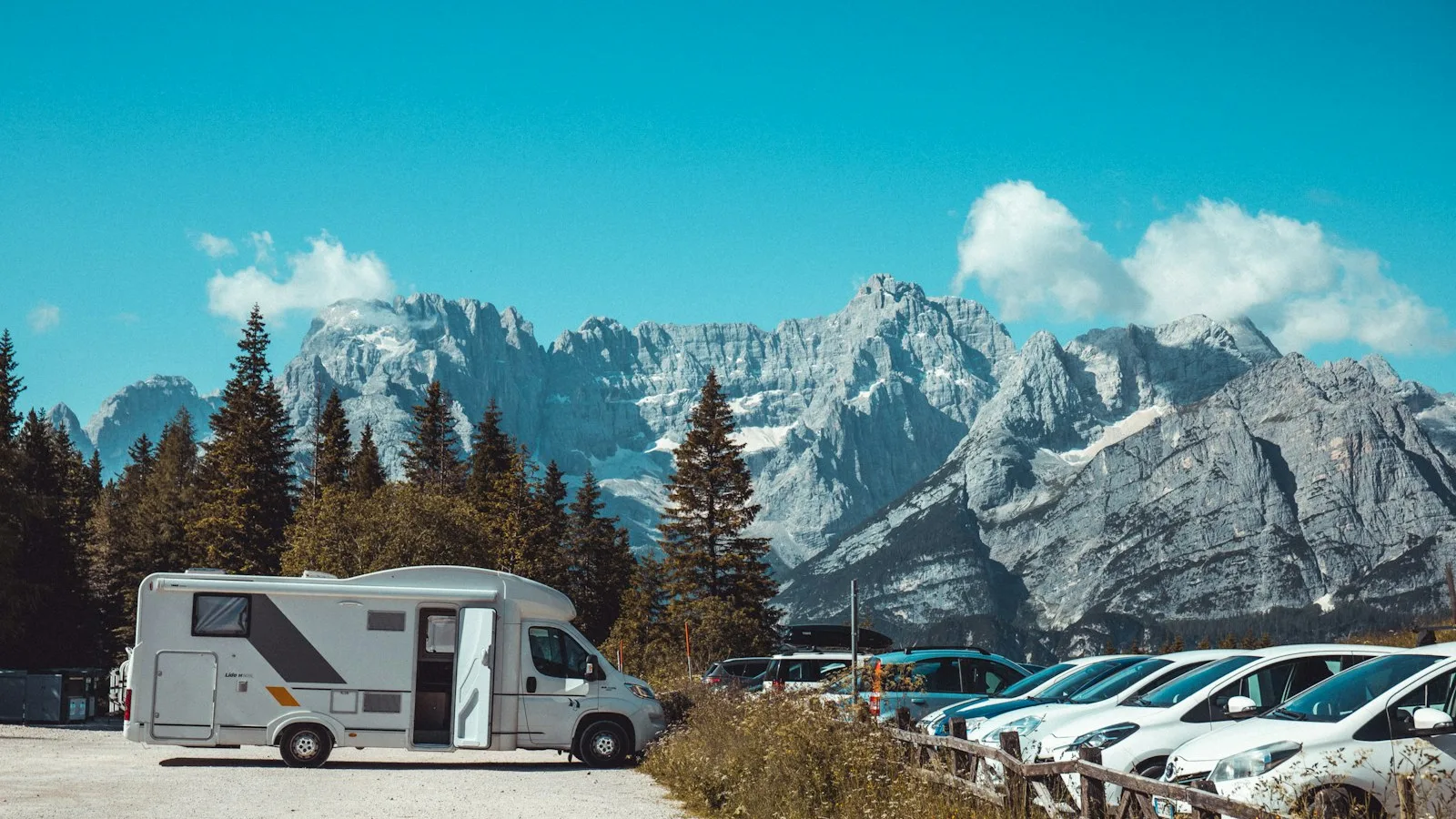
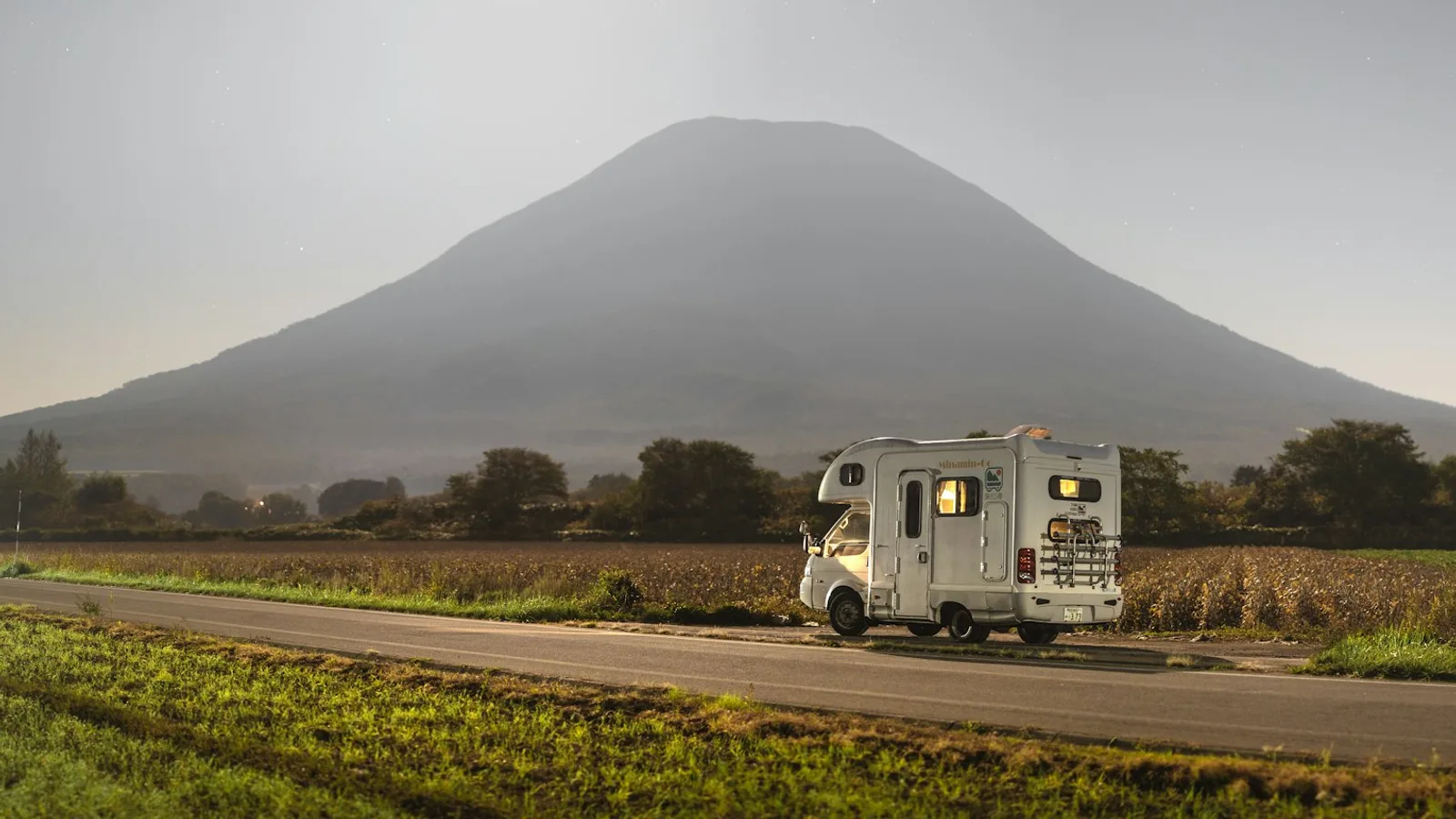
A camper parked on a road below a mountain, the vehicle a tankless water heater is built into
Fitment
Matched to the recess already in the vehicle
Brand
Your name on the unit, the door and the carton
Market
Built to the destination the vehicle sells into
Continuity
The same build, run after run

Who this is for

The vehicle decides
which question comes first.

Where the unit lands in the build decides who is asking. A line, a retrofit and a parts counter arrive with three different drawings, and the first question is never the same one.

01

Travel-trailer and camper lines

The unit is designed into the vehicle, so the recess is set before the first order and every unit that follows has to match it.

Opens withWhere does the unit sit in the wall, and what does the door have to clear?

What changedThe recess is right the first time.
02

Motorhome retrofit and replacement

The unit has to answer a recess that already exists — one the incumbent fit, and one the vehicle was built around.

Opens withWhat is in the bay now, and what does the new unit have to match?

What changedNo bay rebuilt to take the unit.

03

Aftermarket and service stock

The unit is held as stock and fitted by someone who did not build the vehicle, so the fitment and the parts have to stand on their own.

Opens withWhat does the fitter need in the box, and what is stocked behind it?

What changedA fitter has what the fit needs, without calling us.

Nothing drops through

You carry the vehicle.
We carry everything that goes into it.

A vehicle program has two halves. One is the vehicle and the market it sells into. The other is the unit and everything behind it. This is where the line sits, row by row.

The vehicle programThis program

The vehicle, the recess and the market it is sold into

This programThe unit, the door assembly and the trim, built to that recess

The chassis and how the unit integrates with it

This programThe connections the unit presents to the chassis side

The brand the vehicle sells under

This programThat brand on the unit, the door and the carton

The destination and where the vehicle is sold

This programThe build the destination calls for, locked before the run

The rate and the run sequence you produce to

This programThe build repeating to the approved reference, run after run

The vehicles in service and the yards that service them

This programThe parts line behind the unit, so a repair is a repair

Where the build goes

Wherever it enters,
the same platform answers.

The same unit answers a line, a retrofit and a parts counter — because what changes between them is the brief, not the build.

  1. On the line

    Production-line fitment

    Designed into the vehicle before the first order, then repeated against the approved reference for every unit that follows.

  2. In the yard

    Retrofit and replacement

    Answering a recess that is already there — the one the vehicle was built around, not one rebuilt to suit us.

  3. Behind the counter

    Aftermarket and service stock

    Held as stock for a trade that fits it without us, with the parts a repair actually needs behind it.

Inside

The unit goes into a room
someone else laid out.

A vehicle interior is designed around the bed, the galley and the dinette long before a water heater is specified. The recess has to find its place in what is already there.

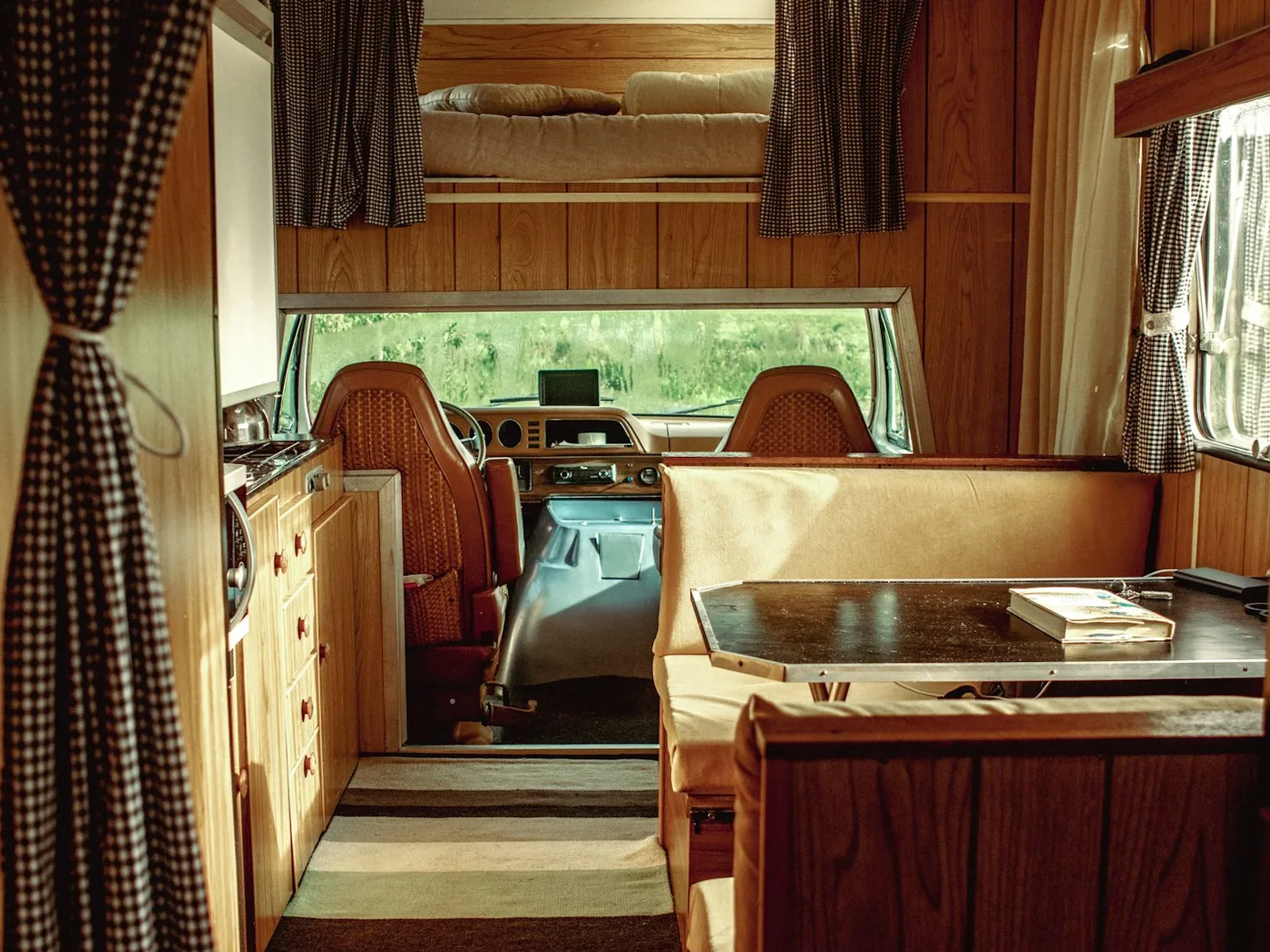
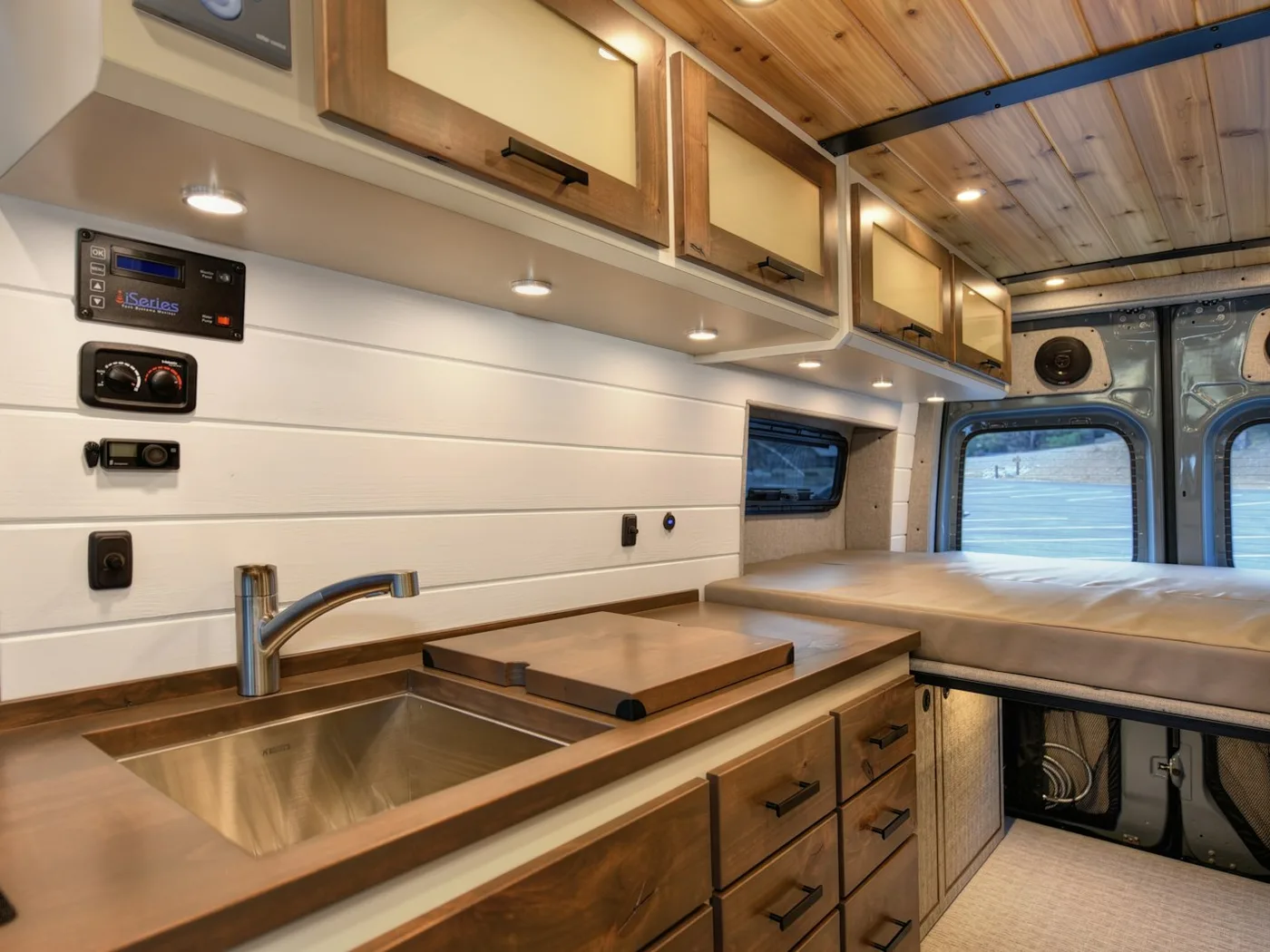
A camper galley with a sink, hob and overhead lockers running along one wall
Galley

Under the counter run

The services a kitchen already brings to one wall — which is where the unit usually wants to sit.

A camper dinette with bench seating and a window, the wall the unit is fitted behind
Dinette

Behind the seating

The space under a bench or behind a squab, where a recess is easiest to hide.

The sleeping and seating end of a camper interior with lockers below the berth
Bed

Below the sleeping area

The locker run under a fixed bed, which is often the only full-height wall left.

The opening

The fit is decided
at the opening.

A door has to sit flush in a wall it was not cut for, swing past what is already there, and still be serviceable. That is the whole job of the assembly.

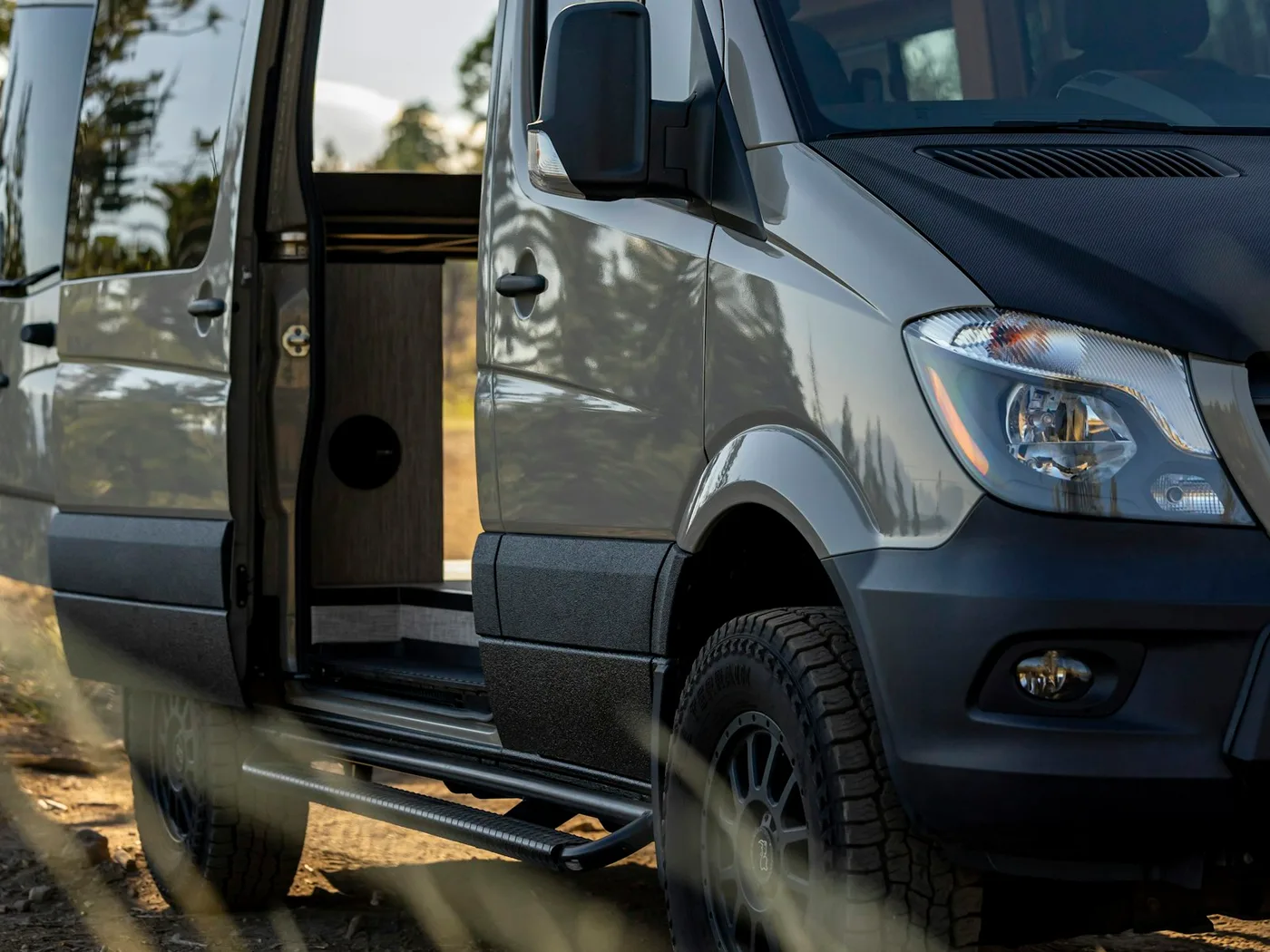
The open rear door of a camper van showing the hinged panel and its latch
  • Door, hinge and latch

    Approved as one assembly, so the swing clears what is mounted beside it.

  • Trim ring

    Closes the gap between the unit and a wall it did not cut.

  • The service face

    What a fitter reaches without dismantling the vehicle around it.

Scope

The unit, and the vehicle
it is built into.

A fitment program is two halves bolted together. This is the line between them, stated before a drawing is sent rather than after.

What we build

  • The unit, its door assembly and the trim ring
  • The recess it is built to match
  • The connections the unit presents to the vehicle side
  • The build the destination market calls for
  • The parts line behind the unit

What we do not

  • The chassis and the vehicle’s own systems
  • The gas run upstream of the unit
  • The vehicle’s electrical distribution
  • Approval of the vehicle itself in its market
  • Fitting on a line we do not run

Send the recess and we will tell you plainly which half each item falls on — including the ones that are yours.

Getting started

It opens on a drawing,
not a catalogue number.

Four moves, and the first one starts from something you already have.

  1. Send the recess

    The opening you cut, or the one already in the vehicle. A sketch and the direction the door opens are enough to start.

  2. We answer against it

    The unit, the door assembly and the trim are checked against your recess, rather than the bay rebuilt around ours.

    How a build is developed
  3. Approve on a physical unit

    Sign-off happens on a sample you can hold, so what is approved is what the run copies.

  4. The run repeats it

    The approved reference is what every unit after it is held to — which is the whole point of approving one.

    See the unit it is built on

Where it goes

Built for the places
the vehicle actually reaches.

A camper is sold on where it can go. Whatever is fitted into it has to work at all three of these without a service call.

A camper parked at the base of a rocky mountain, mirrored in still water

A pitch with no supply

Where the water comes from a container, not a plumbing run.

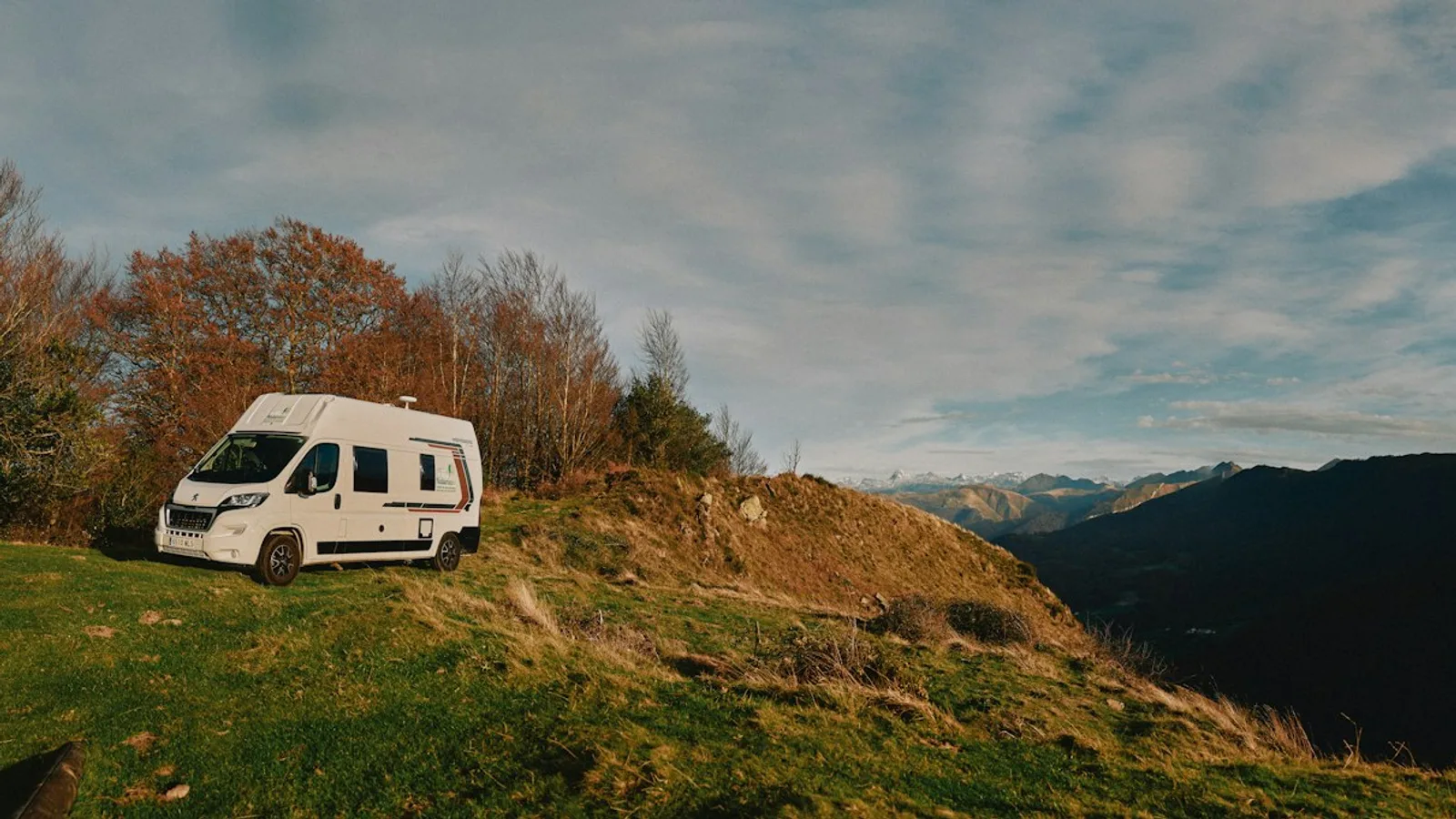
A camper parked on a grassy hillside with a valley and mountains beyond

A roadside stop

Used once, in passing, and expected to light first time.

A camper parked below a mountain range, the kind of unserviced site the unit is built for

A site with no power

Where the only supply is what the vehicle brought with it.

Customer reviews

What RV buyers say

Quotes from the engineers and aftermarket distributors this line sells to — and what the spec sheet leaves out.

“The cut-out matched the incumbent. There was no line change.”

Our trailer program was locked to a recess and a scheme the vehicle already carried, and the last supplier drifted between lots.

Engineering sent back DFM notes we had not asked for. No dimensional reject since.

Ryan DoyleEngineering lead at a North American camper builder
“A failed unit is a repair now, not a return.”

Our real cost is never the unit — it is the bay sitting empty while a part comes from overseas.

A priced spares list, with the door assembly held as a stocked line, means a repair is quoted and done without waiting on a container.

Anja KøhlerCategory manager at an RV aftermarket distributor

Questions buyers ask

The questions before a first order

Branding, fitment, spares and minimum order — the things a vehicle program decides before a first order.

01Can I buy an RV tankless water heater under my own brand?
Yes. The platform is built under your brand — the unit, the door assembly and the carton all carry it. Send a drawing, a destination market and an annual volume and the lab scopes the build from there.
02Will it replace the water heater already in my vehicle?
That is the common case, and it is a drawing question rather than a catalogue one. As a custom RV water heater manufacturer we match the unit, the door assembly and the trim ring to the recess you already have, so it drops into the bay rather than being rebuilt around.
03Can you supply RV water heater replacement parts?
Yes. As an RV water heater replacement parts supplier the serviceable line ships on a priced list attached to your program, so a service centre can quote a repair without a factory email.
04Do you build for travel trailers as well as motorhomes?
Yes — as a travel trailer water heater manufacturer we build for that case, and the constraint that decides the fitment is the bay and the swing clearance rather than the vehicle class. Send your recess and we confirm against it.
05Is there an electric or dual fuel option?
The platform as built is propane on a control side fed from the vehicle, which is what a travel trailer or camper already carries. We will engineer a mains or dual-fuel variant to your market spec, with its own certification. Tell us the vehicle and the electrical system and we scope it.
06What is your MOQ for an RV water heater program?
A platform SKU — our unit, your branding and pack — starts at a low per-SKU MOQ, so a first order does not have to fill a container. A private mould steps up with the program.

Start a program

The brief goes to the engineer who builds it.

Market, annual volume and the certification it must carry — three lines, and we have what we need. Your reply comes from the engineer who would run the line, scoped to your program rather than matched off a shelf.