WeChat

Manufacturing · Shunde, Foshan

Water heater manufacturing, from your approved sample to your sealed container.

Gulfstone builds off-grid outdoor water heaters for importers, RV builders and outdoor brands. What the line builds to is a spec you have already held in your hands — quoted, tooled, tested and documented as one run, not four handoffs between vendors.

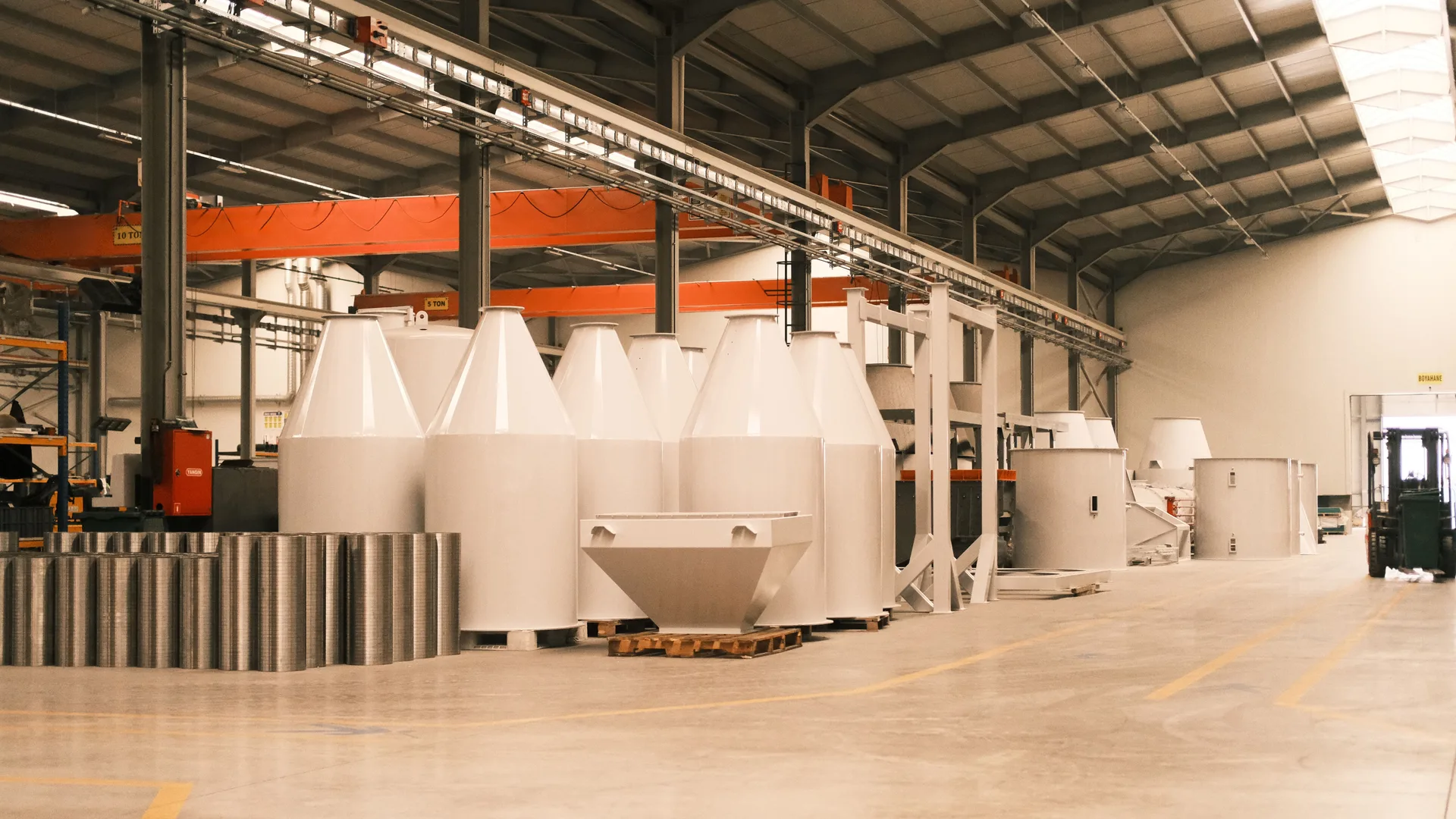
A bright production hall with large moulded components staged on pallets and overhead lifting rails
Program parameters
Build
To your drawing
Sample
10–18 days
Payment
30 / 70
Configuration
Your spec
Warranty
24 months
Markets
NA · EU · AU

Change control

One approved sample, held as the reference for the whole run.

A specification is not a document you send once. It is a value that has to survive tooling, the first article, the run and the container. This is where each one is held, and what has to happen before it is allowed to move.

What is fixedDesignToolingApproval sampleFreezeProduction run
Gas settingGas family and pressureOrifice and burner datumCombustion bench reportPer-unit gas result
Cut-out and interfaceRecess drawing and tolerance stackFixture and jig drawingFit-check recordJig verification sheet
Outlet temperatureSetpoint and ramp specController configurationThermal test reportIncoming controller check
Finish and colour targetReference plate and gloss levelColour and powder releaseApproved colour panelBatch colour panel
Pack configurationCarton and bracing specCarton artwork proofDrop-test reportLabel and packing record

The program

Custom water heater manufacturing, operation by operation.

Four operations from a brief to a certified lot. Each one hands you a document you can hold, and each one has a hold point where your approval is required before the work advances.

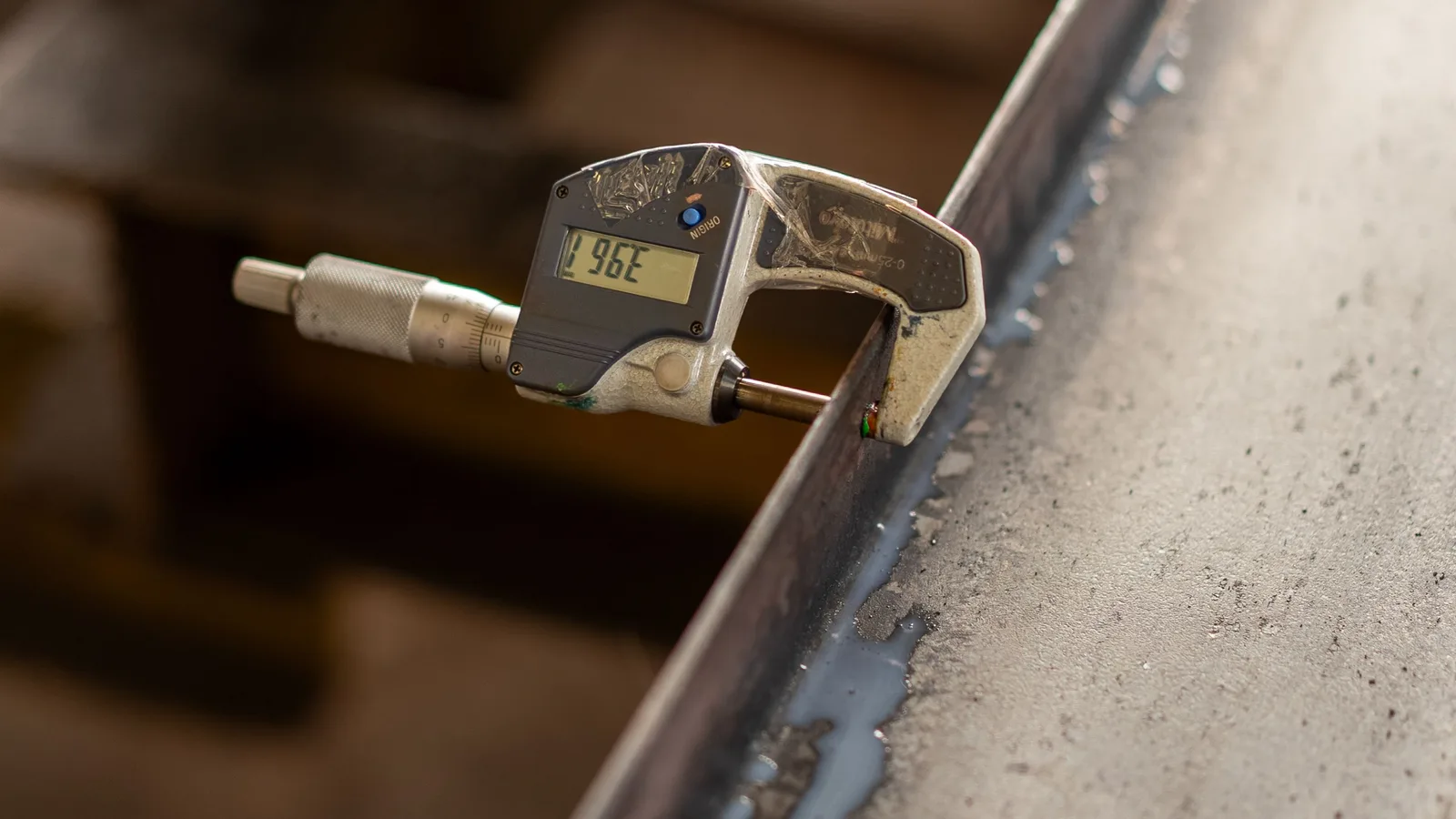
A digital micrometer measuring a machined steel edge
  1. OP 10

    Technical scoping and feasibility

    Comes in
    Your drawing, reference unit or written brief.
    Runs on
    Fit, gas path, thermal behaviour and freight constraints reviewed against what the line can build.
    Hold point
    The feasibility note — what is buildable as drawn, and what has to move.
    Goes out
    A fit note and a ruling inside 48 hours.
  2. OP 20

    DFM, tooling and costing

    Comes in
    The agreed feasibility note and your target cost.
    Runs on
    Tolerance stack, bill of material, jigs and moulds, and the cost model across tooling, assembly, packing and freight.
    Hold point
    The tooling and cost direction — no metal is cut before you sign it.
    Goes out
    A costed direction and a tooling drawing set.
  3. OP 30

    Prototyping and certification

    Comes in
    The signed tooling direction.
    Runs on
    A functional sample built on the production line, then configuration and performance tests.
    Hold point
    The approval sample — the panel you sign, which becomes the reference for the run.
    Goes out
    A cert-ready sample and the test plan for your market.
  4. OP 40

    Production and continuous improvement

    Comes in
    The approved sample and a released order.
    Runs on
    The scheduled run, with batch records retained per lot and the inspection schedule the gate band sets out below.
    Hold point
    Pre-shipment inspection and the load plan, both signed before the container seals.
    Goes out
    A sealed container and the document pack behind it.

The line

The engineers who own the water heater production line.

Four desks sit on your program. Each one owns a decision and signs for it, so the answer you get is the answer the line will build to — not a sales reply relayed from a workshop.

RoleWhat they ownWhat they sign
Development engineerThe fit of your drawing to the line — cut-out, gas path, tolerances and the feasibility ruling.The feasibility note and the fit record.
DFM and tooling engineerThe tolerance stack, the bill of material, jigs and moulds, and the costed direction.The tooling drawing set and the first-article report.
Line leadThe scheduled run — configuration, workmanship and the pace the packing schedule is built around.The batch record and the pre-shipment release.
Quality leadThe four gates, the per-unit records and the reference samples that trace a container back to a shift.The test reports and the certificate declaration.

Owned and audited

What we make, and what the network makes.

Heaters are engineered, assembled and tested on Gulfstone lines; other components come from a partner network held to the same document discipline — so a program covers a whole outdoor system, not just the heater.

In-house · Shunde

Our own lines
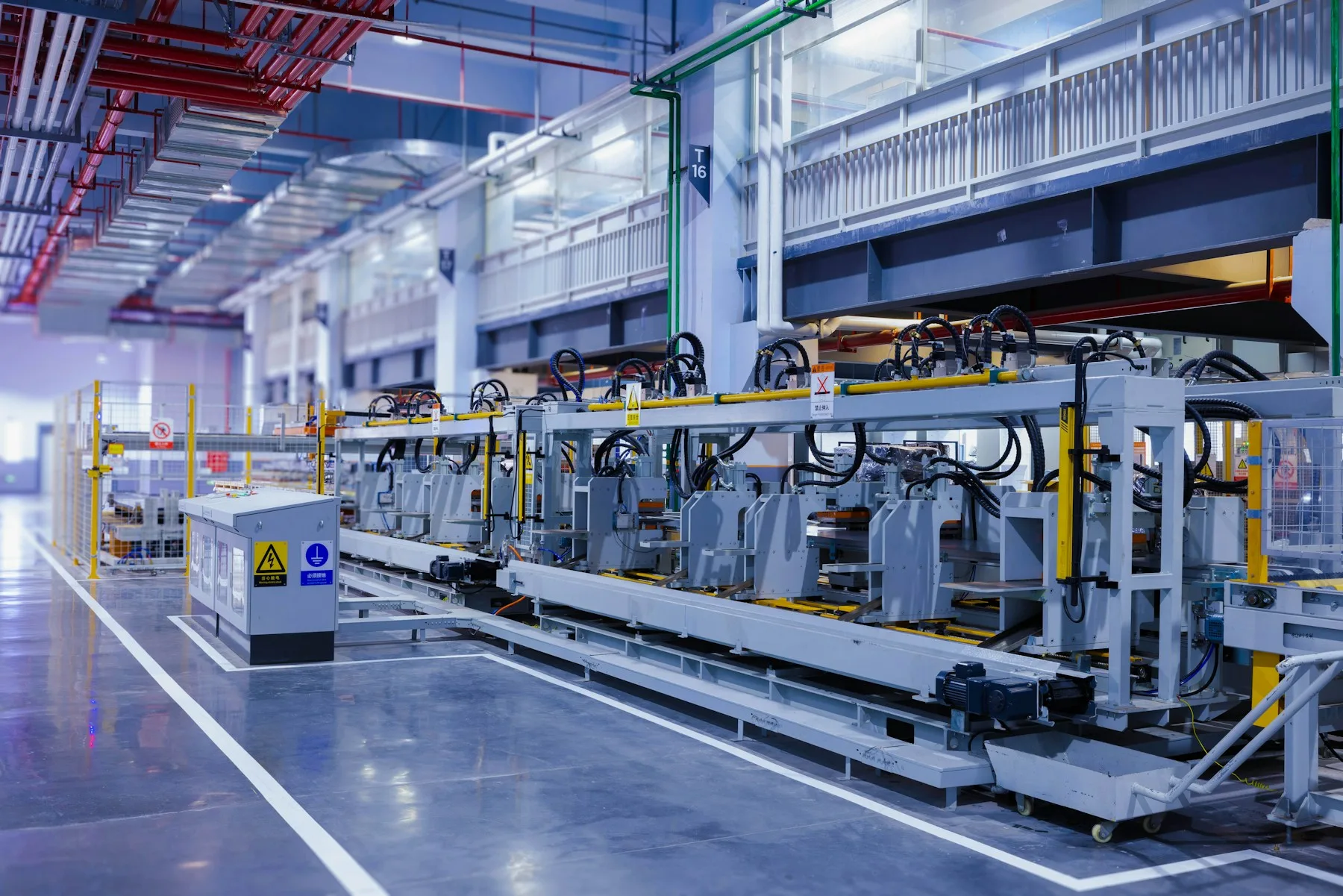
An automated production line running along a Gulfstone factory floor
  • Heater assemblyGas path, case and controls assembled on the line your order runs on.
  • Gas and combustion testingCombustion and gas safety proved per unit, not batch-sampled.
  • Final configuration and packingMarket configuration set, packed to the load plan.
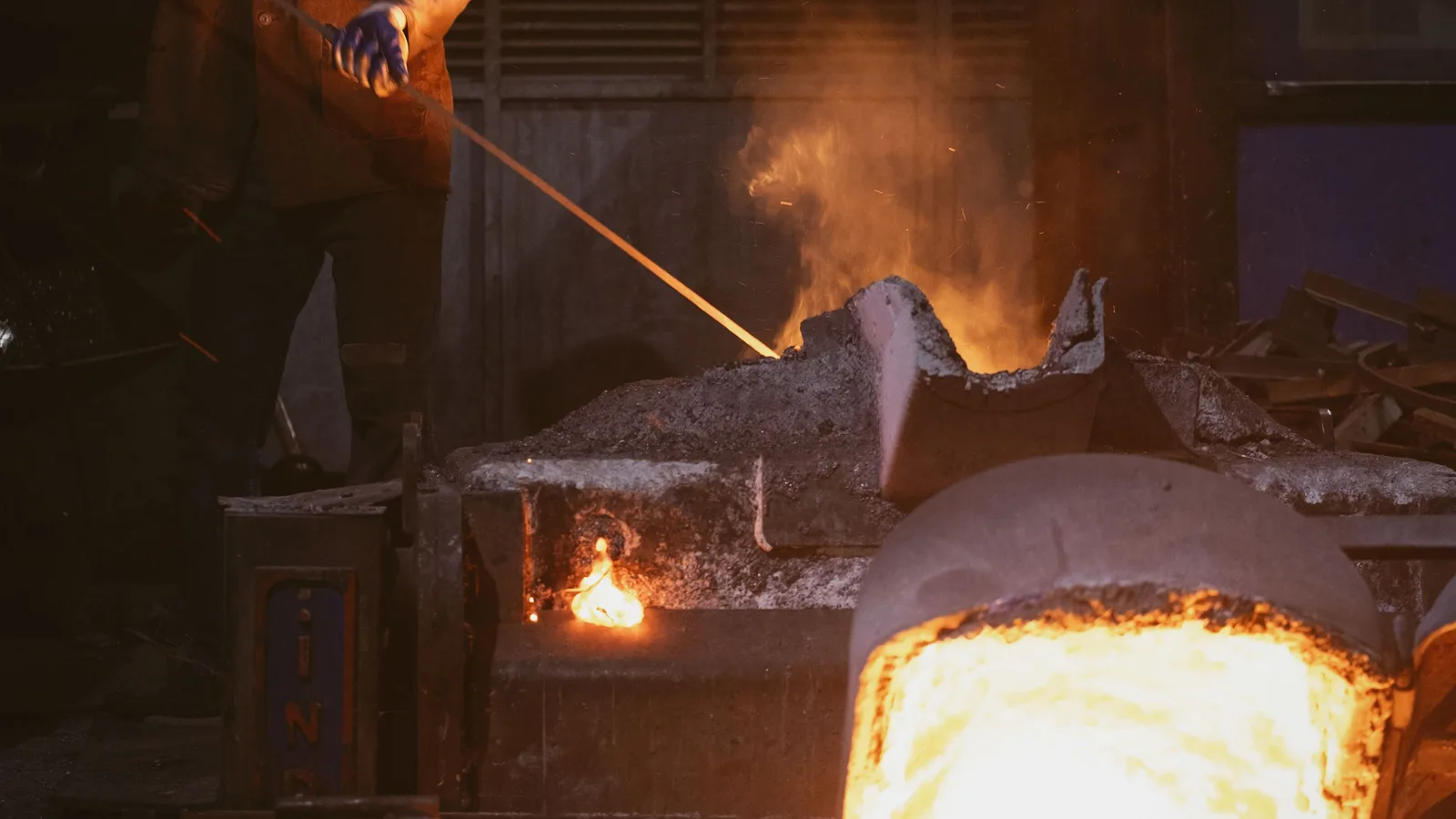
Audited network · 60+ partner factories

Partner operations

Molten metal being poured at a foundry, the castings stage of the partner network
  • Castings and mouldingsFoundries and moulders held to our documentation and audit trail.
  • Housings and fabricated partsSourced to the released drawing, with incoming material evidence per lot.
  • Controllers and accessoriesApproved components, configuration-locked before the run.

Evidence

Certification, gates and the records that ship with the unit.

Certification attaches to the tested configuration, not to the model name — which is why the certificate sample and the production sample are the same build. Everything the compliance file needs is produced during the run, not reconstructed afterwards.

Certified by market

Named to a standard, not a slogan

A certificate belongs to the configuration that was tested and approved, not to a model family. The document that clears a market therefore describes your build, and it is issued before the run is released.

  • Destination market
  • Tested configuration
  • Declaration per order

Quality gates

Four gates, held per batch

Each gate is a hold point, not a tally. A lot does not advance until the check is signed and the record filed, so what shipped can always be shown to have passed — not asserted after the fact.

  • Held until signed
  • Recorded per lot
  • Traced to the shift

Batch records

A container that traces to a shift

Per-lot records are retained, so a unit in the field can be traced back to the batch, the shift and the tests it passed. Your own inspector — or a third party — can attend any gate.

  • Held per lot
  • Traced to the shift
  • Released to the buyer

Packing and loading

How your water heaters are packed, cubed and loaded.

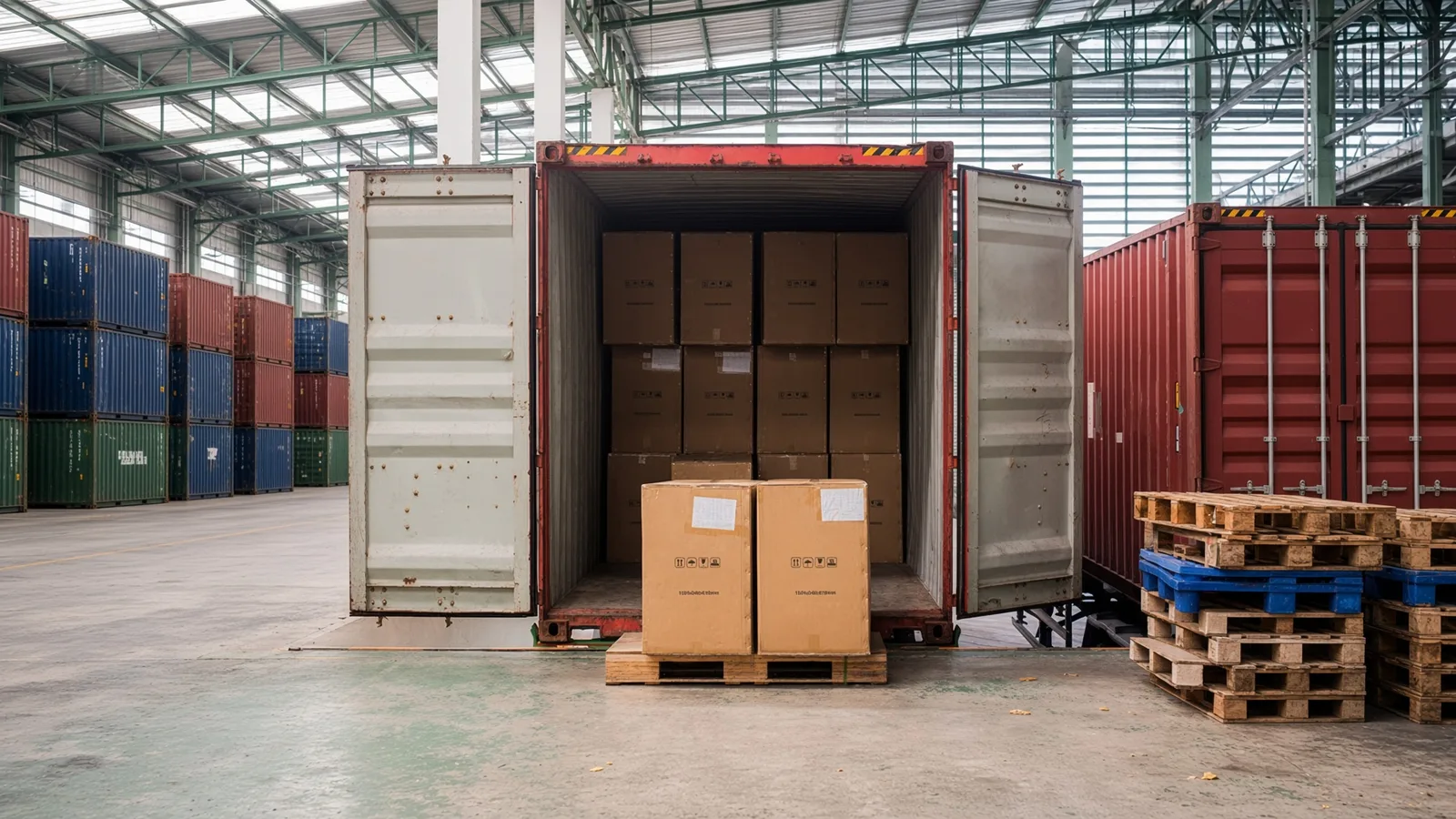
The carton and the load plan are agreed before the run opens, so what fits is settled on paper rather than at the dock. Products are mixed into one container where the order allows, and the load plan you sign is the one the warehouse builds to.

Cartons stacked inside an open shipping container with pallets alongside
Export carton
Built to the drop and compression standard for the destination channel.
Internal bracing
Units blocked and braced so a packaged unit survives the drop test.
Mixed-SKU loads
Heavy units as ballast, light SKUs stacked — one container rather than several.
Load plan
Issued and signed before the run, so packing is a decision not a discovery.

Brand and tooling

Private label, tooling and who owns the design.

There are two ways to put your brand on a Gulfstone heater, and they differ in what you own. Neither one puts your drawing in front of another buyer.

Path A

Your mould

You hold the tooling and the drawing. The enclosure, interface and layout are yours alone, and no other program can be built from them.

Changes
Enclosure, interface, layout and cut-out built to your drawing.
Stays standard
Gas path, safety systems and test discipline stay on the proven platform.
Ownership
Tooling and drawing held in your name.

Path B

Our platform, your brand

The heater runs on a proven platform; your identity carries the case, the controller, the literature and the carton. The fastest route to a launch.

Changes
Colourway, controller, badge, literature and carton.
Stays standard
Enclosure, gas path and safety systems stay standard.
Ownership
Brand and artwork are yours; platform tooling stays ours.
MOQ
A platform SKU starts low; a private mould steps up with the program and can be staged across runs.
NDA
A mutual NDA sits ahead of the first drawing, before any technical detail changes hands.
Containment
A tooling or drawing built for your program is not quoted, shown or built for another buyer.

Getting started

From first sample to repeat order.

You do not have to commit to a container to start. Each rung is a stop point you can take a decision on, and the program only widens when the unit in your hand is the one you want.

  1. Rung 0110–18 days

    Sample

    A physical unit built to your spec, in your hand.

    Stop here and take the sample to your own market test.

  2. Rung 02Same line

    Pilot lot

    A small release off the same line, on the same released drawing.

    Stop here and trial it with your buyers.

  3. Rung 03Container

    Production run

    The scheduled run, released against the same frozen reference.

    Scale as the orders come in.

The platforms that carry the most programs are the ones buyers came back to. Repeat orders run at 98%.

Program evidence

What buying a program here looks like

From buyers who froze a reference and are still ordering on it.

“The unit that arrived was the unit we approved.”

A previous supplier moved the build quietly — new controller, different colour. Here the sample we signed was pulled at pre-shipment and checked against the container. Three runs, one frozen reference.

Ines DuarteProduct Director at a European outdoor brand
“One sample and a pilot lot turned into an annual program.”

Our volumes did not justify a container at the start, so we ran the sample in our own channels first. The pilot lot came off the same line and the same drawing, and nothing was re-tooled for season two.

Grant WhitfieldFounder, RV and camper components supplier

Before you order

The questions a program raises

Ownership, change control and who signs — the things a specification sheet does not settle on its own.

01Who owns the drawing and the mould when the program ends?
It depends which path you take, and it is settled in writing before work starts. Under your-mould, the tooling and the drawing are held in your name from the outset. Under our platform, the brand and the artwork are yours and the platform tooling stays with us. Either way, the arrangement is in the agreement rather than in a reply.
02Can you build to my existing specification, or only your platform?
Both. If you arrive with a drawing, a reference unit or a brief, the program is built around it. If you would rather launch quickly, our platform takes your brand and configuration without new tooling. The feasibility note in the first operation tells you which one your product is.
03What is the minimum order for a private mould versus a platform SKU?
A platform SKU starts at a low volume, because no new tooling is cut. A private mould commits to tooling, so the opening order is higher — and it steps up with the program rather than all at once. The exact figure follows the tooling drawing, once we know the part.
04How does the specification freeze, and what does a change cost after it?
The sample you approve becomes the reference for the run. A change after approval re-cuts that reference and steps the revision letter; the line holds until the new sample is approved. What a change costs is a function of how late it lands and whether it touches tooling held by us.
05Can our own inspector or a third-party agency attend a run?
Yes. Third-party inspection at any of the four gates is welcome, and your own quality lead can attend. The batch records and the per-unit test log are available to whoever you send.
06What incoterm do you quote, and who issues the load plan?
Programs are quoted FOB by default, and another term can be arranged if your freight is already contracted. The load plan is issued by us and signed before the run seals, so what fits is agreed in advance rather than measured at the dock.

Start a program

The brief goes to the engineer who builds it.

Market, annual volume and the certification it must carry — three lines, and we have what we need. Your reply comes from the engineer who would run the line, scoped to your program rather than matched off a shelf.