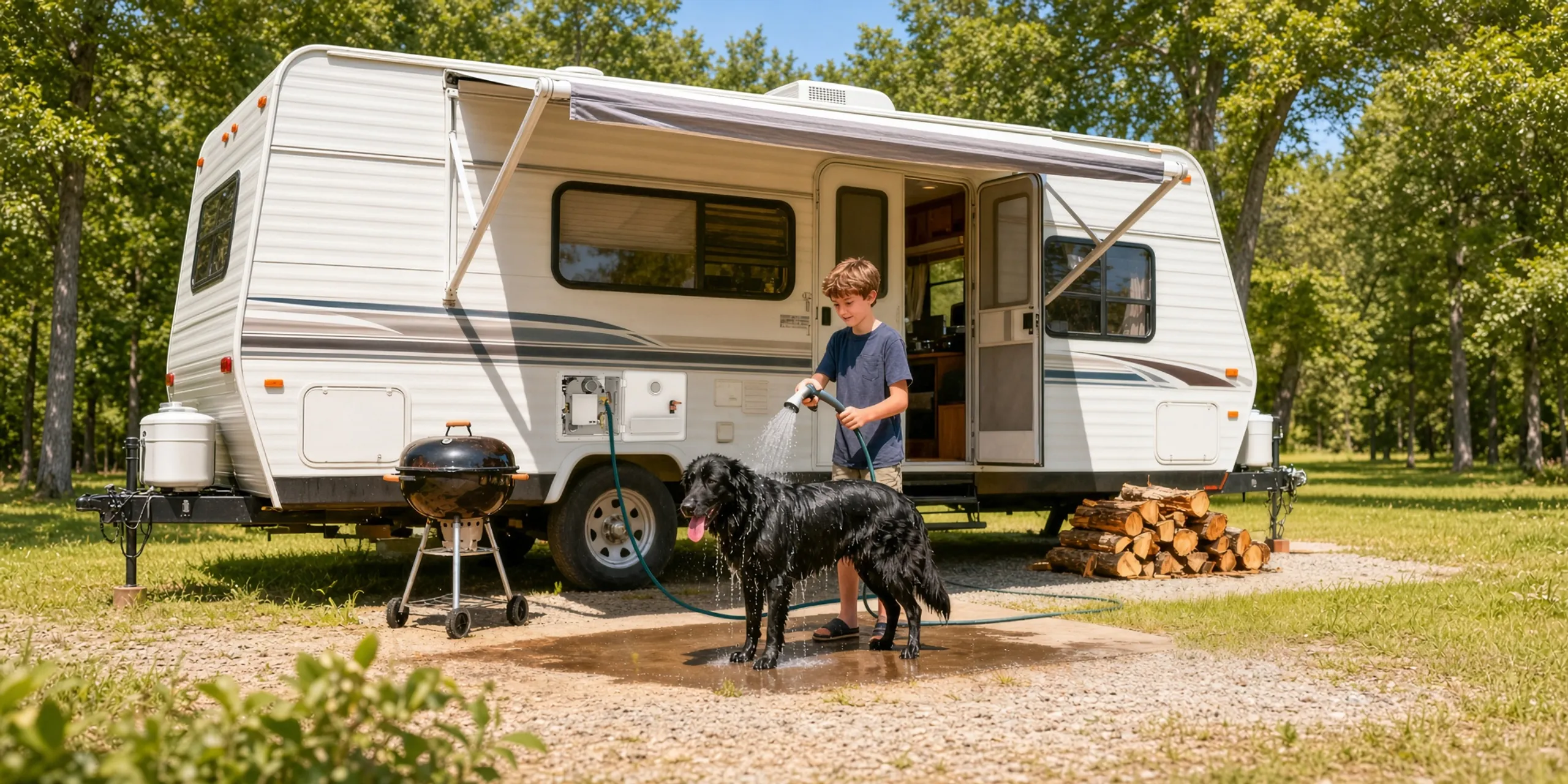
Solution · Off-grid cabin
Off-grid cabin water heaters,
built for the building with no hook-up.
The unit mounts on the outside wall, runs off a bottle, and feeds the shower and the wash-up sink from one supply. Nothing has to be brought to the site to make it work.
Where it goes
Four buildings that were never
wired for hot water.
The platform is the same. What changes is the building it hangs on, where the bottle has to stand, and how long it sits empty.

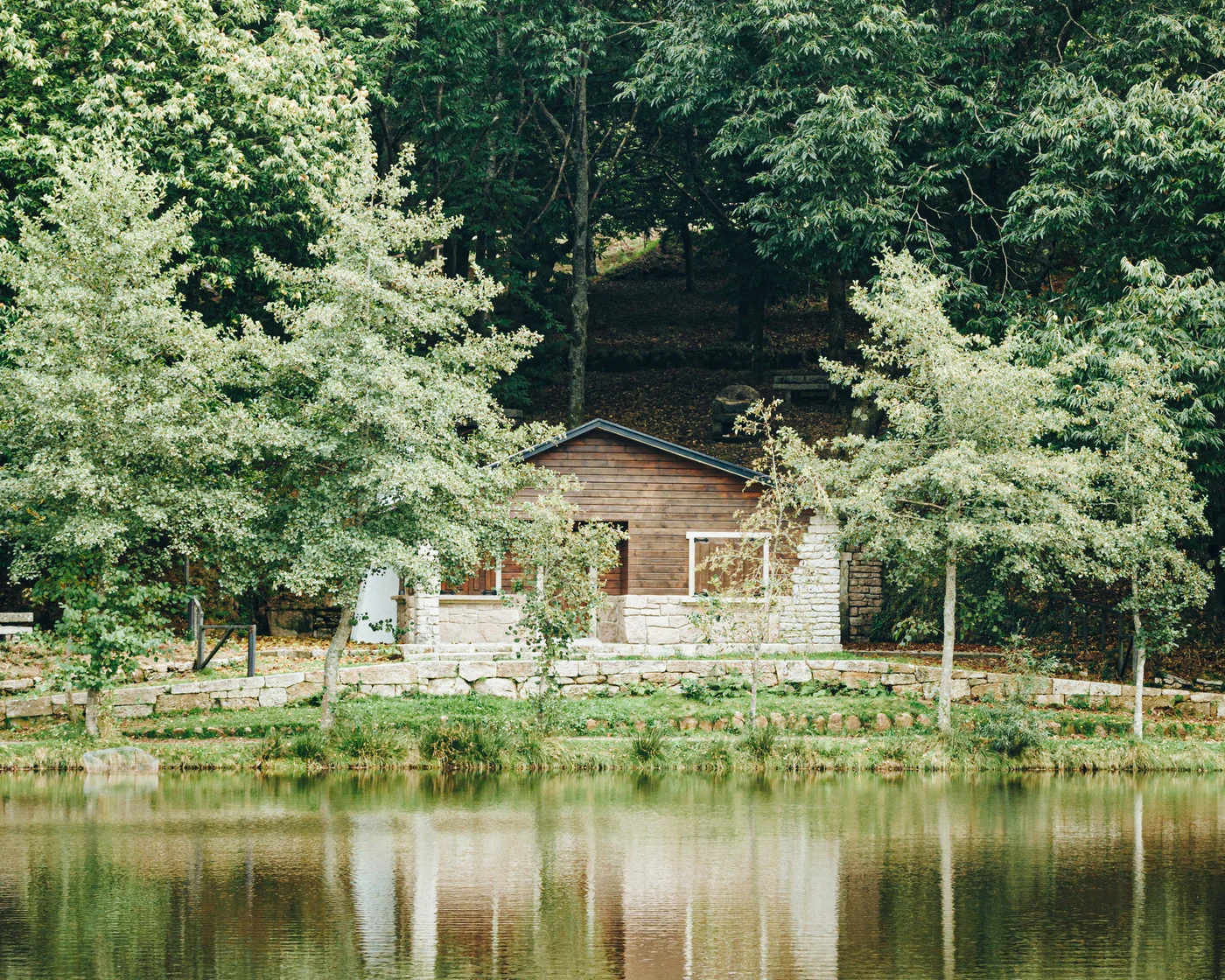
Short-let cabins and lodges
Guests draw hot water on arrival and the building sits empty between them. One unit per cabin, no shared plant.
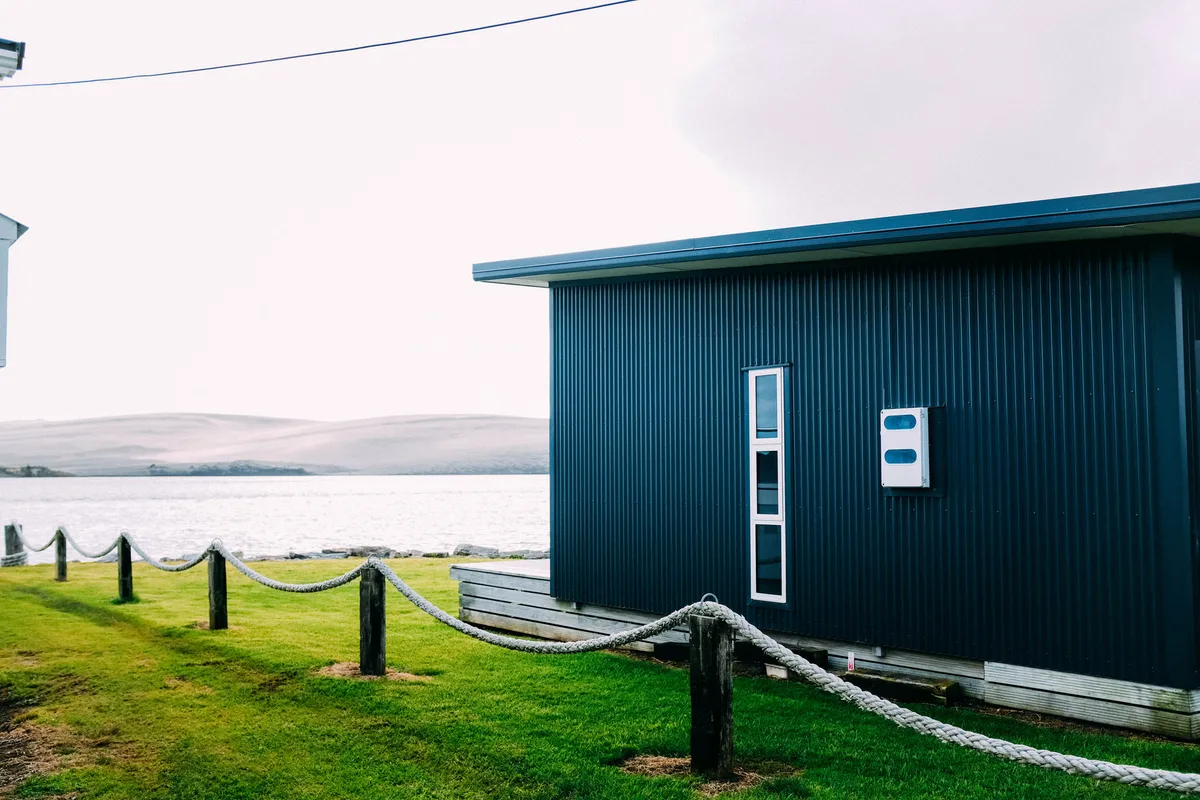
Workshop and outbuilding
A shed or a garage used year-round, where the wash-up point matters more than a shower does.
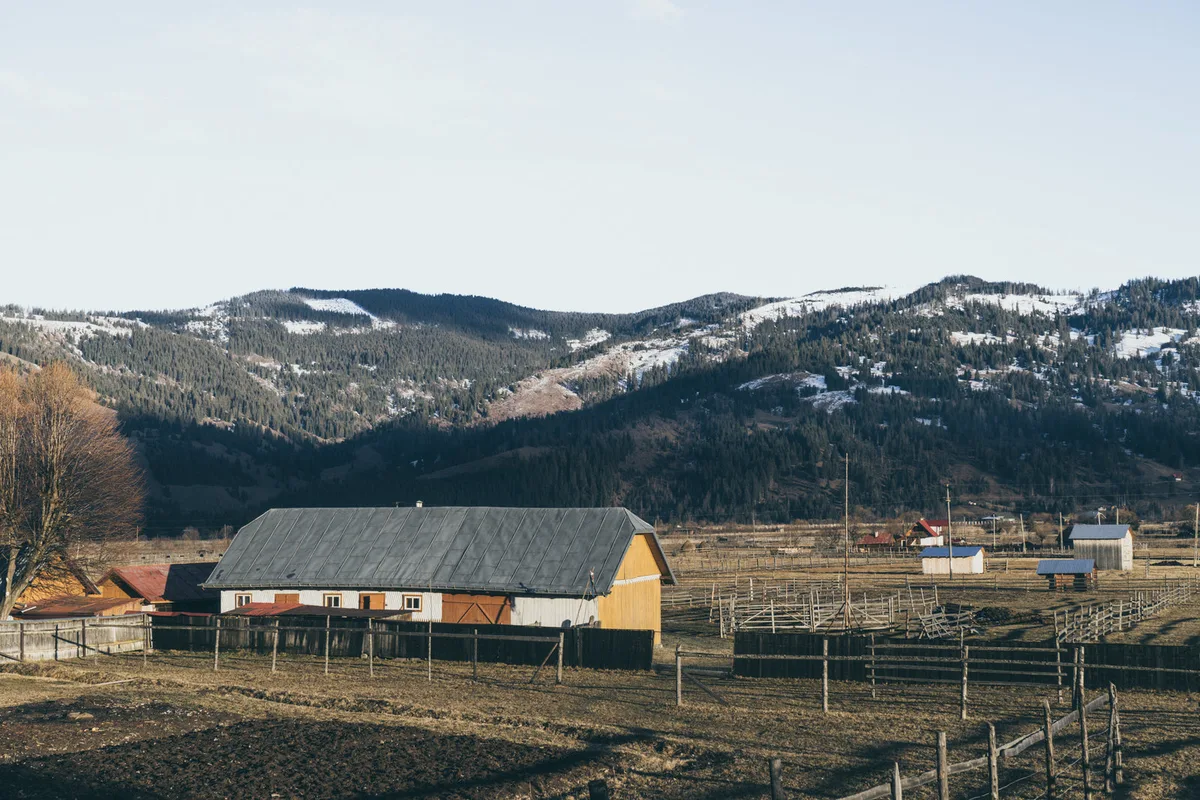
Farm utility room
A building at the end of a track with no service run to it. A bottle is already on site; a mains connection is not.
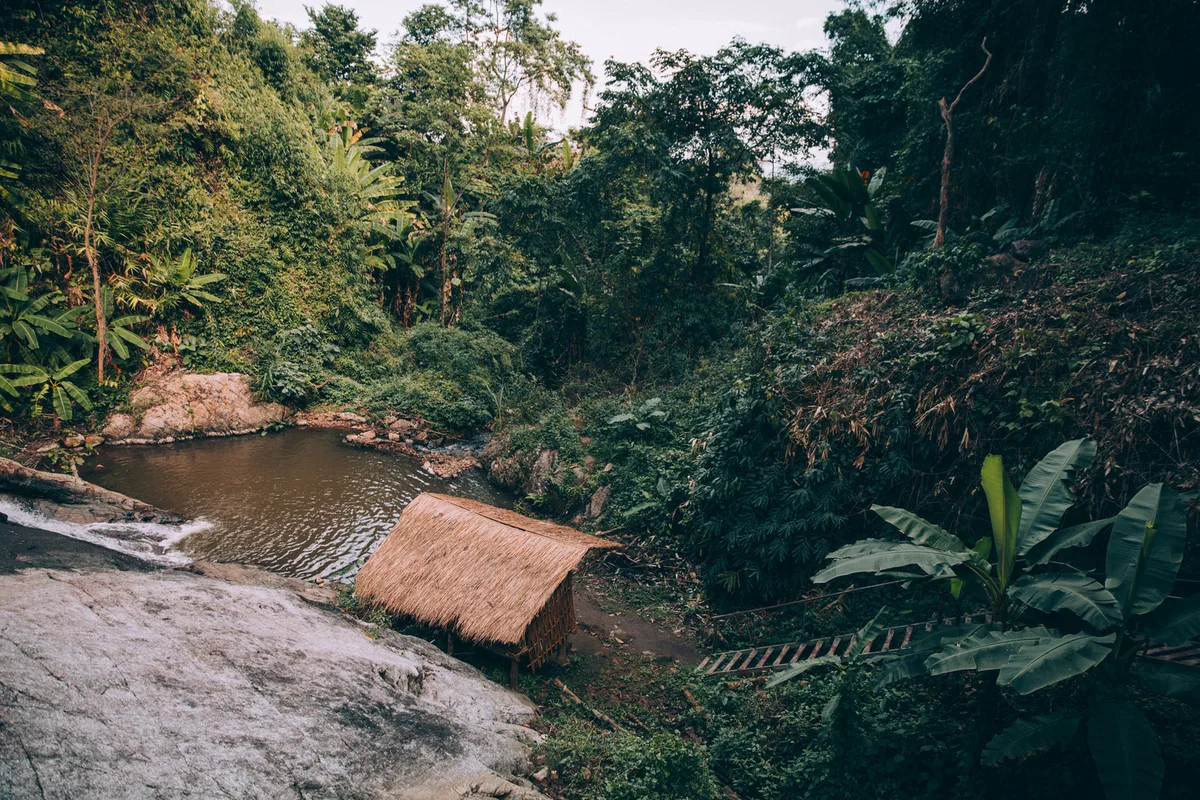
Seasonal shelter and site hut
A hut that opens for a few months of the year and is closed for the rest, at the end of a track rather than a road.
What the building demands
The site sets the brief,
the builder answers it.
No spec sheet here — the figures belong to the product pages. This is the part that decides whether the platform suits the building at all.
It mounts on an outside wall, exposed to weather
The housing is designed for that wall rather than tolerated on it — an outdoor position is the intended install, not an indoor unit that has been moved outside.
Still on the wall after the season that tested it.
The cabin is empty for months at a time
Lighting is on demand and there is no pilot left burning, so the unit sits cold until it is asked for hot water — whatever the gap between visits.
Ready on the first visit, not after one.
No service run reaches the building
A mains connection and a plumbed feed are both absent, and neither is required: the ignition carries its own supply and the water arrives by container or hose.
Nothing brought to the site to make it work.
It is used by people who did not install it
Lighting and running the unit is a single gesture a guest or a contractor can be shown on arrival, with no panel to set first.
Hot water without a briefing.
What a program settles
Four decisions,
closed before a first run.
A cabin program is decided long before it is quoted, and the questions are about the site rather than the unit. These are the four that come up on every one.
- Fixed at survey
The draw points
A shower and a wash-up sink off one supply is the normal cabin arrangement. How far they sit from the unit decides the run and the fittings.
- Fixed at survey
The mounting wall
Which elevation the unit hangs on, how it is fixed through the cladding, and how much weather it actually takes on that face.
- Set by the site
The supply position
Where the bottle stands, and how far it has to be carried to the point of use — which decides the hose run as much as the unit does.
- Set by the site
The off season
How the unit is shut down when the cabin closes, and what has to be true of it before the next arrival.
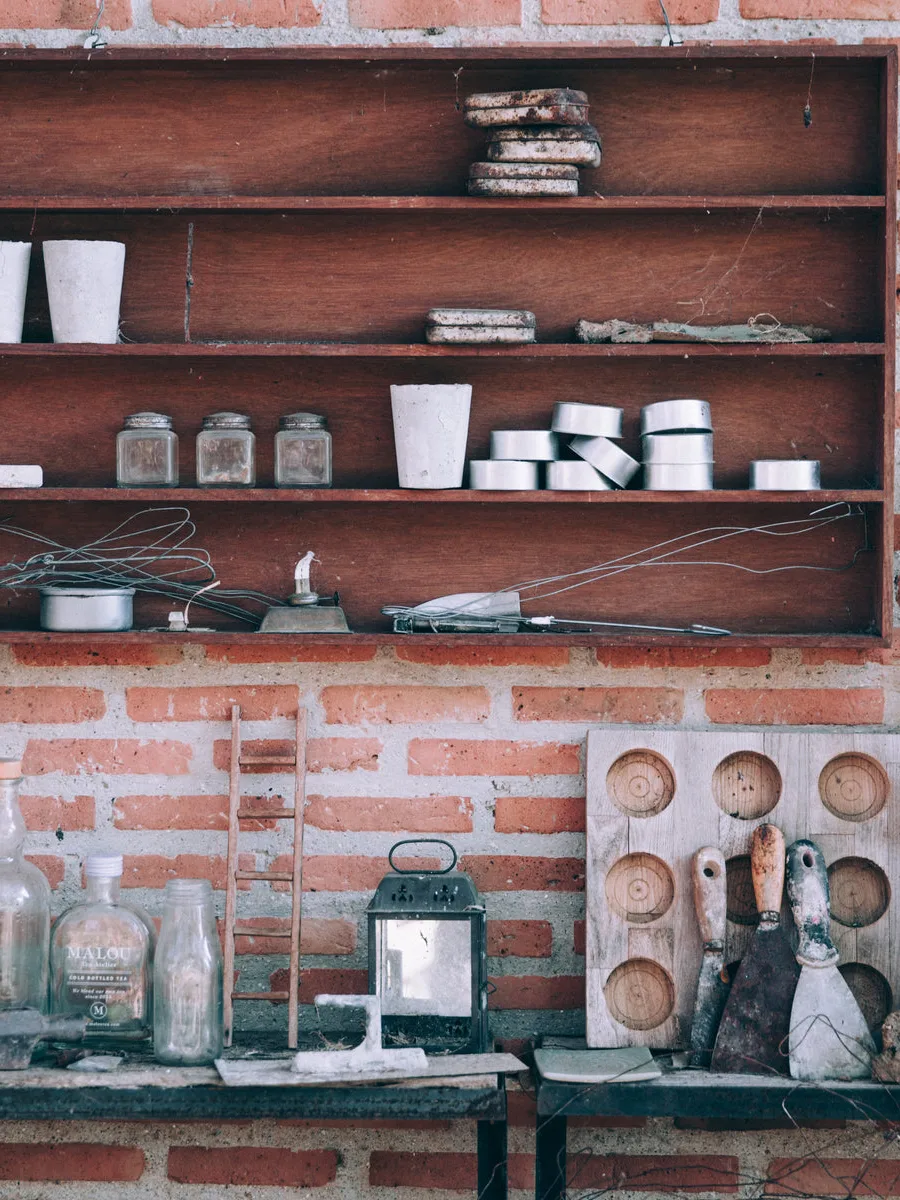
Brief to first container
From the site survey
to the first shipment.
Every stage closes on something concrete rather than a promise, and the checks sit inside the run rather than gathered at the dock.
- 01
The brief and the site
BriefWhat the building has, where the wall is, and where the two draw points sit against it. No drawing is needed to open the conversation.
- 02
The build and the market
SpecifiedGas and the certification scope follow the destination the cabin line sells into, set at the factory rather than adapted after the container lands.
- 03
The approved unit
HeldThe build is signed off on a physical unit before the run is set, and that unit becomes the reference the line copies.
- 04
The run
CheckedChecks run inside production rather than at the dock, and third-party inspection is welcome at any stage of it.
- 05
The shipment
ReleasedDocumentation and freight booked against the season, so the units arrive in one consignment rather than chasing a window in part-loads.

The off season
The season it stands empty
is the season it is judged on.
A cabin is not a house that goes quiet. It is a building with no heating in it for months, and whatever holds water inside it has to come through that on its own terms.
The tank that splits
A stored body of water is the part of a cabin hot-water system that fails over a hard winter, and it fails quietly — discovered at the first let of the season rather than in January.
The service call nobody wants
A cabin is reached by a track, not by a road. Anything that needs draining, refilling or recommissioning before a let turns one arrival into two.
What comes through instead
A unit with nothing held in it has nothing to freeze. The off-season question becomes what you do at shutdown rather than what you repair in spring.
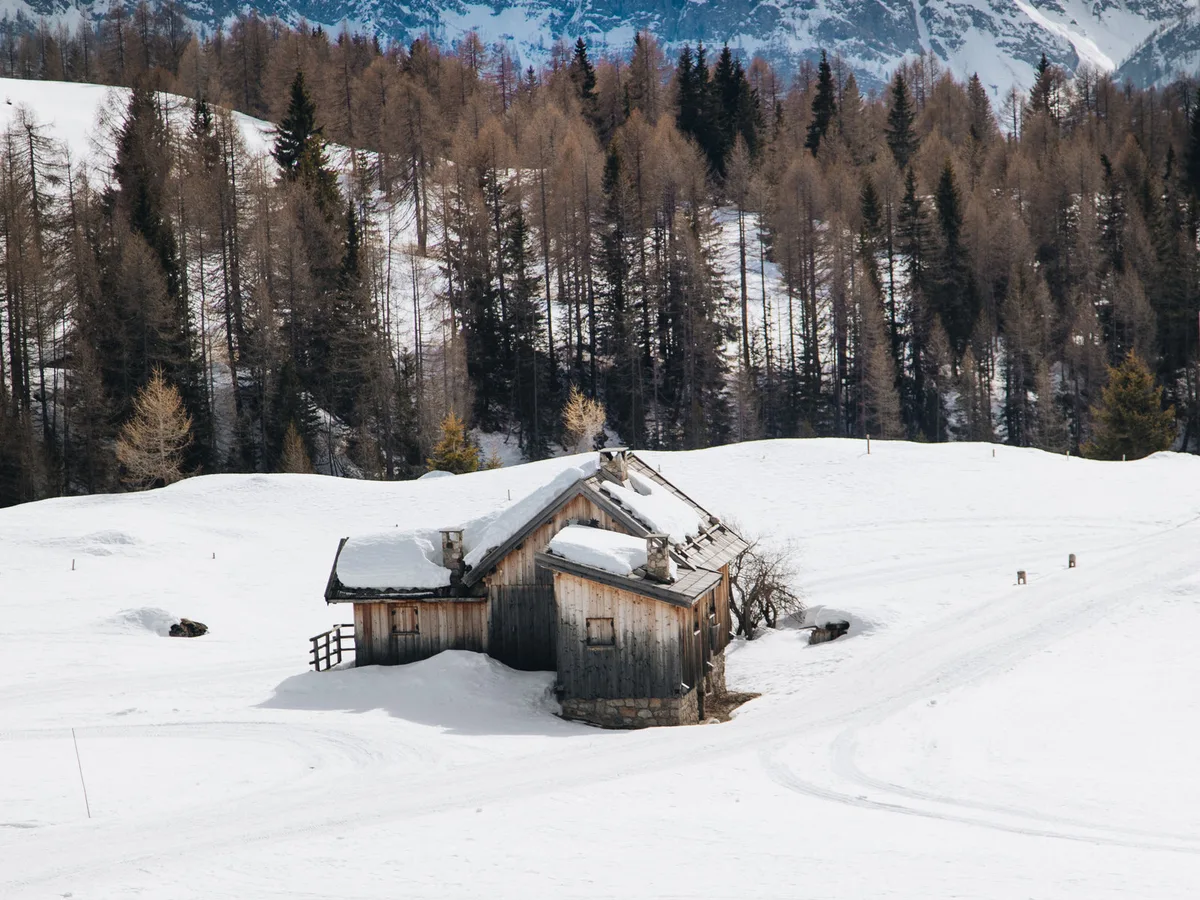
Where this page sits
What this page leaves
to the pages that own it.
A cabin program touches the whole factory, and this page argues only the part that is about the building. Everything else already has a page.
Customer reviews
What cabin operators say
The operators who let cabins and outbuildings without a supply, and what changed when the tank came off the wall.
“Fourteen cabins, one part number, and a spring we stopped losing to service calls.”
Our first three cabins each held a tank, and the spring service run ate the start of every season before a single guest arrived.
Fourteen cabins now run one bottle-fed unit on the outside wall. The oldest two have taken eleven seasons without a service trip, and a call-out carries one part rather than a parts list.
“One platform across four outbuildings, and our maintenance list got shorter.”
A workshop, two agricultural utility rooms and a seasonal site hut, each with its own old way of heating water and its own way of failing in February.
One unit now serves all four from the same bottle feed. Three winters without a frozen component, and our whole spares shelf went from nine line items to two.
Questions buyers ask
The questions before a first order
Power, mounting, outlets and branding — the things a cabin line decides on before a sample.