WeChat

Solution · Pool, farm and wash-down

Outdoor wash-point water heaters,
for points with no supply.

A rinse before entering the water. A dairy or livestock wash-down. A yard where a crew or a fleet is hosed off. None sits near mains power or a plumbed feed, and each is used by people who did not install it. The platform is built around that, not around a bathroom.

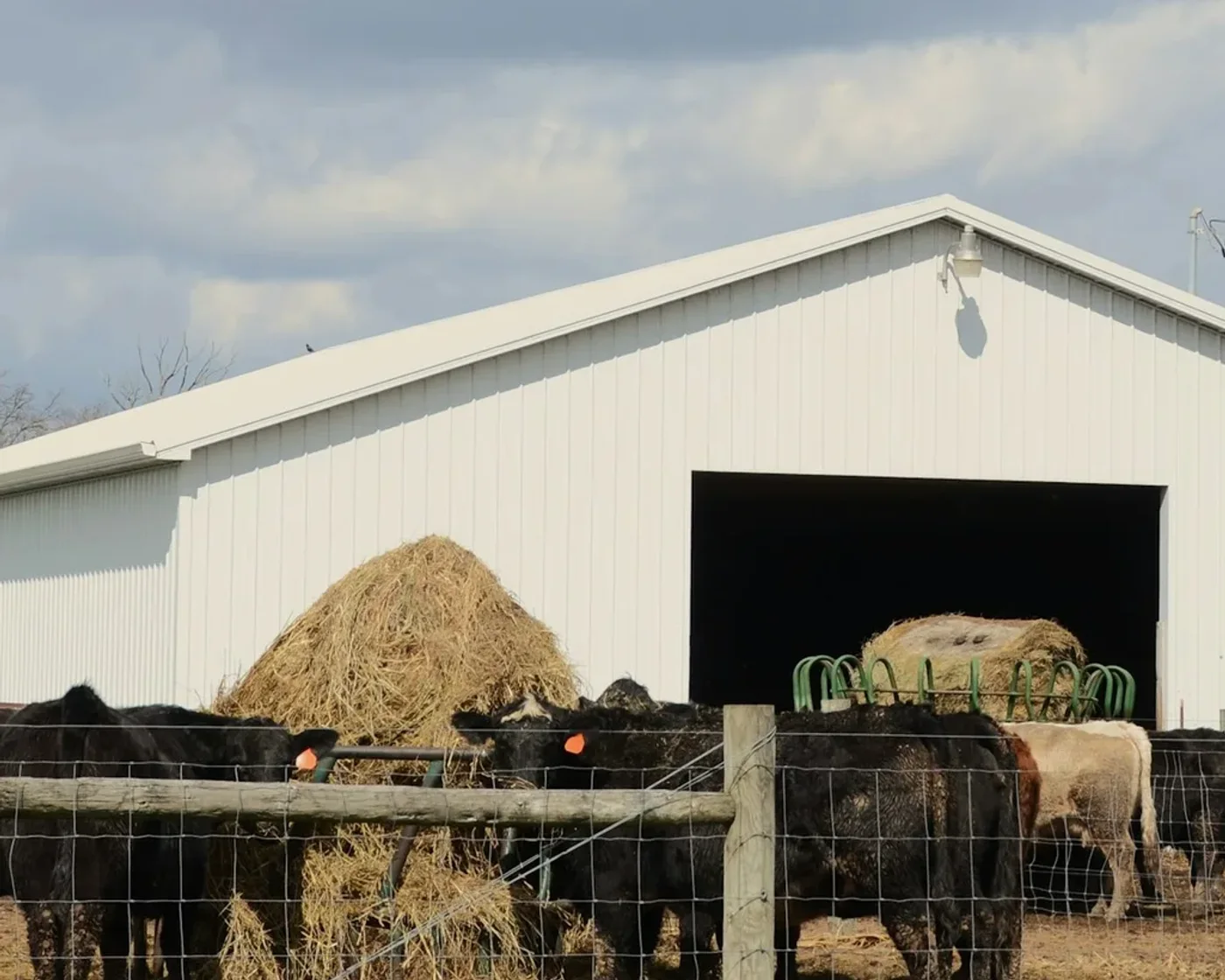
A cattle barn with hay and a fence line in front of it, a farmyard wash point

Before anything else

One thing this platform
does not do.

The question a pool owner asks first is the one worth answering first, because the answer decides whether the rest of this page is even relevant to you.

What it is

A wash point, supplied

Hot water arrives at the point of use — a shower head, a wash-down lance, a rinse tap — drawn on demand and heated as it is drawn. There is no tank at the point and no stored body of water to hold.

What it is not

A pool, held at temperature

A pool has to be held warm against its whole volume, and that load does not shrink with the pool — a small plunge pool or a hot tub is the same duty as a large one. Holding a body of water at temperature is a different job, and it is not this one.

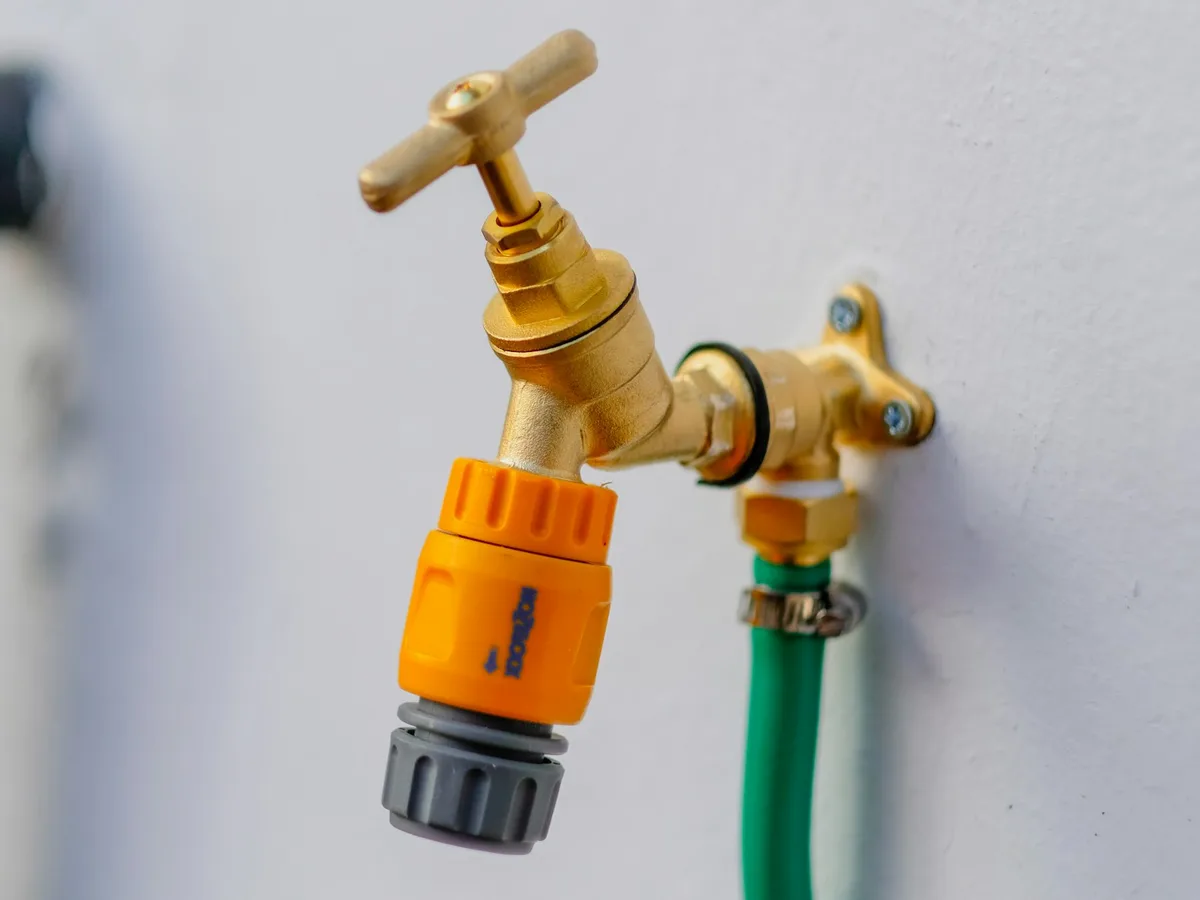
An outdoor tap on a wall with a hose connector, the kind of rinse point a pool surround is served from
An outdoor rinse point — the tap a pool surround or a yard is served from

Where the water is needed

Three wash points,
one build behind them.

Every point here shares the two conditions that decide the build: nothing is run to it, and nobody is watching it. What changes is the duty it is drawn for and how hard it is used.

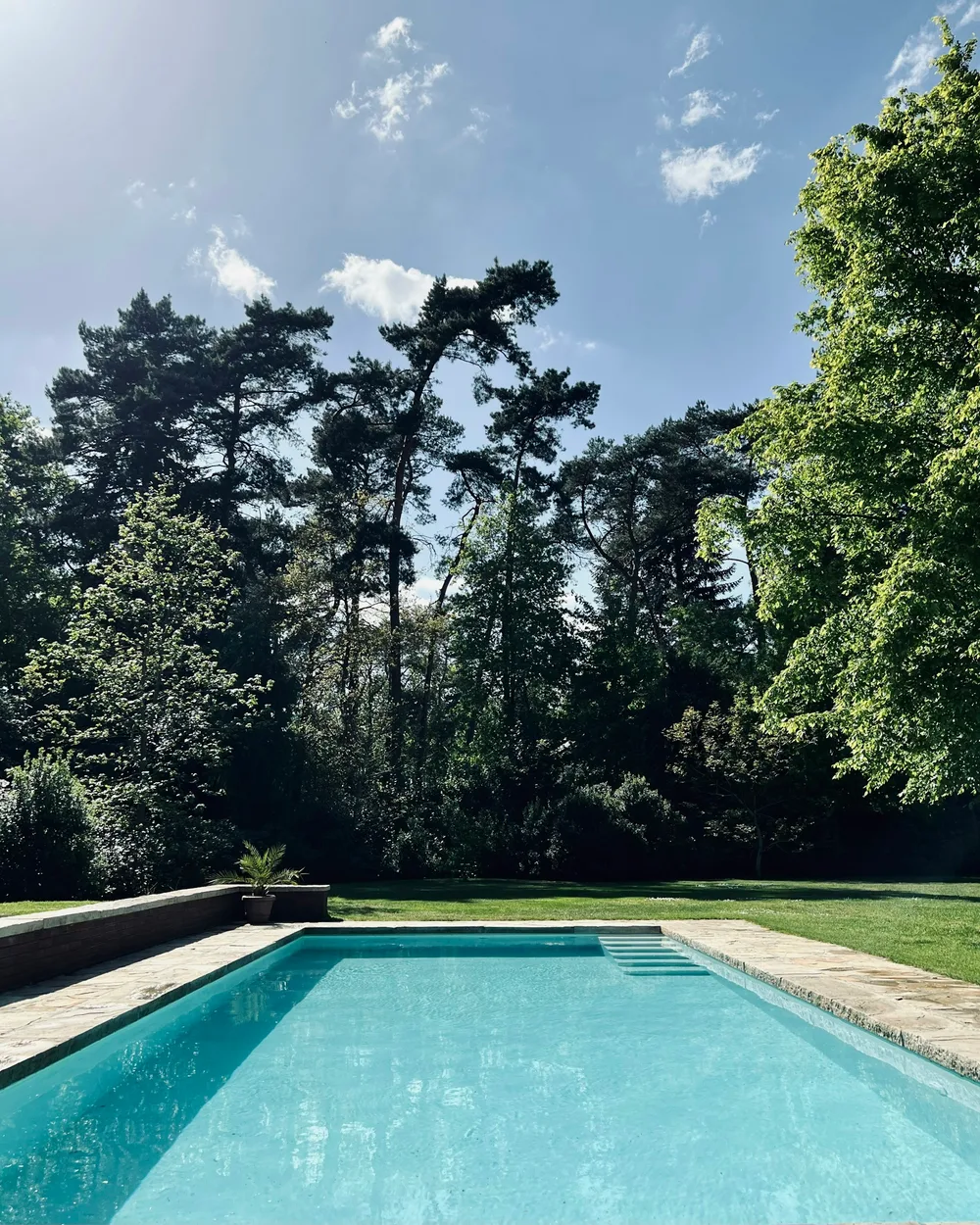
The edge of an outdoor swimming pool where a hot rinse point stands
Poolside

Rinse before the water

A hot rinse point at the edge of a pool, so a swimmer rinses before they enter rather than after. It stands where a plumbing run was never taken — beside a filter plant, a changing block, or a private pool with no building at all.

Draws

A short, hot rinse at the water’s edge

Cadence

Seasonal — heavy on the days the pool is open

Must survive

Chlorine in the air and salt on the fittings

A pool open on the day it was meant to be.
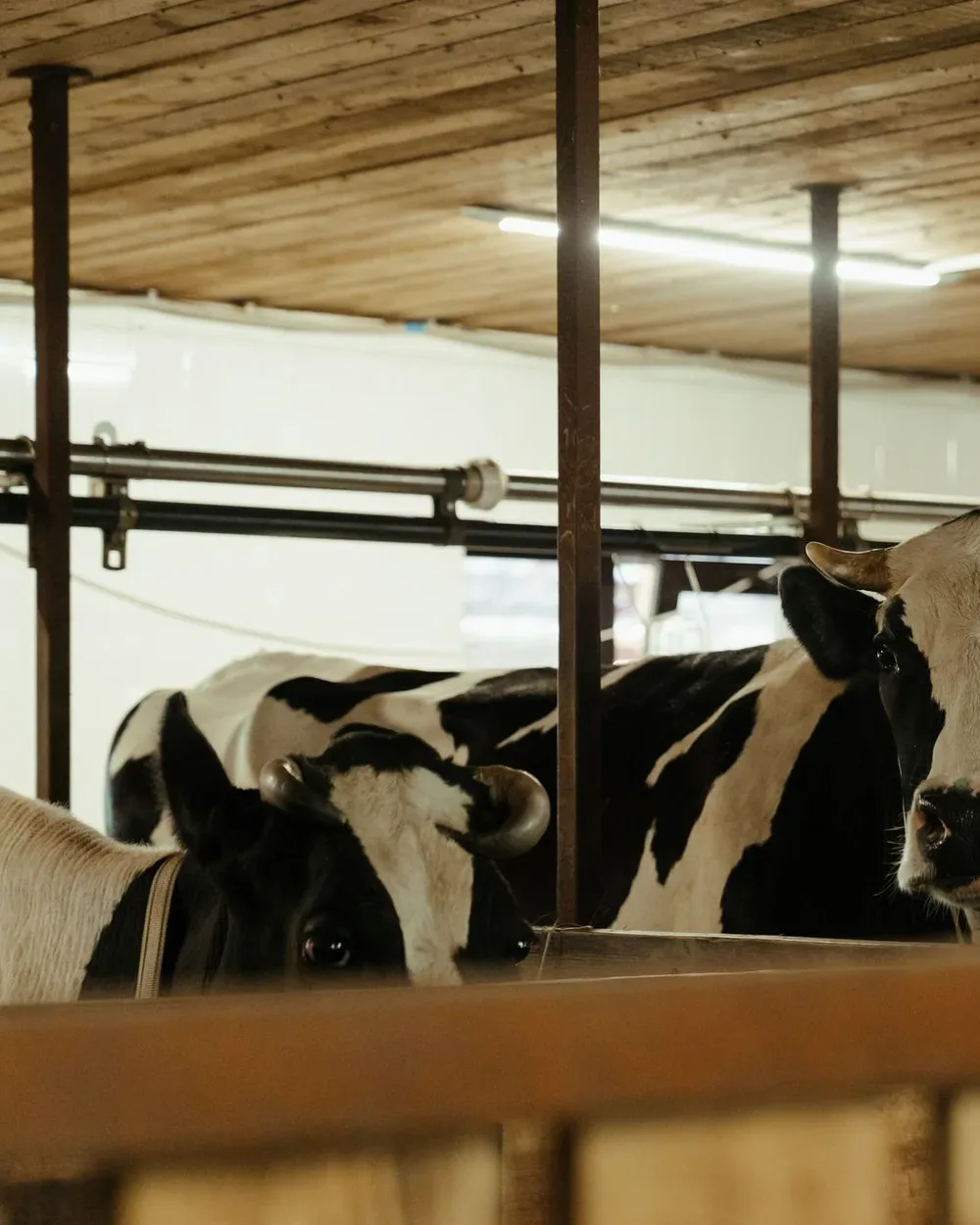
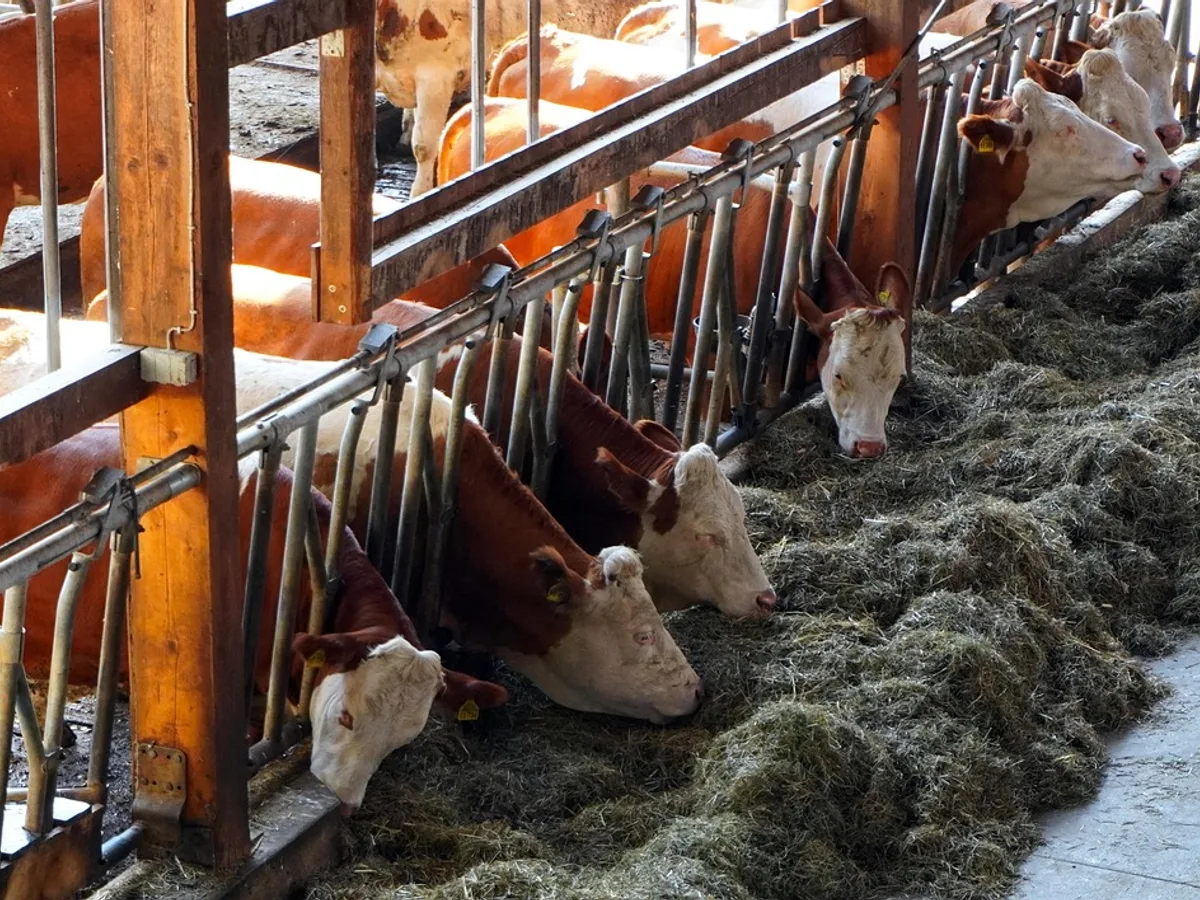
Holstein cows at the rail in a dairy barn, the daily wash-down point on a farm
Livestock & dairy

A wash-down in a shed with no supply

A dairy, a parlour or a livestock shed where the wash-down point matters every single day and the building was never plumbed for hot water. One unit holds the point; the herd sets the tempo rather than a season.

Draws

A daily wash-down, drawn in bursts

Cadence

Daily and year-round — it does not close

Must survive

Mud, muck and a hose left running

The wash-down starts on time, every morning.

A vehicle wheel being hosed down in a yard wash bay
Yard & fleet

The wash bay at the end of the yard

A depot or a yard where a tractor, a ute or a whole fleet comes back dirty and the crew rinses it down before it is put away. The point moves with the work, so the run to it is part of the decision.

Draws

A long, high-volume rinse, vehicle after vehicle

Cadence

In bursts, whenever the kit comes back dirty

Must survive

Grit, impact, and a hose dragged across it

A bay that clears without a second pair of hands.

What it has to survive

The same weather is
a different problem at every point.

A wash point is outdoors and unsupervised, and what that costs it depends on where it stands. Read down a row to see one condition across all three; read across to see one point against all five.

Each row is a load case; each column is one of the three points above.
Load casePoolsideLivestock & dairyYard & fleet
Chemical exposureWhat is in the air and on the fittings.Chlorine in the air beside a treated poolDisinfectant at the parlour wash-downDetergent and traffic film at the wash bay
Grit and muckWhat comes back on the hose and the hands.Sand off wet feet in the changing areaMud and slurry through the shed dailyRoad grit and mud off every vehicle
Weather and UVWhat the housing stands in, year after year.Full sun and salt air on an exposed surroundWind and rain through an open-sided shedOpen yard with no shade over the point
Unsupervised useWho works it, and whether anyone is watching.Swimmers and guests, no operator presentHerd staff on a routine, one-handedA shifting crew across every shift
Cold and drain-downWhat happens to the point when it is not in use.A point that closes when the season endsA point that runs every day of the yearA point idle overnight, hard-frost mornings

One source, every point

The whole problem is
the distance, and the quiet.

A wash point is rarely next to the thing that feeds it, and it is never watched while it runs. Place the source once, and the taps off it can sit anywhere the work is.

At the sourceOut where the point is

The source

One unit on the wall or on a stand, with the bottle beside it. This is the only point on the site that somebody visits on purpose.

The one visited point

The nearest tap

The point closest to the source, where the run is short and the faucet could not be simpler if it were plumbed.

A few steps awayUnattended

The far tap

The point the run does not reach on its own — a second shed, a far end of the yard. Reach, not the unit, is what decides whether it is served.

Across the yardUnattended

The moving point

A point that has no fixed home: the wash bay that shifts with the work, or the second site that opens next season. The unit is the only part that has to move.

No fixed homeUnattended

How the point is used

One point opens for a season.
The other never closes.

A poolside rinse and a dairy wash-down are the same build answering two different working lives, and the difference is not in the unit — it is in how often the tap is opened.

A point that opens and closes

Seasonal — opens and closes

The poolside rinse runs hard while the water is open and stands idle for the rest of the year. It has to survive its own quiet — a point that is used for part of the year cannot need recommissioning before the part that matters.

A point that runs every day

Daily — never closed

The dairy or shed wash-down is opened every morning and often through the day. It has to survive being worked rather than being left — the wear is in the routine, not the weather.

Cattle at a feed rail in a working cowshed, a wash-down point used every day
The point that is worked every day

Neither point is a harder build than the other. They are the same unit answering two different working lives, and the program is set against whichever one your site actually runs.

Starting an enquiry

What a quote needs
from your side.

Nothing here needs a drawing to open a conversation. These are the six things only you can tell us, and the first reply is scoped from them.

The duty

What the point is for — a rinse, a wash-down, a hose-down bay — and roughly how long it runs each time it is used.

Where the point sits

Beside a pool, in a shed, at the end of a yard. Whether it is under cover, and what is in the air around it.

The distance from the source

How far the point is from where a unit and a bottle can reasonably stand, and whether that run is fixed or moves with the work.

How the point is fed

Whether there is any water at the point already — a tank, a trough, a standpipe — or whether it has to arrive from a container or a hose.

The destination market

Where the line will sell and be installed. The gas and the certification scope are set by the market before anything is quoted.

Your brand and volume

The name the line carries, whether it starts from a build that already exists or needs its own, and roughly how many points a year.

Customer reviews

What wash-point operators say

The operators running rinse and wash-down points across sites without a supply — and what changed when the point stopped waiting for one.

“Nine sheds, one part, and nothing to drain at the end of a day.”

Nine sheds were never plumbed for hot water, so every wash-down ran off a cold tap and a kettle. A bottle-fed unit at each point put all nine on the same part — and a service visit now carries one spare instead of a list.

Dermot ByrneHerd operations manager at a dairy farm
“A cold tap was costing us most of an hour a vehicle.”

A cold standpipe turned every rinse into a two-man job — 18 vehicles a day, each one holding the bay far longer than it should. A hot wash point at the end of the yard took the clean-down from 40 minutes to under 15, on one part across the fleet.

Freya NolanFleet manager at a plant-hire depot

Questions buyers ask

The questions before a first order

Scope, power, supervision and the first order — the things a wash-point program decides before a sample.

01Will it heat a small plunge pool or a hot tub?
No — and this is the one case to be clear about before anything else. The unit supplies hot water to a rinse or wash-down point; it does not hold a body of water at temperature, and a small pool or tub is the same duty as a large one, only smaller. Tell us the volume and the point you have in mind and we will tell you honestly which side of that line it falls on.
02Can I buy a wash-point water heater under my own brand?
Yes. The platform is built under your brand, whether the program starts from our standard unit or from a build of its own. Colour, logo, carton and manual all move with it. Send a destination market and an annual volume and we scope the starting point.
03Does the wash point need mains power?
No. Ignition comes off the unit's own pack, so a point with no electrical supply works as long as it can reach a bottle and a water container or hose.
04Can it run unsupervised?
Yes — ignition and shutdown are handled by the unit rather than an operator standing at it, which is what a shared or public wash point needs. Tell us how the point is used and we confirm the build against it.
05What is the minimum order for a wash-point program?
A first order does not have to fill a container. A program on our own platform, carrying your branding and pack, starts lower than one that needs a build of its own, and the terms are set with the volume you are actually planning. Tell us the sites and the annual figure and we scope it against those.

Start a program

The brief goes to the engineer who builds it.

Market, annual volume and the certification it must carry — three lines, and we have what we need. Your reply comes from the engineer who would run the line, scoped to your program rather than matched off a shelf.