WeChat

Solution · Camping shower

Camping shower water heaters,
built for the pitch.

The shower is the reason a camping buyer upgrades, and the reason a retail line gets returned. We build the unit that carries both — sized to the pitch, branded to your line, and packed to survive the season.

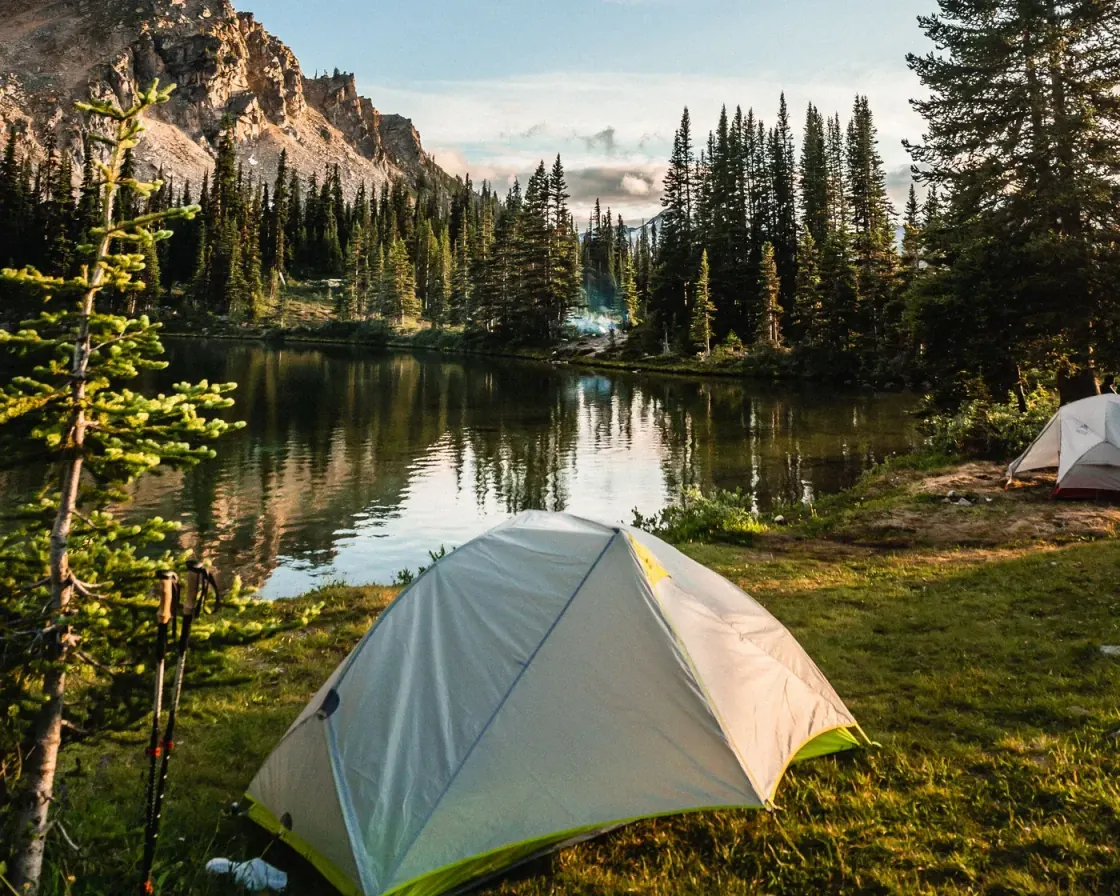
A tent pitched on a grassy bank beside a mountain lake at a forest campsite

The challenge

Three buyers, three ways
the line is judged.

A camping shower line is opened by three different buyers, and each carries a different risk into a first order. The program is opened against all three.

Camping and outdoor retail

Category buyer, seasonal camping line

A launch window missed is a season that cannot be recovered.

The shelf slot goes to the line that landed on time.

The build is set to the destination market and the launch window before the order is placed.

What changedThe unit on the shelf is the unit that was signed off.
Hire and rental fleets

Fleet manager, regional hire

A hire unit earns nothing while it is off the road.

Every unit in the workshop is a booking lost and a customer held at the counter.

The build is specified for a unit that is worked, not shelved, so it stays on hire rather than in the workshop.

What changedA hire unit that stays on hire.

Outdoor trade and distribution

Purchasing, outdoor trade distribution

A distributor commits to a line before the market has answered it.

A season that does not move is a warehouse bill and a lost slot.

The first build is scoped against demand you can already see, not against a forecast.

What changedThe reorder is written on what sold, not on what was promised.

What a program decides

What goes in the kit,
settled before the first run.

A camping shower is a kit, not a box with an appliance in it. These are the decisions a program settles early — and the ones a first order tends to get wrong.

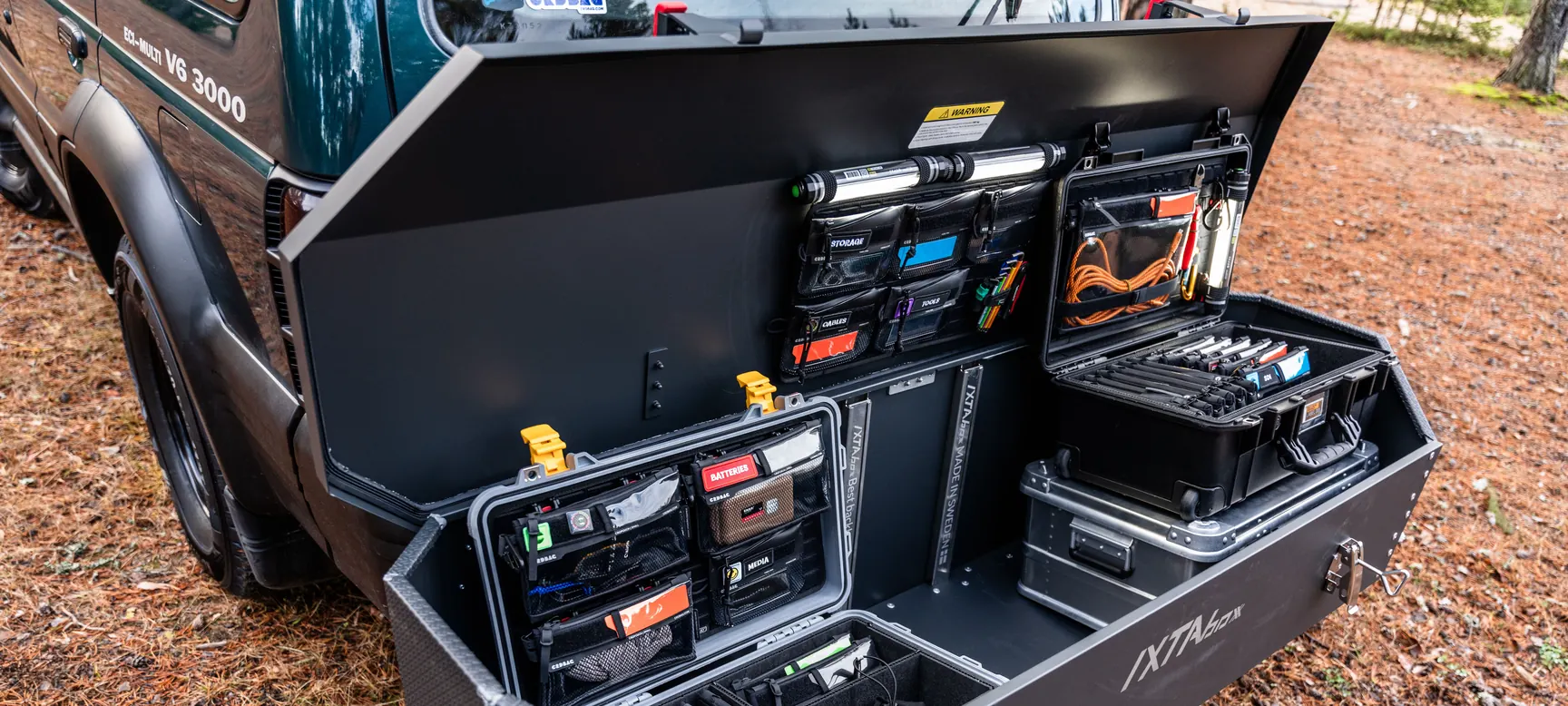
An open vehicle storage drawer holding organised equipment cases and compartments at a camp
Every part a program settles, kept to hand.

The platform

Which build carries the line

One build in the range becomes the program SKU, and what stays standard across it. Everything else in the kit is decided against that choice.

Gas side

Regulator, hose and setting

The connection and the gas setting follow the destination market. Set at the factory, not adapted after the container lands.

Water side

Feed and discharge

How water reaches the unit and what it discharges through — a bottle, a container, or a hose where a supply exists.

Carry and mounting

How it travels and sits

A portable housing is carried, not installed. Handle, bracket points and the case it ships in are part of the decision.

Spares line

What a service point reorders

The parts a repair actually needs, held on a priced list behind the program so a service centre can quote without a factory email.

The fit

What the pitch asks,
and what answers it.

The numbers belong to the product pages. This is the part that decides whether the platform suits the job at all.

There is no mains power where it is used

Ignition runs off the unit's own pack — nothing to wire, no hook-up, no generator.

It travels in the same bay as the rest of the kit

A portable platform with a handle and bracket points, built to be carried rather than plumbed in.

Several people wash in turn, off one bottle

On-demand heating, so the water is hot when the tap opens rather than sitting in a tank.

The unit lands at a pitch, not at a bench

A weather-rated, portable housing built for outdoor use and transport, not a sheltered install.

The line has to hold up across a season of returns

Housing and fittings chosen for how the unit is actually carried and dropped, not only how it reads on a sheet.

The season

A camping line runs to a season,
not to a purchase order.

A shower program is planned backwards from the launch window. Every stage below exists to protect that date — and the checks sit inside the run rather than after it.

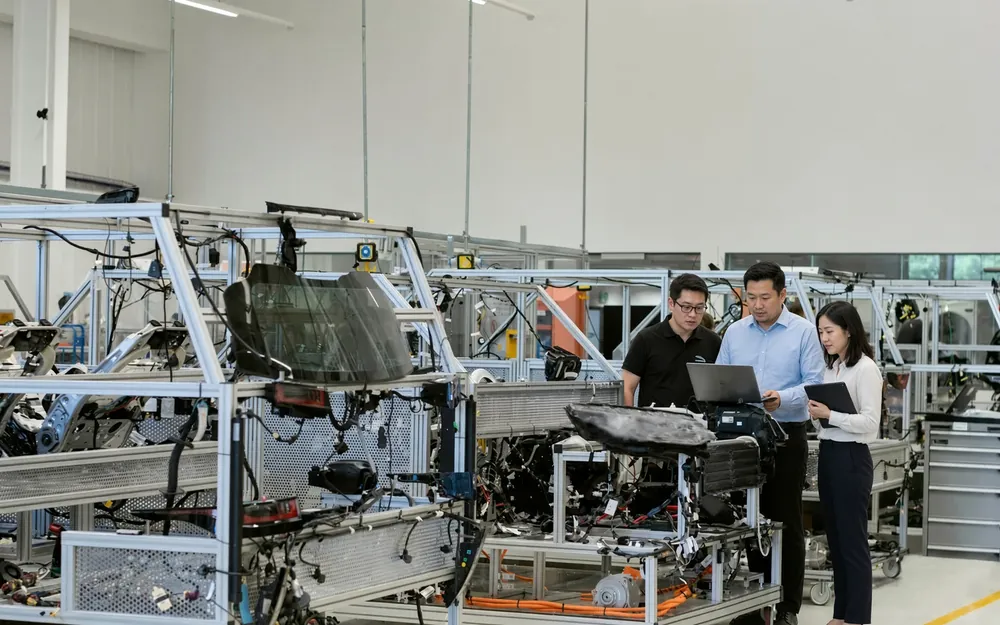
Engineers reviewing an assembly on the line at Gulfstone's plant

Season brief

Brand, price tier, destination market and the week the line has to be on shelf. Enough to scope the SKU — no drawings needed to open the conversation.

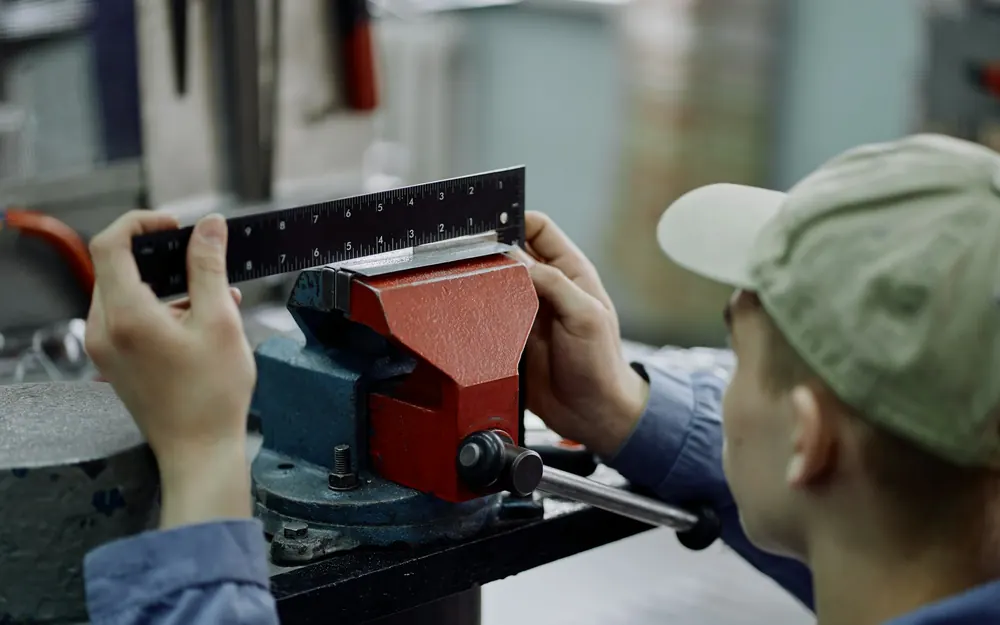
A metal part clamped in a vise being measured against a steel rule

Sample and sign-off

The build is approved on a physical sample before the line is set, so what is signed is what the run copies.

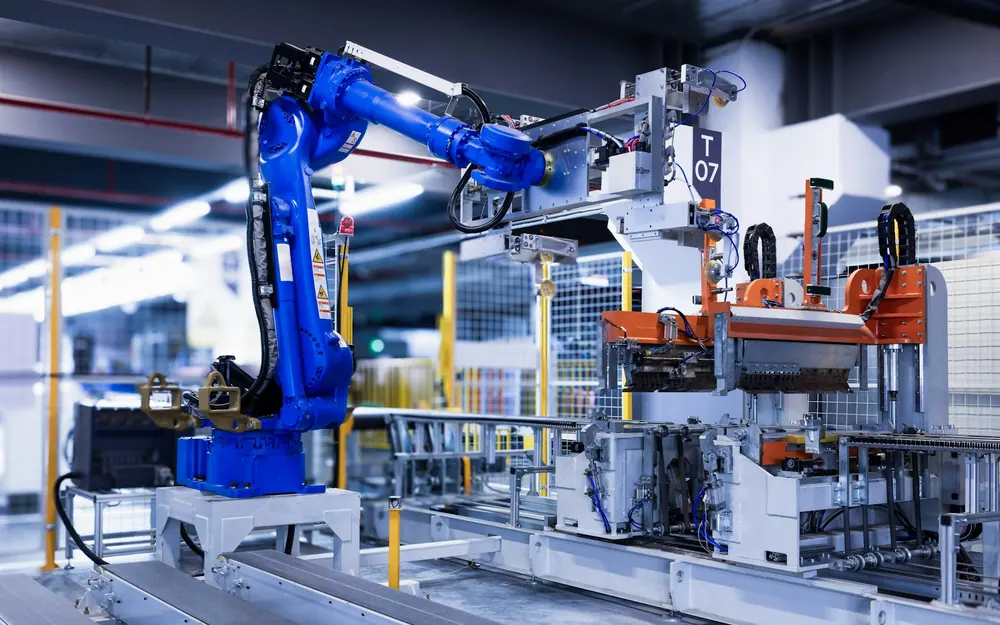
A robotic arm working at a station on a production line

Tooling and first run

A platform SKU with your branding and pack, or a private mould where the program calls for one. Then the first production run.

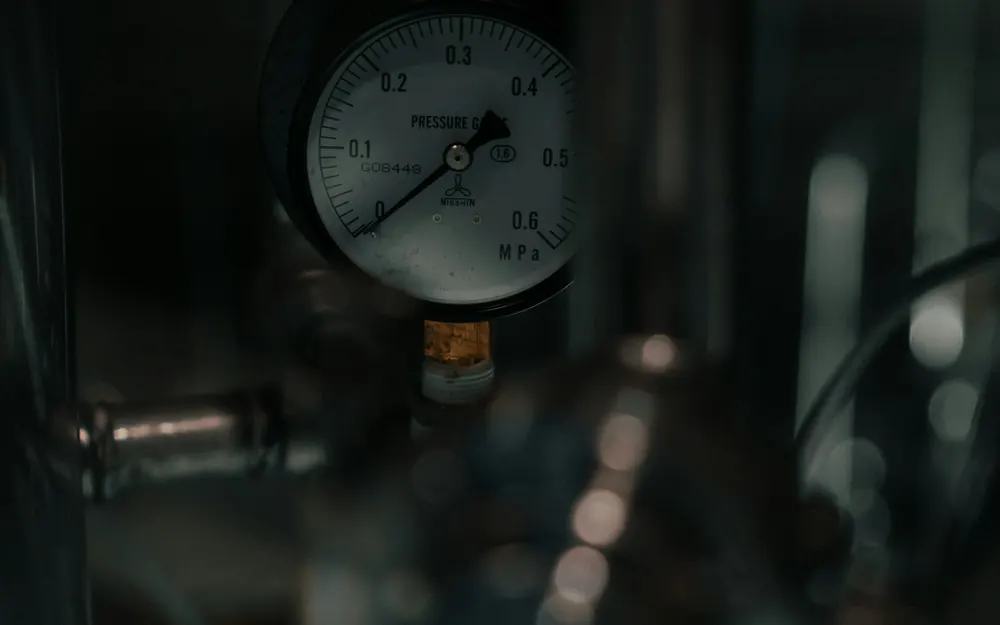
Close-up of a pressure gauge mounted on industrial equipment

Checks through the run

Checks run inside production rather than at the dock, and third-party inspection is welcome at any stage of it.

How the quality system works
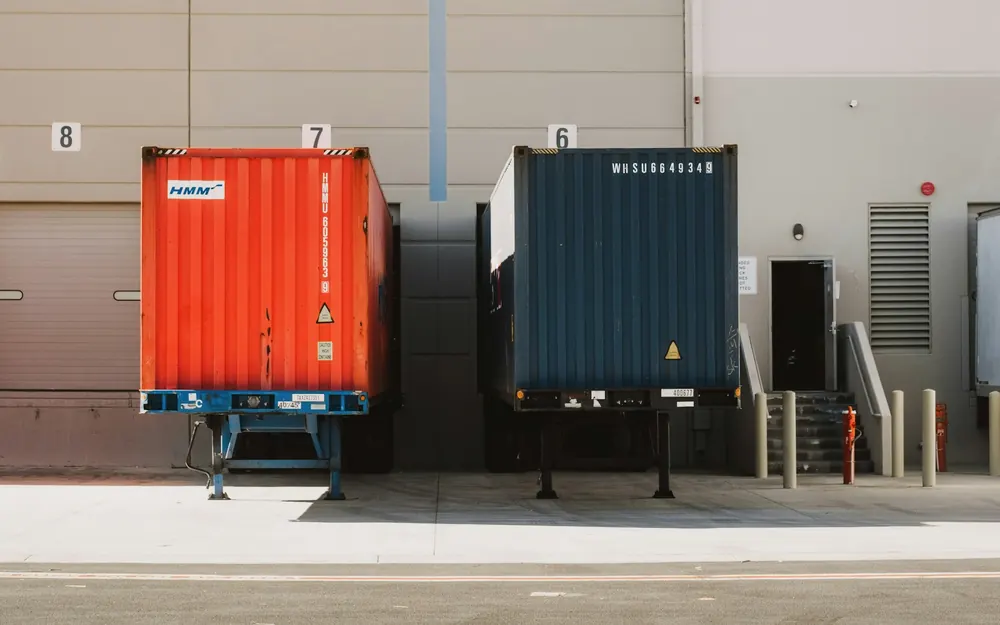
Shipping containers on the ground at a warehouse loading dock

Booked to the window

Documentation and freight booked against the launch date, so the line arrives in one shipment and one window rather than chasing the season in part-loads.

Destination builds

The market decides
more than the plug.

Gas, the pack and the certification scope all follow the market the line sells into. Tell us where it lands and the build is set from there.

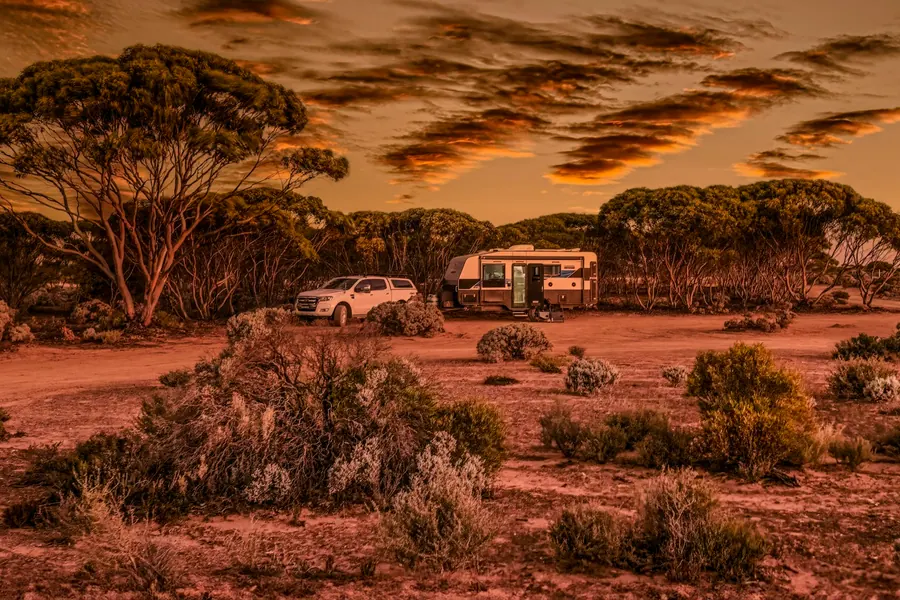
A vehicle parked in open red desert country under a wide sky

Australia & New Zealand

One build, both islands

Gas and the retail pack are set for the Australian and New Zealand market, so one build carries the line across both.

Gas setting for the destinationPack and manual in market languageCertification scope mapped first
A mountain valley with forest, seen from a distance under cloud

North America

Built to the North American scope

The North American build is locked to that market's gas and its own compliance path, so what lands is what the line is cleared to sell.

Gas setting for the destinationBilingual pack and manualCertification scope mapped first
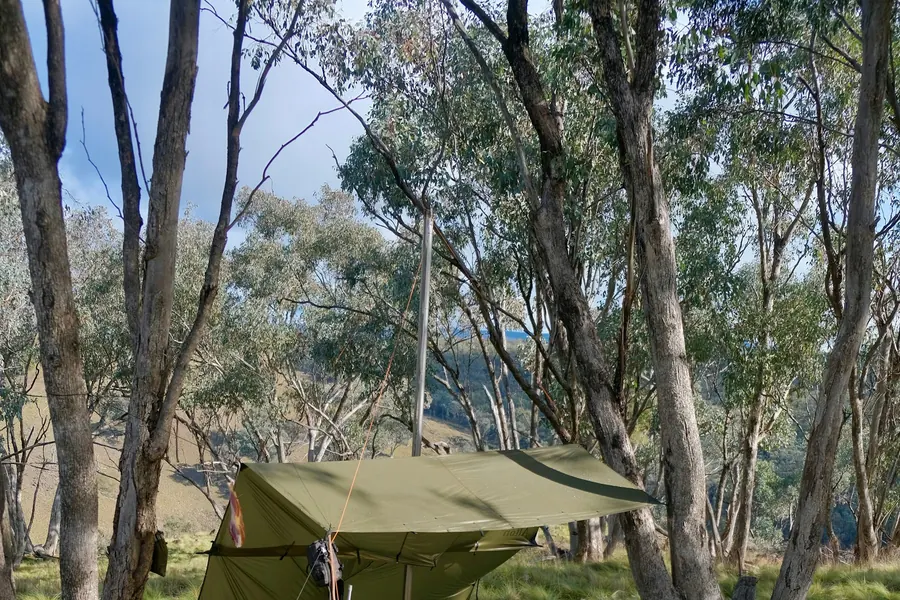
A tarp shelter pitched among trees at a wooded campsite

Europe & UK

Europe and the UK

The European build carries its own gas setting and its own documentation set for the market it is declared into.

Gas setting for the destinationPack and manual in market languageCertification scope mapped first

Retail pack

It has to sell off a shelf,
not only survive the freight.

A camping shower competes in the aisle like anything else in the outdoor planogram. The pack is part of the program, not a courier decision.

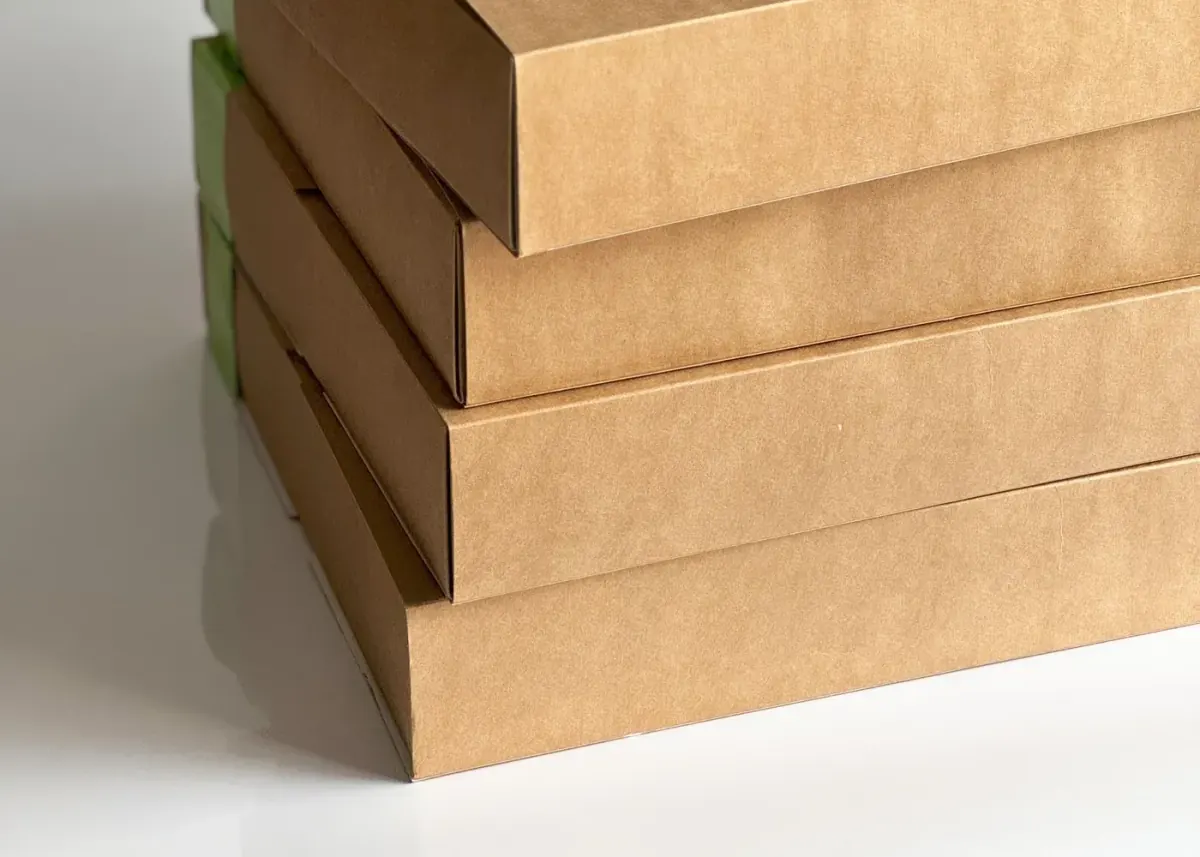
Three stacked plain kraft cardboard boxes on a white background
Plain, unbranded cartons — your artwork goes on them.

The carton

Built to take the freight it will actually meet, and to hold its shape on a pallet and on a shelf edge.

The shelf face

The panel a buyer reads in three seconds — brand, the unit, and the one reason to pick it up.

The manual

Written in the market's language, with the install and the first-use steps where a first-time buyer looks for them.

Your brand on all of it

Logo, colourway and copy move with the program, so what arrives is your line rather than a rebadged generic.

Customer reviews

What camping buyers say

The buyers this line actually sells to — a category buyer and a hire fleet — on what changed after the switch.

“The second season arrived as one shipment instead of three.”

The unit and the accessory kit came out of two suppliers — two bookings and two sets of paperwork, every season. Gulfstone put both on one platform: freight fell about 20%, and the season landed on the date we had quoted.

Jonas KesslerCategory Buyer, camping equipment
“Rental units come back working — that was not true of the last line.”

Our fleet came back with cracked housings and dials knocked off, so every write-off was a unit paid for twice. The lab rebuilt the shell and the carton bracing around how units are actually carried and dropped; write-offs fell by half, and a yard failure is now a priced spare.

Rebecca MolloyFleet Manager at a regional hire company

Questions buyers ask

The questions before a first order

Branding, power, certification scope and MOQ — the things a camping line decides on before a sample.

01Can I sell a camping shower water heater under my own brand?
Yes. As a camping water heater OEM the platform is built under your brand — colour, logo, carton and manual all move with the program. Send a destination market and an annual volume and the starting point is scoped in the first reply.
02Does a camping shower unit need mains power or plumbing?
No. The portable platform draws its ignition from its own pack and its water from a container or a hose, so it works where there is no hook-up. That is the whole reason it suits a pitch, a track or a job site rather than a serviced stand.
03Which markets can you build a camping unit for?
Tell us the market and we map the certification scope before anything is quoted. The certification attaches to a specific tested configuration, so the destination decides the build rather than a catalogue line.
04Can you match my existing carton and retail pack?
Yes. Packaging, manual language and the retail carton are all part of the program, so the unit lands in the line you already merchandise instead of being repacked locally.
05What is the minimum order for a camping shower program?
A platform SKU — our unit, your branding and pack — starts at a low per-SKU MOQ, so a first order does not have to fill a container. A private mould steps up with the program.

Start a program

The brief goes to the engineer who builds it.

Market, annual volume and the certification it must carry — three lines, and we have what we need. Your reply comes from the engineer who would run the line, scoped to your program rather than matched off a shelf.