WeChat
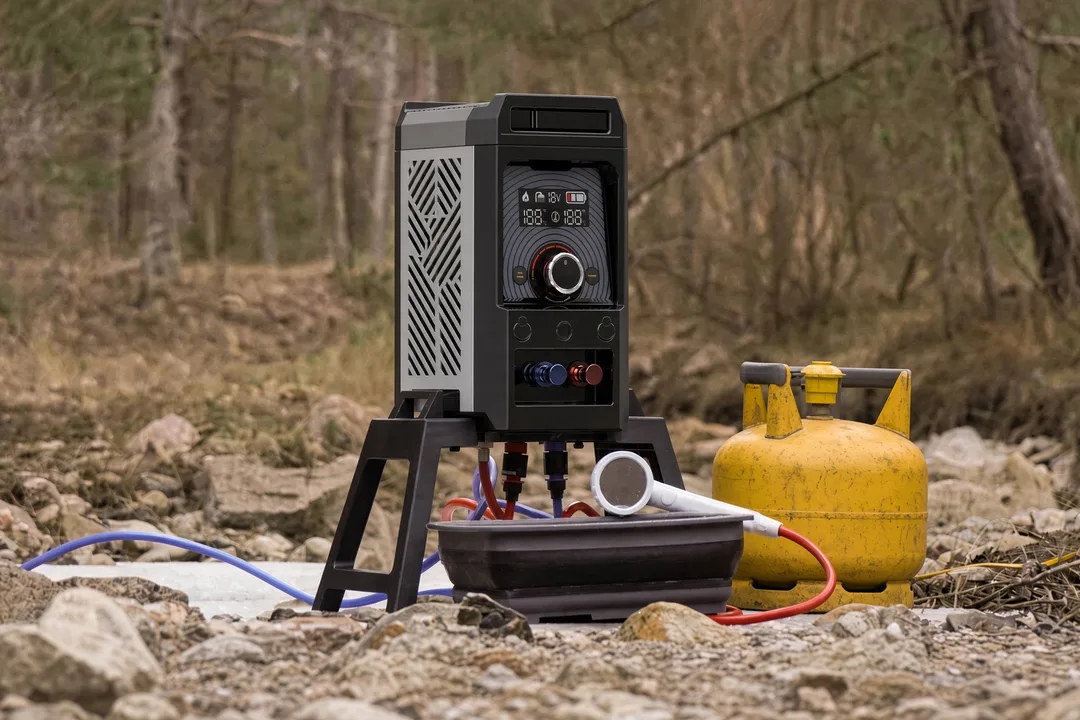
Gulfstone camping gas water heater on a stand beside a propane bottle on a creek bed, with the hose and shower head lying in a basin

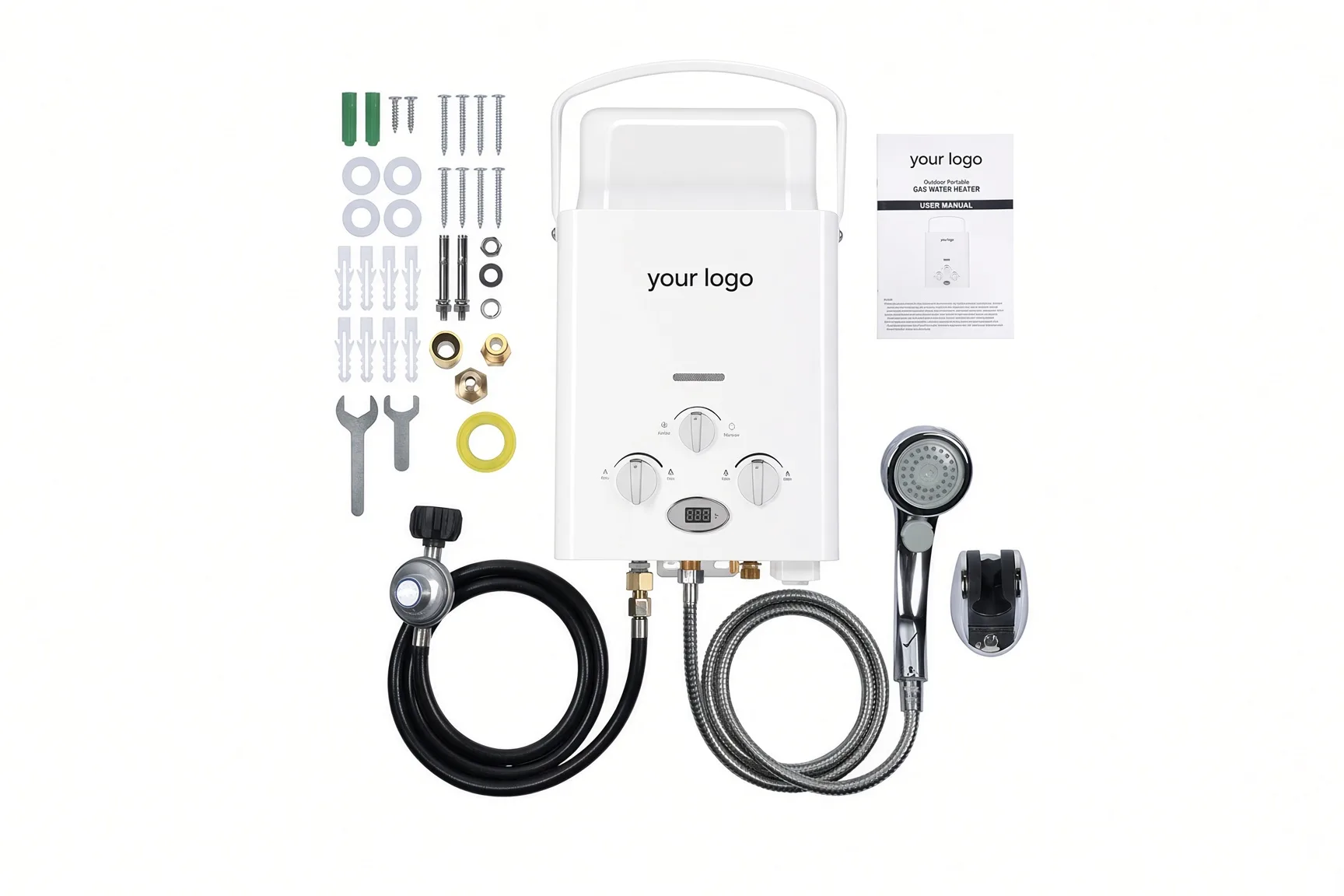
Camping gas water heater

Camping Gas Water Heater Manufacturer,
Private tooling, same line, same QC.

Your own build, not a rebadge: made to your drawing, certified for the market it lands in, packed complete for the shelf, and a sample in your hands in 10–18 days.

6 kW
heat input
2500–4000 mAh
battery pack
IPX4
enclosure rating
PA66+GF
housing resin

Where it goes

Where this build
gets used.

The same unit, three jobs. What changes between them is who is drawing the water and how far it has to travel — not the machine.

View from inside a tent towards a mountain lake at first light
Weekend to a week

Pitch and basecamp

  • A wash, a shower and the dishes off one bottle
  • Water at the pitch, not a walk to the block
  • The whole camp washes before dinner, in turn

Roof-tent vehicle camped on a canyon rim at dusk
Where the track ends

Vehicle and overland

  • Packs into the same bay as the rest of the kit
  • Set up where you park, not back at a hook-up
  • A shower after a day on the track, with the vehicle left packed
Tent pitched on grass beside a lake at sunset, the scene the camping build is sold into
Off-grid work

Field and job site

  • One unit covers a crew hand-wash point
  • Draws off the site bottle, same as the stove
  • A working day of washing without a refill

What this build is

Everything the unit is,
before you commit.

Where it goes, what it runs from, what it is built out of, and how it is operated.

Sized to go where a fixed line will not

One person carries it, and it runs wherever it is put down.

  • 400 × 170 × 318 mm, 6.1 kg
  • 6 kW of heat input off a single camping bottle
  • Stands on the ground, sits on a tailgate, or packs into a shallow bay

Runs with no mains and no generator

Ignition is the only thing on the unit that draws power.

  • 2500 or 4000 mAh pack, recharged off 12 V
  • 80–120 minutes of run time on one charge
  • Field-replaceable — a spent cell is a battery change, not a dead unit

Built to survive being outside

A moulded resin shell, not a painted steel box.

  • PA66+GF housing — no coating to chip or rust
  • IPX4 across the enclosure, including the burner
  • Rain on the unit and a wet bench are not failures

Ready to run with no installation

No plumbing run and no wiring to install.

  • Water in and out on a hose tail with a quick-connect
  • Gas through a hose-mounted regulator — propane or LPG
  • Handle and bracket points are moulded into the shell

The specification

Measured to the millimetre,
specced to the order.

Every figure this build ships to, the dimensions an installer works from, and the connections it arrives with — the reference a buyer reads against a PO.

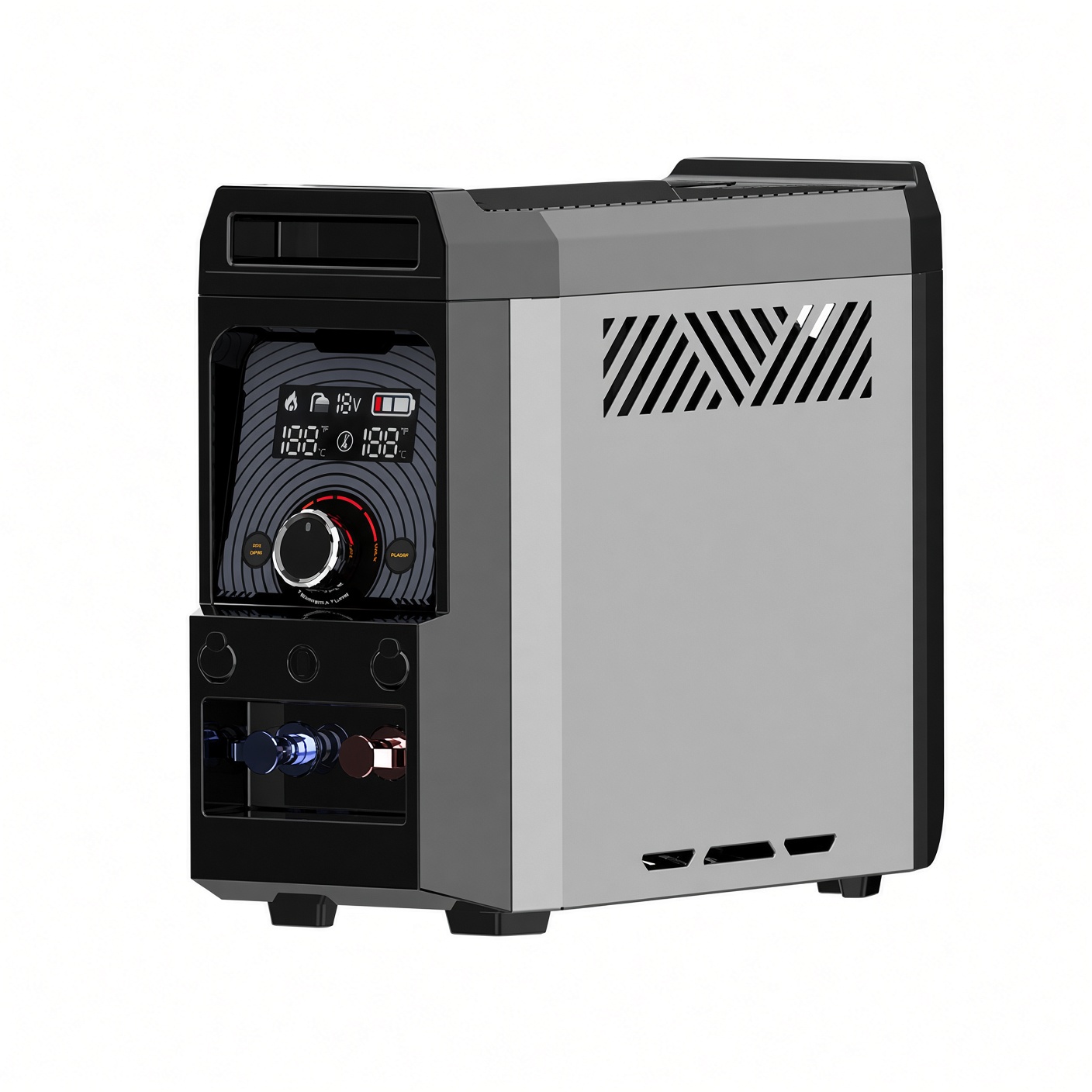
Gulfstone camping gas water heater, three-quarter view showing the display panel, control dial and water connections
Temperature rise
0 K15 K30 K45 K60 K1234Comfortable shower2.2 L/min · 39 KRated flow3 L/min · 29 KWarm wash3.6 L/min · 24 K

Flow · litres per minute

Inlet water at 15 °C. The curve shape holds across the range — only the rated power changes.

Production specification for the Gulfstone camping gas water heater: values listed beneath their field names.
DimensionsWidthHeightDepthGas and combustionHeat inputGas consumptionGas type
400 mm318 mm170 mm6 kW20 MJ/hPropane / LPG
Gas settingWaterWater flowElectricalIgnitionSystem voltageBatteryBattery life
Market-specific, locked at build2.2–3 L/minBattery, no mains wiringDC 12V2500 / 4000 mAh80–120 min
BuildHousingNet weightEnclosure ratingConnectionsWater in / outGas inletMounting
PA66+GF6.1 kgIPX4Hose tail, quick-connectRegulator, hose-mountedHandle and bracket points on the shell
Production specification for the Gulfstone camping gas water heater: values listed beneath their field names.
DimensionsWidthHeightDepth
400 mm318 mm170 mm
Gas and combustionHeat inputGas consumptionGas type
6 kW20 MJ/hPropane / LPG
Gas settingWaterWater flowElectricalIgnition
Market-specific, locked at build2.2–3 L/minBattery, no mains wiring
System voltageBatteryBattery life
DC 12V2500 / 4000 mAh80–120 min
BuildHousingNet weightEnclosure rating
PA66+GF6.1 kgIPX4
ConnectionsWater in / outGas inletMounting
Hose tail, quick-connectRegulator, hose-mountedHandle and bracket points on the shell

A field the source sheet leaves unspecified for this build is not carried as a dash here. If a figure you need is missing, ask and we will confirm it against the production sheet.

In the field

Built to cut out
before it becomes a claim.

Overheat, tilt and dry-burn cutouts, and the control face your end customer actually touches. On a gas appliance the protection answer is what your compliance people ask first, so it is set out here rather than buried in a feature list.

Overheat protection

The outlet is watched, and the gas is cut before the water runs past the temperature you set.

Tilt protection

A unit knocked off a tailgate stops firing rather than running on its side.

Dry-burn protection

No water in the exchanger means no flame — the failure mode that kills an unfed portable heater.

And how it is operated

One-touch start

A single press lights the burner — no hold-and-purge sequence at the unit.

Display panel

The control face shows the state the unit is in rather than a bare dial.

Set-and-leave

Flow and outlet are set once at the start of a session and the unit runs to that.

Lakeside camp at sunset, the pitch the camping build is used on

Before you go further

A short brief is enough: where it lands, and how many a year.

Three cutouts answer the field; the checks behind them answer your compliance people — those are below. Send market and volume, and the reply is a cost direction and a sampling plan.

Evidence

Checked at the gate,
and handed over as a file.

What is verified before a unit is packed, and what you receive to put in front of your own compliance people. Neither is a claim about a certificate — it is what the shipment arrives with.

01

Incoming material

Metals and gas-path parts checked against specification before they reach a line.

02

Dimensional and fit

Cut-outs and fittings checked to the drawing the order was built from.

03

Combustion

Burn-in run on the unit, so the flame is proven before the enclosure is closed.

04

Gas safety

Over-ignition and flame-out checked on the assembled gas path.

05

Drain and freeze

Residual-water check, because a trapped charge is what cracks an exchanger.

06

Export pack

Carton and drop check against the pack the container will actually carry.

In the shipment file

  • Approvals evidence for the locked configuration
  • In-house test records from the gate checks
  • Certificate of origin and the FOB documents
  • Packing list and the units-per-container calculation
  • Spec sheet to the production figures
  • Manuals and artwork in the destination language

OEM / ODM

Your design.
Our line.

Your own mark, from a drawing to a shipping container: what moves, and what stays fixed.

  1. Private shell tooling and mould review against a locked drawing
    01

    Private tooling, when the shape has to be yours

    A private tool changes the part itself rather than the mark on it. It is quoted against your drawing once that drawing is locked.

    • Part and handle tooling, quoted against the locked drawing
    • Tolerance stack and DFM notes settled before any tooling is cut
    • Your IP covered under NDA ahead of the first drawing
    • The platform stays available if the shape does not need to change
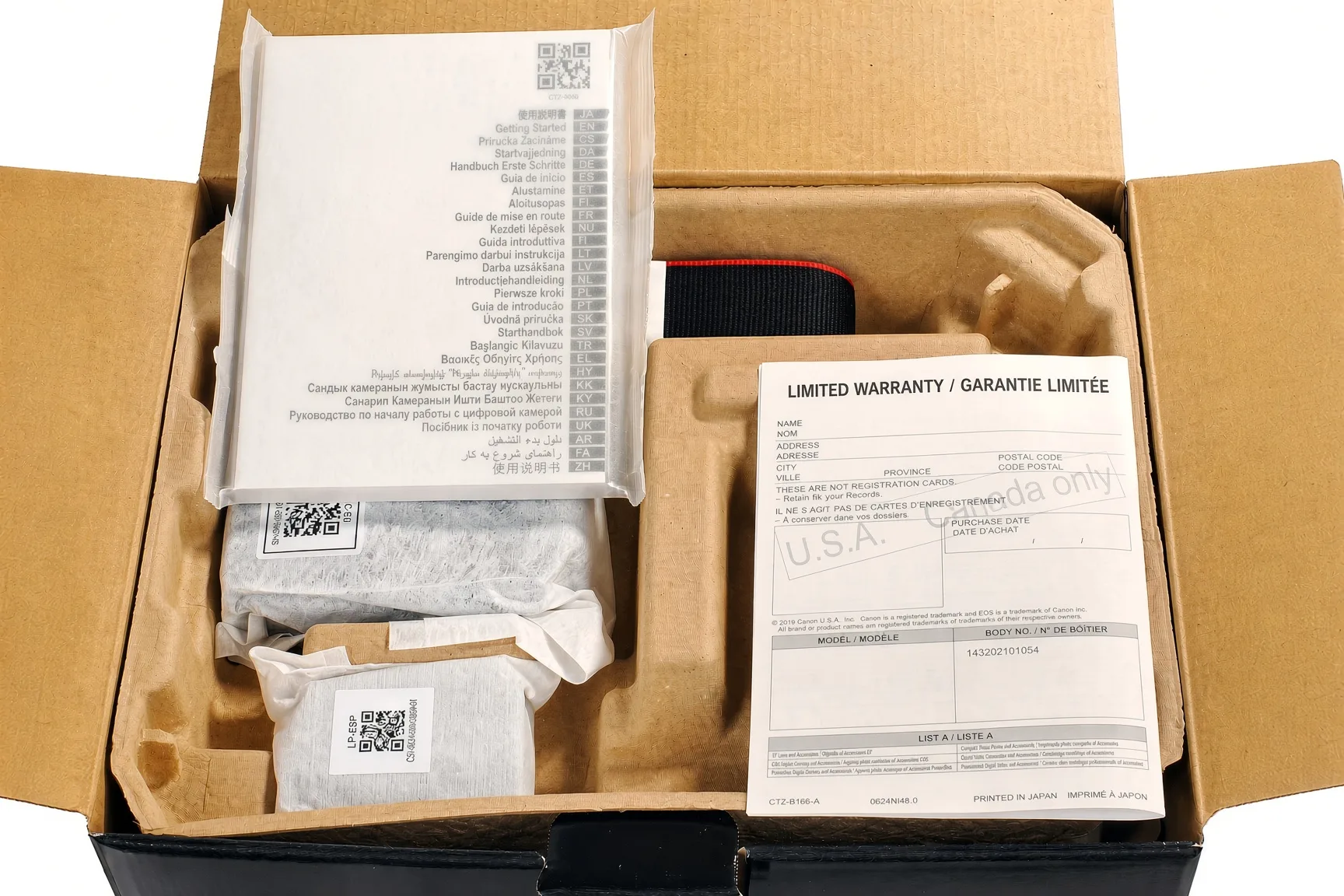
  2. Multi-language manuals and spec sheets packed for the receiving market
    02

    Literature written for the market it lands in

    A manual is a compliance document in most markets, not a leaflet — so it is written for the destination rather than translated after the fact.

    • Multi-language manuals written to the receiving market
    • Spec sheet supplied alongside, to the production figures
    • Artwork and warnings set to the market's own requirements
    • Supplied with the pack, so nothing is added after arrival
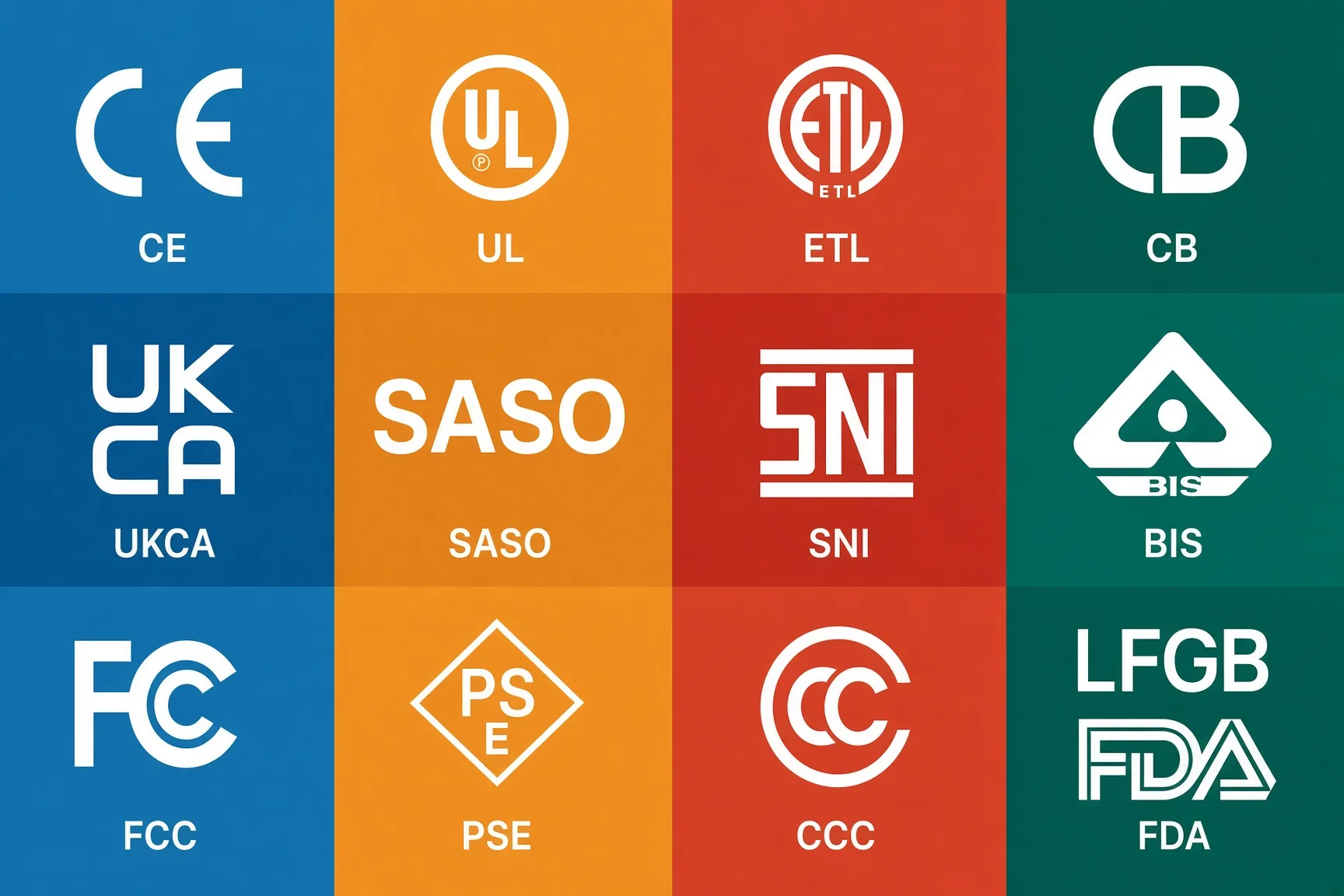
  3. Certification and approvals paperwork for a camping gas water heater build
    03

    Set to the market, certified with the unit

    The gas setting and the certification scope are fixed at build, against the market you are selling into — not adjusted at the destination.

    • Gas setting locked at build for the destination market
    • Certification scope mapped before the order, not applied for after it sails
    • The certified unit is the unit that ships — no post-arrival conversion
    • Approvals evidence held against the locked configuration
  4. Cartons and branding samples for an own-brand camping gas water heater run
    04

    Your mark on the unit, from the first order

    Colour, logo, carton and manual all move without tooling spend, so a first order does not have to fund a mould to carry your brand.

    • Housing colour to a Pantone or RAL target
    • Moulded in, not painted — the shell is resin, so the colour is in the part
    • Logo on the unit and the carton, with barcode and hero art to your channel
    • Retail-ready packaging built to the shelf it lands on

Terms and evidence

The terms, in writing,
and what ships with them.

The terms as they will read on the order, and the documents that travel with the container.

Sample
10–18 days
A physical approval unit on the real housing. Approving it locks colour, gas setting and pack onto the order.
Payment
30% deposit, 70% before shipment
What starts the run and what releases the container, fixed in writing rather than agreed at the port.
Load port
Nansha · Yantian
FOB out of Guangdong. Cube advice is run against your actual carton before you commit the order.
Warranty
24 months
Free warranty service including maintenance, written on the order rather than offered as goodwill.
Returns
30 days
Replace or refund on a returned unit, not negotiated one at a time.
Response
24–48 hours
A factory answer on a batch complaint, not a holding reply.

Buyer voices

What came of the last two programs on this build

Two buyers on the camping build — a second price point off one platform, and the protection check an importer runs before the first shipment.

“Two brands, one container, and neither one undercut the other.”

The brief was a lower-shelf unit that would not cannibalise the one above it. Gulfstone kept both on one platform and dropped the constant-temperature control from the lower build — same exchanger, same gas path, same ignition.

Both lines shipped in one 40-ft, split by SKU. Two brands, one PO, one supplier relationship — and the second price point landed 22% under the hero SKU without touching its volumes.

Dirk Aalders, Category Manager at a European outdoor equipment distributor
Dirk AaldersCategory Manager at a European outdoor equipment distributor
“The protection list is what our importer asked about first — and it held.”

Compliance opens every meeting with what the unit does when it fails. Gulfstone sent a unit for our own bench check: all three cutouts tripped and matched the sheet, and it reached us in 12 days rather than the 6 weeks we had budgeted for.

The bench check cost one call and one sample against the 4 months we usually allow, and the certification file cleared both markets with the first shipment — no second round of paperwork, no held container.

Priya Raman, Purchasing Lead at a European home and outdoor importer
Priya RamanPurchasing Lead at a European home and outdoor importer

Questions on this build

What buyers ask about this model

The five questions that only come up on this build — the control difference, the power source, the feed and the gas supply.

01Does this build need mains power?
No. Ignition runs off the battery pack and nothing else on the unit draws power, so it works with no hook-up and no generator. The pack is field-replaceable, which makes a pack that will not hold charge a battery change rather than a dead unit.
02How does this build differ from the constant-temperature one?
The constant-temperature build holds the outlet at the temperature you set. This one does not — you set the flow and the flame, and the outlet follows the water going in. Same heat exchanger, same gas path, same ignition; the control is the difference, and it is what puts this build at the bottom of the range.
03What water pressure does it need?
The production sheet does not specify a figure for this build, so we do not publish one rather than estimate it. Tell us how you intend to feed the unit — gravity tank, pump or mains — and we will confirm the working range against your setup before you order.
04Can it run from a standard camping gas bottle?
Yes. It runs on propane or LPG through a hose-mounted regulator. The gas setting is locked to the destination market and certified with the unit rather than adjusted after arrival, so the bottle and the certification stay matched.
05What changes when the program is ours?
Colour, branding, carton, manuals, gas setting and certification scope all move on this build with no tooling spend. A private shell or handle mould is quoted separately once the drawing is locked. The range page carries the three-state comparison across all four builds.

Start a program

The brief goes to the engineer who builds it.

Market, annual volume and the certification it must carry — three lines, and we have what we need. Your reply comes from the engineer who would run the line, scoped to your program rather than matched off a shelf.