Product and DFM Engineering
Reading a drawing for what will actually be hard to make — the cut-out, the gas path, the tolerance stack — before the tooling is cut rather than after.

Author
Co-founder & General Manager, Gulfstone
Most of what decides a gas appliance is settled before anything is built — on the drawing, at the cut-out, in the tolerance someone chose for the gas path. I have spent my working life on the manufacturing side of that decision, and this is where I write down what it has taught me.
Nothing here is written from a sales desk. Every note comes off the floor: a batch held until a reason was found, a fitting that failed in transit, an approval path that only made sense once the destination market was fixed. If you read these first, the opening conversation starts at the standard rather than at the beginning.
Areas of expertise
The parts of a program I am usually the one to sit in on with a buyer, and what each one changes downstream.
Reading a drawing for what will actually be hard to make — the cut-out, the gas path, the tolerance stack — before the tooling is cut rather than after.
Which approval a destination market requires is a decision to make before the build is fixed, not after: the answer reshapes the gas path, the labelling and the file pack that ships with the unit.
Shell and handle moulds, colour matched to Pantone or RAL, branded carton and multi-language manuals — a line that is the buyer’s own down to the box.
How a supplier is read before a program is placed, and how a standard is set and held through a run — the questions I ask on a first plant visit.
Working principles
Four convictions that hold across every build, whatever the product or the market.
A technical question is answered on the floor, not at a desk. The feedback a buyer gets comes from whoever would actually build the unit.
Quality is a figure and a method agreed before the run — not a word on a purchase order. A target that was never written down cannot be met or missed.
Nothing changes hands on trust alone. What was decided, by whom and against which spec travels with the program, from the drawing to the container.
The record a buyer needs later is produced while the work happens, so the file is already there when the question comes — not assembled afterwards.
Articles by Forward
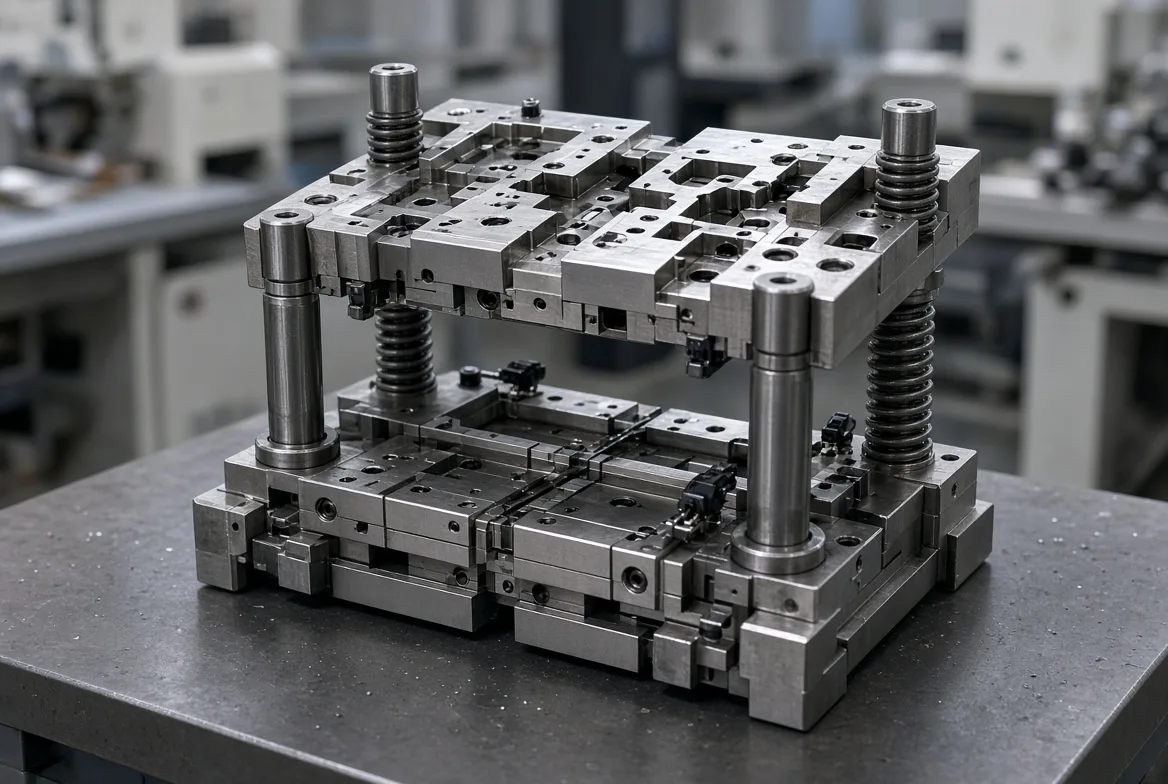
Sheet metal stamping tooling costs and lead times vary with station count, part size, material and volume. Compare die types, tryout loops and the terms that protect your tool.
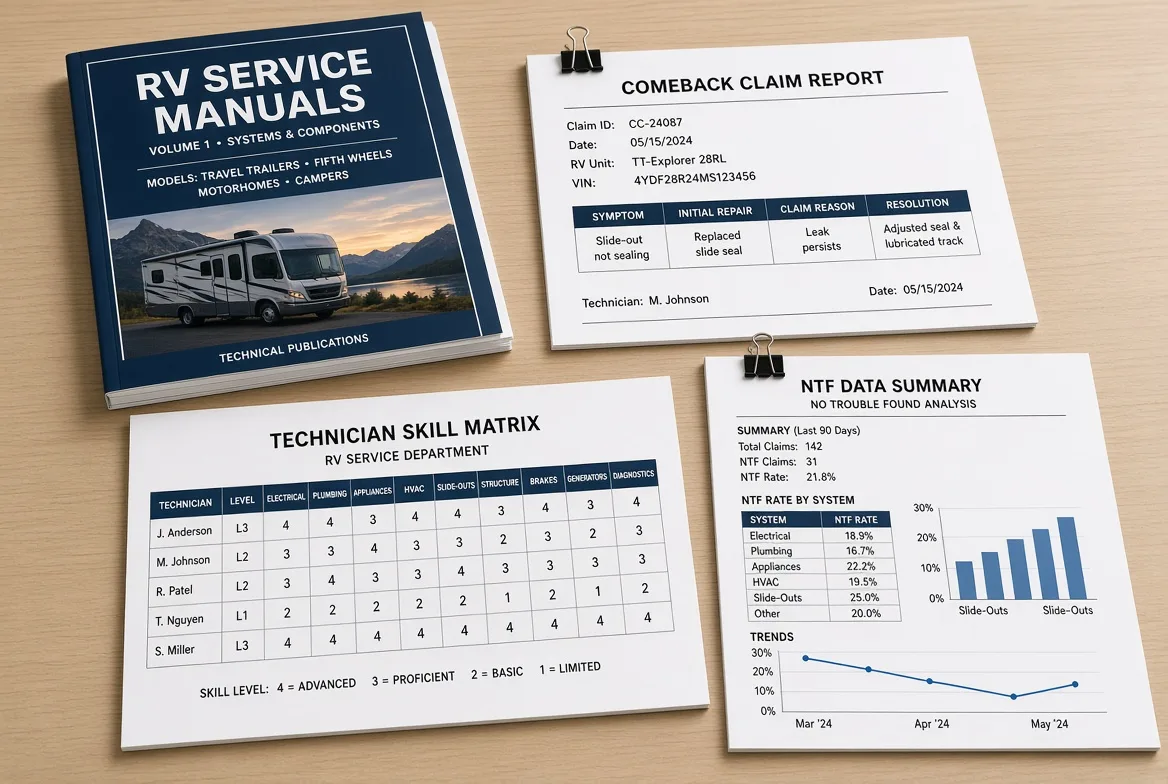
Build effective RV technician training material focused on fault isolation. Learn how to cut misdiagnosed returns and build hands-on diagnostic modules.
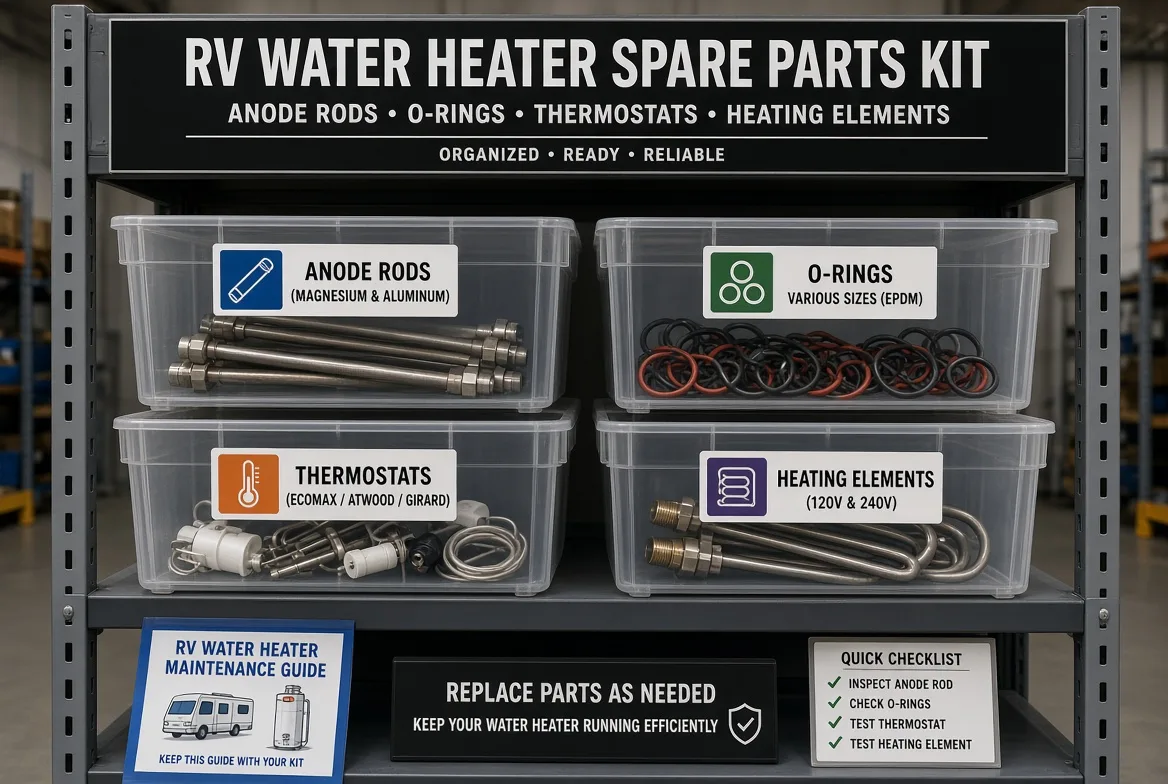
Build a lean, high-coverage RV water heater spare parts kit using failure data and cross-reference matrices. Learn how to optimize fleet inventory today.
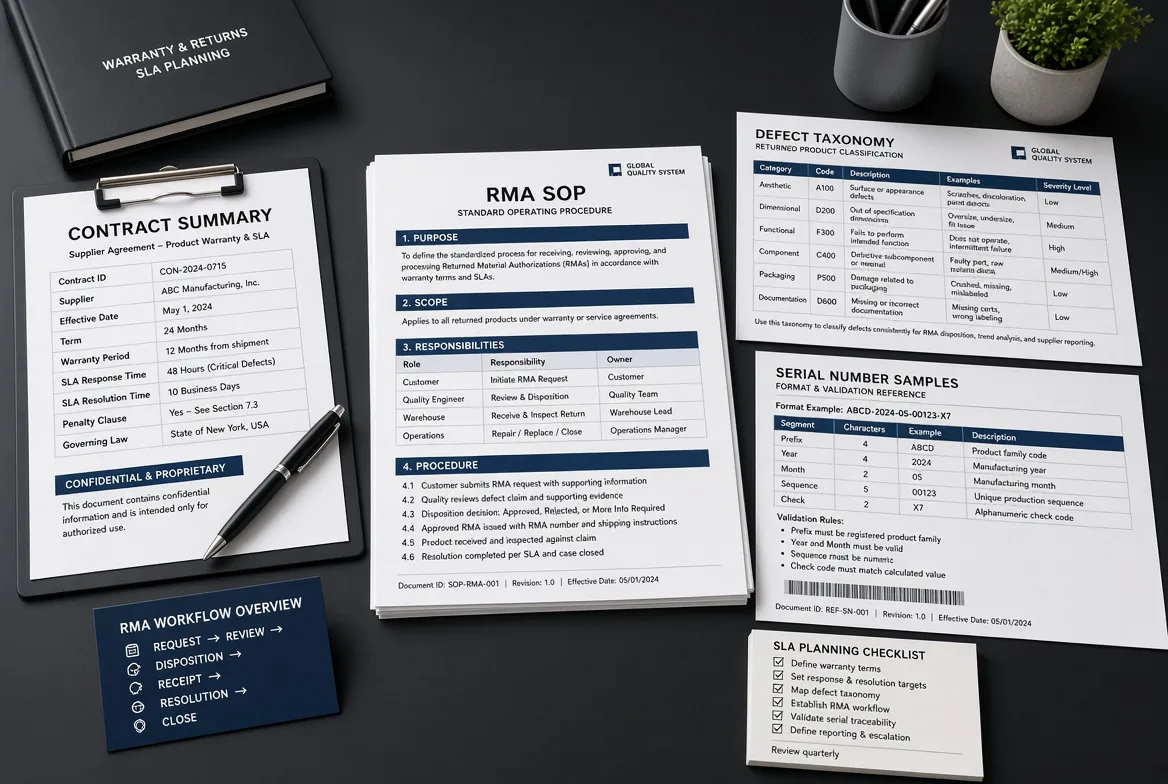
Build a warranty SLA for imported appliances: a local remedy ladder, scrap-in-field intake, bilingual contract clauses and monthly claim governance to hold suppliers accountable.
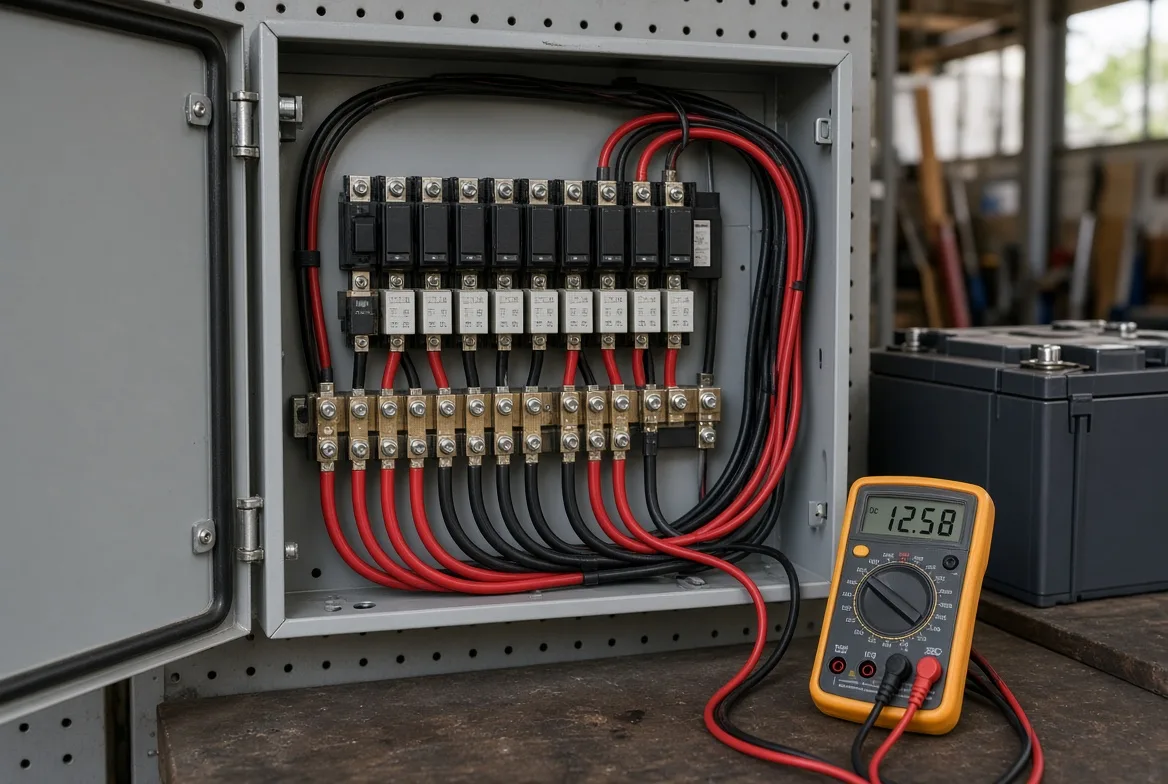
Learn native DC RV appliance design, load mapping, wiring rules & compliance. Avoid voltage sag and procurement traps for your OEM RV electrical build.
Ask the author
A drawing, a market or a fitment question reaches the engineer who would build the unit — the same person who writes here.