Product and DFM engineering
Reading a drawing for what will actually be hard to make — the cut-out, the gas path, the tolerance stack — before the tooling is cut rather than after.

Author
Founder & CEO, Gulfstone
Most of what decides a gas appliance is settled before anything is built — on the drawing, at the cut-out, in the tolerance someone chose for the gas path. I have spent my working life on the manufacturing side of that decision, and this is where I write down what it has taught me.
Nothing here is written from a sales desk. Every note comes off the floor: a batch held until a reason was found, a fitting that failed in transit, an approval path that only made sense once the destination market was fixed. If you read these first, the opening conversation starts at the standard rather than at the beginning.
Areas of expertise
The parts of a program I am usually the one to sit in on with a buyer, and what each one changes downstream.
Reading a drawing for what will actually be hard to make — the cut-out, the gas path, the tolerance stack — before the tooling is cut rather than after.
Which approval a destination market requires is a decision to make before the build is fixed, not after: the answer reshapes the gas path, the labelling and the file pack that ships with the unit.
Shell and handle moulds, colour matched to Pantone or RAL, branded carton and multi-language manuals — a line that is the buyer’s own down to the box.
How a supplier is read before a program is placed, and how a standard is set and held through a run — the questions I ask on a first plant visit.
Working principles
Four convictions that hold across every build, whatever the product or the market.
A technical question is answered on the floor, not at a desk. The feedback a buyer gets comes from whoever would actually build the unit.
Quality is a figure and a method agreed before the run — not a word on a purchase order. A target that was never written down cannot be met or missed.
Nothing changes hands on trust alone. What was decided, by whom and against which spec travels with the program, from the drawing to the container.
The record a buyer needs later is produced while the work happens, so the file is already there when the question comes — not assembled afterwards.
Articles by Forward
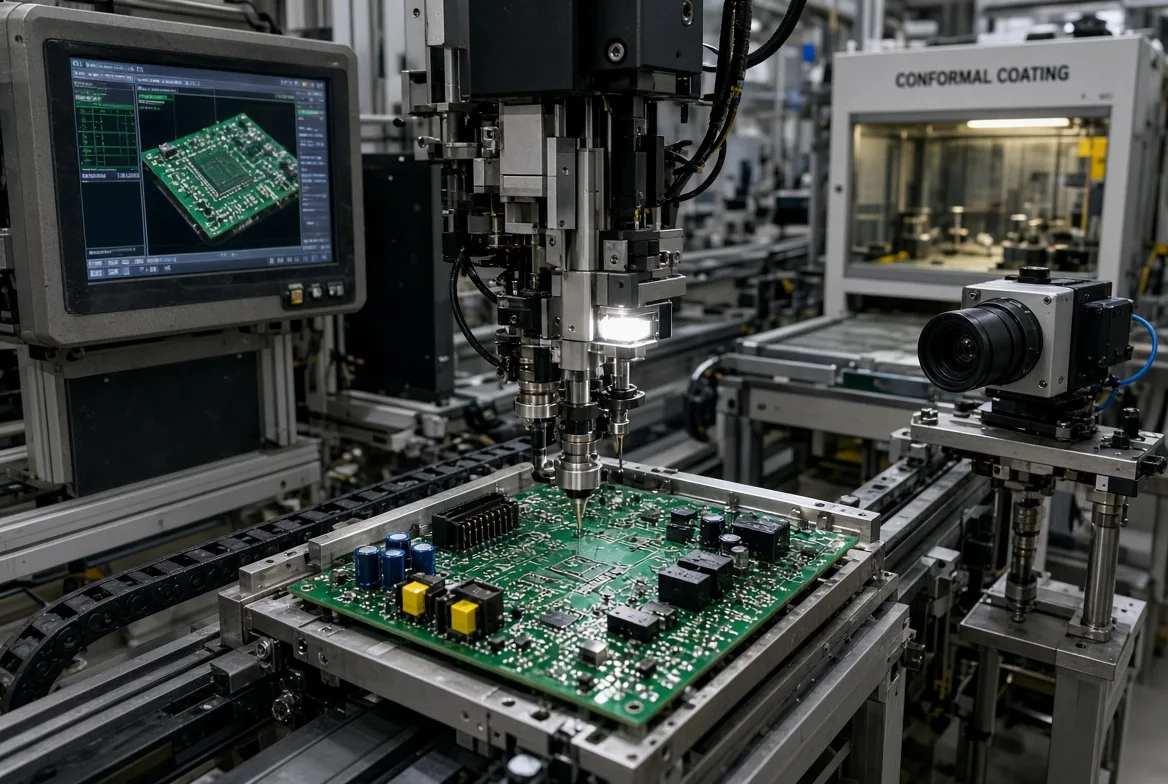
Walk the RV water heater manufacturing process stage by stage — the freeze gate, progressive stamping, tank rolling, welding, vacuum brazing, the SMT control line and the 100% final test — from a Foshan plant floor.
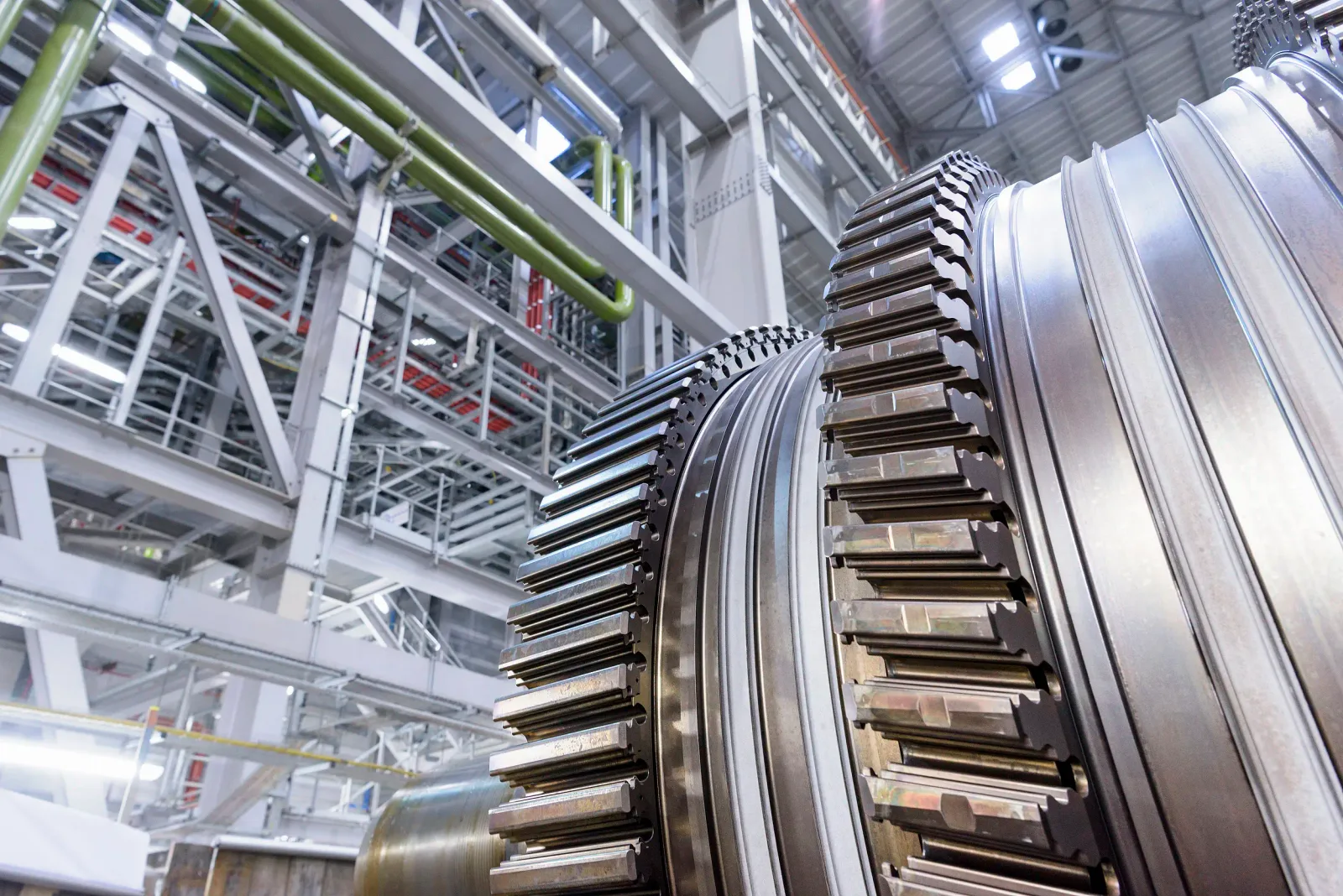
Hidden subcontracting puts OEM gas programs at risk when safety-critical sub-assemblies move off-site. How unannounced audits and capacity math expose it.
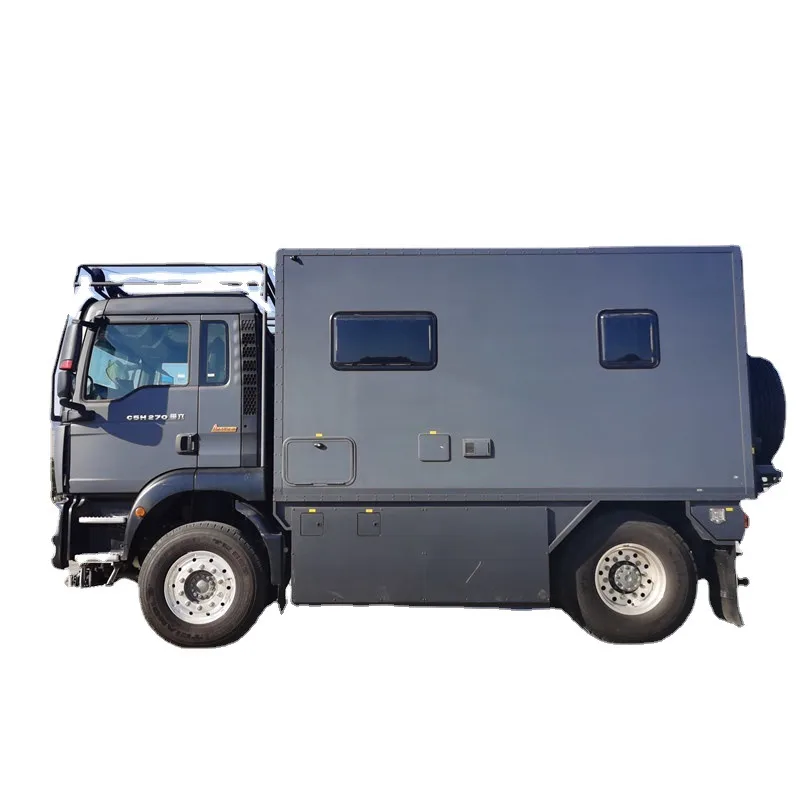
Vet an RV appliance manufacturer in China with a five-gate audit: entity checks, the document chain, floor controls and a witnessed end-of-line safety test.

Audit an OEM gas appliance testing laboratory before you approve production: the five-step pre-submission SOP, the calibration traps, and the standard each market runs on.

Enhance system efficiency with an OFHC copper heat exchanger designed for high conductivity, precise fabrication and dependable joints. Explore practical design factors.
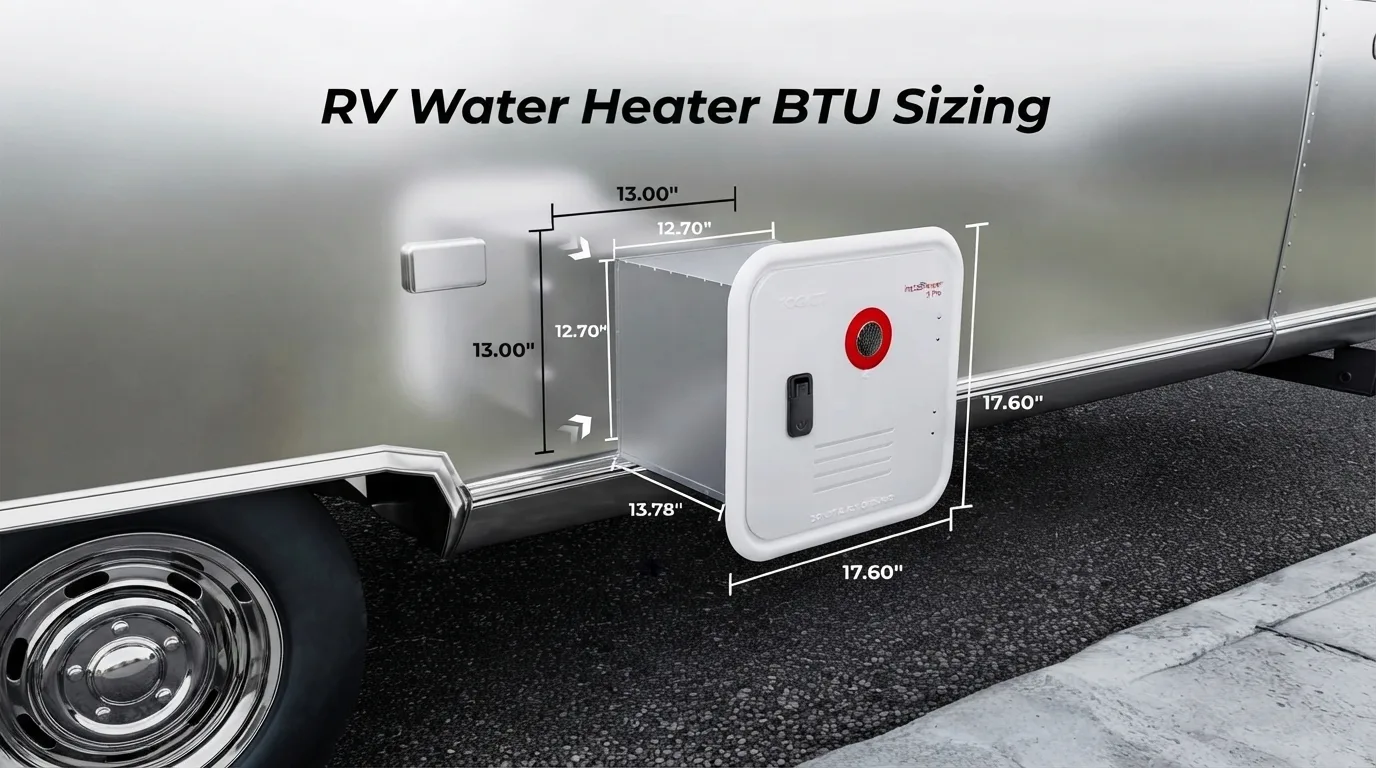
Choose the right RV water heater BTU rating by reviewing flow, temperature rise and propane capacity. Improve system fit and reduce avoidable service issues.
Ask the author
A drawing, a market or a fitment question reaches the engineer who would build the unit — the same person who writes here.