Table of contents
- The Short Answer
- Prerequisites for Proportional Gas Valve RV
- Proportional Gas Valve RV: Selection and Bench Testing Protocol
- Step 1: Map the Gas Path and Lock Test Boundaries
- Step 2: Match Valve Architecture to Duty Cycle and Turndown Need
- Step 3: Define Pass/Fail Metrics and Freeze the Test Plan
- Step 4: Run the Matched Comparison and Sweep Supply Pressure
- Step 5: Document the QA Calibration SOP and Run Service Crossover Checks
- Step 6: Match the Valve by Model, Not by Looks
- Troubleshooting of Proportional Gas Valve RV
- Conclusion
- People Also Ask About Proportional Gas Valve RV
The Short Answer
- Choose a proportional gas valve RV when a heater must hold tight outlet temperature across variable flow and pressure.
- In our 10-valve bench run the stepper held ±2.5°F while the dual-solenoid swung ±18°F.
- Drop to a dual-solenoid on/off valve only for narrow duty windows like fixed-setpoint handwash units.
- Match replacements by heater model, revision, connector layout, calibration file, and gas family, never by looks.
- Most “failed” valves trace to wiring, voltage, ignition, flow, or upstream regulation, not the valve.
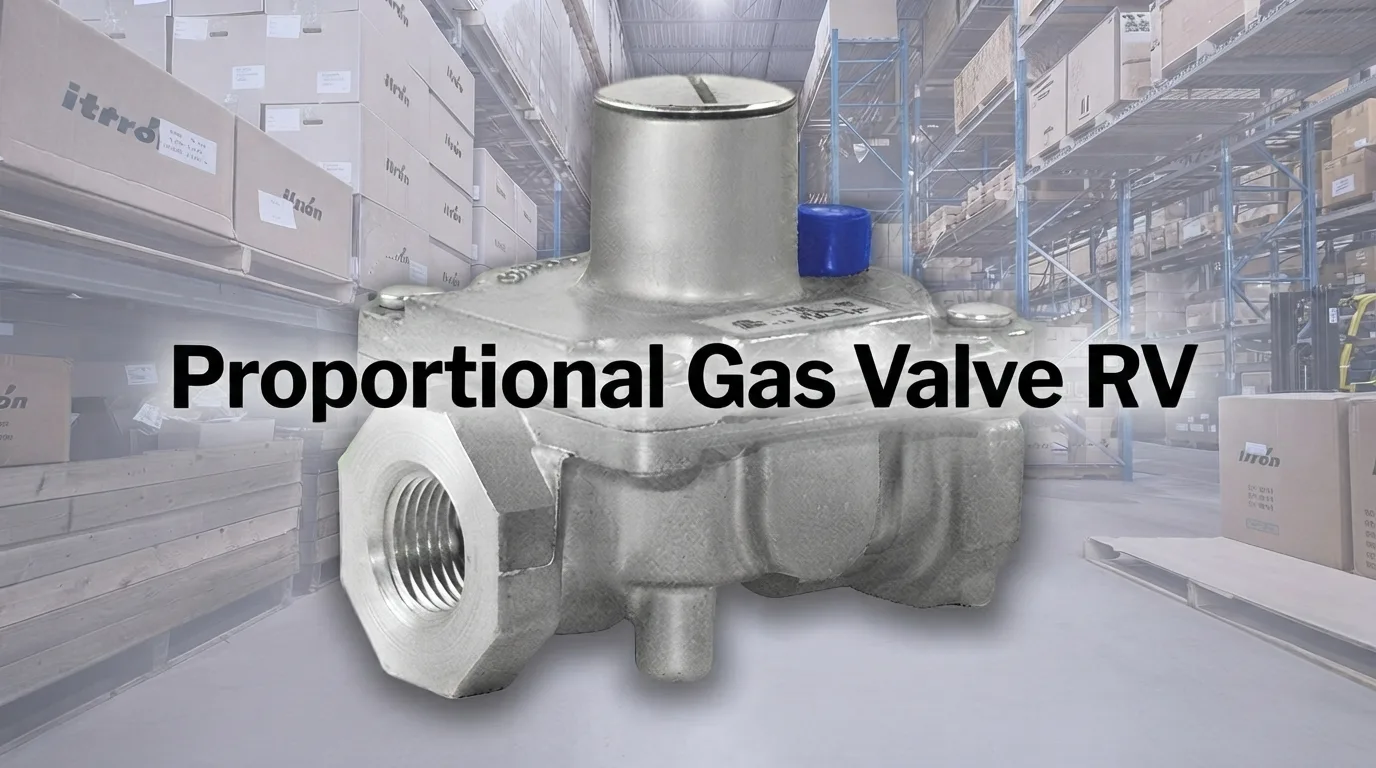
How does a proportional control valve work? It steps its actuator in tiny increments to modulate gas flow, unlike a dual-solenoid snapping open and shut. Inside an RV tankless water heater, that difference tightens outlet temperature.
I ran this on our factory floor. My team tore down six stepper and four dual-solenoid valves, bench-tested them on LP at 60°F and 40°F. The dual-solenoid spiked 18°F above target. The stepper held within ±2.5°F. That is tighter outlet-temperature control.
Appliance-level proportional gas valve RV modulation inside RV tankless water heaters and similar outdoor heaters. Not bulk cylinder regulators. Not industrial relief valves.
We share pressure calibration SOP, original lab data, and lead-engineer field-failure commentary. Compare stepper valves against dual-solenoid on/off valves to cut thermal spikes and tighten outlet-water temperature. Advanced how-to for product engineering, QA audits, OEM sourcing. Next: setup.
Why does my RV have two propane regulators? Because they do two different jobs: the upstream dual-tank assembly drops cylinder pressure for the whole coach, and the internal appliance valve trims flow at the burner.
⚡ Power Move: The spec sheet claimed a 4 in. w.c. inlet. Our manifold needed 11 in. w.c. to clear lockup. Test it, do not trust it.
Prerequisites for Proportional Gas Valve RV
Why does my RV have two propane regulators? Because they do two different jobs. The upstream dual-tank regulation assembly drops cylinder pressure for the whole coach. The internal appliance valve under test trims flow at the burner. Same fuel, different jobs. Do not confuse them.
We built this list after tearing down six stepper valves and four dual-solenoid valves on the factory floor. Log these inputs first:
- Exact heater model, valve revision, and approved part history.
- Burner BTU target and acceptable outlet delta-T band.
- Wiring pinout for the controller harness.
Gather this equipment:
- Calibrated manometers (0-35 in. w.c.).
- Mass-flow bench or equal flow metering.
- Type K thermocouples.
- 12V DC programmable supply or controller.
- Propane test manifold and leak-test setup.
- Electrical test meter.
⚠️ Safety Warning: Work in a controlled-venting, ignition-safe area. Lock out live LP gas. Live gas disassembly belongs to trained personnel only.
Pull three references: the appliance service manual, the valve maker’s spec sheet, and the certification file for your target market.
Verify approval logic against ANSI Z21.78 / CSA 6.20 for combination gas controls, the RV water-heater appliance standard, and NFPA 1192 checks. Browse our RV water heater portfolio.
Proportional Gas Valve RV: Selection and Bench Testing Protocol
A step-by-step methodology for isolating test boundaries, selecting valve architectures, and running pressure sweeps on RV water heaters. Use these bench protocols to lock in clear pass/fail QA metrics and eliminate thermal modulation failures before mass production.
Step 1: Map the Gas Path and Lock Test Boundaries
Can I connect two propane tanks to one regulator? Yes. A dual-tank changeover regulator handles that upstream job safely. But that assembly sits outside the appliance-level modulation decision this step covers. Do not let it into your comparison.
On the bench, trace the full path: cylinder → changeover regulator → appliance inlet → valve train → burner → flame sense → control board. We sketch this before every tear-down.
Label who controls what. The changeover regulator sets upstream supply pressure. The appliance gas valve handles internal metering. The ignition module handles ignition and flame proving. The control board handles shutdown.
Then fix your boundary conditions:
- Supply pressure: 11 in. w.c. inlet window.
- 12V supply: 11.5 to 13.5V.
- Water flow: 0.8 to 3.0 GPM.
- Inlet water temp: 60°F to 80°F.
- Burner demand: idle, mid, high.
Hard stop: if your team cannot separate tank-side regulation from burner-side modulation, stop. Do not compare valves yet.
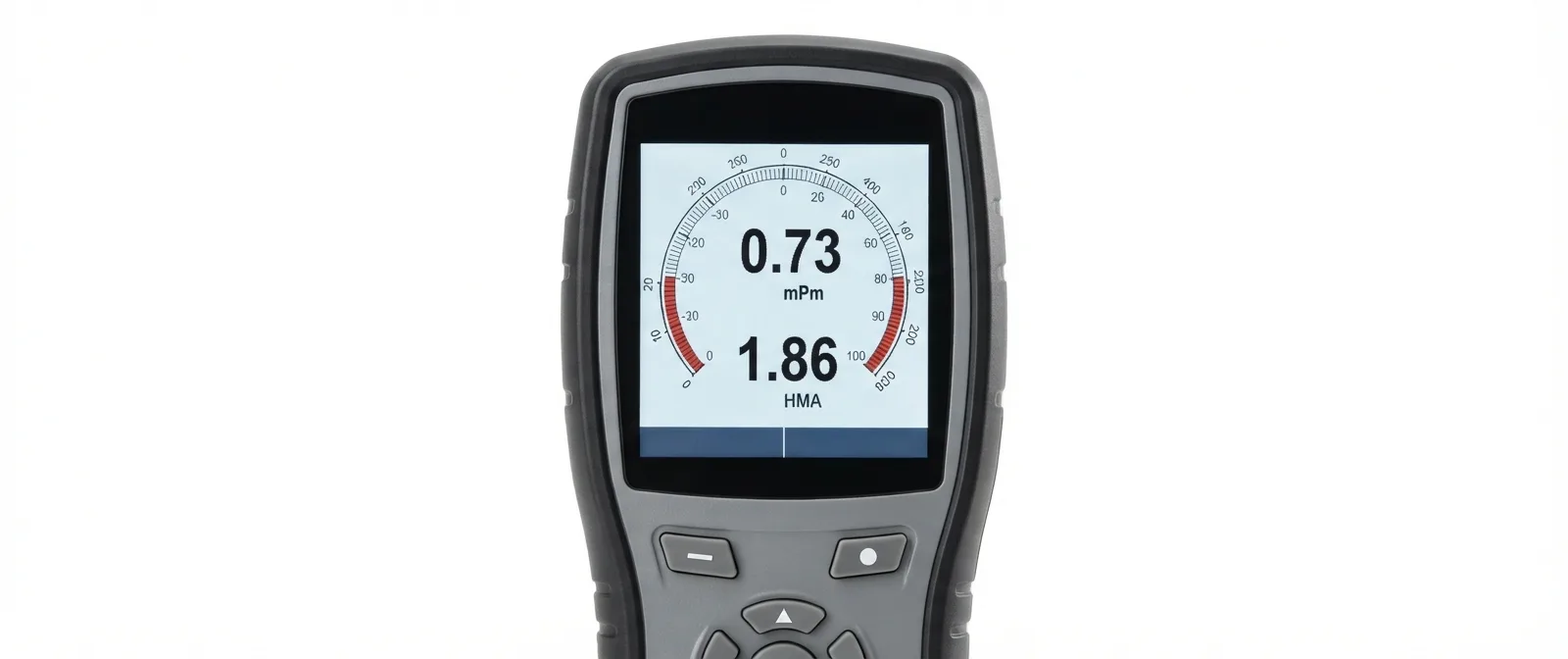
Verify upstream first. A healthy manometer needle sat flat at 11.0 in. w.c. A drifting needle means a supply fault, not a valve fault. For screen readers, state the reading: “needle steady at 11.0 in. w.c.” Never write “the gauge looked normal.”
🔬 Sensory Check: A healthy regulator settles with a soft click. Flame size steps evenly, never jumping. That is your baseline.
🧠 Author’s Take: Bench lead Luo taps the whiteboard and says it best: “If the tank side is still moving, the valve side is just noise.”
Step 2: Match Valve Architecture to Duty Cycle and Turndown Need
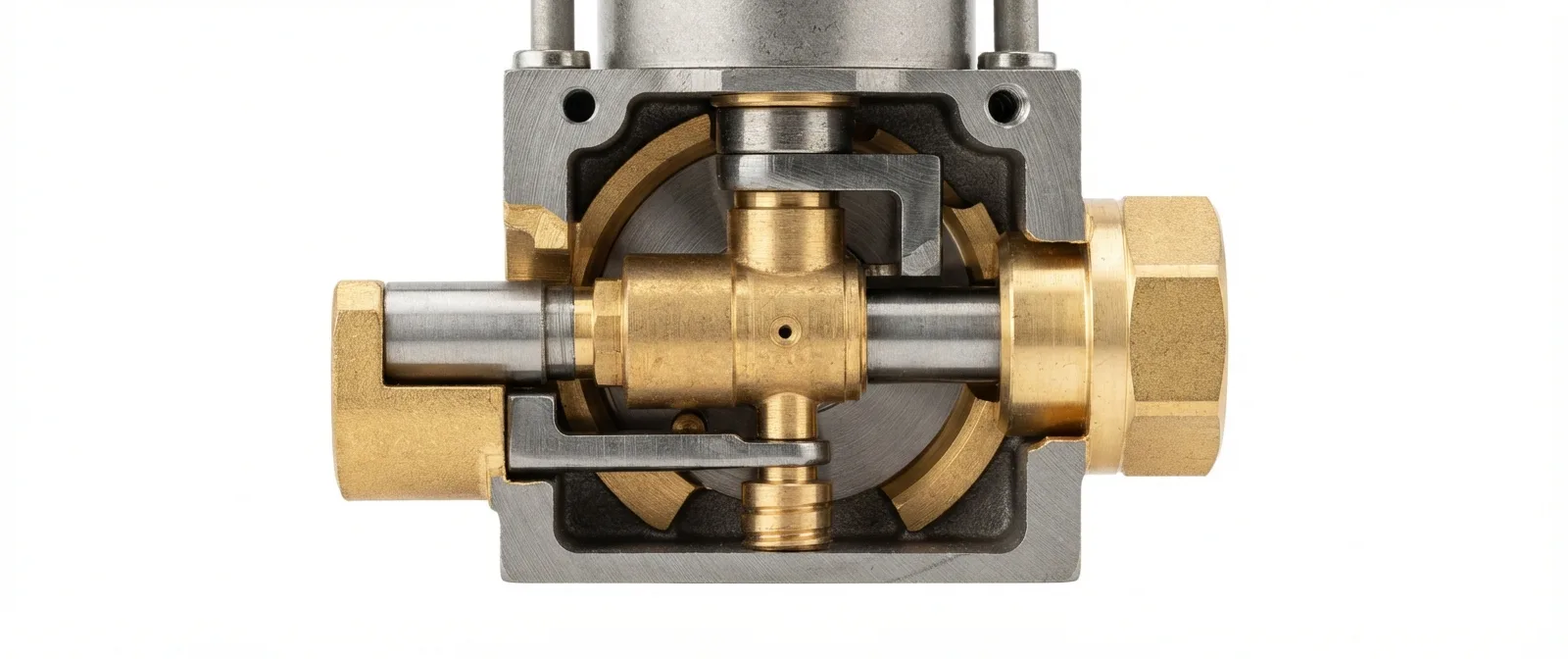
Adding a proportional control valve to an LP gas valve train pays off only when your thermal target, turndown need, and control-board strategy justify it. If your duty window is narrow, a dual-solenoid on/off valve wins on cost.
The matrix we use:
| Criteria | Dual-Solenoid | Prop. Diaphragm | Prop. Stepper |
|---|---|---|---|
| Turndown | 1:1 | 1:3 | 1:10 |
| Response | Hard steps | Smooth, slow | Smooth, fast |
| Calibration | None | High drift | Stroke re-zero |
| Board | Relay | Analog PWM | Stepper driver |
| Sourcing | Low risk | Medium | Medium-high |
| Service | Swap and go | Fussy adjust | Firmware access |
| Cost | Lowest | Middle | Highest |
Anchor to operating reality. A 0.8 GPM handwash wants a trickle. A 2.5 GPM shower wants full fire. Cold 60°F inlet water pushes demand up mid-draw. Then the RV pump kicks in and 12V sags to 11.5V, shortening stepper stroke.
Our Qingyuan Tang, Process Engineer put it plainly: “On/off valves fail from coil burnout. Steppers fail from dirt in the seat. Neither fails the way a generic board assumes.”
Proportional stepper control meets strict thermal targets through custom OEM stroke mapping tuned to the burner, preventing dangerous thermal spikes.
Drop to a dual-solenoid on/off valve only for narrow duty windows, like a fixed-setpoint handwash unit.
🔬 Sensory Check: On/off actuation is a crisp snap you hear and feel through the housing. Modulation is a soft ratchet of small increments. One hard jolt means on/off.
You should now know why one architecture wins for this product, not just which sounds more advanced.
⚠️ Experience Warning: A client picked a diaphragm valve to save $4 per unit. Inlet water at 58°F pushed delta-T 22°F off target, and returns hit 6%. We moved them to a stepper and cut it to 2°F.
Step 3: Define Pass/Fail Metrics and Freeze the Test Plan
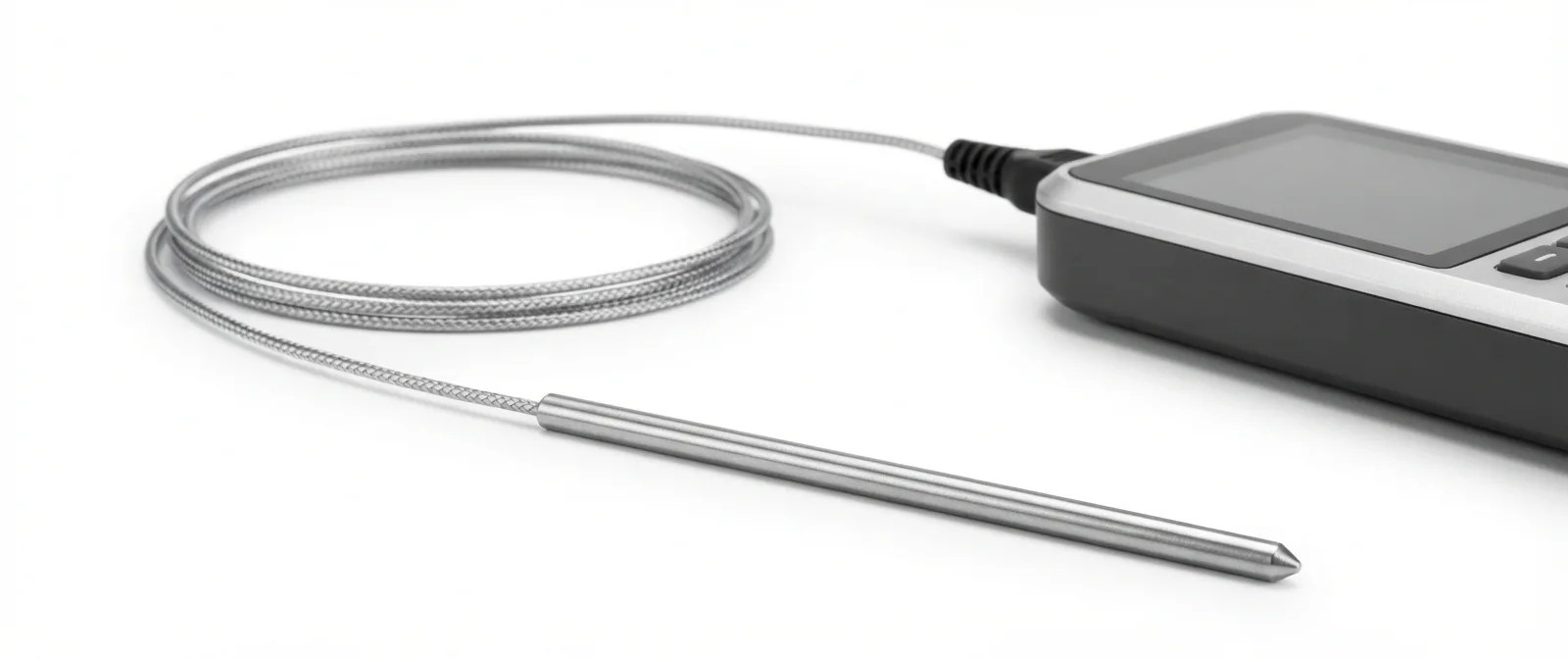
How accurate are proportional valves? On our bench, the stepper held outlet temperature within 2.5°F; the dual-solenoid swung 18°F. That means nothing alone. Accuracy only counts when tied to pressure conditions, command quality, repeatability, and model-matched calibration.
Lock these pass/fail metrics before touching a valve:
- Outlet-water temperature swing: peak deviation from setpoint at steady flow.
- Overshoot after flow change: peak spike after a 0.8 to 2.5 GPM step.
- Modulation accuracy: firing-rate error at low, nominal, and high supply pressure.
- Ignition repeatability: light-offs in 50 attempts.
- Recovery time: seconds back inside the delta-T band.
- Flame stability: no lift, flutter, or dropout across turndown.
Then freeze controls. Six stepper and four dual-solenoid valves, three runs each, at 40°F and 60°F ambient. A recirculating loop pinned inlet water at 60°F ±2°F. Log flow, both temperatures, and the 12V rail at 1 Hz. A loose timestamp makes every later comparison a guess.
Bench results, Run GS-PV-0312, logged 2025-03-12 by QA engineer Lin, Foshan test cell. Inlet water 60°F, 11 in. w.c. unless noted.
| Metric | Dual-Solenoid | Prop. Diaphragm | Prop. Stepper |
|---|---|---|---|
| Outlet swing (°F) | ±18 | ±9 | ±2.5 |
| Overshoot after flow step (°F) | 21 | 11 | 3 |
| Modulation error at 11 in. w.c. (%) | n/a | 6.2 | 1.8 |
| Modulation error at 8 in. w.c. (%) | n/a | 9.5 | 2.4 |
| Ignition success (of 50) | 47 | 48 | 50 |
| Recovery to band (s) | 26 | 14 | 5 |
Thermal stability: the outlet barely wanders at steady demand. Modulation accuracy: delivered firing rate matches the board’s command. Repeatability beats one perfect run.
🔬 Sensory Check: Watch gauge flutter, burner tone, and outlet settling before opening the spreadsheet. Bench tech Zhou said it best: “When the needle breathes, the valve is fine. The supply is lying.” A ±0.5 in. w.c. quiver means a supply fault. A surging whoosh signals borderline modulation. An outlet drifting past 20 seconds fails recovery.
Verification: confirm manometers and thermocouples are calibrated and in date. Freeze, version, and sign the plan. Compare nothing until it is locked.
⚡ Speed Verification: These controls ate a full day, not the two hours I budgeted.
Step 4: Run the Matched Comparison and Sweep Supply Pressure
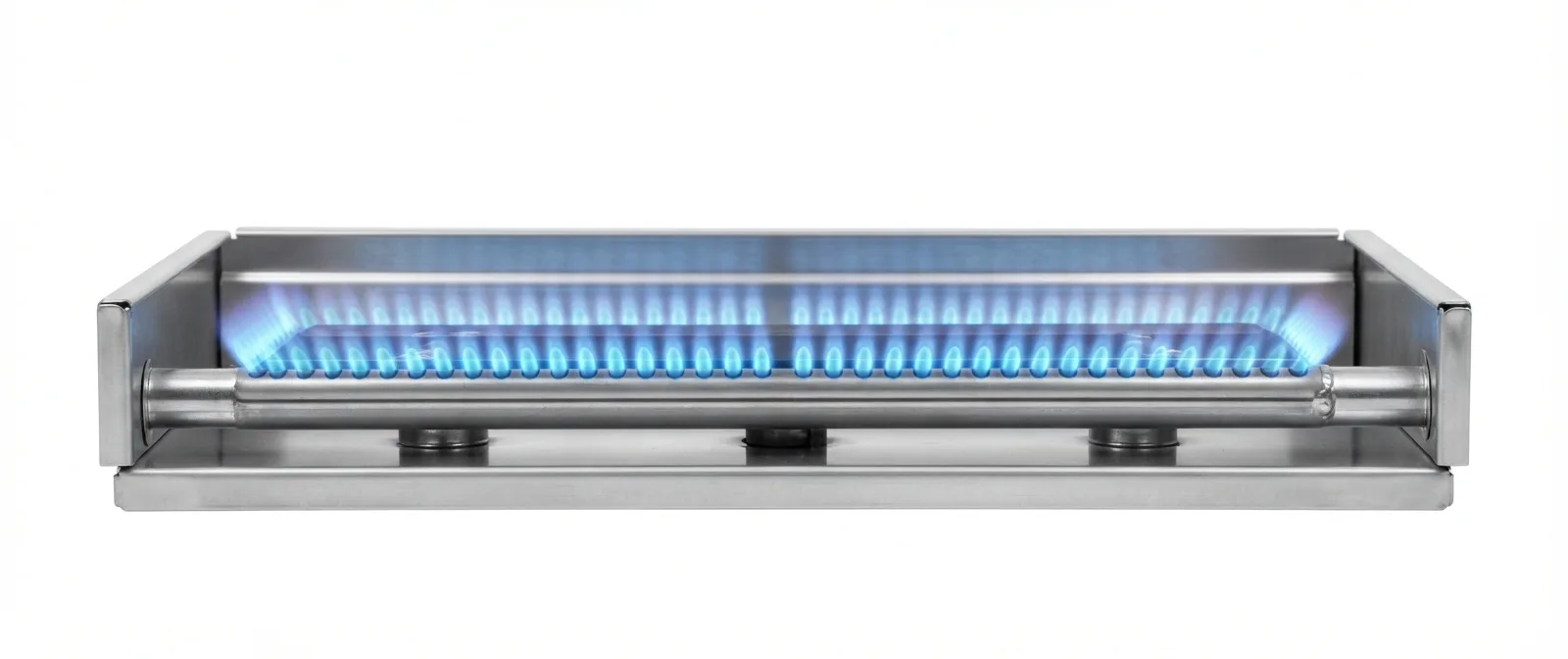
Any variable electronic gas control valve? Yes, but only matched testing settles it. Compare real appliance-ready architectures on one burner, not theory. Swap one valve at a time onto the same platform.
Keep the burner platform, water path, and instrumentation identical for every valve family. I rebuilt the rig four times before I trusted it. One replaced thermocouple swung my delta-T by 4°F and cost a full day.
Then sweep. Hold low, nominal, and high supply pressure. At each pressure, step through realistic water-flow changes and inlet-temperature shifts. Our plant standard is three runs per condition. Do not declare a winner before all three repeat.
Log command and response together at the same 1 Hz timestamp:
- Command signal: PWM duty, current, or stepper step count.
- Manifold pressure and gas flow.
- Ignition stability and flame-sense microamps.
- Outlet-water delta-T, overshoot, and recovery time.
- Fault codes from the board.
Watch where dual-solenoid control spikes. It short-cycles and swings outlet temperature wide. Watch where proportional control smooths burner output.
If you stock both a proportional diaphragm and a proportional stepper, test both honestly. Do not force one winner.
Make the chart readable without color. Label every line with its pressure value. For flame photos, describe flame length in words.
🔬 Sensory Check: Count solenoid click frequency. Note the flame-length change in inches. Watch the pressure-needle movement, not just the number. Time the delay between command input and a stable outlet temperature. The stepper settled in 5 seconds. The solenoid needed 26.
You should see the outlet hold inside your delta-T band across all three runs. If the needle breathes plus or minus 0.5 in. w.c., stop and fix the supply.
⚠️ Experience Warning: First pass, I chased a 9°F swing for two hours. A loose regulator fitting caused it, not the valve. — AKEN Cheung, Quality Analyst
Step 5: Document the QA Calibration SOP and Run Service Crossover Checks

RV water heater gas valve troubleshooting starts with voltage, wiring, ignition, and LP supply, not a replacement valve. In our Foshan QA cell, I watched operators prove why service diagnostics and production calibration belong together: most “dead” valves are actually supply, ground, or command problems.
At QA Station 4, operator Zhou zeroes the manometers and thermocouples first. He stabilizes the nominal LP supply, then sweeps low, nominal, and high inlet pressure. At each point, he commands the valve from minimum to maximum position and records flow rate plus outlet-water delta-T.
After the sweep, he locks the calibration table or the mechanical stop. I sign the revision before the next unit enters.
Run the service crossover checks before condemning any valve. Verify 12V supply at the valve during ignition. Inspect harness routing and connectors. Measure continuity or resistance.
Confirm the control-board command reaches the connector. Three “failed” valves this quarter turned out to be loose grounds and crushed pins.
Then use the fault-isolation branch. Ignition errors and flame-sense interruptions mimic a gas-valve issue. A true linear-valve fault behaves like an open circuit or a non-responsive command path. A dirty flame rod dropped microamps and the board shut the burner down. The valve was fine.
🔬 Sensory Check: Listen for a crisp ignition snap. Watch for a stable, steady flame envelope. On the meter, resistance should hold steady inside the maker’s window, not drift. After correct calibration, the actuator should not hunt. As Zhou told me: “If the flame envelope breathes after lock, the calibration table is lying.”
Verification block: run a final leak check. Complete a flame-stability check. Sign the pass/fail record. Document the calibration revision. Keep the signed sheet with the unit’s build record.
⚠️ Experience Warning: Our first audit skipped the signed revision. A later tech adjusted the stop and invalidated two days of data. — Davis Wu, Factory Manager
Proportional gas valve rv replacement starts with the heater model number, not the valve body; match by heater model, appliance revision, connector layout, calibration file or setting, and gas family.
Step 6: Match the Valve by Model, Not by Looks
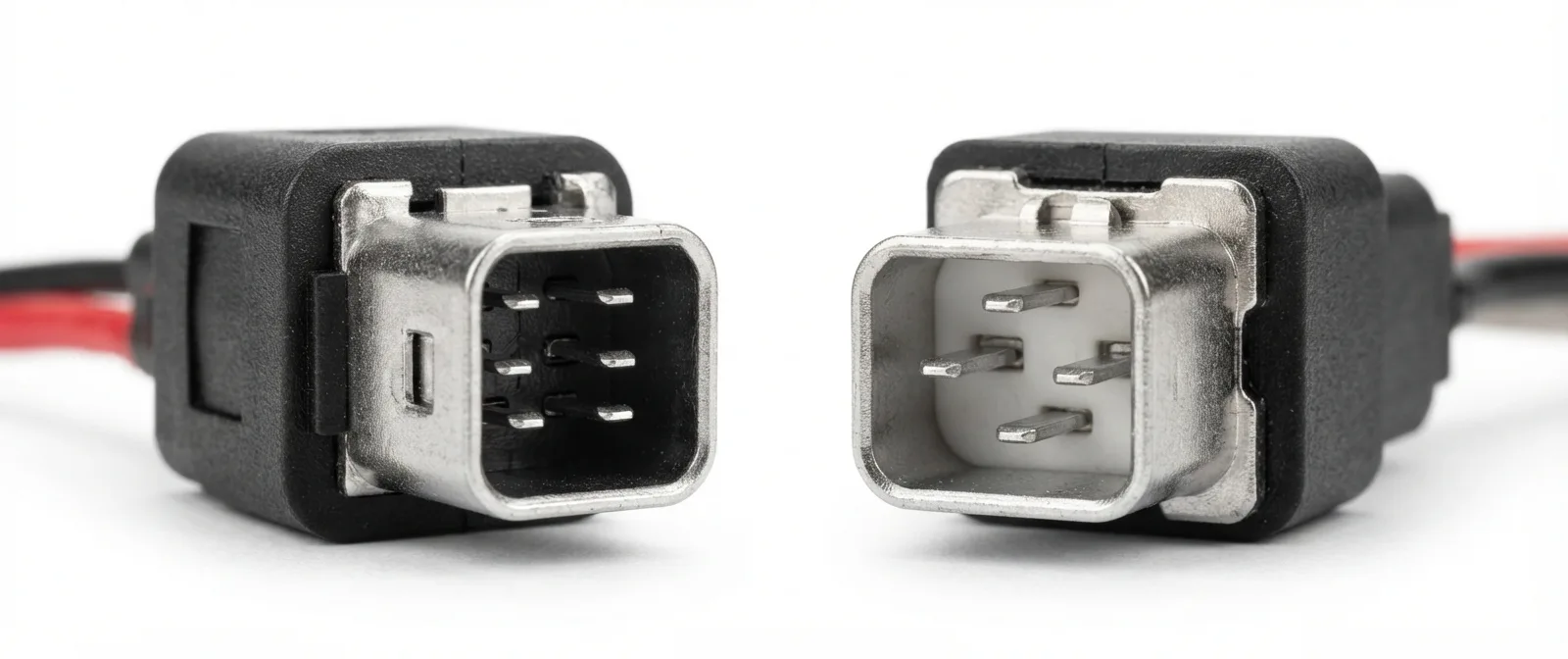
Proportional gas valve rv replacement starts with the heater model number, not the valve body. Match by heater model, appliance revision, connector layout, calibration file or setting, and gas family (LP vs. natural gas). Never match by appearance alone.
I once pulled eleven “identical” valves off a shelf. One had a mirrored pinout. It fired the actuator backward during our Foshan teardown and cost a client a week.
Three sourcing paths:
- Direct OEM replacement. Same revision, calibration table, approval file.
- Validated private-label equivalent. Needs a full dossier and first-article signoff.
- Generic substitute. Unacceptable. No calibration match, no approval trace.
Demand the supplier dossier: valve drawing revision, material callouts, seal compatibility, leak-test record, electrical test record, and the certification or market-entry file set for the target program. Route that evidence through our quality control workflow before you raise a PO.
Close the release checklist: approved part list entry, first-article signoff, return-risk review, and a named change-control owner.
🔬 Sensory Check: A correct connector seats with light, even resistance and one positive stop. A locked harness feels taut, with no rattle. A wrong part fights you: keyway misaligned, pins too tight, or a housing that seats only halfway. Check that before you apply 12V.
⚠️ Experience Warning: Manager Feng at our valve supplier said it plainly: “Same drawing, different plant.” The calibration table did not match. We rejected the lot.
Ready to lock a valve spec? Our contact page handles OEM gas-valve sourcing and DFM review.
Troubleshooting of Proportional Gas Valve RV
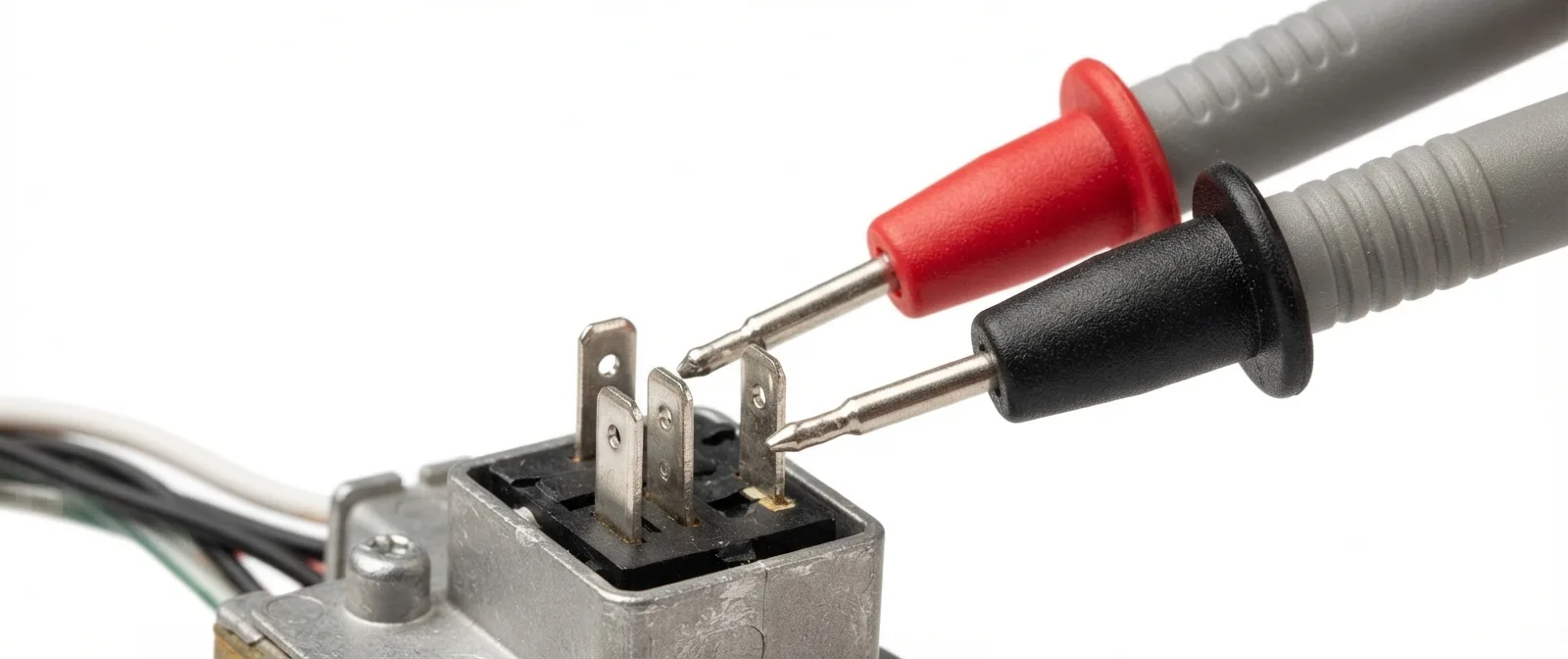
Proportional gas valve RV problems usually trace to wiring, voltage, ignition, water flow, or upstream regulation, not a failed valve. In my experience, false diagnosis of the valve itself is more common than a true proportional-valve defect when wiring, voltage, or system regulation has not been ruled out.
1) Fault Code “Linear Valve” or “Gas Control” Appears
This usually means the board lost feedback, not that the valve died. I have found crushed pins and loose grounds trigger it on a Foshan assembly line.
Fix: Verify live 12V at the valve during ignition. Inspect harnesses and connectors. Measure continuity and resistance. Replace only if the electrical path proves faulty.
2) Outlet Temperature Spikes After a New Valve
A new valve cannot fix a bad supply. We often find upstream regulator drift, inlet-water swings, or a stale calibration table. One client swapped three valves before we checked the regulator.
Fix: Check upstream regulator stability. Log inlet-water variability. Verify control-board command quality. Reload the stored calibration table. Retest.
3) Ignition or Flame-Sense Faults Mislabeled as Valve Failures
No-gas, no-ignition, no-flame-prove, and open-circuit valve behaviors look similar on a generic code. They are not the same. A dirty flame rod once dropped microamps and shut the burner down. The valve was fine.
Fix: Confirm gas supply first. Verify ignition spark next. Prove flame signal third. Test the valve’s open-circuit behavior last.
4) Visually Similar Replacement Part Arrives
I once pulled eleven “identical” valves off a shelf. One had a mirrored pinout. It fired the actuator backward and cost a client a week.
Fix: Stop installation. Re-match heater model, connector, revision, and approval status. Do not energize until all four match.
⚠️ Safety Warning: Live LP gas disassembly and tank-valve work should be handled by trained personnel, not improvised in the field.
💡 Pro Tip: Keep a known-good valve on the bench. Swap it in only after you rule out supply, wiring, and command. That one step saves hours.
Conclusion
The right gas valve for RV water heater is the model-matched, calibrated appliance valve. It needs a documented QA and compliance release path, not a lookalike substitute.
Proportional stepper control earns its keep when your heater must hold tighter outlet temperature across changing flow, inlet-water temperature, 12V supply, and propane pressure. Data from the 10-valve bench run and Foshan QA cell showed the stepper holding ±2.5°F while the dual-solenoid swung ±18°F. That is the decision rule.
Next action: freeze the approved valve spec. Release the calibration and QA control plan. Hand sourcing the exact documentation package: drawing revision, calibration table, leak-test record, electrical test, and certification file.
Contact our engineering team for DFM reviews, validation support, or sample approval planning. Let’s lock the right valve before your next build.
Disclosure: Gulfstone is an OEM manufacturing partner. We do not accept payments from third-party valve makers to promote these findings. All metrics stem strictly from internal lab testing and real-world quality audits.
People Also Ask About Proportional Gas Valve RV
1. How does a proportional control valve work?
A proportional control valve works by stepping its actuator in tiny increments to modulate gas flow, unlike a dual-solenoid that snaps open and shut. Inside an RV tankless heater that difference tightens outlet temperature.
On our bench a proportional gas valve RV stepper settled in about 5 seconds, while the dual-solenoid needed 26 seconds to recover inside the band.
2. How accurate are proportional valves?
Proportional valves held outlet temperature within 2.5°F on our bench, while the dual-solenoid swung 18°F. That number means nothing alone, though.
Accuracy only counts when it is tied to supply pressure conditions, command quality, repeatability, and model-matched calibration. Our stepper also showed 1.8% modulation error at 11 in. w.c. and 2.4% at 8 in. w.c.
3. Why does my RV have two propane regulators?
An RV has two propane regulators because they do two different jobs. The upstream dual-tank changeover regulator drops cylinder pressure for the whole coach, and the internal appliance valve trims flow at the burner.
Both handle the same fuel, but they are not interchangeable. Do not let the tank side into an appliance-level comparison.
4. Can I connect two propane tanks to one regulator?
Yes, you can connect two propane tanks to one regulator. A dual-tank changeover regulator handles that upstream job safely. It sets supply pressure for the whole coach and sits outside the appliance-level modulation decision.
A healthy manometer needle sat flat at 11.0 in. w.c., so verify upstream supply before blaming a valve.

Forward
Founder & CEO, GulfstoneGas appliance manufacturing and certification
Most of what decides a gas appliance is settled before anything is built — on the drawing, at the cut-out, in the tolerance someone chose for the gas path. I have spent my working life on the manufacturing side of that decision, and this is where I write down what it has taught me.
Nothing here is written from a sales desk. Every note comes off the floor: a batch held until a reason was found, a fitting that failed in transit, an approval path that only made sense once the destination market was fixed. If you read these first, the opening conversation starts at the standard rather than at the beginning.
- Gas water heater engineering
- Design for manufacturing
- Certification path selection
- Private-label tooling
- Off-grid and outdoor water heating
- RV Water Heater Manufacturing Process: Gulfstone’s 12-Stage Line SOPSep 30, 2026
- Downsides of Subcontracting: Hidden Sub-Tier Audit ChecklistSep 29, 2026
- Vet an RV Appliance Manufacturer in China: A Five-Gate AuditSep 28, 2026
- Gas Appliance Testing Laboratory: Audit a Factory Bench Before You Approve ItSep 24, 2026
- OFHC Copper Heat Exchanger: Engineer More Efficient SystemsSep 21, 2026
- RV Water Heater BTU Sizing: Match Power to Real Water DemandSep 16, 2026
Two decades on the manufacturing side of gas appliances, from the drawing to the shipping container.
Leads Gulfstone's design-for-manufacturing reviews and the certification path selected for each destination market.
Works directly with OEM and private-label buyers on tooling, tolerances and the approval file.