Table of contents
Key Takeaways
- This shortlist of the best RV water heater manufacturers is screened for OEM fit, certification visibility, serviceability and supply stability.
- Fogatti and Ranein suit tankless-focused programs, but gate approval on RFQ-returned CSA or CE files and BTU or 12V data.
- PrecisionTemp is the certification-forward pick, with ANSI Z21.10.3 and CSA 4.3 signals on the sheet.
- Aqua-Hot and Alde fit premium hydronic programs, not low-cost pilot builds.
- RecPro is an aftermarket replacement channel, not a primary OEM engineering partner.
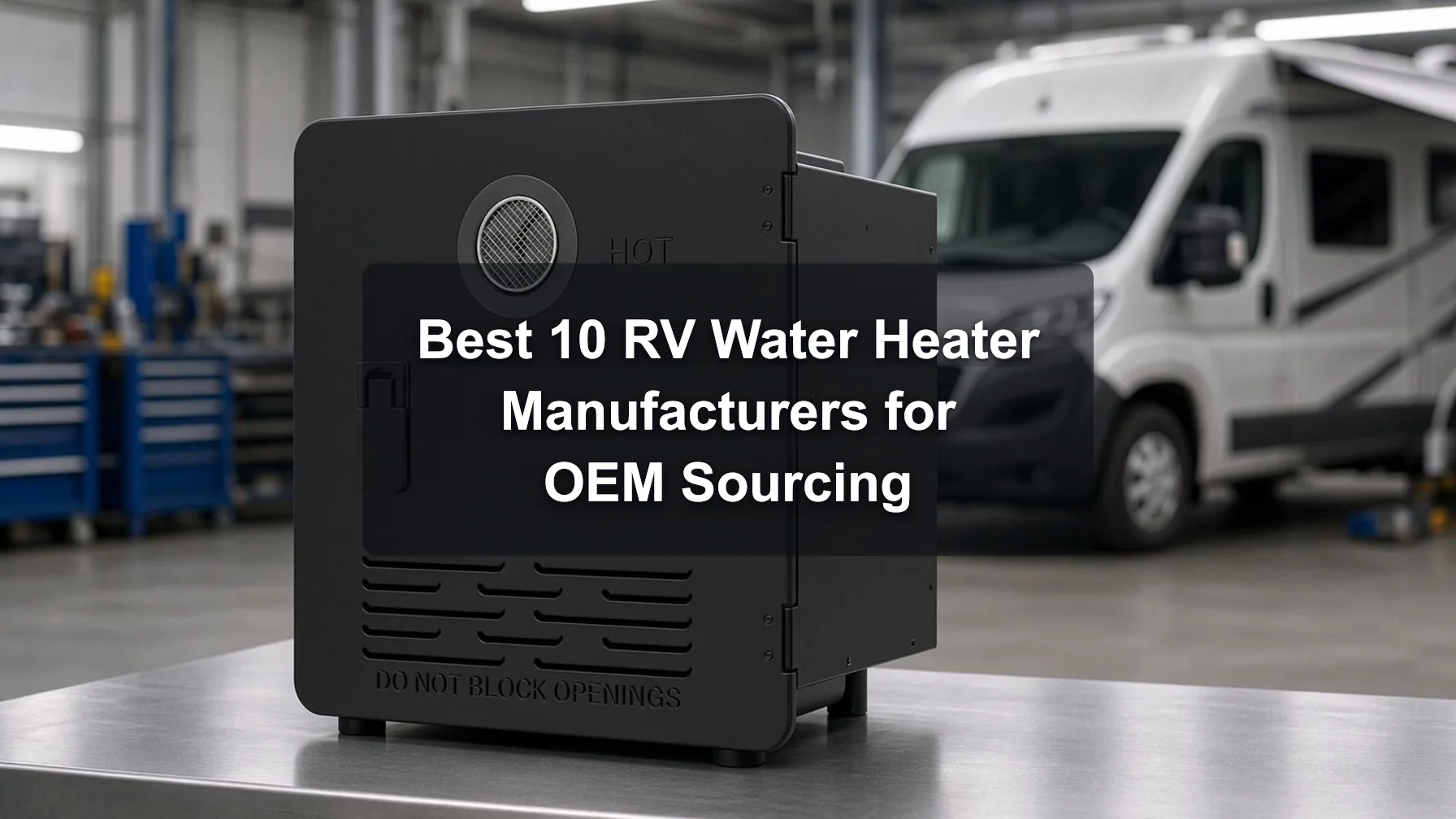
Ten manufacturers, ranked for OEM and ODM vehicle programs rather than for a consumer replacement purchase. Each one was judged on four points: what platform it builds, how visible its certification files are, how a technician reaches the parts, and whether the supply holds across repeat orders.
The four checks map onto the quality control standard Gulfstone applies to its own vehicle lots, so a supplier is judged on the same evidence whether it ships to a brand or builds under contract.
⚠️ Caution: A CSA or CE mark on a catalog page proves nothing. Ask the RFQ response to name the model, the file holder and the standard, and treat a vague answer as a no.
Best 10 RV Water Heater Manufacturers: The Vetted Shortlist
Ten suppliers, one row each, sorted by the platform each one actually builds. The type column matters more than the order, because a hydronic system and a portable tankless unit solve different problems for the same vehicle.
| Brand | Base | Platform | Best Fit For |
|---|---|---|---|
| Fogatti | USA | Tankless gas | RV tankless programs |
| Ranein | USA | Tankless, 12V | Compact campervan builds |
| Camplux | USA | Portable tankless | Portable-to-RV catalog tests |
| PrecisionTemp | USA | Tankless gas | Validation-heavy programs |
| Aqua-Hot | USA | Hydronic | Premium coach integration |
| Girard | USA | Tankless retrofit | Retrofit and OEM fit |
| Webasto | Germany | Integrated thermal | Global thermal architecture |
| Nanfeng | China | Combi heating | Direct-factory combi packages |
| RecPro | USA | Aftermarket parts | Replacement and service volume |
| Alde | Sweden | Wet heating | Europe-facing caravan programs |
Read the platform column before the ranking. A factory that wins a tankless brief loses the hydronic one outright, and the two aftermarket names on this list are not OEM engineering partners at all.
1. Fogatti: Best OEM-Ready Tankless Gas Programs
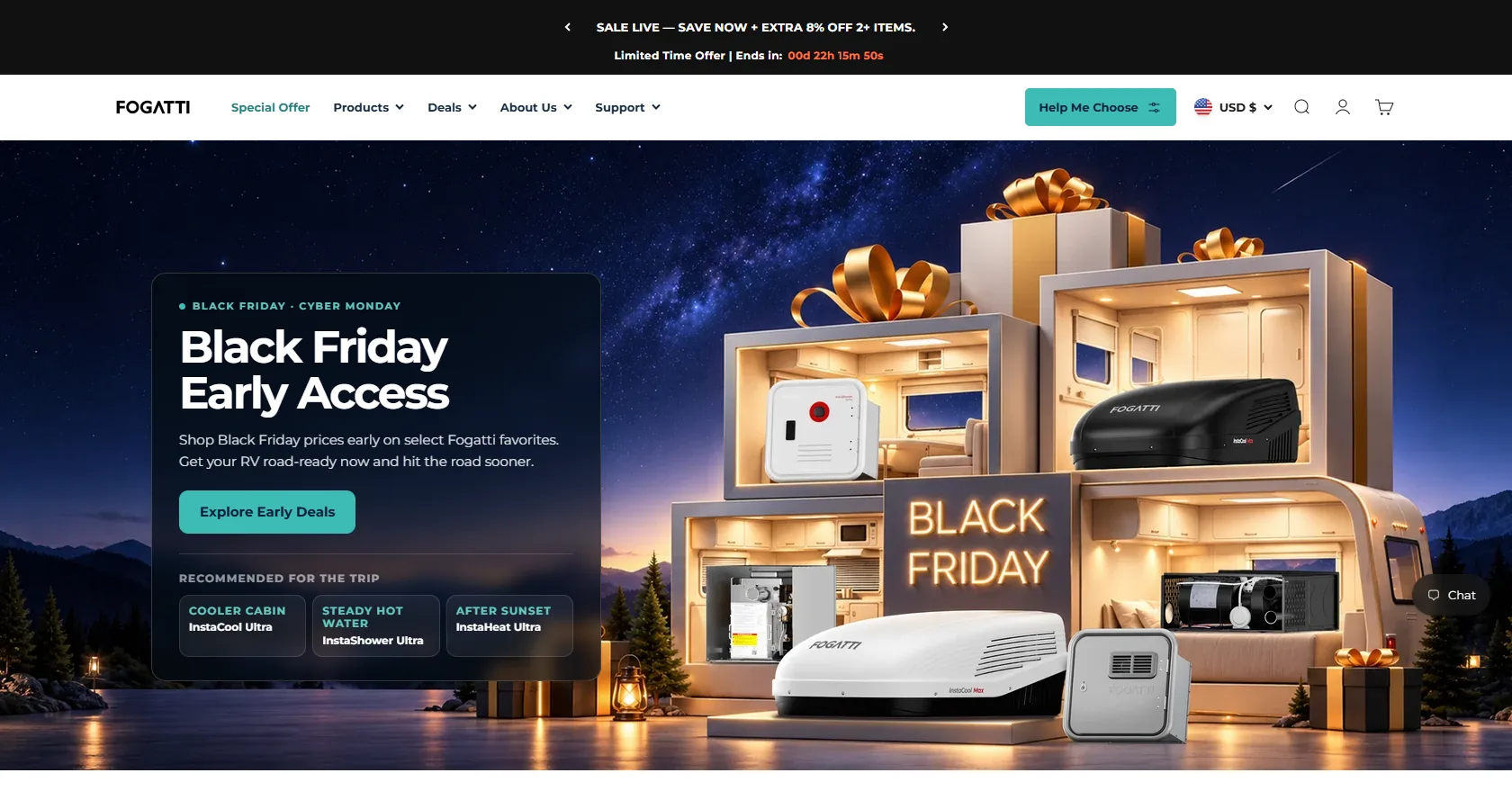
Fogatti belongs near the front of a tankless-focused OEM shortlist, and the case rests on RV-specific fit rather than on universal suitability. It stays RV-first with tankless gas programs instead of running a generic appliance catalog.
That focus fits North America, Europe and Australia, where 12V controls, BTU range and safety protections all have to meet local expectations. Its published warranty terms split tankless and tank models, so read that line before any comparison.
In the teardown, components were more accessible than on most low-cost units. The valve block and control board sat behind a removable panel, so a field tech can reach them without pulling the heater.
📌 Our Verdict: Field-service nod, yes. Gate approval on RFQ-returned certifications, BTU data and written warranty terms.
2. Ranein: Best 12V-Friendly Tankless Option for Compact Builds
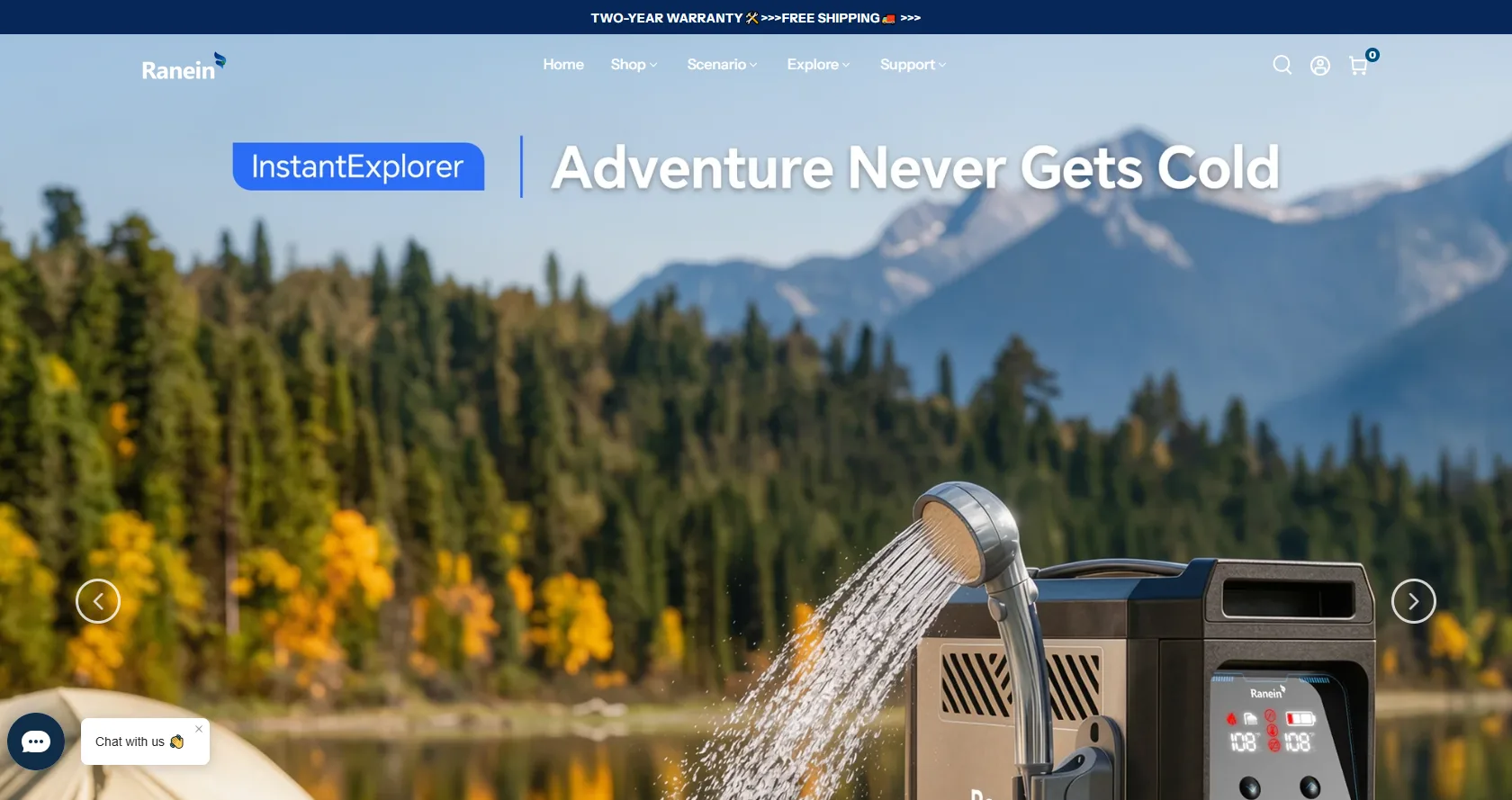
Ranein fits compact, 12V-aware RV and campervan programs where packaging and channel flexibility matter more than legacy brand recognition. Its catalog leans on RV tankless heaters, and the 12V control angle suits smaller builds where battery draw and the install envelope decide what fits.
The tradeoff is thinner public engineering depth than Fogatti or the established North American incumbents, and lower brand visibility. That gap is the buyer’s to validate.
📌 Our Verdict: Good fit for compact test programs, but your team carries more validation. Rank fit above brand pull here.
⚡ Power Move: Bench-test 12V draw and flue clearance before committing a pilot build.
3. Camplux: Best Portable-to-RV Range for Channel Flexibility
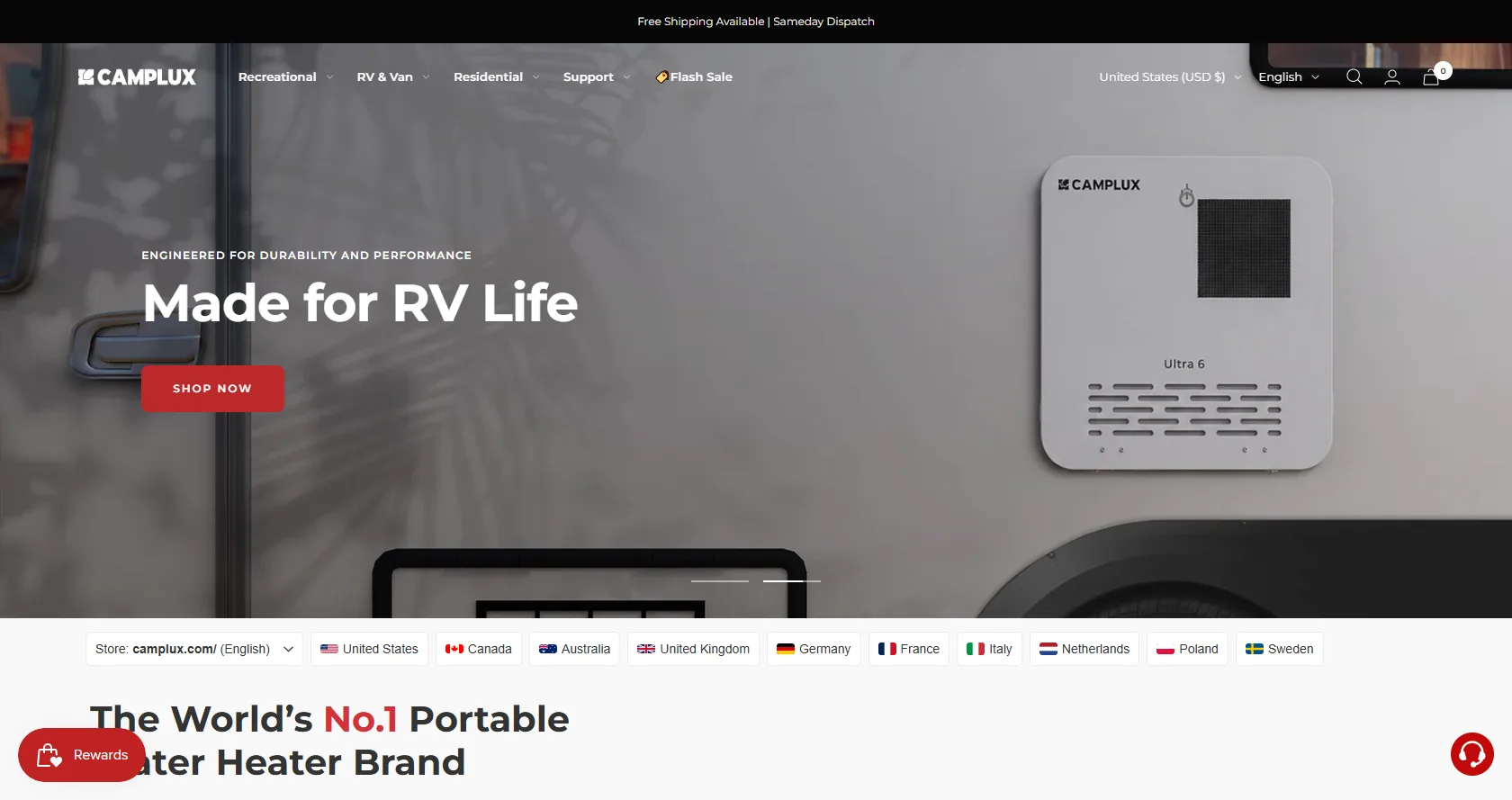
Camplux is worth a look when a buyer wants portable-plus-RV adjacency and broad channel familiarity, not when the program needs the deepest OEM engineering disclosure. Its outdoor shower line gives RV buyers a familiar catalog, clear portability cues and consumer-channel pull.
The RV-specific OEM case is thinner. Public engineering files lag behind Fogatti, and that gap matters once the RFQ turns into a tight RV-specific compliance conversation. Treat Camplux as a channel-flex option rather than an engineering-first platform: it earns a pilot slot on catalog breadth and loses one on disclosure depth.
📌 Our Verdict: Strong for portable-to-RV catalog testing and retail channel fit. Weakest on deep OEM disclosure.
⚡ Power Move: Gate approval on the certification packet and the service-parts commitment.
4. PrecisionTemp: Best Certification-Forward Tankless Engineering
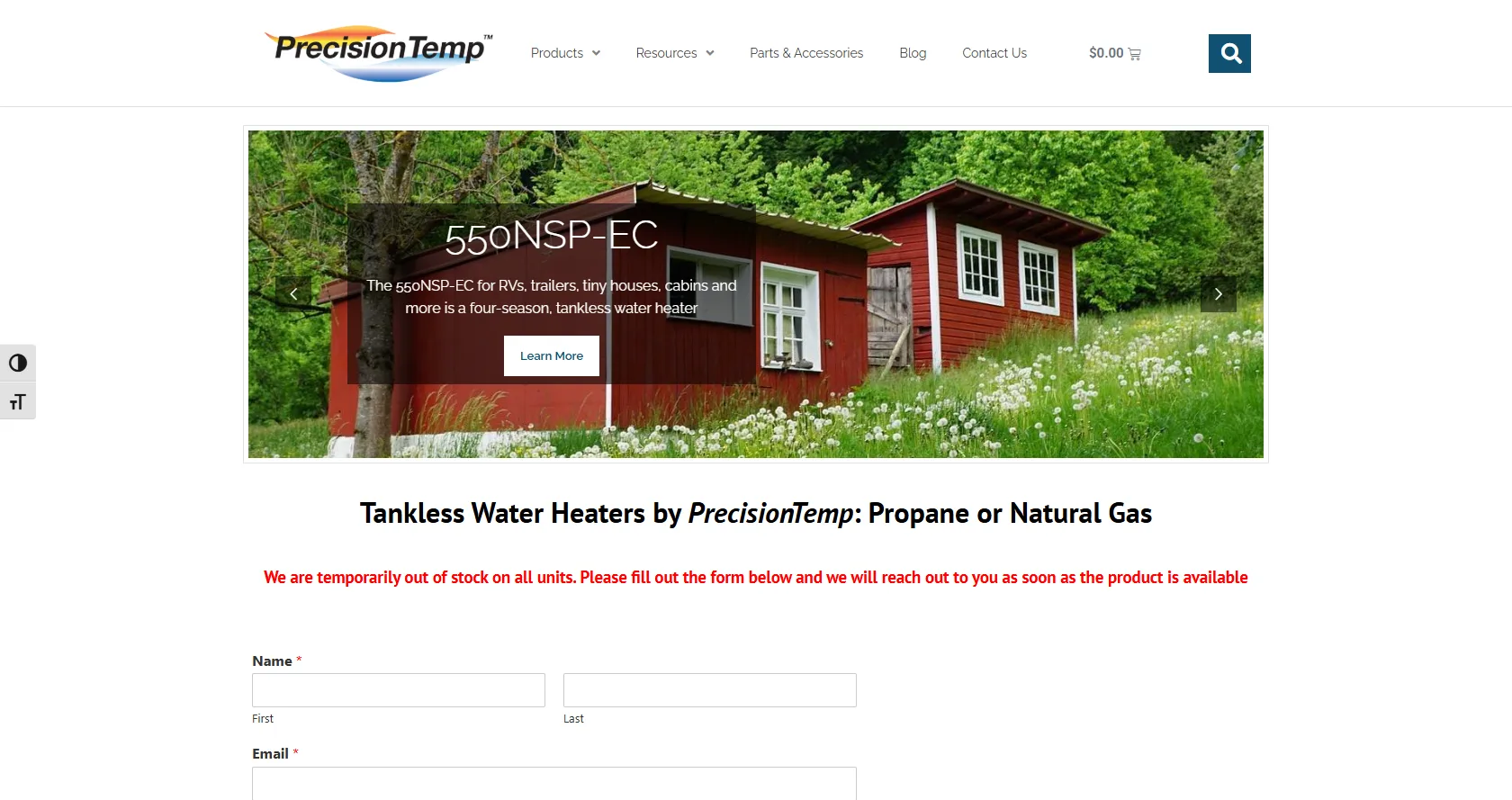
PrecisionTemp is mainly a gas-fired tankless RV and marine specialist, and its control boards still depend on 12V electrical architecture. Do not read it as a pure electric-heater vendor.
Engineers shortlist it for the paper trail. Published specs spell out 55,000 BTU-class output, low-flow ignition and sidewall-venting rules on the sheet itself, and the ANSI Z21.10.3 and CSA 4.3 signals cut guesswork during validation. It wins when a program values documented discipline over catalog breadth.
📌 Our Verdict: Fewer SKUs, cleaner docs. Best fit for validation-heavy programs where the spec sheet has to survive compliance review.
⚡ Power Move: Request the ANSI Z21.10.3 test report by serial number before the sample is approved.
Request a quote from PrecisionTemp
5. Aqua-Hot: Best Hydronic Platform for Premium Coaches
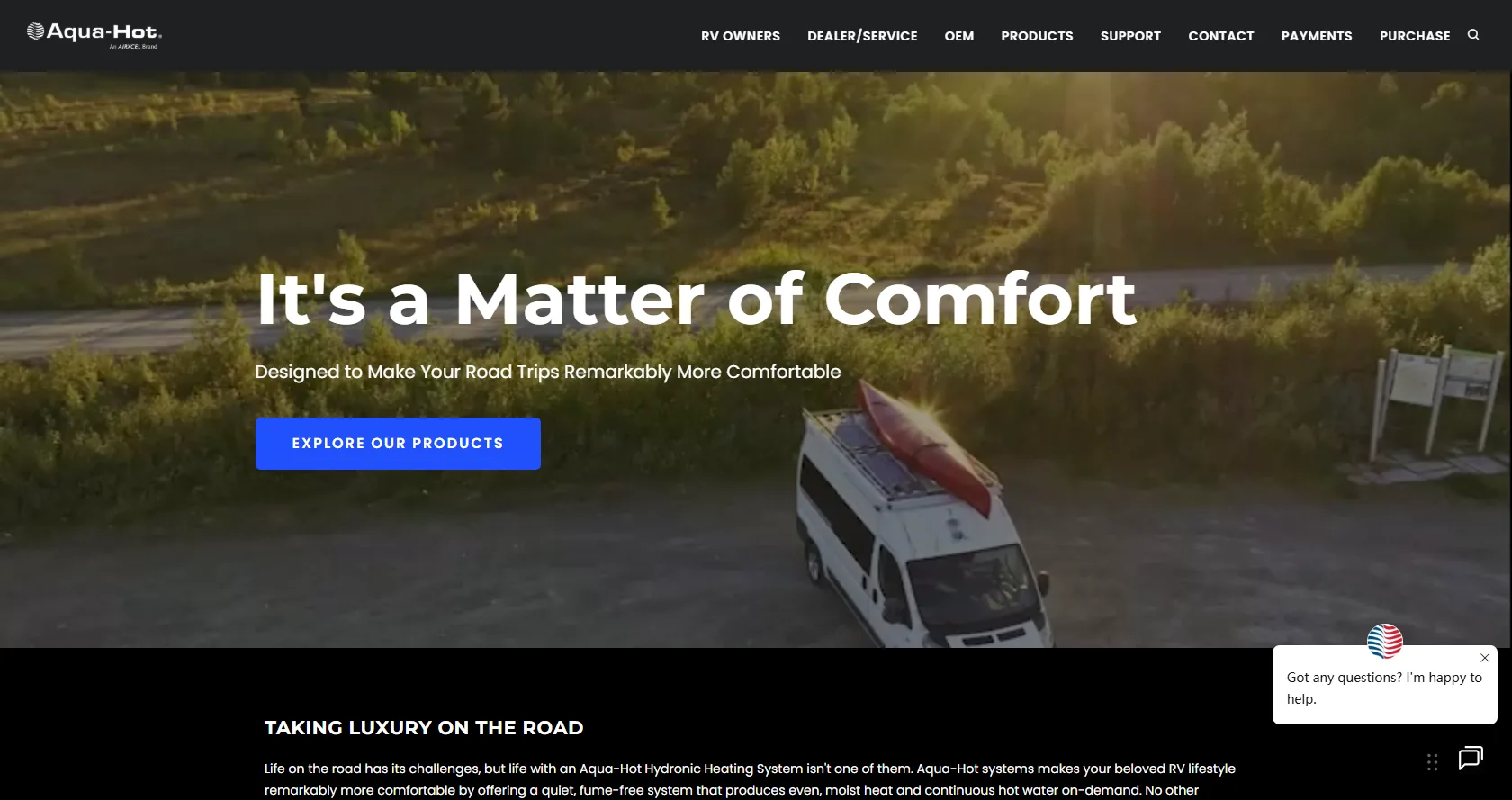
Aqua-Hot reads as a hydronic heat-and-hot-water platform for luxury coaches and premium programs, where cabin heat integration matters as much as domestic hot water. The integration is the product, and it raises complexity in return.
Expect more plumbing, more controls and a heavier service burden than a wall-mounted tankless unit, and the installed-base support plus premium coach familiarity are what justify it. A low-cost pilot is the wrong use of this supplier: shortlist it when one system has to cover hot water and cabin heat on the same floor plan.
📌 Our Verdict: Premium integration play, not a price play. Confirm service training, parts access and installed-base support before approving the platform.
6. Girard: Best Retrofit Fit for Continuous Hot Water
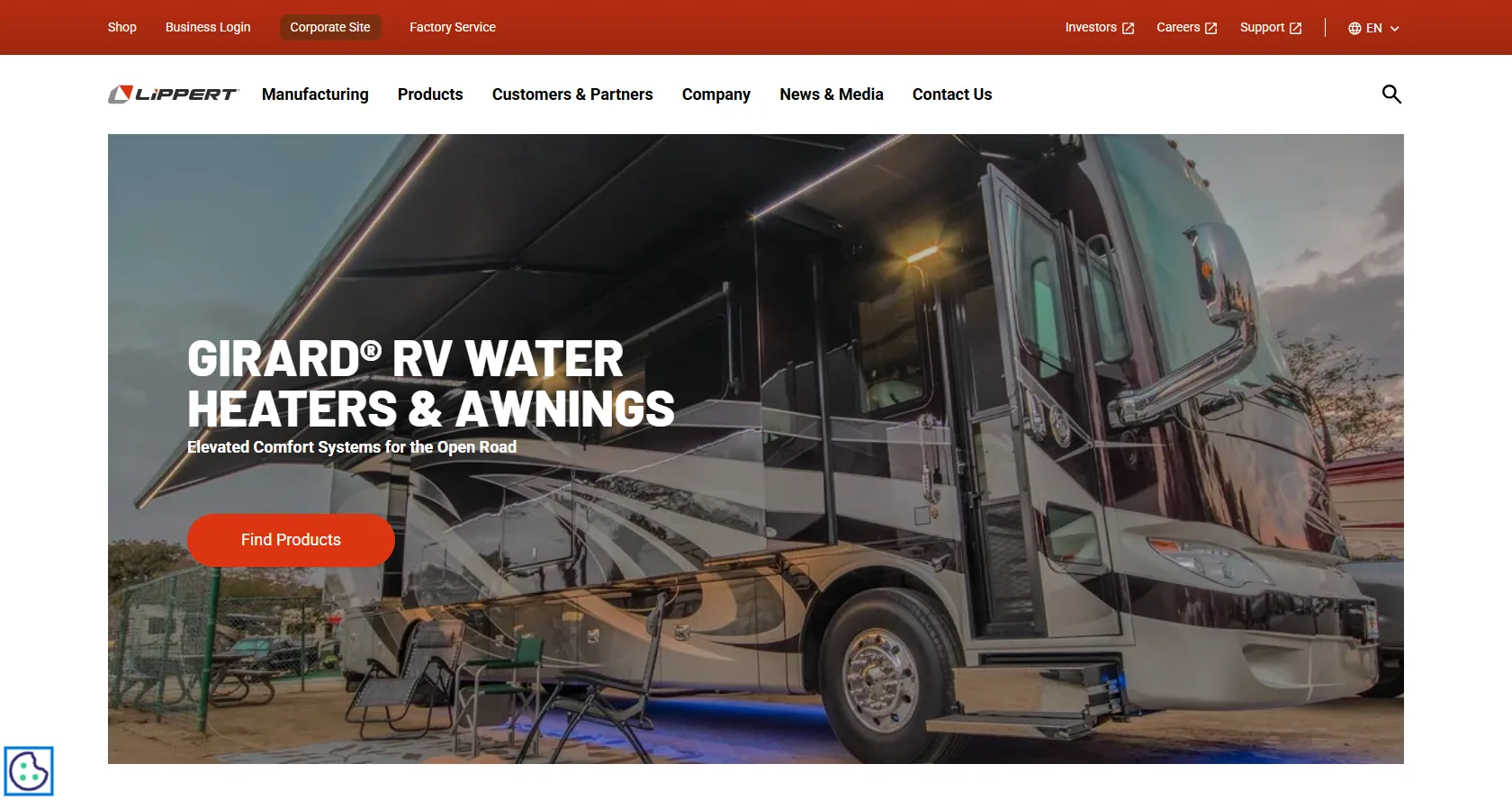
Girard is an RV-native tankless name with real retrofit relevance for programs replacing older cutout-dependent systems. That fit shows up in mounting dimensions, adapter brackets and harness routing.
The buyer view is less tidy. User discussions flag serviceability complaints, leaks and parts concerns, so the hidden cost is technician time and part lead time rather than unit price. Inspect labor burden, replacement-part access and warranty workflow before committing volume; continuous hot water alone is not a sourcing decision.
📌 Our Verdict: Strong retrofit fit and a recognized continuous-hot-water name. Do not approve volume until service-parts access and the warranty workflow survive a real repair scenario.
7. Webasto: Best Global Bench for Integrated Thermal Systems

Webasto brings real vehicle-heating depth across RV, marine and specialty vehicle programs. That global bench matters when a program needs integrated thermal architecture rather than a single-category aftermarket label.
The limitation is honest. Its public RV water-heater catalog is less obvious than on RV-specialist brands, so the fit has to be confirmed rather than assumed. Verify model fit, documentation depth and North American certification scope before calling any unit plug-and-play, and ask for model-level drawings and service-parts lists in writing.
📌 Our Verdict: Strong thermal engineering bench, not a drop-in substitute for an RV-specialist tank. Confirm fit, doc pack and certification scope before sampling.
8. Nanfeng: Best Direct-Factory Option for Combi Water-and-Air Heating
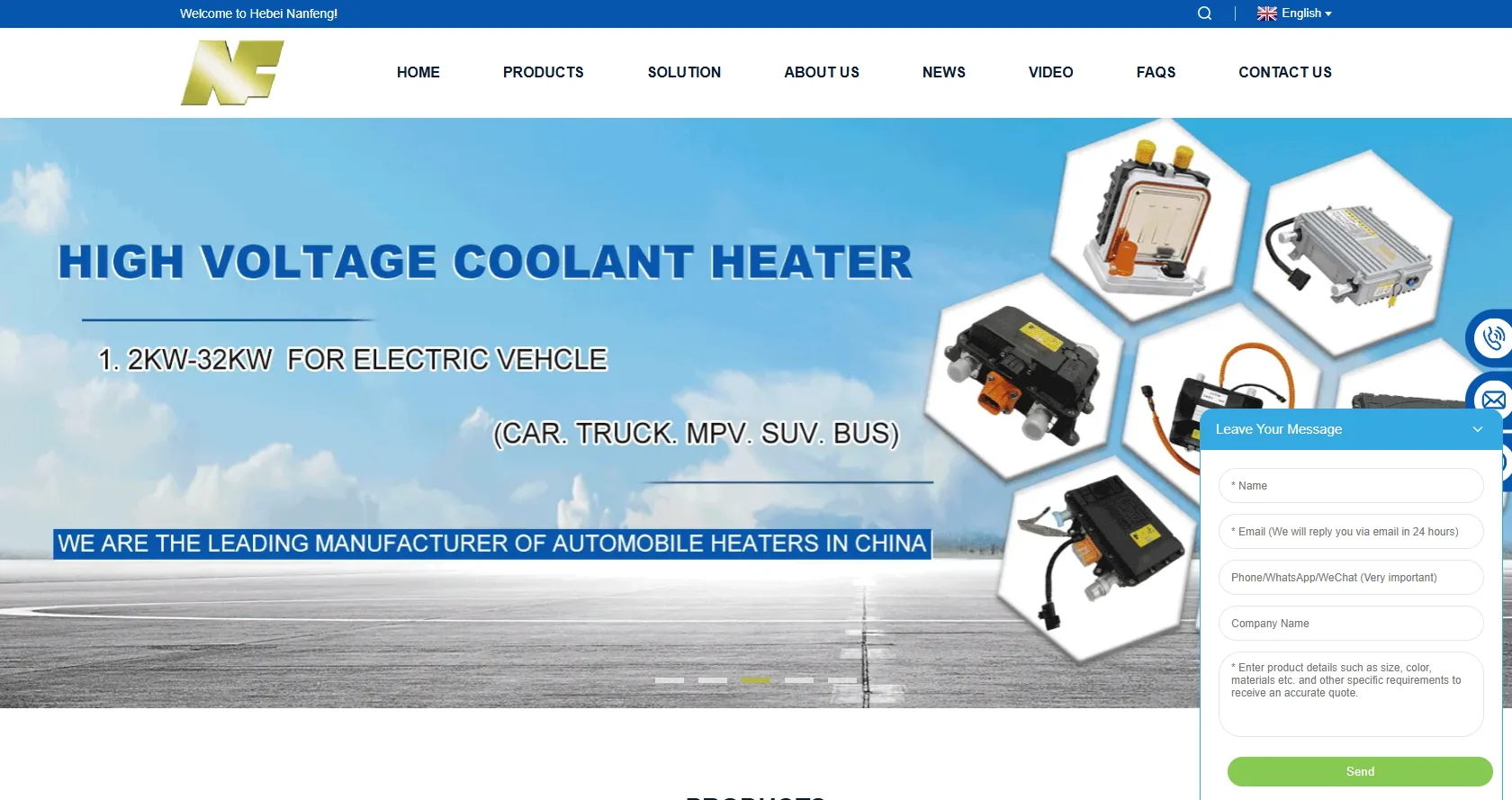
Nanfeng is the direct-factory option for buyers who want China-based vehicle-heater manufacturing depth plus combined water-and-air heating potential. It is not a plug-and-play, Western-certified incumbent.
The combo-system breadth suits brands building integrated thermal packages, where one supplier covers hot water and cabin heat. It also raises the verification load, and English-language product detail plus North American certification visibility look thinner than on the Western incumbents.
Treat that as a paperwork gap, not a disqualifier. Request CE and CSA files, market-entry paperwork, export-support terms and a named contact before tooling or a pilot order.
📌 Our Verdict: Real China manufacturing depth and combo-system upside. Approve only after certification, export support and responsiveness clear a written RFQ review.
⚡ Power Move: Send two technical questions before the first call and time the reply. Slow responses kill pilot schedules.
9. RecPro: Best Aftermarket Breadth for Replacement Parts
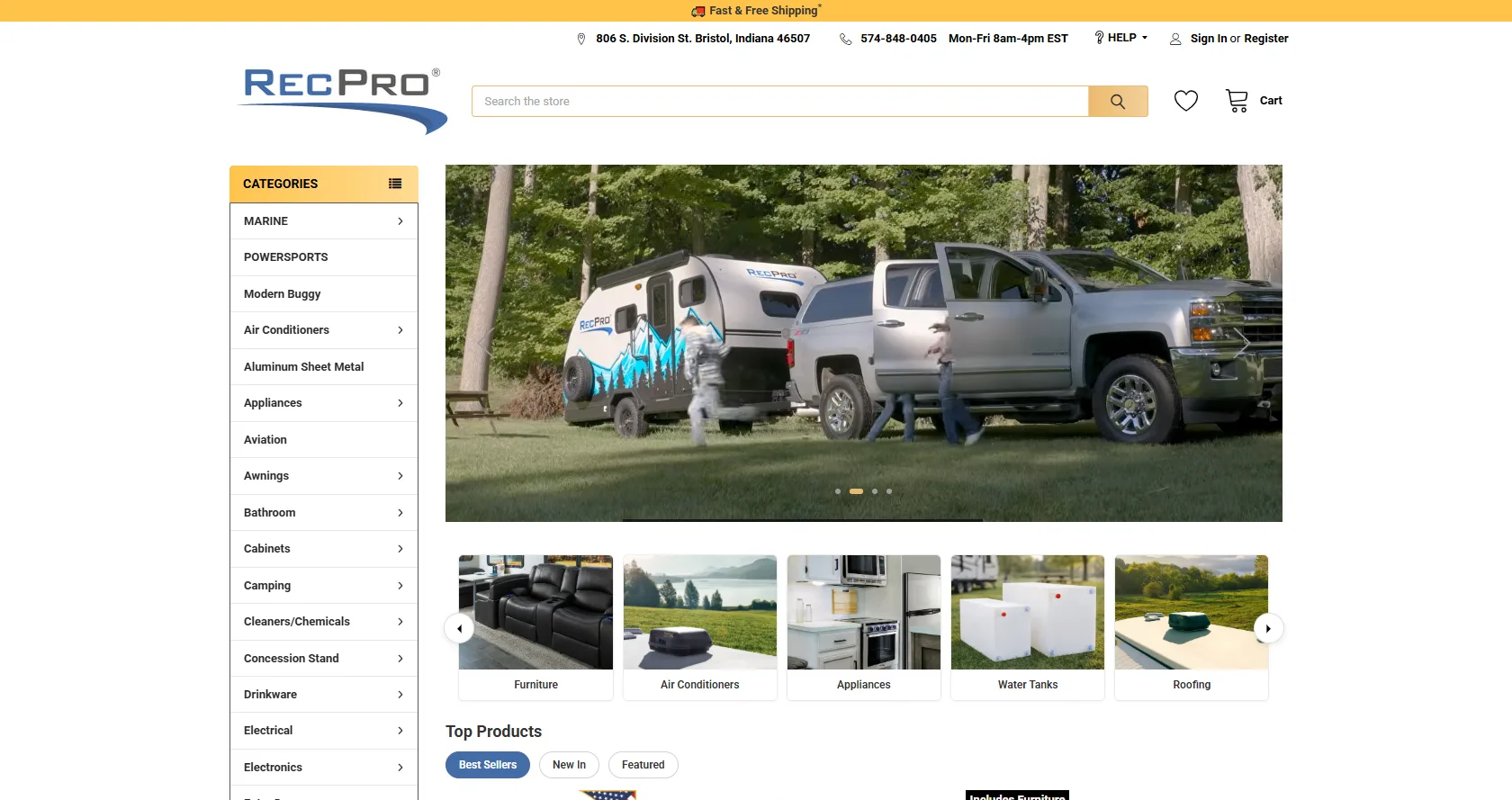
RecPro stays on the aftermarket shortlist, not the OEM factory bench. Its broad RV accessory catalog covers tankless and tank-style options, which helps service networks and buyers who need replacement depth plus accessory attach sales.
Fit breadth beats factory disclosure here. The operation reads distributor-leaning rather than factory-transparent, and enterprise buyers should not assume OEM-level tooling control, DFM support or compliance documentation depth.
Ask for part-level fit data, warranty terms and CSA certification files before routing volume. This is a service and replacement channel, and treating it as a manufacturing partner misreads both sides.
📌 Our Verdict: Strong replacement reach and parts access, not OEM engineering control.
⚡ Power Move: Confirm fit, document depth and service support before approval.
10. Alde: Best Wet-Heating Integration for European Caravans
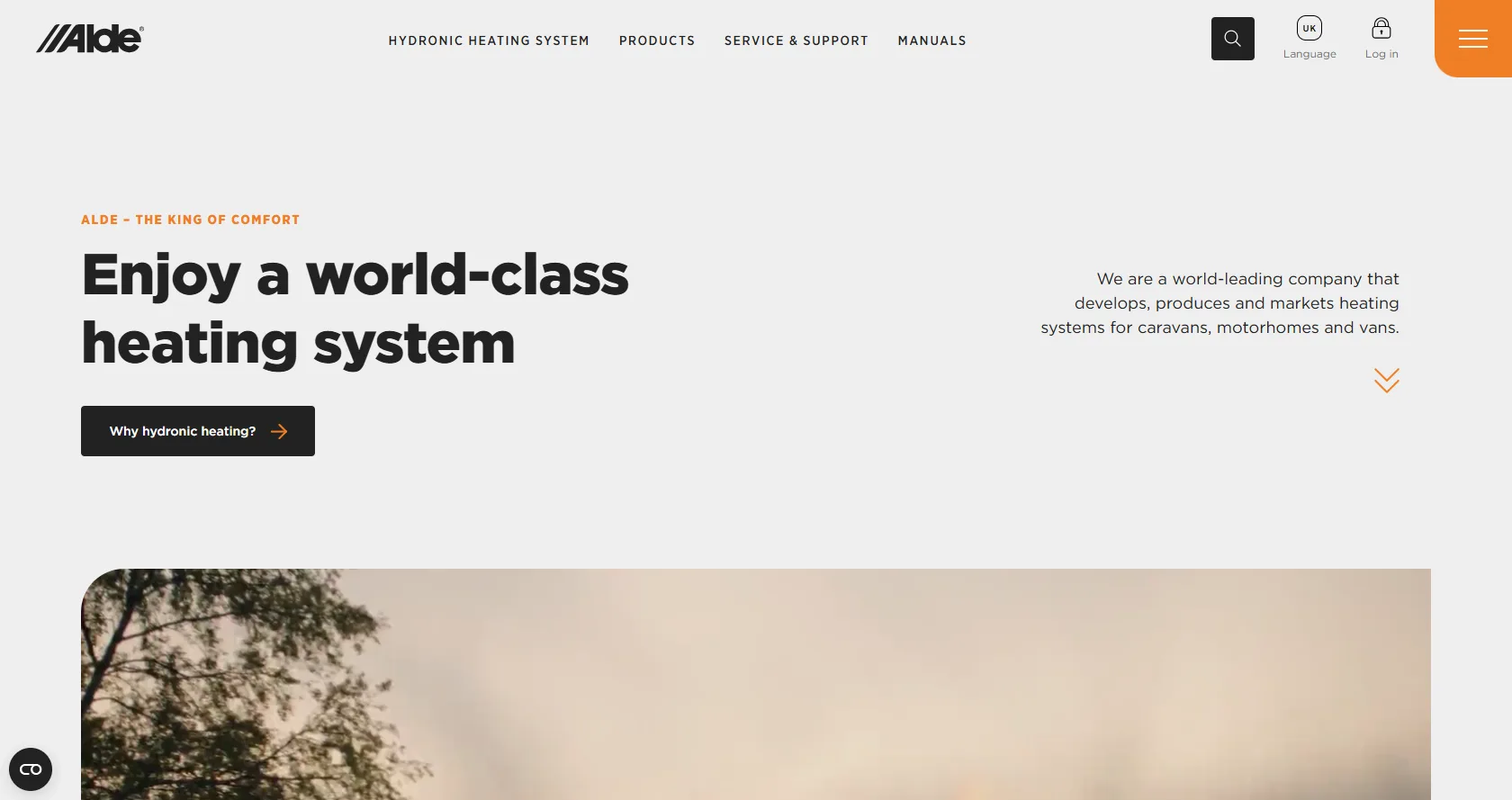
Alde is a respected European wet-heating and hot-water integration brand for premium caravans and towables, not a universal tankless substitute. It is a system choice rather than an appliance choice: cabin wet heating plus domestic hot water, with strong recognition in European caravan builds.
The sourcing catch is architecture. An Alde bid shifts the review from heater specs to glycol loops, plumbing, controls and installer training, which changes the cost model for the whole vehicle.
From North America, check channel familiarity, parts ecosystem, service access and whether the build truly needs wet heating. If not, a simpler tankless or storage approach carries less risk.
📌 Our Verdict: Premium wet-heating fit for Europe-facing caravan programs. Not a default North American tankless pick.
What Are the Four Stages of Vetting an RV Water Heater Supplier?
Every approved unit runs 100% combustion and gas safety testing rather than batch sampling. On the plant floor with QA Manager Jingjing Lu and Technician Wang, simulated transit vibration testing ran before packaging, and the check applied to the whole lot.
That standard is the same one a buyer should hold a shortlisted supplier to, and it is what separates a documented order from a brochure claim.
1. Which Market Files Should You Lock Before a Quote?
Lock the destination market first, because it decides the certification pathway. North America needs CSA scope for the exact model, Europe needs CE plus the gas and safety standards that apply, and Australia needs its local gas approvals.
Then pin the power architecture. Tankless heaters need 12V for controls, ignition and valves, and the low-voltage cutoff has to be specified alongside the flue clearance.
Close the stage with a written scope sheet that names the certificate holder for every model you intend to order.
2. Why Does the 12V Plan Come Before the Unit Choice?
Tankless controls, ignition and gas valves all draw from the 12V system, so the vehicle’s DC plan decides which unit can be fitted at all. Low voltage shows up as failed ignition, valve chatter and shutdown faults, not as a clean error code.
Bench-test amp draw and the low-voltage cutoff before a pilot build. On a compact campervan, that number competes directly with lighting, a compressor fridge and an inverter.
3. What Do You Test When the Sample Arrives?
Test ignition stability, leak points, freeze behaviour, labelling, drop resistance and the private-label packaging change. Never approve cosmetics until the packaging matches the approved colour target.
In our reviews, missing drain labels and vague freeze clauses were the red flags. Both shift repair cost onto the dealer network rather than the supplier.
Close the stage with a signed sample report and a packaging record, and keep both with the certificate file.
4. Which Gates Run Before the Container Ships?
The sequence is fixed: combustion verification, gas leak checks, water-path pressure testing, carton review, barcode validation and compliance-document sign-off. No gate is optional.
One anonymized DFM case changed a heat-exchanger mounting bracket across a 10,000-unit run, and field warranty claims fell afterwards. Treat the bracket and the mounting point as engineering decisions, not sheet-metal details.
🔬 QA Floor Note: Jingjing Lu puts it plainly: a certificate logo on a brochure means nothing. The unit test record and the file owner decide the release.
Specifying the Build After the Shortlist
A shortlist narrows the field, and the build decides the rest. The OEM/ODM development funnel is where a drawing becomes a line plan, and the certifications page lists what the finished vehicle build has to carry for each market.
Winterization is a serviceability question, not a Furrion-only tutorial. Ask for written freeze-protection steps, drain-point access and warranty language on freeze damage before a pilot, because those three documents predict the after-sales load.
For a vehicle envelope that has to be matched before tooling, start from the RV OEM solutions page. For a portable outdoor unit beside the vehicle, the portable water heater range covers the alternative.
💡 Key Insight: Rank suppliers by platform first, then by certification visibility. A tankless specialist can lose a hydronic brief on architecture alone.
Conclusion
The best RV water heater manufacturers for OEM sourcing do not compete in one market. They split into tankless gas, hydronic integration, wet heating for European caravans, combi systems from China, and aftermarket replacement, and the right name depends on which vehicle program you are sourcing for.
Match the supplier to the platform before comparing price, confirm who holds the certificate file before sampling, and run 100% combustion and gas safety testing rather than batch sampling. Fogatti and Ranein carry the tankless slots, PrecisionTemp carries validation, and Aqua-Hot and Alde cover integrated heating.
Send the platform details through the contact and RFQ page for a serviceability review. Bring the destination market and the power architecture and the shortlist narrows from there.
I receive no manufacturer kickbacks for these findings.
Frequently Asked Questions About RV Water Heater Manufacturers
1. What is the best RV water heater brand?
The best RV water heater brand depends on the OEM program’s fit, certification visibility, serviceability and supply stability. Fogatti and Ranein suit tankless-focused programs, PrecisionTemp is certification-forward, and Aqua-Hot or Alde fit premium hydronic builds.
No single name wins across platforms. Rank the supplier against the vehicle program first, then compare price.
2. What power sources do you have available?
RV water heater power sources include gas with 12V controls and 12V electrical architecture, while hydronic and storage-tank systems add different integration needs. Tankless gas models still need 12V power for controls, ignition and valves.
Bench-test amp draw and low-voltage cutoff before approving a pilot build, especially on a compact campervan where that draw competes with lighting, refrigeration and the inverter.
3. What is the size of your current cutout or water heater capacity?
Cutout size and water heater capacity have to be matched to the exact model’s mounting dimensions and adapter brackets, never assumed from a legacy cutout. Girard’s retrofit fit shows up in mounting dimensions, adapter brackets and harness routing.
Request model-level drawings before approving volume, and confirm the fit on a sample rather than on a dimension table alone.
4. Does an RV tankless water heater need 12V power?
Yes. An RV tankless water heater needs 12V power for controls, ignition and valves, and low voltage can cause failed ignition, valve chatter and shutdown faults.
Bench-test amp draw and low-voltage cutoff before approving a pilot build, especially on compact campervan programs where battery draw matters.
5. How do you winterize a tankless RV water heater?
To winterize a tankless RV water heater, use the supplier’s written freeze-protection steps and confirm drain-point access. Also check the warranty language on freeze damage.
Missing drain labels and vague freeze clauses are red flags, because weak documents shift repair cost onto your dealer network rather than the supplier. Ask for those documents before approving a pilot build or a volume order.

Forward
Co-founder & General Manager, GulfstoneGas appliance manufacturing and certification
Most of what decides a gas appliance is settled before anything is built — on the drawing, at the cut-out, in the tolerance someone chose for the gas path. I have spent my working life on the manufacturing side of that decision, and this is where I write down what it has taught me.
Nothing here is written from a sales desk. Every note comes off the floor: a batch held until a reason was found, a fitting that failed in transit, an approval path that only made sense once the destination market was fixed. If you read these first, the opening conversation starts at the standard rather than at the beginning.
- Gas water heater engineering
- Design for manufacturing
- Certification path selection
- Private-label tooling
- Off-grid and outdoor water heating
- Top 8 Outdoor Portable Gas Water Heater Factories in China for B2B BuyersNov 4, 2026
- Custom RV Appliance Industrial Design: An OEM Brief to a Validated PrototypeNov 3, 2026
- How to Build Custom Thermostat UI Design Software for OEM Embedded PanelsNov 3, 2026
- Top 8 RV Water Heater OEM Suppliers Canada: Vetted for Volume BuyersNov 3, 2026
- Top 10 Portable Propane Water Heater Manufacturers USA: A No-Hype Buyer ShortlistNov 2, 2026
- PPWR Compliance Checklist for EU Water Heater Packaging: The 10 Documents Before the Container LoadsNov 2, 2026
Fifteen years in appliance manufacturing — home appliances, RV refrigeration, then gas water heating — from the drawing to the shipping container.
Leads Gulfstone's design-for-manufacturing reviews and the certification path selected for each destination market.
Works directly with OEM and private-label buyers on tooling, tolerances and the approval file.