Table of contents
- Key Takeaways
- Top 8 Outdoor Portable Gas Water Heater Factories: The Buyer Shortlist
- What Are the Four Stages of Vetting an Outdoor Portable Gas Water Heater Factory?
- Sourcing the Build After the Shortlist
- Conclusion
- Frequently Asked Questions About Outdoor Portable Gas Water Heater Factories China
- 1. What Certifications Should a Portable Outdoor Gas Water Heater Factory Show for North America, Europe, and Australia?
- 2. What Actually Happens During a Real AQL 1.5/2.5 Inspection of a 5,000-Unit Export Batch?
- 3. What Minimum Water Pressure, Ignition Reliability, and Safety Features Should Buyers Verify for Off-Grid Use?
- 4. What MOQ, Sample Expectations, and Factory-Direct Pricing Patterns Are Realistic?
- 5. How Does Gulfstone Back Its Factory Claims Without Turning This Into a Sales Pitch?
Key Takeaways
- This shortlist covers eight outdoor portable gas water heater factories in China, judged on certification ownership, line-side QC and portable-line fit.
- Vangood leads on product breadth and OEM/ODM depth from a Zhongshan base.
- Confirm that a CSA, CE or AGA certificate names your exact model, not a nearby SKU in the same family.
- Test low-pressure startup on the pump, gravity or RV setup you will actually sell, because one model stalled at 0.03 MPa.
- Custom runs often start around 50 to 100 units, and private tooling adds about 200 units to the MOQ.
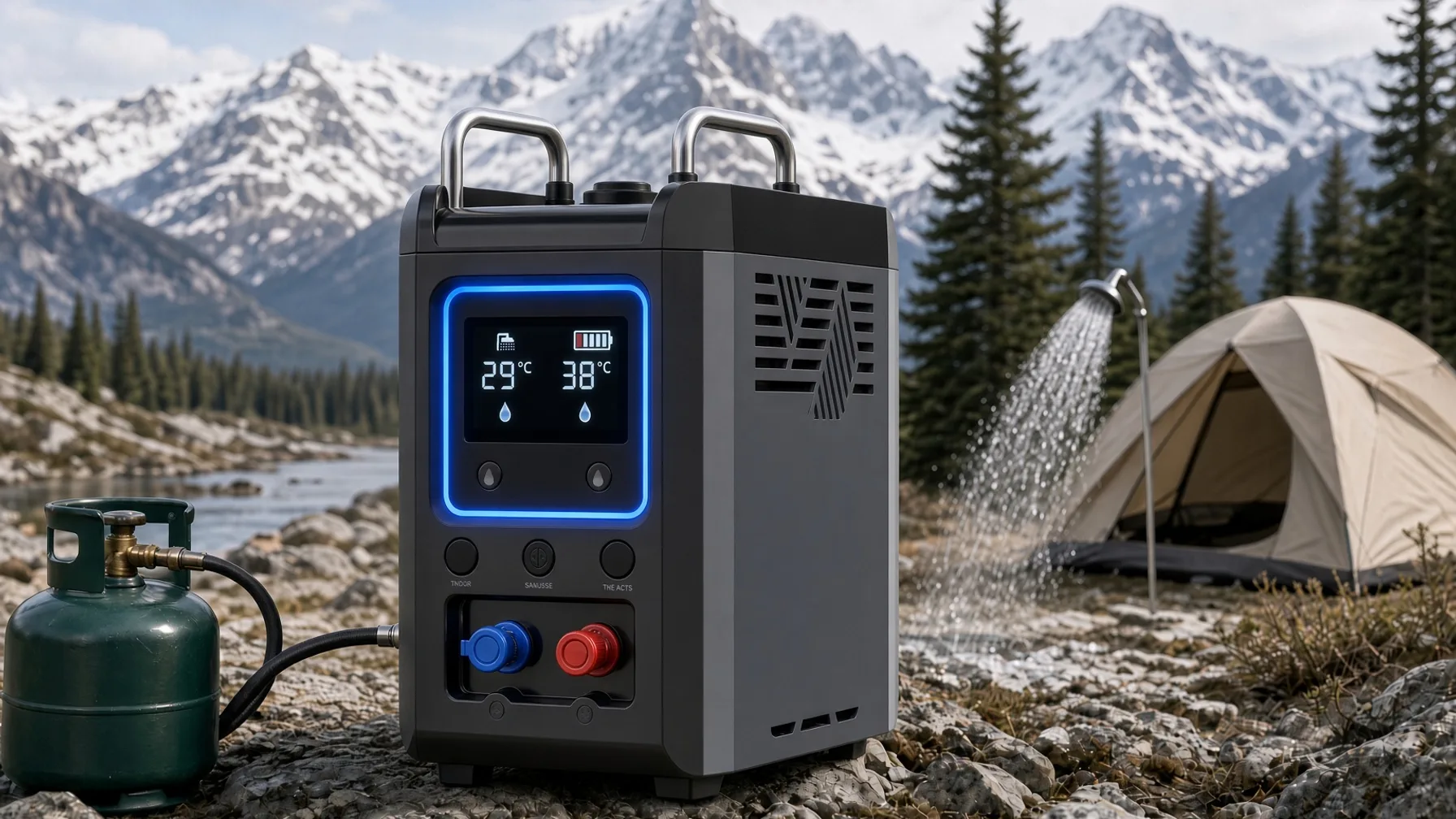
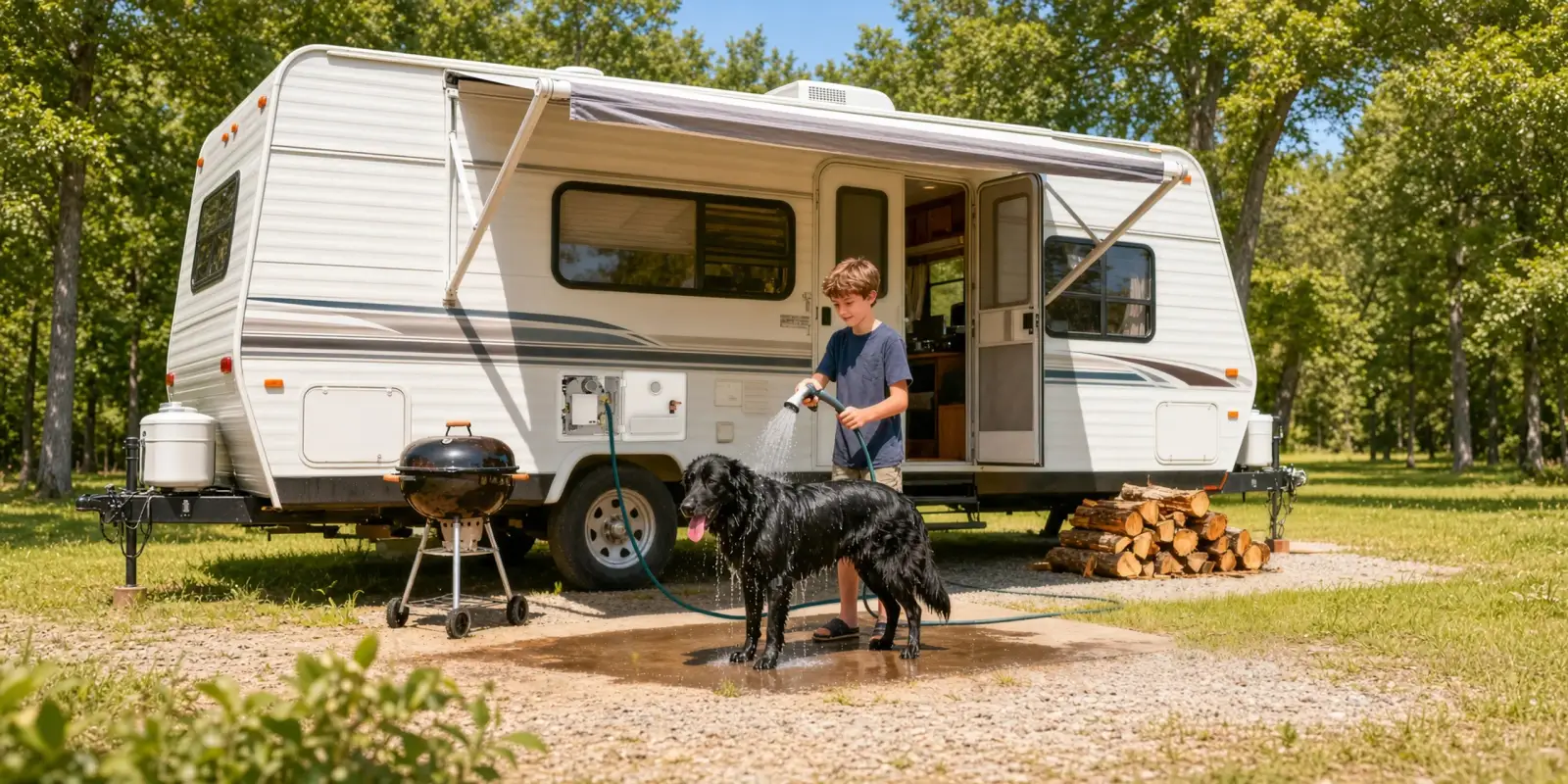
Eight plants, one row each in the shortlist below, chosen for buyers in North America, Europe and Australia who need a portable gas line built to their spec. Factory fit, certification readiness and line-side QC decide the ranking, not the size of the brochure.
Each plant was checked on cluster location, OEM/ODM depth, public export signals and the production questions worth asking on a 5,000-unit batch. Where public evidence is thin, the entry says so and moves the proof burden onto your sample run. For category context, start from the portable water heater range.
⚠️ Caution: A certificate logo on a brochure proves nothing. The exact model number and the named certificate holder decide whether a unit clears customs and retail onboarding. Confirm both before a sample order, not after the container lands.
Top 8 Outdoor Portable Gas Water Heater Factories: The Buyer Shortlist
The platform column matters as much as the ranking. Two names on this list sell mostly electric, and one is a brand line rather than a standalone campus, so the row says where the fit is narrow.
| Factory | Base | Platform and Strength | Best Fit For |
|---|---|---|---|
| Vangood | Zhongshan | Outdoor gas, OEM/ODM | Multi-model outdoor lines |
| Haobang | Zhongshan | Broad gas, camping | Long-run camping pilots |
| Gastek | Zhongshan | Portable gas OEM | Certified camping OEM |
| SEFFY | Shunde | Portable, RV, stainless | Durability-led outdoor |
| Xiangji | Zhongshan | Full-chain gas parts | Component-control buyers |
| Macro | Foshan | Broad gas appliances | Volume, multi-category |
| Songzhi | Zhongshan | Electric, RV-adjacent | Mixed heating assortments |
| Vanka | Zhongshan | Vangood brand line | Faster catalog entry |
Read the platform column first. A factory that wins a camping brief outright can lose an RV or electric program, and a brand line is not the same thing as a factory campus.
1. Vangood: Broad Zhongshan OEM/ODM Depth for Outdoor Gas Water Heaters
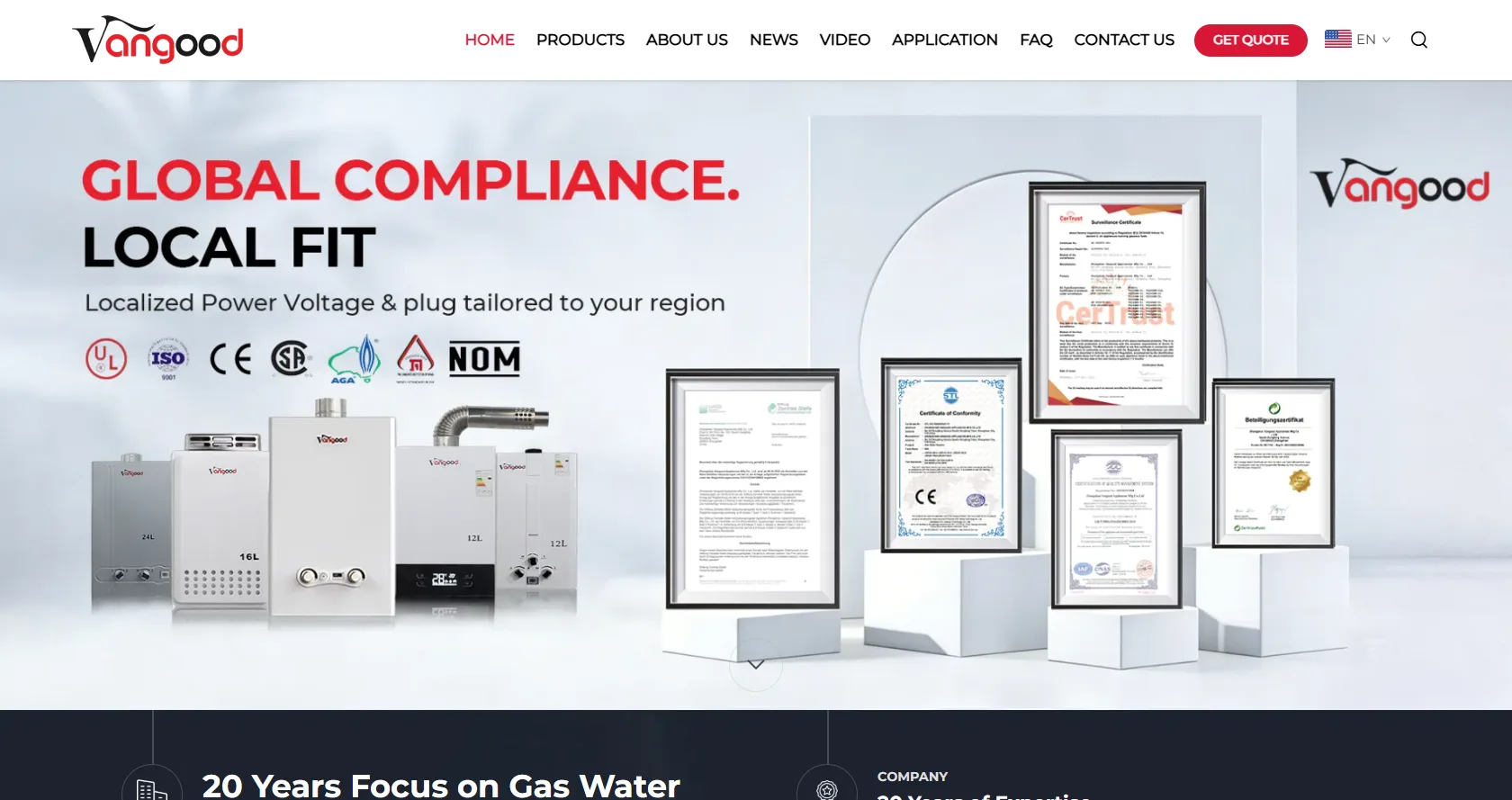
Vangood’s Zhongshan base dates to 2001 and builds gas water heaters almost exclusively. The range covers outdoor and portable models, and the company sells as an OEM/ODM partner rather than a reseller that forwards drawings to someone else.
Breadth is the reason to shortlist it. A brand building a multi-model outdoor line, an importer consolidating heaters with spare parts, or a buyer starting private-label development can all work from one factory.
The burden stays with you on model proof, so request the certificate, low-pressure data and component stack for harsher off-grid use.
📌 Our Verdict: Broad range and real OEM/ODM depth. Before the PO, check that the certificate packet and functional test log name the exact model you plan to ship.
2. Haobang: Long-Running Dongfeng Plant for Portable Camping Units
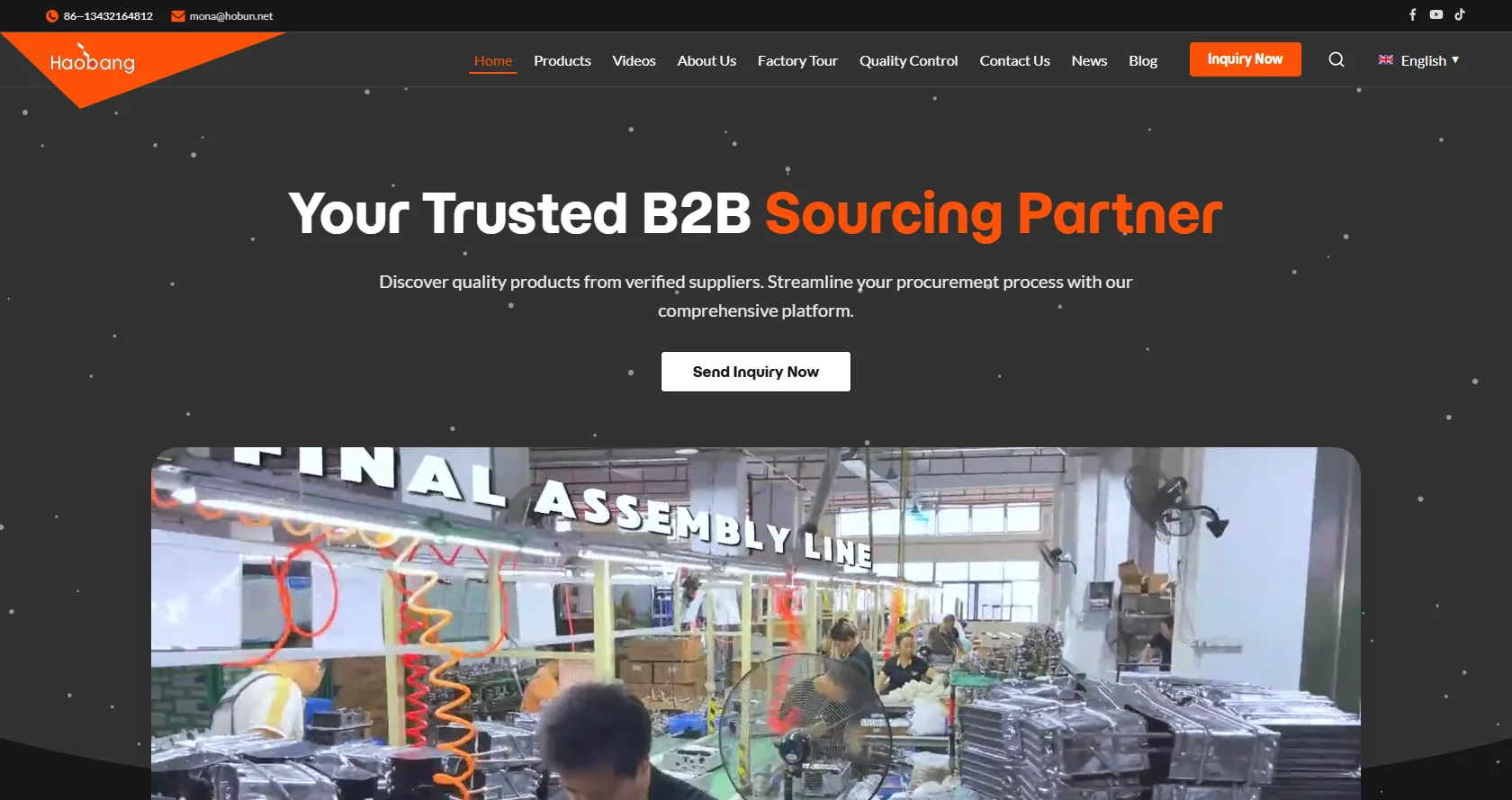
Haobang has one clear edge: it started around 1997 and never stopped. The plant sits in Dongfeng, Zhongshan, runs gas and electric water heater lines, and builds portable camping units. Its footprint is larger than many peers in the cluster.
Longevity cuts sourcing risk when you fear supply instability or weak process control. A supplier that has survived two decades of gas safety rule changes usually shows tighter line discipline than a younger plant, which suits pilot and mid-scale OEM programs.
Approval still takes three checks. Confirm which portable models carry which certificates, because a generic ISO 9001 sheet does not cover a gas valve change on a camping SKU. Measure the true startup pressure on your model, and verify that the export paperwork is model-specific.
📌 Our Verdict: Low supply risk for camping pilots. Ask for the exact SKU certificate and a video of the low-pressure start before you sign.
3. Gastek: Portable-First OEM with Export-Market Certification Focus
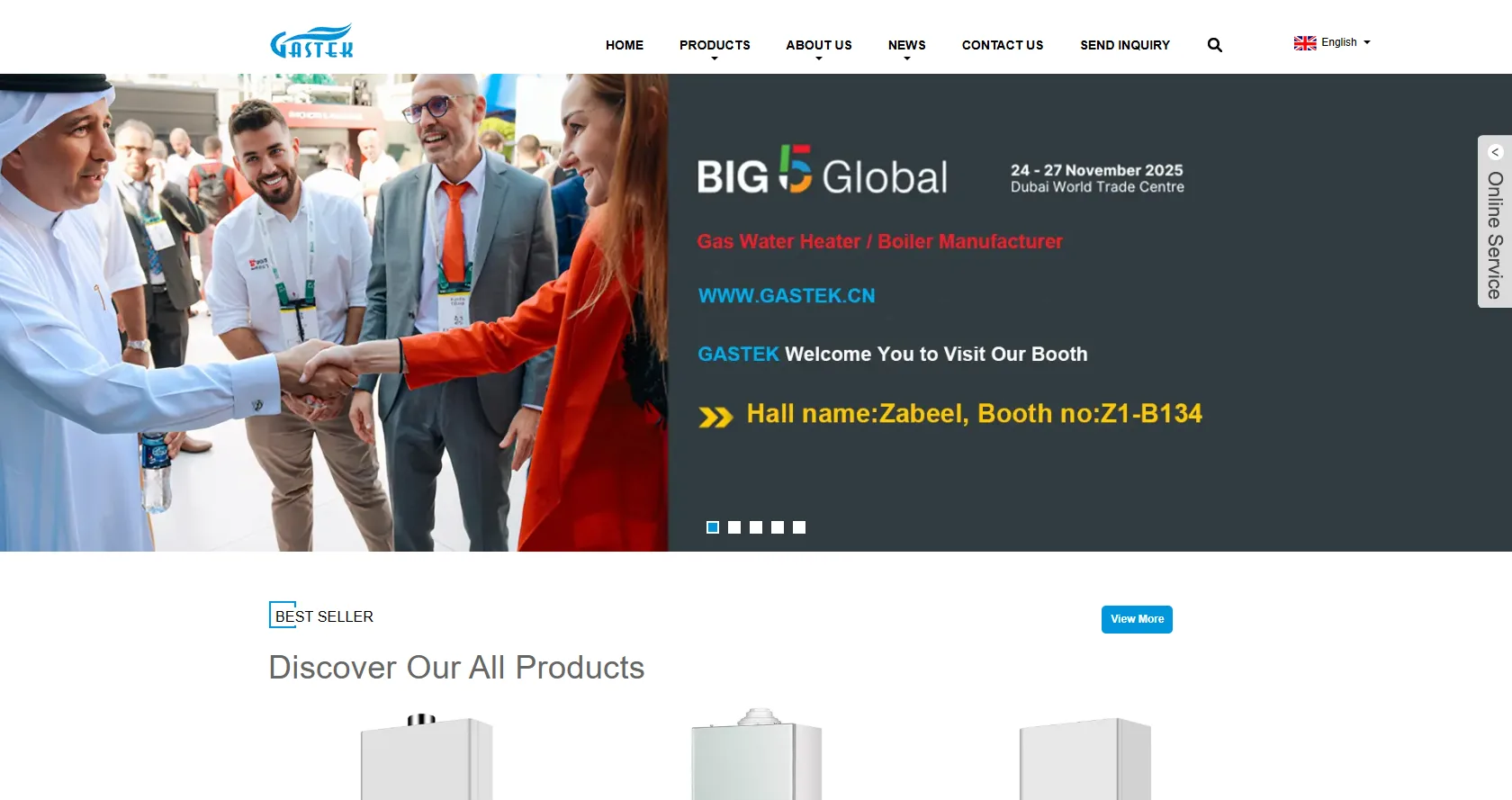
Gastek earns a factory-first OEM look, with real portable-camping relevance. The Nantou, Zhongshan plant appears OEM-heavy, and its portable LPG and natural-gas camping units show up in factory marketplace listings, not just brochure copy.
That exposure suggests a real portable line rather than a generic heater catalog. Treat the export pitch as a claim to verify: the public founding year conflicts across sources, which is a reminder to trust documents over profile pages.
Check certificate scope for each exact model on the issuer’s own listing, ask who owns the test reports, then walk production from incoming components through final burn-in and leak checks. Conditional pick until those three answers are in writing.
📌 Our Verdict: Factory-direct fits portable-camping OEM work, but only as a conditional pick. Get the certificate, the test-report owner and the burn-in route confirmed first.
4. SEFFY: RV and Outdoor Specialist with a Stainless-Steel Durability Story
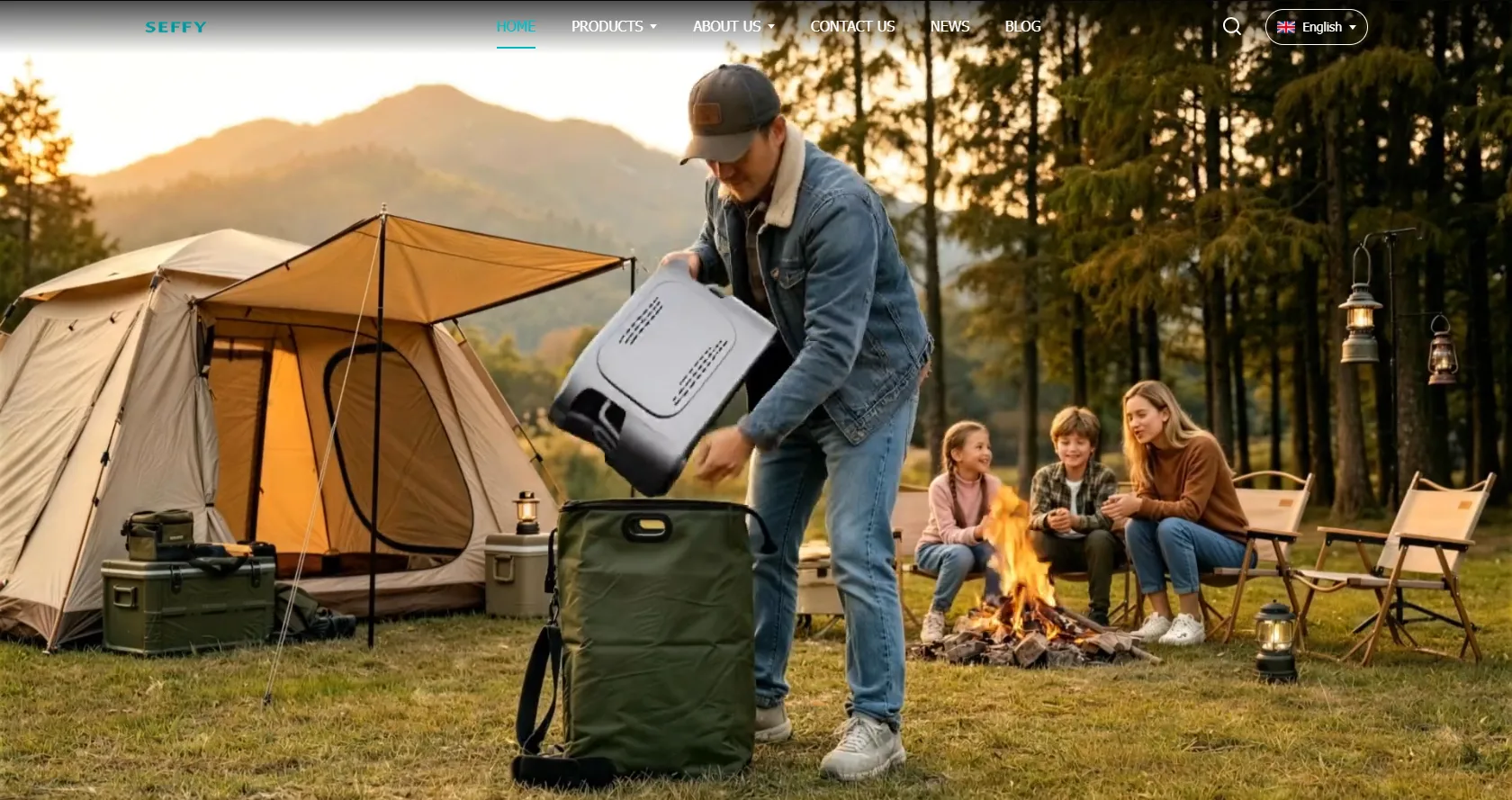
SEFFY is the name on this list whose public material speaks most directly to portable, camping and RV use. Based in Shunde, Foshan, the company claims CE, AGA and CSA relevance and leans on stainless-steel heat exchangers, vacuum brazing and 100% pressurized leak testing.
Copper parts heat up fast, but cheap copper corrodes quickly in wet forest camps. Tough stainless steel resists that rust far better, and a thick exchanger holds up longer in bad outdoor weather. That is the durability argument, and it is worth paying for if your buyers camp in wet climates.
Then test the story against three questions. Does the stainless exchanger resist corrosion better than a coated copper unit, who owns each certificate, and is every unit pressure-tested or only the samples?
📌 Our Verdict: A credible durability-led pick for RV and camping. Ask for the certificate holder name and the leak-test log for the exact SKU before a deposit.
5. Xiangji: Large-Scale Zhongshan Manufacturer with Component Control
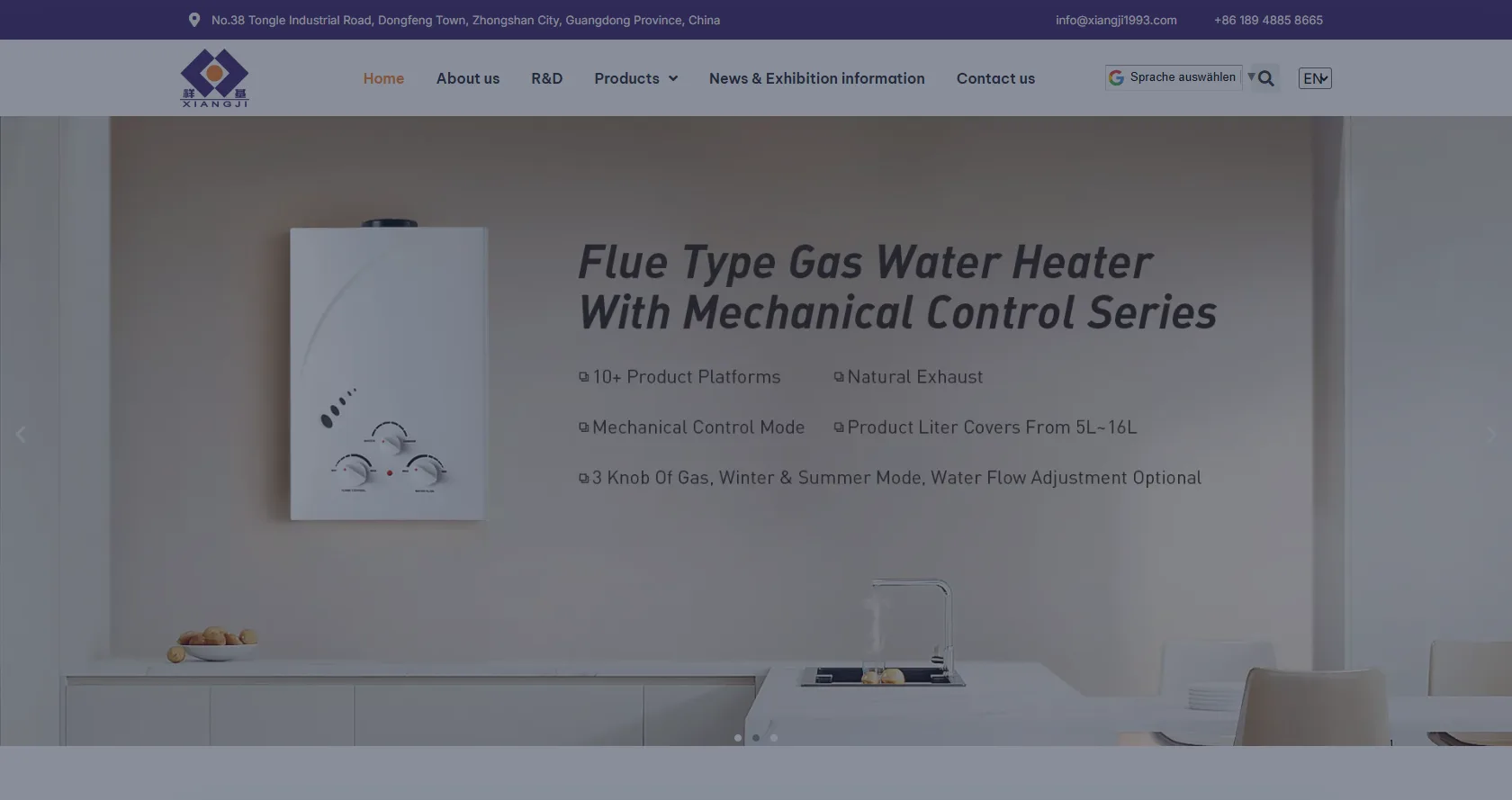
Xiangji is a scale-driven manufacturer in Dongfeng, Zhongshan, not the low-bid option. The company cites a 1993 start, about 60,000 square meters and more than 800 staff. That scale pays off when you need supply assurance rather than just a quote.
The plant builds complete units and core components in-house, including its own brass gas valves and control boards. That vertical depth speeds root-cause analysis: a leak or ignition fault can be traced back to the valve, burner or exchanger on the same site, and small line errors get fixed in hours instead of weeks.
On a larger OEM program, component control can outweigh a lower headline unit price. Treat Xiangji as a scale play for bigger annual volumes, then demand CE and CSA evidence and a 90-day field data set on leak and ignition performance.
📌 Our Verdict: Strong for volume and component traceability. Approve it only after the exact portable SKU certificate packet and a field data set arrive.
6. Macro: Established Foshan Gas Appliance Group for Higher-Volume Programs
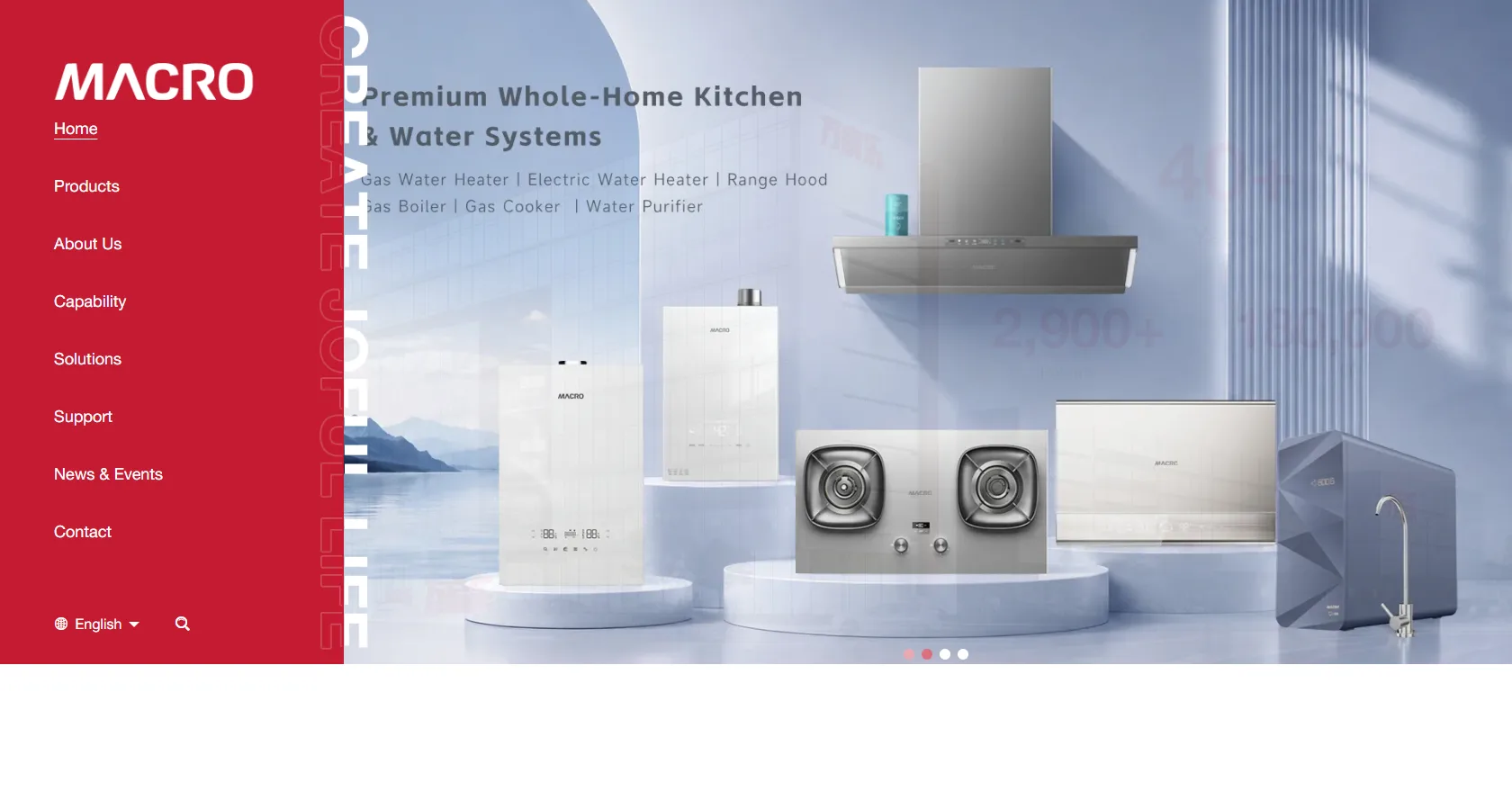
Macro is a higher-volume shortlist candidate, not a pure-play camping specialist. The Foshan gas-appliance group dates to roughly 1985 and runs a broad mix across water heaters, boilers, hobs and purifiers, with an export record that reassures risk-averse retail and importer buyers.
That age and range suit larger programs that can absorb enterprise lead times. Public evidence on portable outdoor models is lighter than on its core lines, which shifts the proof burden onto your RFQ rather than disqualifying the factory.
Ask three questions before you shortlist. Does the portable line exist at production scale, are the certifications portable-model specific, and will a large enterprise stay flexible on customization, launch timing and smaller validation runs?
📌 Our Verdict: Keep it on a volume shortlist, not as a first sample pick. A portable SKU needs its own certificate and a dated floor video before an RFQ.
7. Songzhi: Flexible Mid-Sized Factory for Electric and RV-Adjacent Programs
Songzhi is the least gas-centric name on this list. Consider it mainly when your roadmap includes electric, RV-adjacent or customization-led programs, not a gas-first outdoor line. Based in Dongfeng, Zhongshan, it started around 2003 and leans toward electric water heaters.
That medium scale gives you attention, but not gas volume discounts. The electric focus extends into some RV and portable adjacency, which can still matter for mixed heating assortments or accessory ecosystems where one flexible partner beats a rigid giant.
If you need portable propane units, verify gas-category depth first. Ask who owns the gas certificates, request real production experience in your exact outdoor application, and take a model-specific packet rather than a generic factory sheet.
📌 Our Verdict: Useful for electric and mixed assortments. A portable propane SKU needs a floor walk and a model-specific certificate before you sign.
8. Vanka: Vangood-Linked Portable Line for Faster Category Entry
Vanka reads as a Vangood-linked brand line rather than a separately verified standalone campus. It serves as the outdoor, camping and portable arm of Vangood, which buyers often prefer when they want faster catalog entry and one consumer-facing story instead of several factory names on a listing.
Brand-line convenience is not factory-level proof, though. You get commercial speed, a grouped portable lineup and easier SKU management, but the manufacturing system behind it still needs the same checks.
Demand four answers in writing: who holds the certificates, who owns the tooling, where the batch is actually built, and how warranty-service parts are managed. Keep your money safe as well, releasing final payment only after an inspection.
📌 Our Verdict: A qualified brand-line option. Request the parent factory’s certificate holder, tooling ownership, production site and spare-parts plan on every RFQ.
What Are the Four Stages of Vetting an Outdoor Portable Gas Water Heater Factory?
Four gates separate a shortlist entry from a supplier you can sign. Each one closes with a document you can file against the order, not a conversation you have to remember.
1. What Should You Lock Before a Sample Is Released?
Lock the destination market, gas type, pressure range, temperature-rise target and the approvals that market demands. For North America that means a CSA Group certification that names the model, and for Europe a CE file that names the notified body where the category requires one.
Put document control in place before tooling. One missing page stops customs clearance and retail review at the same moment, and the stage closes with a signed scope sheet that lists the certificate holder for every model in the order.
2. Why Does DFM Review Happen Before the Sample?
DFM review settles burner layout, heat exchanger architecture, gas-valve selection, ignition reliability and enclosure durability before a sample exists. That review is the front end of the manufacturing process behind any OEM build.
It also catches fit problems before tooling money is spent. A weak gas valve found here costs two days of review; the same valve found in the field costs a recall, so every open risk leaves the stage with an owner and a date.
3. What Do You Test When the Sample Arrives?
Test ignition stability, leak points, flame colour and height, anti-tilt cutoff and the packaging drop. Three consecutive cold starts without flameout is the floor, not a bonus. A sample that only starts warm is a sample that will fail on a cold mountain morning.
Check the hardware with your own hands as well. A rubber-mallet strike on the casing tells you more about steel gauge than any spec sheet. Approve cosmetics only after packaging matches the colour target.
4. Which Gates Run Before the Container Ships?
Buy the inspection rather than assuming it. Name the stations you want watched, the sampling level, and the hold point where a failed lot stops. That gate belongs with the quality control standard in the order file, not in a verbal promise.
Close the stage with a signed inspection report, the OQC release and a compliance pack that matches the destination market. When those three agree, the container can move.
🔬 QA Floor Note: The certificate holder’s name is the detail buyers skip, and it is the one customs checks first. Get it in writing before the deposit.
Sourcing the Build After the Shortlist
A shortlist narrows the field, and the build decides the rest. Certification scope is the part buyers underestimate, and the certifier matters as much as the mark: ETL listings are verified through Intertek, while the European CE marking rests on the manufacturer’s own declaration for many gas categories.
For an Australian program, confirm WaterMark for plumbing connections, since that mark is separate from the gas approval. For a North American launch, the CPSC sets the safety expectations retailers apply at onboarding.
A custom carry or shower kit changes the enclosure and hose routing, so price it against a landed cost model rather than a unit quote. For the enclosure fit itself, start from the camping shower program and match the unit footprint to the pack you ship.
💡 Key Insight: Rank factories by portable-line depth first, then by certificate ownership. A plant that wins on price can still lose on a certificate that names another model.
Conclusion
Outdoor portable gas water heater factories in China do not compete in one market. They split into portable gas OEMs, broad-line gas groups, electric and RV-adjacent plants, and brand lines tied to a parent factory, and the right name depends on the brief you are sourcing.
Match the factory to the platform before comparing price, confirm who owns the certificate file before paying for samples, and test low-pressure startup on the setup you will actually sell. Vangood leads the outdoor gas slot, while Haobang, Gastek and SEFFY cover camping, and Xiangji and Macro carry the volume categories.
Send the BOM and target market through the contact and RFQ page for a factory fit check. Bring the destination market and the platform you need, and the shortlist narrows from there.
I receive no manufacturer kickbacks for these findings.
Frequently Asked Questions About Outdoor Portable Gas Water Heater Factories China
1. What Certifications Should a Portable Outdoor Gas Water Heater Factory Show for North America, Europe, and Australia?
For North America, demand CSA certification. For Europe, look for CE marking under the Gas Appliances Regulation, which also requires a notified body review for some categories. For Australia and New Zealand, AGA is the core gas mark, and WaterMark applies separately to plumbing connections.
The certificate and test reports must name your exact model number. A generic ISO 9001 sheet or a certificate for a different SKU is not enough. One audit ended at the packet stage because the CSA certificate listed a 6L model while the sample was 5L. The certification overview lists the rest of the document set.
2. What Actually Happens During a Real AQL 1.5/2.5 Inspection of a 5,000-Unit Export Batch?
The inspector pulls cartons from three pallet positions and checks labels, drop-test marks and retail packaging. Then the gas-path leak bench pressurizes each unit and submerges the valve in a water tank while the operator logs pressure drop for 30 seconds.
Next comes the water-path test at 1.5 times working pressure, followed by ignition cycle checks, flame stability and low-pressure startup. Any defect gets a red tag at IPQC, and final OQC holds the pallet. Ask to watch the leak bench for a full shift, not one unit.
3. What Minimum Water Pressure, Ignition Reliability, and Safety Features Should Buyers Verify for Off-Grid Use?
Gravity water bags hang in trees and drop water slowly with very little force. Many cheap heaters ignore that weak flow, and the gas valve simply stays closed. A real camp shower needs a sensitive water sensor that opens at about 0.025 MPa.
In tests, one model claimed 0.02 MPa but stalled at 0.03 MPa, and that 0.01 MPa gap matters at altitude or with a weak pump. Require three consecutive cold starts, a flame failure device, anti-tilt cutoff and over-heat protection, plus the factory test log for each.
4. What MOQ, Sample Expectations, and Factory-Direct Pricing Patterns Are Realistic?
Small OEM or custom runs often start around 50 to 100 units, depending on branding and hardware changes. Samples usually take 48 hours to two weeks and you should pay for them. A private mold can add about 200 units to the MOQ.
Do not compare list prices. Tooling, packaging and market-specific compliance shift the economics far more, and tooling amortization often costs more than the unit-price difference. Ask for a price breakdown, and budget for certification testing on each model.
5. How Does Gulfstone Back Its Factory Claims Without Turning This Into a Sales Pitch?
Gulfstone runs its own Shunde plant alongside an audited supplier network, and benchmarks a candidate against your current supplier’s defect rate rather than against marketing copy. Document packs and factory reviews go through the contact page and are treated as evaluation material.
Any durability claim needs raw defect-rate evidence behind it. Where the numbers do not exist yet, the comparison says so instead of filling the gap.

Forward
Co-founder & General Manager, GulfstoneGas appliance manufacturing and certification
Most of what decides a gas appliance is settled before anything is built — on the drawing, at the cut-out, in the tolerance someone chose for the gas path. I have spent my working life on the manufacturing side of that decision, and this is where I write down what it has taught me.
Nothing here is written from a sales desk. Every note comes off the floor: a batch held until a reason was found, a fitting that failed in transit, an approval path that only made sense once the destination market was fixed. If you read these first, the opening conversation starts at the standard rather than at the beginning.
- Gas water heater engineering
- Design for manufacturing
- Certification path selection
- Private-label tooling
- Off-grid and outdoor water heating
- Custom RV Appliance Industrial Design: An OEM Brief to a Validated PrototypeNov 3, 2026
- How to Build Custom Thermostat UI Design Software for OEM Embedded PanelsNov 3, 2026
- Top 8 RV Water Heater OEM Suppliers Canada: Vetted for Volume BuyersNov 3, 2026
- Top 10 Portable Propane Water Heater Manufacturers USA: A No-Hype Buyer ShortlistNov 2, 2026
- PPWR Compliance Checklist for EU Water Heater Packaging: The 10 Documents Before the Container LoadsNov 2, 2026
- Top 8 Portable Water Heater Manufacturers and Suppliers in China for Camping/RV OEMsNov 1, 2026
Fifteen years in appliance manufacturing — home appliances, RV refrigeration, then gas water heating — from the drawing to the shipping container.
Leads Gulfstone's design-for-manufacturing reviews and the certification path selected for each destination market.
Works directly with OEM and private-label buyers on tooling, tolerances and the approval file.