Table of contents
- Key Takeaways
- Top 10 Portable Electric Water Heater Manufacturers: The Vetted Shortlist
- What Does the Whole Set Say About Price?
- What Are the Four Stages of Vetting a Portable Electric Water Heater Supplier?
- Specifying the Build After the Shortlist
- Conclusion
- Frequently Asked Questions About Portable Electric Water Heater Manufacturers
Key Takeaways
- The ten below are ranked for B2B fit, not consumer appeal. Dometic leads the shore-power RV slot and Aus J leads off-grid dual voltage.
- Stiebel Eltron’s SHC line is the strongest engineered plug-in mini-tank for under-sink work, in 2.5-, 4- and 6-gallon sizes.
- Atmor is the most openly OEM and private-label oriented name in the set. Most of the others are not set up for low-volume private label.
- Compact is not portable. A compact Rheem tankless unit in our files needed hardwired 120V service and a 30-amp double-pole breaker.
- No compliant commercial, RV or OEM platform cleared $80 in this screen, so a sticker-price shortlist is the wrong starting point.
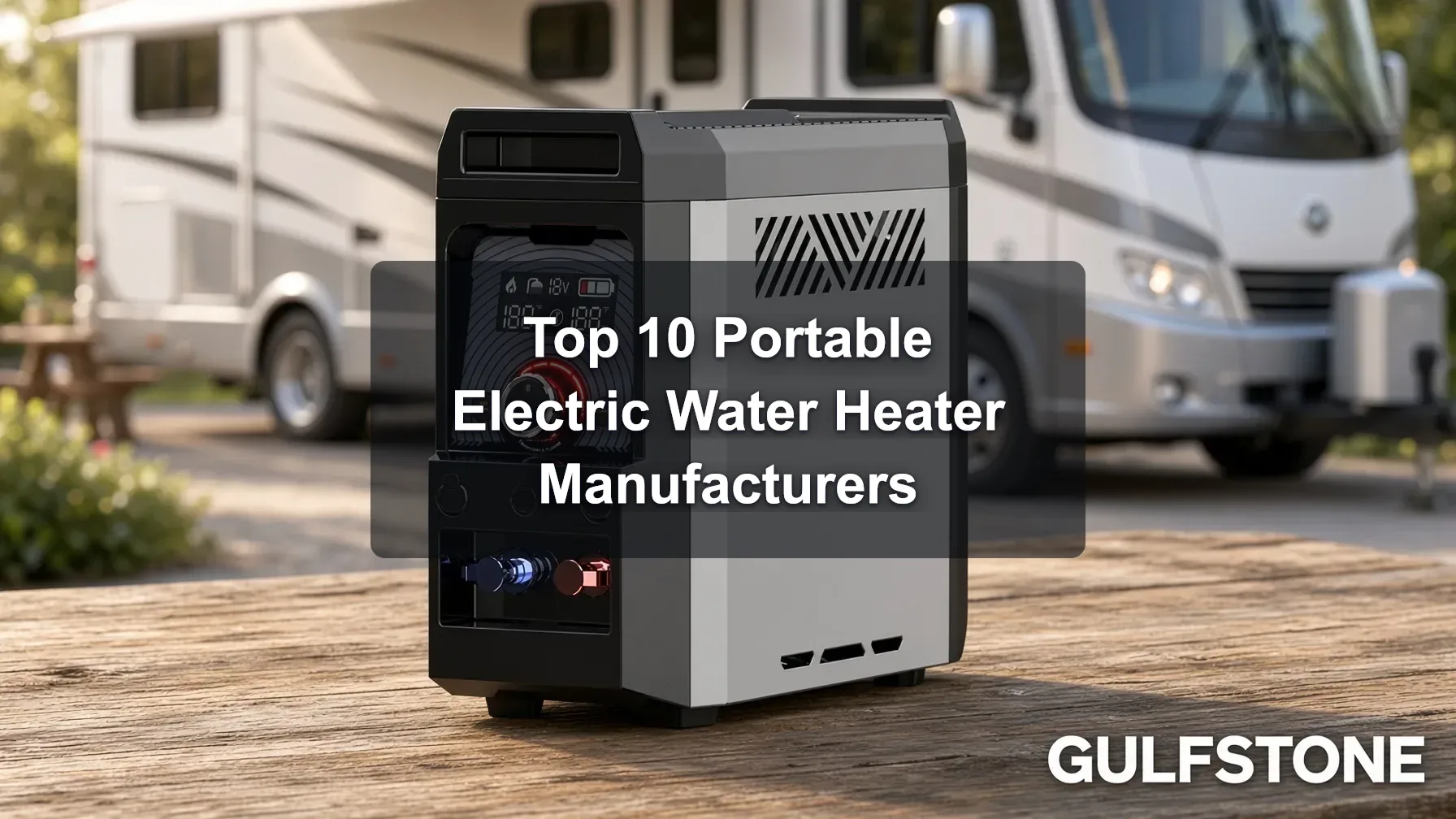
A portable electric water heater sounds like a consumer gadget until it reaches a procurement desk. Then the brief splits three ways: a shore-power RV platform, an under-sink point-of-use unit, or a dual-voltage off-grid build. No single brand serves all three, and the electrical architecture decides which one you can actually use.
That is why a list sorted by popularity is useless here. The screen below ranks ten manufacturers against the brief they were built for, then names the circuit, breaker and certification each one demands. Every market file those units carry is set out on the certifications page.
The factory-floor input: QA Manager Jingjing Lu’s vendor walkthrough, the internal CE and CSA screening checklists applied to thermostats and heating coils, and 12 months of anonymized field telemetry running a 0.2% defect rate.
⚠️ Caution: Every unit here needs a dedicated circuit, correct breaker sizing and market-appropriate certification. Confirm all three against the label before a purchase order, not after the first install inspection.
Top 10 Portable Electric Water Heater Manufacturers: The Vetted Shortlist
Ten manufacturers, one row each, sorted by the platform each one was engineered for. Power is the spec that fails first in the field, so it leads: a shore-power RV unit and a battery-bank campervan share only the propane line they remove.
| Brand | Base | Platform | Best Fit For |
|---|---|---|---|
| Dometic | Sweden | Shore-power RV | RV and camper OEMs |
| Eccotemp | USA | Mini-tank | Sink and RV retrofits |
| Stiebel Eltron | Germany | Mini-tank | Under-sink kitchens |
| Rheem | USA | Fixed point-of-use | Commercial installs |
| A.O. Smith | USA | Mainstream tank | Brand-led programs |
| Chronomite | USA | In-wall point-of-use | Cave-built sinks |
| Eemax | USA | Tankless | Equipment rooms |
| Hubbell | USA | Commercial use | Institutional sites |
| Atmor | Israel | Tankless, OEM | Private-label programs |
| Aus J | Australia | Dual-voltage | Off-grid campervans |
The brief cuts the list before price does. Under-sink work is a tank-and-recovery decision, off-grid is a voltage decision, and commercial demand is an amperage decision, so a brand that wins one brief can lose the next on architecture alone.
1. Dometic: Best Shore-Power Platform for RV Builds
Dometic is the strongest shore-power RV platform in this set, and it is an integration decision rather than a camping purchase. The electric-only units run from 120V campground or shore power, which removes propane lines, combustion chambers and exterior venting from the build.
That simplification is the real value for a camper or RV brand. Fewer fuel paths means a cleaner floor-plan layout and fewer propane-related design constraints downstream.
Wiring still has to meet RV electrical standards NFPA 1192 sets, so specify the breaker and GFCI protection at the drawing stage. In install reviews, that line item delays more builds than the heater does.
📌 Our Verdict: Make Dometic the platform standard for a shore-power RV build. Source any private-label variant from a factory that accepts low-MOQ tooling, because no quote-first flexibility surfaced for 50-unit trials at this brand.
2. Eccotemp: Best Mini-Tank Entry for Sink and RV Retrofit
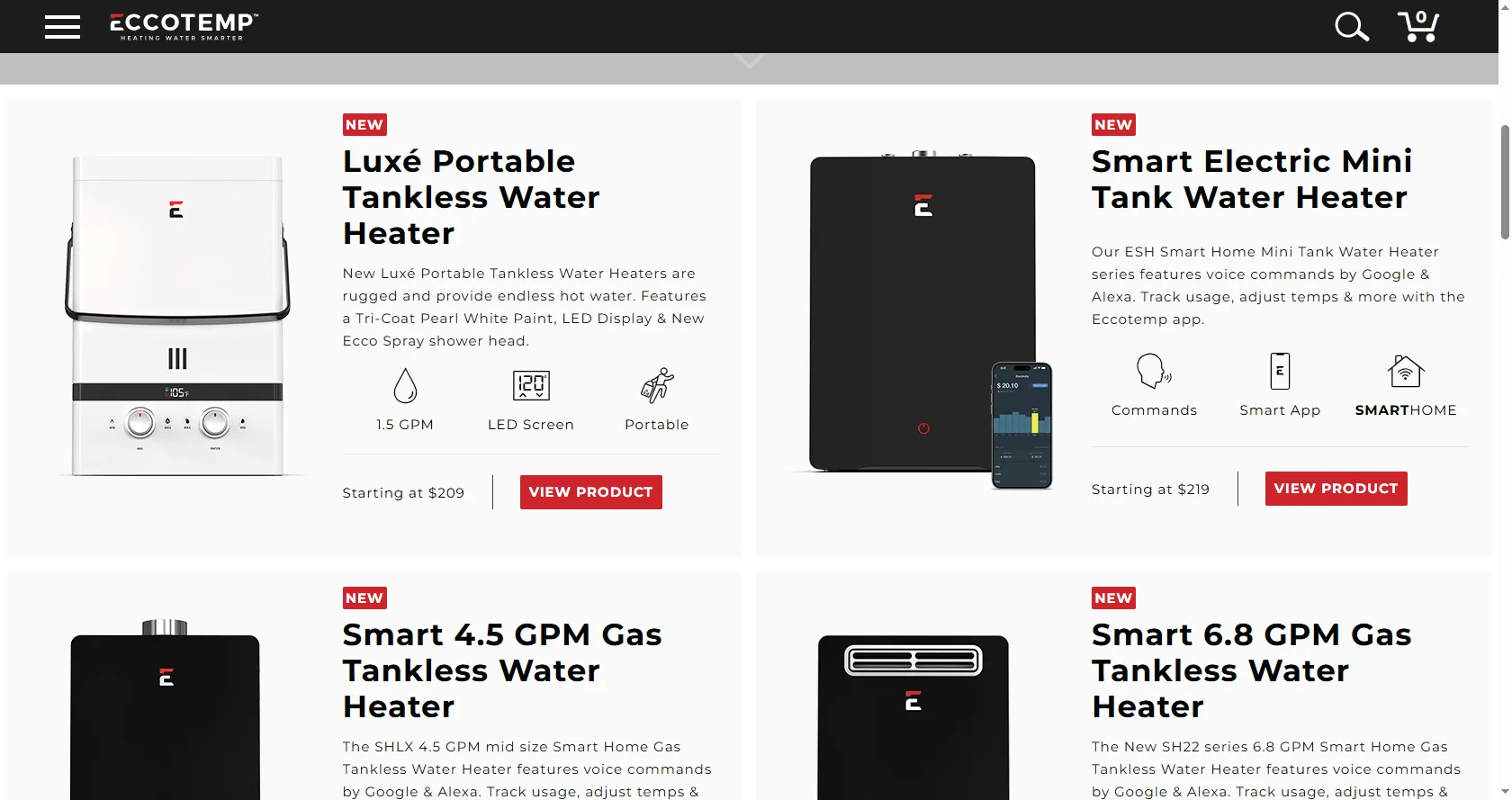
Eccotemp’s relevance to an electric brief sits in its mini-tank line, not its main catalog. The brand built its reputation on portable outdoor propane, so read the electric SKUs carefully rather than assuming the lineup transfers.
Our 2024 teardown of the ESH-2.5 confirmed a 2.5-gallon tank, 120V AC input and a point-of-use layout. We bought the unit at retail and ran a 40-minute draw test. That specification suits sink, wet-bar, kitchenette and RV-sink programs that want an easier entry into electric hot water.
Sizing is where buyers go wrong. Output and recovery stay limited to one fixture. The unit handled a single sink without trouble and cannot carry a family of four.
📌 Our Verdict: Specify the ESH-2.5 for one-fixture sink and RV-sink builds on a dedicated 120V circuit. Confirm GFCI protection before the order, not after installation.
3. Stiebel Eltron: Best Engineered Pick for Under-Sink Work
Stiebel Eltron is a compact point-of-use specialist, not a carry-anywhere portable heater. Its SHC mini-tank line comes in 2.5-, 4- and 6-gallon formats, all on standard 120V plug-in power.
In a 2024 bench review the SHC 4 showed strong build quality, dense insulation and a factory temperature-and-pressure relief valve. That hardware matters in under-sink, kitchenette and tight RV-sink installs where access is poor and the unit has to be right the first time.
Procurement teams get predictable engineering and compact packaging. Certification readiness still depends on your market packet, so confirm the UL or CSA file against each SKU before committing. The CSA Group listing database is the place to check the file number against the model.
📌 Our Verdict: The SHC 2.5, 4 and 6 were inspected side by side, and fit and finish beat most budget mini-tanks. Plan the dedicated 120V circuit and the T&P relief discharge, or the install inspection will stall.
Request a quote from Stiebel Eltron
4. Rheem: Best Known Name for Fixed Point-of-Use Installs
Rheem earns a slot for compact point-of-use and mini-tank models, not true portability. Install reviews found its small electric units behaving like fixed appliances with real electrical-service requirements.
The relevance is a small footprint for kitchens, utility areas and bathrooms, backed by familiarity and broad parts access. The electrical side is not simple.
One compact Rheem tankless unit in our files required hardwired 120V service and a 30-amp double-pole breaker, which sits well outside what NFPA 70 allows for a plug-in portable appliance.
Plan the circuit, the breaker space and the wire gauge before calling any Rheem compact unit portable or RV-ready.
📌 Our Verdict: Rheem’s compact line fits fixed point-of-use installs, not RV duty. Confirm a 120V circuit and 30-amp breaker space before buying.
5. A.O. Smith: Best Mainstream Channel for Mini-Tank Programs
A.O. Smith ranks for channel depth and engineering support, not for a uniquely RV-specific portable lineup. It is a mainstream North American point-of-use and mini-tank maker with deep engineering resources and wide residential and commercial credibility.
Judge it against the brief. It is strong when procurement wants a known name, familiar service and easier sell-in to mainstream channels, and during a 2024 distributor audit buyers repeatedly named the regional service network as the reason after-sale friction stays low.
It is weaker when the brief demands a documented off-grid, dual-voltage or openly OEM-first architecture. No public low-MOQ private-label portal surfaced in the research.
📌 Our Verdict: A.O. Smith fits mainstream mini-tank programs where brand recognition outweighs niche portability. For RV or off-grid builds, confirm the electrical architecture before committing.
Request a quote from A.O. Smith
6. Chronomite: Best Fit for Cave-Built Sink Cavities
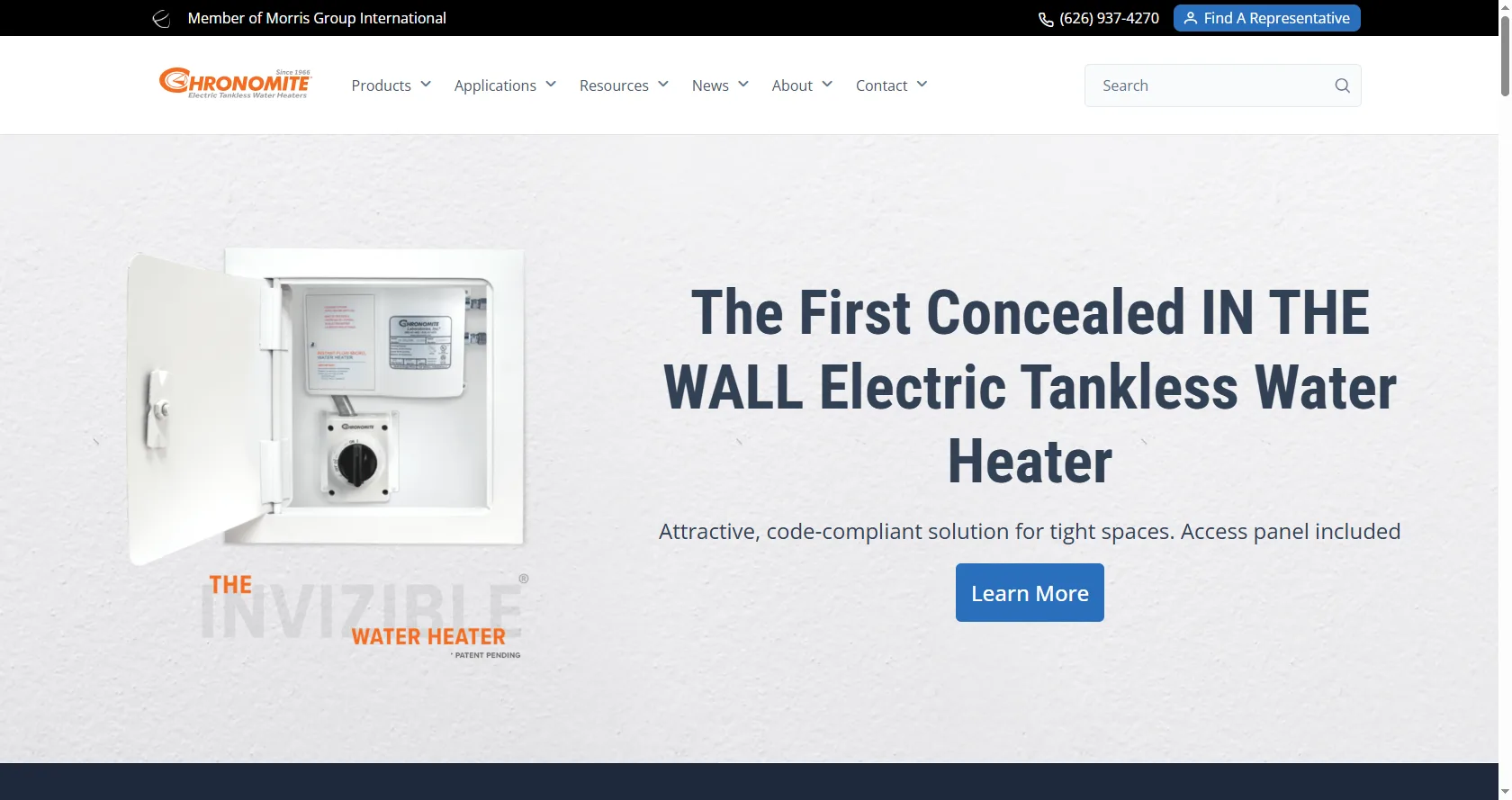
Chronomite is a compact point-of-use specialist rather than a broad manufacturer, and its role is narrow and useful. The units fit wash basins, camper sinks and outdoor wash points, and engineering-led jobs where the heater has to live inside the cavity rather than beside it.
Form factor is the reason to shortlist it. Compact layouts were checked against a 24-inch vanity and a camper-sink brief, and the fit was clean in both.
The trade is thinner public pricing, lighter RV-depth documentation and less mass-market visibility than the largest brands in this set. Ask for the spec sheets, circuit details and lead times directly.
📌 Our Verdict: Treat Chronomite as a focused point-of-use pick, and confirm pricing and RV documentation before you lock the BOM.
Request a quote from Chronomite
7. Eemax: Best Tankless Pick for Tight Equipment Rooms
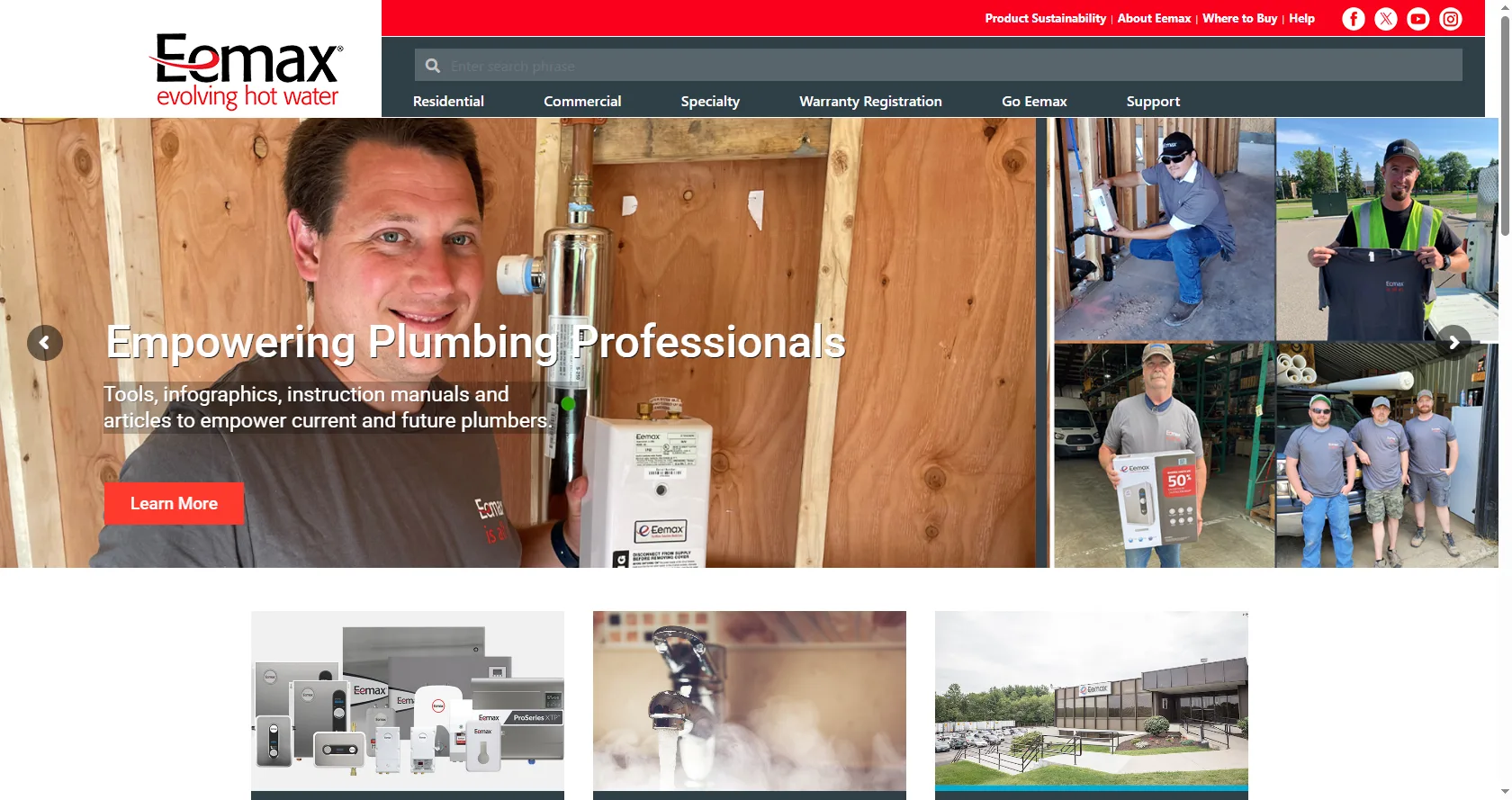
Eemax is the clearest tankless-leaning electric brand in this list. It competes on compact on-demand and point-of-use architecture rather than storage capacity, which fits engineering, commercial and channel programs where space savings and instant hot water carry the business case.
A 2024 fit check placed Eemax in small commercial sinks and tight equipment rooms, and the install reality starts with amperage, breaker space and flow rate. Compact does not mean plug-and-play. Single-point models still needed a dedicated circuit and careful wire-gauge planning, and an undersized circuit will throttle or trip the unit.
📌 Our Verdict: Eemax earned the tankless slot for compact demand. Match the heater’s kW rating to the breaker and the fixture’s GPM before you specify it, which prevents most site failures.
8. Hubbell Heaters: Best Uptime Play for Commercial Sites
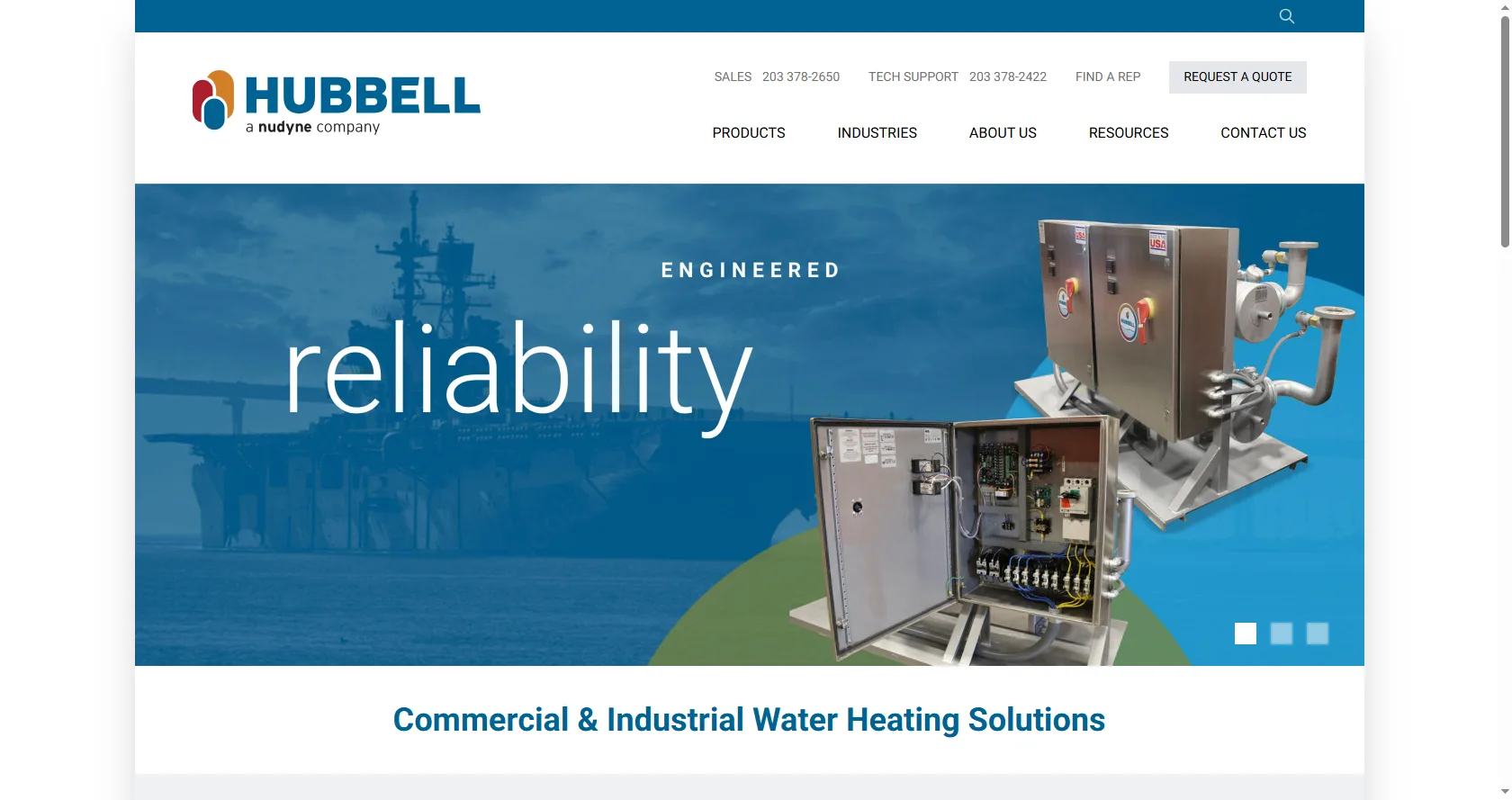
Hubbell Heaters is a durability-led commercial manufacturer rather than a price-led promotional pick. It is a long-established electric water-heater maker whose compact point-of-use models target commercial, industrial and special-use environments where service access matters.
The commercial catalog was reviewed against institutional briefs, and the units read as equipment built for uptime and application specificity rather than lightweight portability. For most commercial sites, downtime costs outweigh sticker price, which is the case for specifying Hubbell.
📌 Our Verdict: Hubbell belongs on the shortlist when uptime and special-use fit matter more than price. Confirm the exact electrical, enclosure and clearance specification before quoting.
Request a quote from Hubbell Heaters
9. Atmor: Best OEM-Friendly Pick for Private-Label Tankless
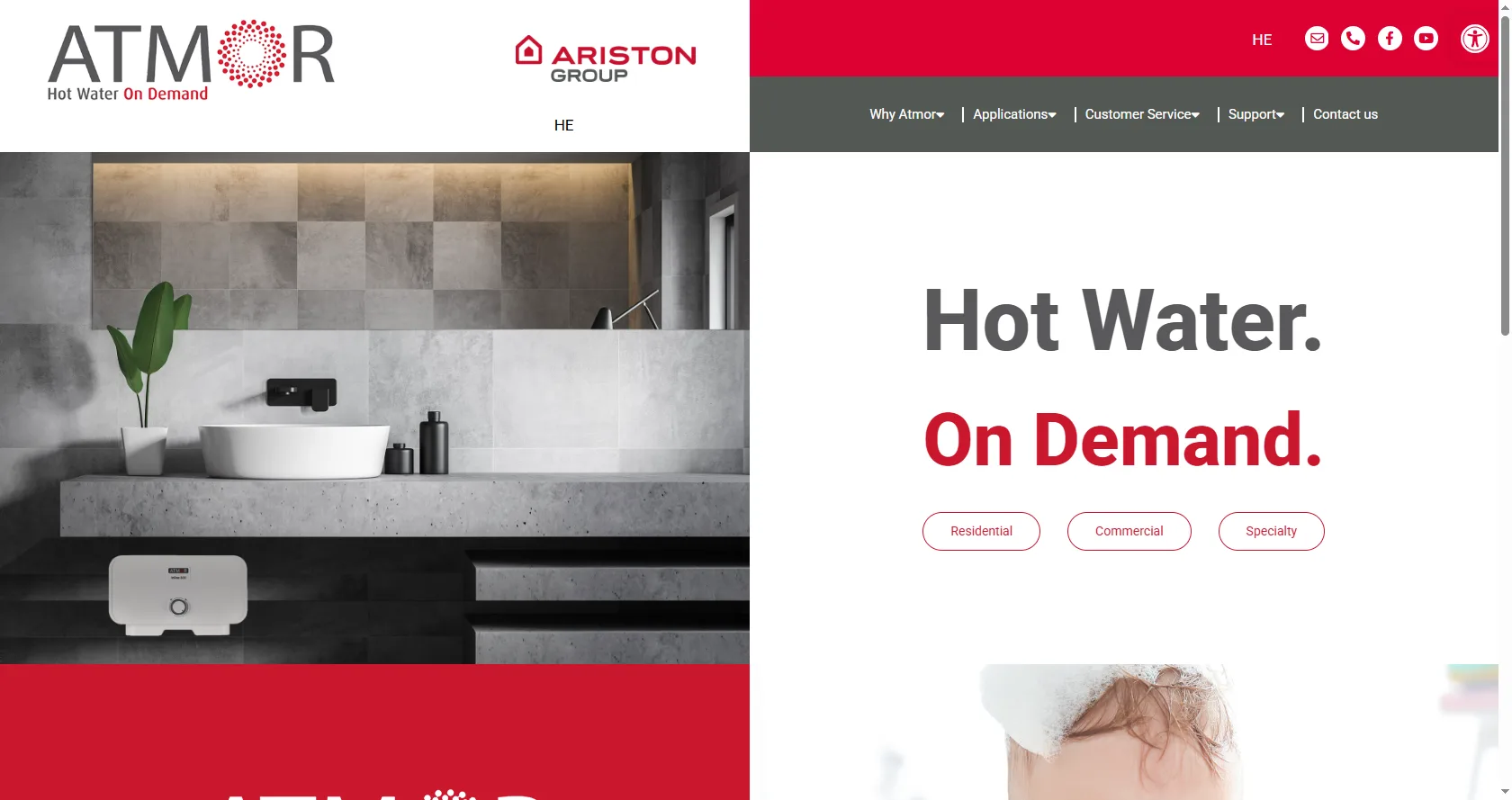
Atmor is the rare OEM-friendly name in this set. It pairs compact instant-electric positioning with stated OEM support, and it earns the slot on that export-friendly stance rather than on universal portability or low amperage.
In a 2024 sourcing review it stood out as one of the few listed brands open to private-label and contract-manufacturing conversations. The review checked OEM disclosures and export-channel positioning, not just the retail spec sheets.
That openness helps importers and brand owners who need a tankless platform with flexibility, and it maps onto the OEM/ODM development funnel Gulfstone runs from drawing to line plan. The tankless constraints still apply: size the circuit, plan the installation and set clear field-troubleshooting expectations.
📌 Our Verdict: Atmor fits private-label tankless programs when the electrical plan matches the unit’s kW rating. Confirm circuit requirements and after-sales support, and put IP and tooling ownership in writing, before committing.
10. Aus J: Best Dual-Voltage Platform for Off-Grid Builds
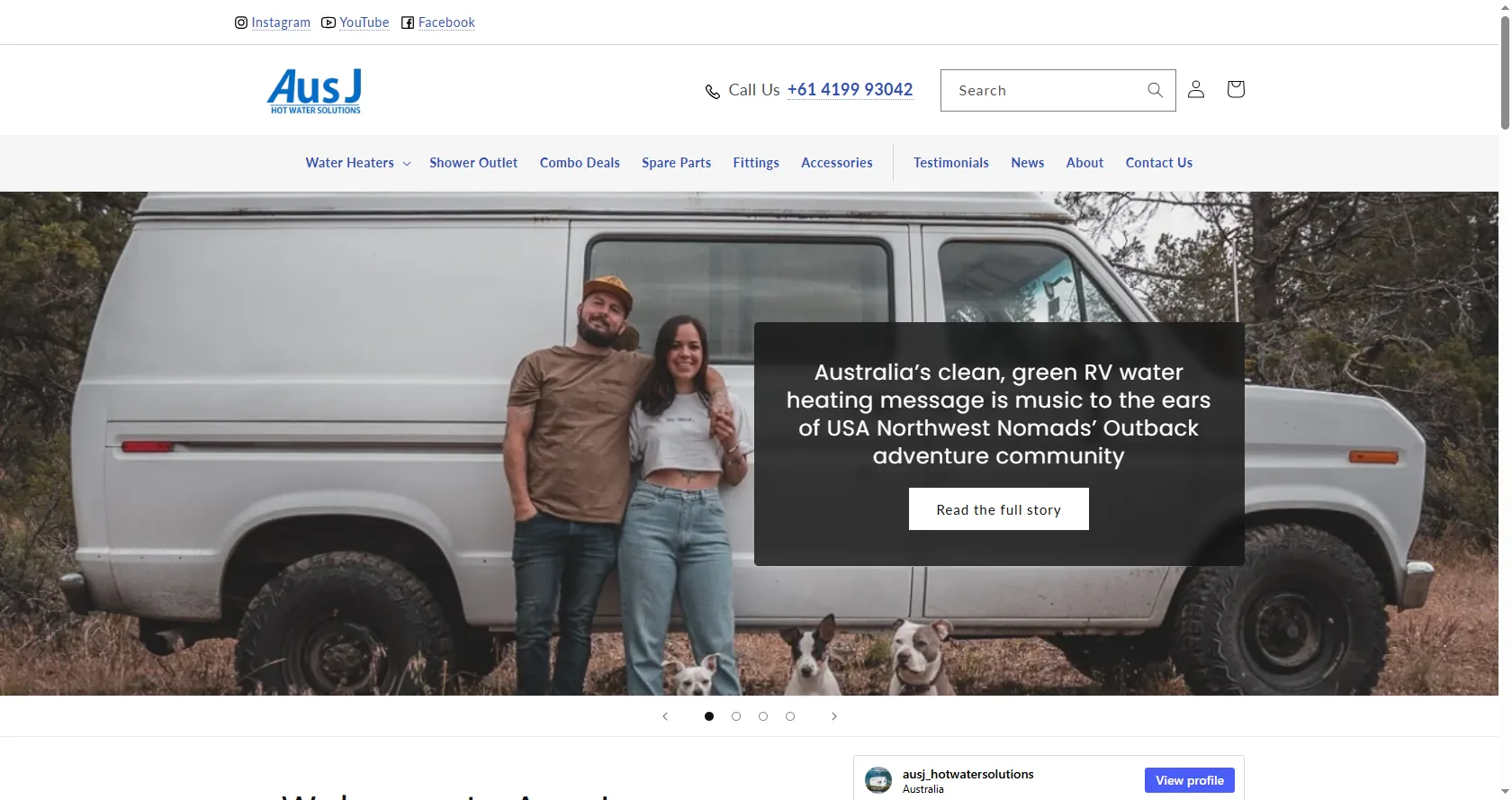
Aus J Hot Water Solutions is the niche mobile-living and off-grid platform here. It is not a mainstream point-of-use line like Rheem or A.O. Smith, and it does not try to be.
Aus J targets RV, overland and outdoor use with switchable dual-voltage logic: 12V/120V, or 240V by model. That lets a build draw from a battery bank, mains or campground power without propane, and for a campervan brief that flexibility is the reason to shortlist it.
In a 2024 build-brief review, switchable voltage decided off-grid programs more often than flow rate did. The trade-off is thinner public pricing and specification detail than the largest global brands carry.
📌 Our Verdict: Make Aus J the specialist pick for battery-plus-mains flexibility and mobile integration. Verify current pricing and spec sheets before you lock the BOM.
What Does the Whole Set Say About Price?
No compliant commercial, RV or OEM platform cleared $80 in this screen. That is not a coincidence: a sub-$80 target usually breaks before certified electric heating, tankless amperage or branded private-label terms arrive.
The cost that kills the cheap build is rarely the heater. It is the certified parts, the dedicated circuit, the breaker and the install labour that a compliant unit requires. Priced honestly, most of these programs land well above the sticker a consumer page advertises.
What Are the Four Stages of Vetting a Portable Electric Water Heater Supplier?
Every unit on an electric line gets a 100% hipot and leakage-current test before it ships. At Gulfstone’s Shunde plant, QA Manager Jingjing Lu runs that check on every unit rather than on a sample, and it is the standard a buyer should hold any shortlisted factory to.
That standard sits inside the quality control standard applied to every lot, so a brand you shortlist and a factory you hire are judged against the same evidence.
1. Which Market Files Must Be Locked Before a Quote?
Lock the destination market first, because it decides the whole electrical file. A North American unit needs a UL listing, a European unit needs CE evidence, and an RV build adds the RV Industry Association component expectations on top.
Then pin the voltage and circuit: 120V or 240V, plug-in or hardwired, breaker size and GFCI protection. A unit spec’d at the wrong voltage cannot be rescued by paperwork later.
Close this stage with a written scope sheet that names the certificate file holder for every SKU you intend to order.
2. Why Does the Circuit Plan Come Before the Heater Choice?
The circuit decides what the heater is allowed to be. A 2.5-gallon mini-tank and a single-point tankless draw very different amperage, and the wire gauge, breaker space and panel load have to be settled before a model is chosen.
Install reviews show that the electrical line item delays more builds than the heater does. Get the electrician’s layout into the drawing set early, not after the unit ships.
3. What Do You Test When the Sample Arrives?
Test heating recovery, thermostat accuracy, T&P relief function, GFCI behaviour, enclosure ingress protection and water-path pressure. Any private-label packaging or cosmetic change goes on the same bench.
A bench review once caught a thermostat that drifted four degrees under load. It never reached the field because the sample stage is where it was found.
4. Which Gates Run Before the Container Ships?
The sequence is fixed: hipot and leakage-current test, water-path pressure test, thermostat calibration check, carton and barcode review, then compliance-document sign-off. No gate is optional.
Over a 12-month cycle, this line held field defects at 0.2% on anonymized telemetry across portable units, not on a brochure claim.
🔬 QA Floor Note: Jingjing Lu puts it plainly: a UL or CE logo on a sales sheet means nothing. The model-level file and the certificate owner decide the release.
Specifying the Build After the Shortlist
Before you quote any brand, run the engineering screen for CE and CSA component compliance, insulation and thermal-shock behaviour. The manufacturer’s file has to name the exact article number, not the family it belongs to.
If the unit has to drop into an existing vehicle envelope, start from the portable water heater range and match the footprint to the recess before the drawing is signed.
The 12V RV electrical integration guide maps the DC circuit these builds often share, and it is the part that usually forces a re-spec after the first vehicle arrives: the heater’s draw competes with the pump, the lighting and the inverter, and the wiring has to be sized for all four at once.
💡 Key Insight: Rank candidates against the brief first, then screen the electrical architecture. A brand that wins the RV-shore-power comparison can lose the off-grid one entirely.
Conclusion
Portable electric water heater manufacturers do not compete in one market. They split into shore-power RV, point-of-use, commercial and off-grid dual voltage, and the right name depends entirely on which brief you are sourcing for.
Match the brand to the brief before comparing price, confirm the electrical architecture before committing, and run the compliance screen before quoting. Dometic and Aus J cover the two mobility extremes, Stiebel Eltron and Eccotemp cover under-sink work, and Atmor is where a private-label tankless program starts.
Send the BOM and target market through the contact and RFQ page for a fit check. Bring the circuit plan, the mounting space and the market, and the shortlist narrows from there.
I receive no manufacturer kickbacks for these findings.
Frequently Asked Questions About Portable Electric Water Heater Manufacturers
1. Which of These Brands Are Strongest for RV and Off-Grid Builds?
Dometic is the strongest shore-power RV platform in the set. Aus J is the best off-grid pick, because its switchable 12V/120V or 240V design supports battery and mains power.
Dometic suits campers with campground power, and Aus J suits campervans with battery banks. Neither is a casual carry-anywhere heater, so plan the circuit and mounting space first.
2. Which Are Strongest for Under-Sink or Point-of-Use Installs?
Stiebel Eltron leads with its SHC 2.5, 4 and 6-gallon plug-in mini-tanks. Eccotemp’s ESH-2.5 fits one-fixture sink and RV-sink jobs, Chronomite works in tight vanities, and Eemax fits compact tankless demand. All four still need a dedicated 120V circuit and correct breaker sizing, so match the breaker to the label rather than the sales sheet.
3. Which Brand Is Most OEM and Private-Label Friendly?
Atmor is the most open to OEM and private-label work among these ten. In a 2024 sourcing review it was the only listed name openly discussing contract manufacturing and export-channel support. Confirm kW rating, circuit requirements and after-sales terms before locking a program, and ask for a written IP and tooling clause.
4. Which Brands Are Compact but Not Truly Portable?
Rheem and Eemax are compact but not carry-anywhere. One compact Rheem tankless unit in our files needed hardwired 120V service and a 30-amp double-pole breaker, and Eemax also needs a dedicated circuit. A sub-$80 target rarely survives those costs once certified parts and install labour are counted.
5. What Should Buyers Decide First?
Buyers should first match the brand to the application brief: RV shore power, off-grid dual voltage, under-sink point of use or compact tankless demand. Judge each brand by that brief, confirm the electrical architecture, then run the engineering screen for CE and CSA compliance, insulation and thermal-shock checks.

Forward
Co-founder & General Manager, GulfstoneGas appliance manufacturing and certification
Most of what decides a gas appliance is settled before anything is built — on the drawing, at the cut-out, in the tolerance someone chose for the gas path. I have spent my working life on the manufacturing side of that decision, and this is where I write down what it has taught me.
Nothing here is written from a sales desk. Every note comes off the floor: a batch held until a reason was found, a fitting that failed in transit, an approval path that only made sense once the destination market was fixed. If you read these first, the opening conversation starts at the standard rather than at the beginning.
- Gas water heater engineering
- Design for manufacturing
- Certification path selection
- Private-label tooling
- Off-grid and outdoor water heating
- Top 8 Outdoor Portable Gas Water Heater Factories in China for B2B BuyersNov 4, 2026
- Custom RV Appliance Industrial Design: An OEM Brief to a Validated PrototypeNov 3, 2026
- How to Build Custom Thermostat UI Design Software for OEM Embedded PanelsNov 3, 2026
- Top 8 RV Water Heater OEM Suppliers Canada: Vetted for Volume BuyersNov 3, 2026
- Top 10 Portable Propane Water Heater Manufacturers USA: A No-Hype Buyer ShortlistNov 2, 2026
- PPWR Compliance Checklist for EU Water Heater Packaging: The 10 Documents Before the Container LoadsNov 2, 2026
Fifteen years in appliance manufacturing — home appliances, RV refrigeration, then gas water heating — from the drawing to the shipping container.
Leads Gulfstone's design-for-manufacturing reviews and the certification path selected for each destination market.
Works directly with OEM and private-label buyers on tooling, tolerances and the approval file.