P5
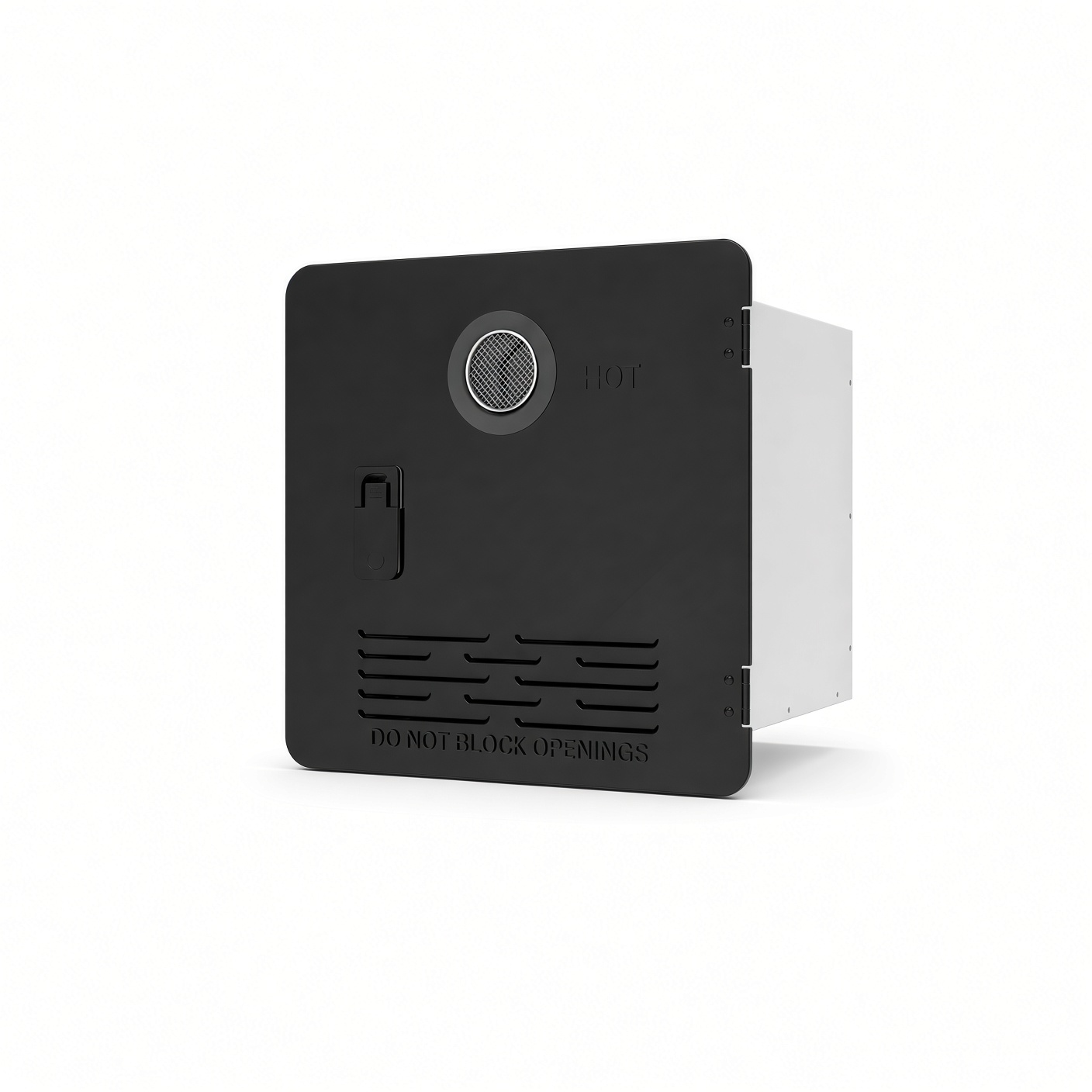
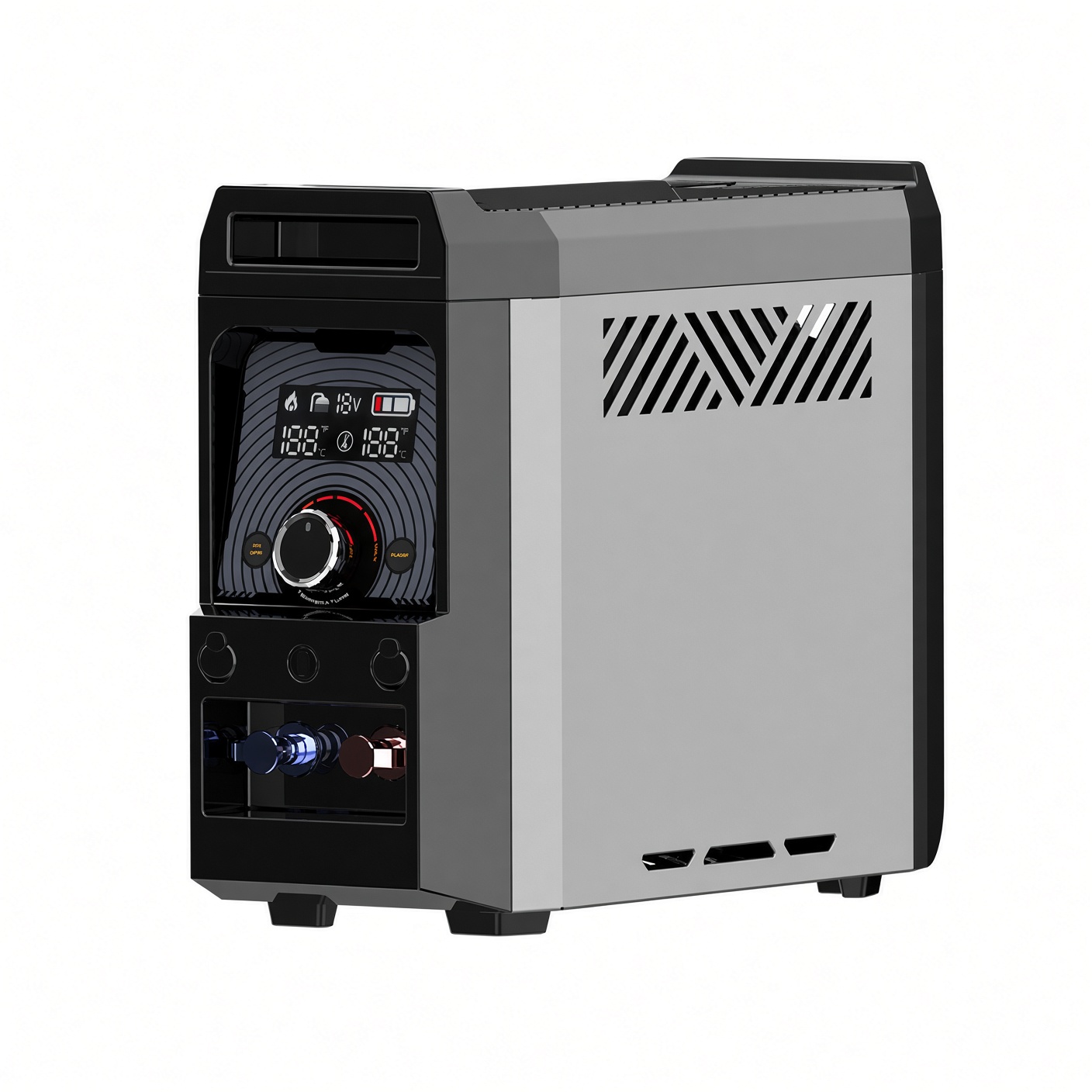
5L Portable Gas Water Heater
1.32 GPM, 34,000 BTU, 3.0 PSI, folding handle
GasPropane / LPG
Use caseCamping · residential
Reference
Component inventory and brand reference. Everything available to build with — colors, type, and every reusable component in src/components/. Before building anything new, check here first; if a component already exists, import and reuse it.
Every token declared in the @theme static block (src/styles/theme.css). Use the Tailwind class — never a raw hex — in components.
Deep green — primary buttons, filled CTAs, hover links.
Darker forest — footer, dark panels.
Amber — decorative accents, stat values, cert codes, button offset shadows.
Cream — page background; also invert text on dark panels.
Sand — card / panel and image-placeholder background.
Ink — default body text and headings on light grounds.
Sage — secondary text, captions, labels. Darkened from #5E6A62 on 2026-09-16 so it clears AA on the sand surface.
Contrast-safe amber for TEXT on light grounds (WCAG AA). Darkened from #8A5A1F on 2026-09-16.
Standard divider / card border.
Very light hairline (subtle separation).
Strong border — dashed placeholder frames, focus states.
Dark section backgrounds (FinalCta, CTA panel).
Dark surface for inverted panels.
Light (cream) text on dark panels. Pair with deep.
Hairline on dark panels.
Accent used on dark surfaces.
Star-rating gold (hero review row).
Card surface on light stat blocks.
Field-validation error — invalid border, ring and message. Reaches 4.5:1 on both brand-bg and brand-surface.
The whole site renders in Inter. All three font tokens (heading / body / mono) resolve to the same family — there is no separate display face. Body copy gets a 1.06em lift; micro-labels have a legibility floor of 0.82rem.
Small reusable elements. Compose these before reaching for a full section.
Button — three variants
SectionHeading
Section eyebrow
Use this for the repeated section opener instead of rebuilding the eyebrow + heading + lede markup.
ProductCard
1.32 GPM, 34,000 BTU, 3.0 PSI, folding handle
InquiryForm
slot="extra" for content above the button. Validates in place with --color-danger; the browser's native bubble is suppressed.GoogleAnalytics
<head>. Emits the async gtag.js loader plus an inline block that queues gtag('config','G-RLPL1GLBN1'). Not a visual component — nothing to preview.Full page sections, rendered live with their default content. Motifs (inline SVG symbol defs) is internal and not previewed, but it is mounted on every page that uses the icon set. SearchBox is not previewed either — the SharedNav above already renders one instance, and a second would duplicate its element ids; it lives at src/components/SearchBox.astro, mounted by SharedNav to the right of the quote button, and reads its records from src/data/search-index.ts. Its full-results page is /search/.

Manufacturing partner — outdoor hot water
Our 60,000 m² plant in Shunde, Foshan — the district behind China’s gas-appliance cluster — builds certified OEM/ODM water heaters for outdoor, RV and off-grid brands, with the compliance file pack in every container. One partner, not several.
Why choose Gulfstone
Each one is a line on your program, not a promise.
In-house design and trend data — we shape the range, not just build it.
Recyclable housings and energy-smart components, spec’d for your retail channel.
Shower heads, quick connects, valves, igniters, seals — matched to your program.
Retail-ready cartons and multi-language manuals for your market.
Replacement parts and RMA handling after delivery.
English-speaking engineers in Guangdong — issues fixed at the line.
Product lines
Five lines across portable and RV — each configured to your market, spec and branding.
The range
Four portable models across camping and outdoor work — every figure below is the production spec.
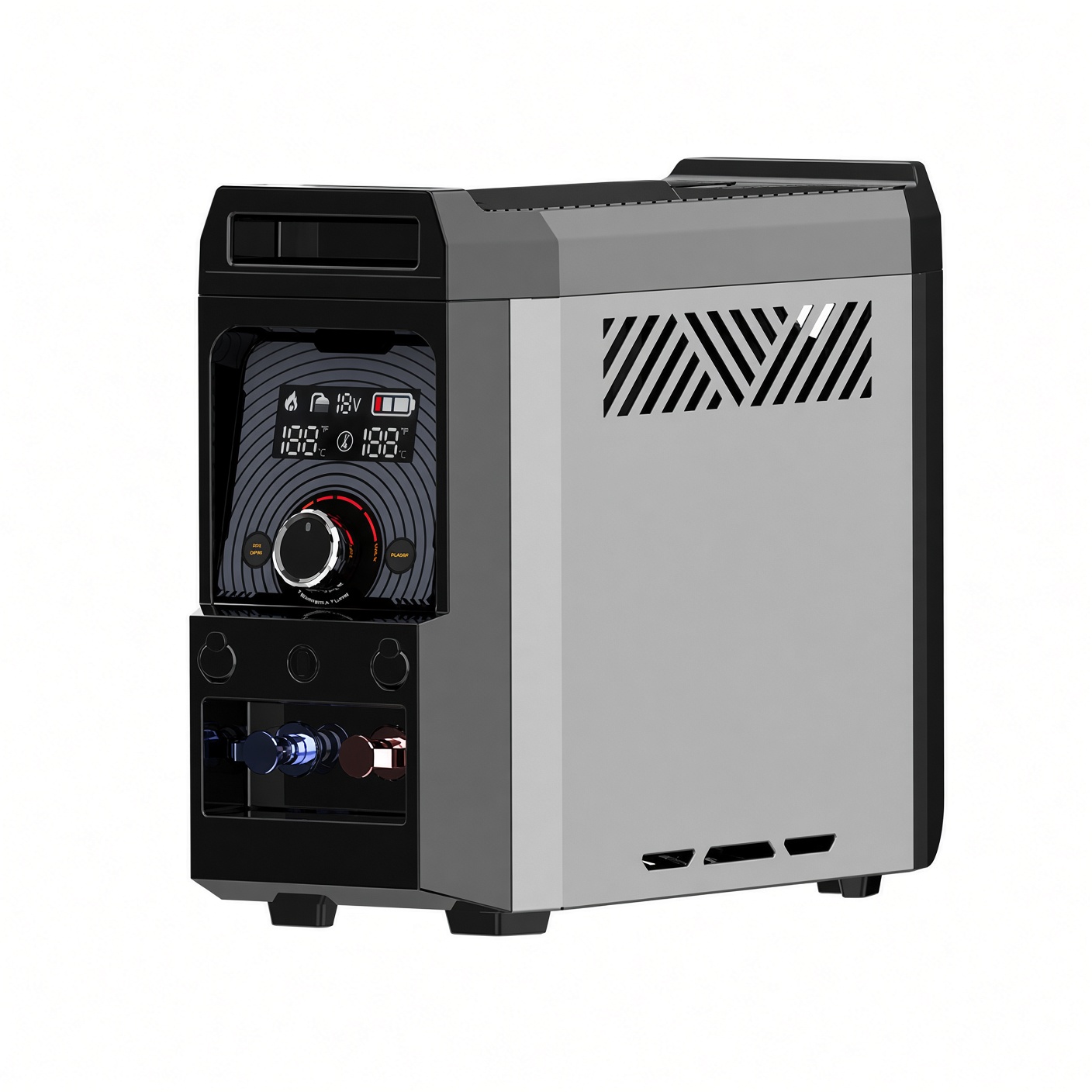
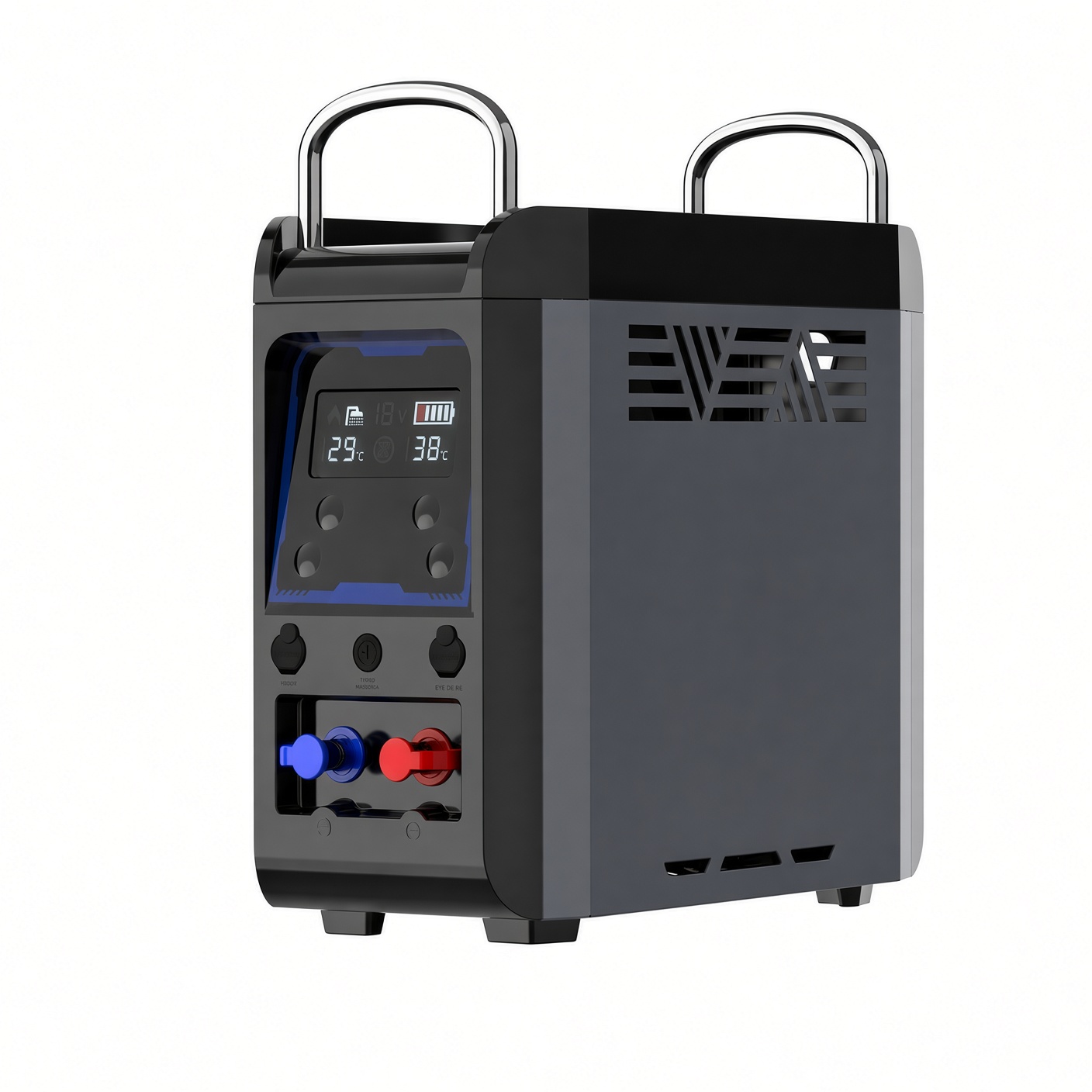
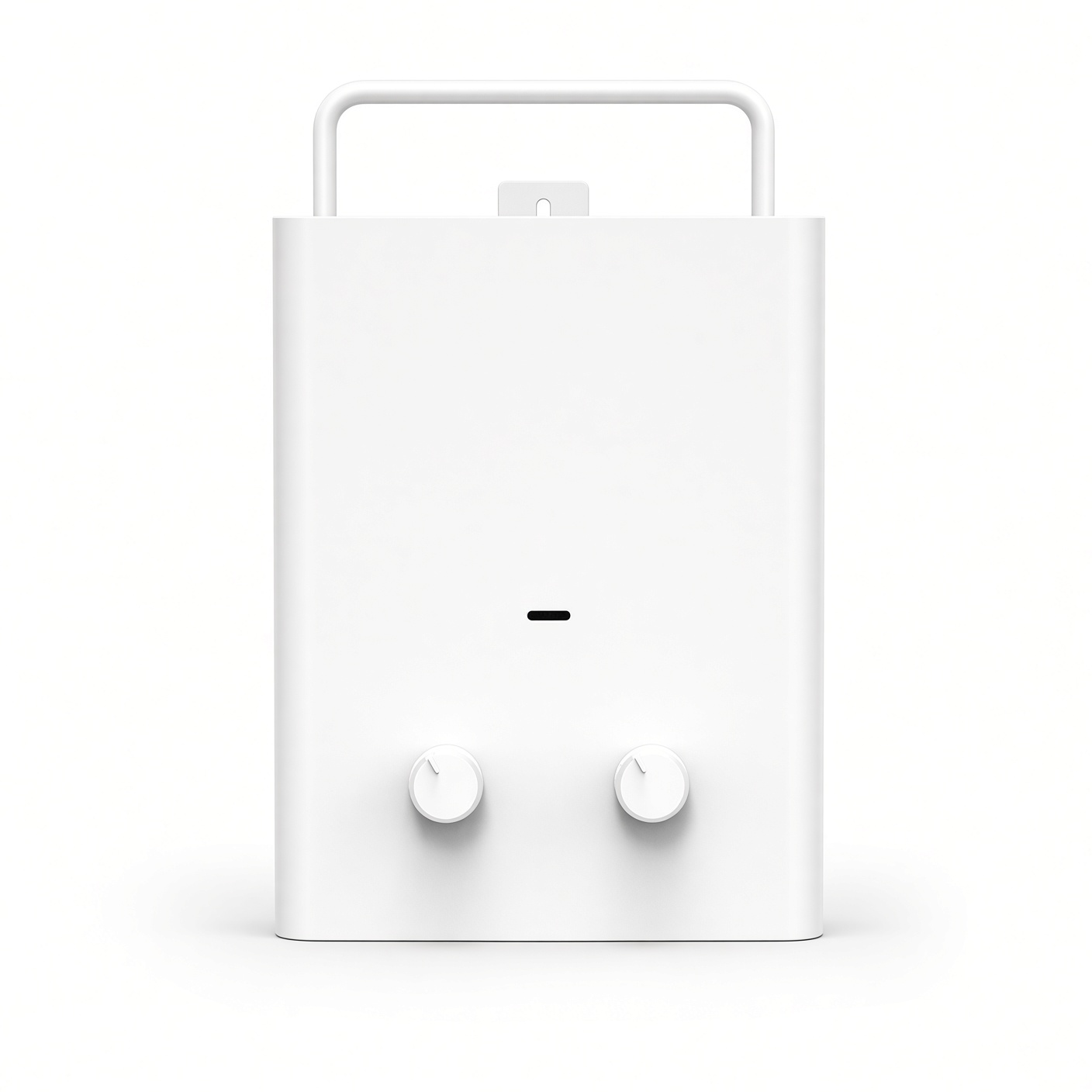
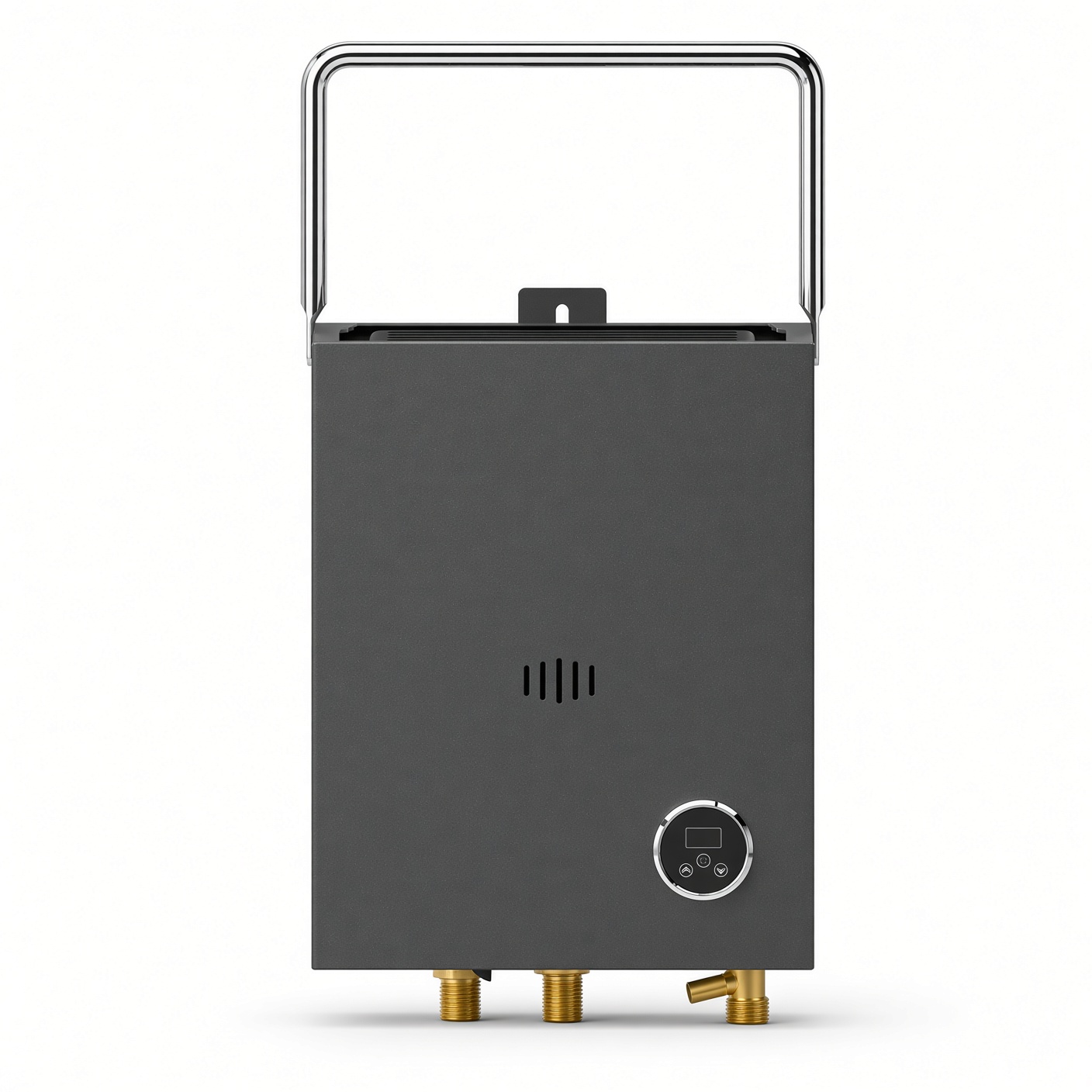
| Spec | Camping | Thermostatic | 5L Outdoor | 4L Constant Temp |
|---|---|---|---|---|
| Dimensions | 400 × 170 × 318 mm | 400 × 170 × 310 mm | — | 370 × 290 × 116 mm |
| Application | Portable / camping | Portable / camping | Portable / camping | Portable / camping |
| Net weight | 6.1 kg | 6.2 kg | — | — |
| Material | PA66+GF | PA66+GF | Weather-resistant metal | Weather-resistant metal |
| Enclosure colour | — | — | Black / white | — |
| Heat input | 6 kW | 6 kW | 32,000 BTU/hr | 30 MJ/h |
| Gas consumption | 20 MJ/h | 20 MJ/h | — | 30 MJ/h |
| Gas type | Propane / LPG | Propane / LPG | — | Propane only |
| Gas pressure | — | — | — | 2750 Pa |
| Water flow | 2.2–3 L/min | 2.2–3 L/min | 5 kg/min (Δt=25K) | 4 L/min |
| Water pressure | — | — | 0.025–0.8 MPa | 0.06–0.45 MPa |
| Temperature setting | — | — | 35–51 °C | — |
| Main system voltage | DC 12V | DC 12V | DC 3V | DC 12V |
| Battery | 2500 / 4000 mAh | 4000 mAh | — | — |
| Battery life | 80–120 min | 100 min | — | — |
| Certification target | AGA / CSA / CE | AGA / CSA / CE | AGA / CSA / CE | AGA / CSA / CE |
Shell colour, handle, packaging, manual language and the gas setting are set per program — tell us the market and the model and we scope it from there.
Download the packing listFigures are the production spec for the current portable build. A dash means the field is not specified for that model in the source data — ask and we will confirm it. Market certification attaches to a specific tested configuration.
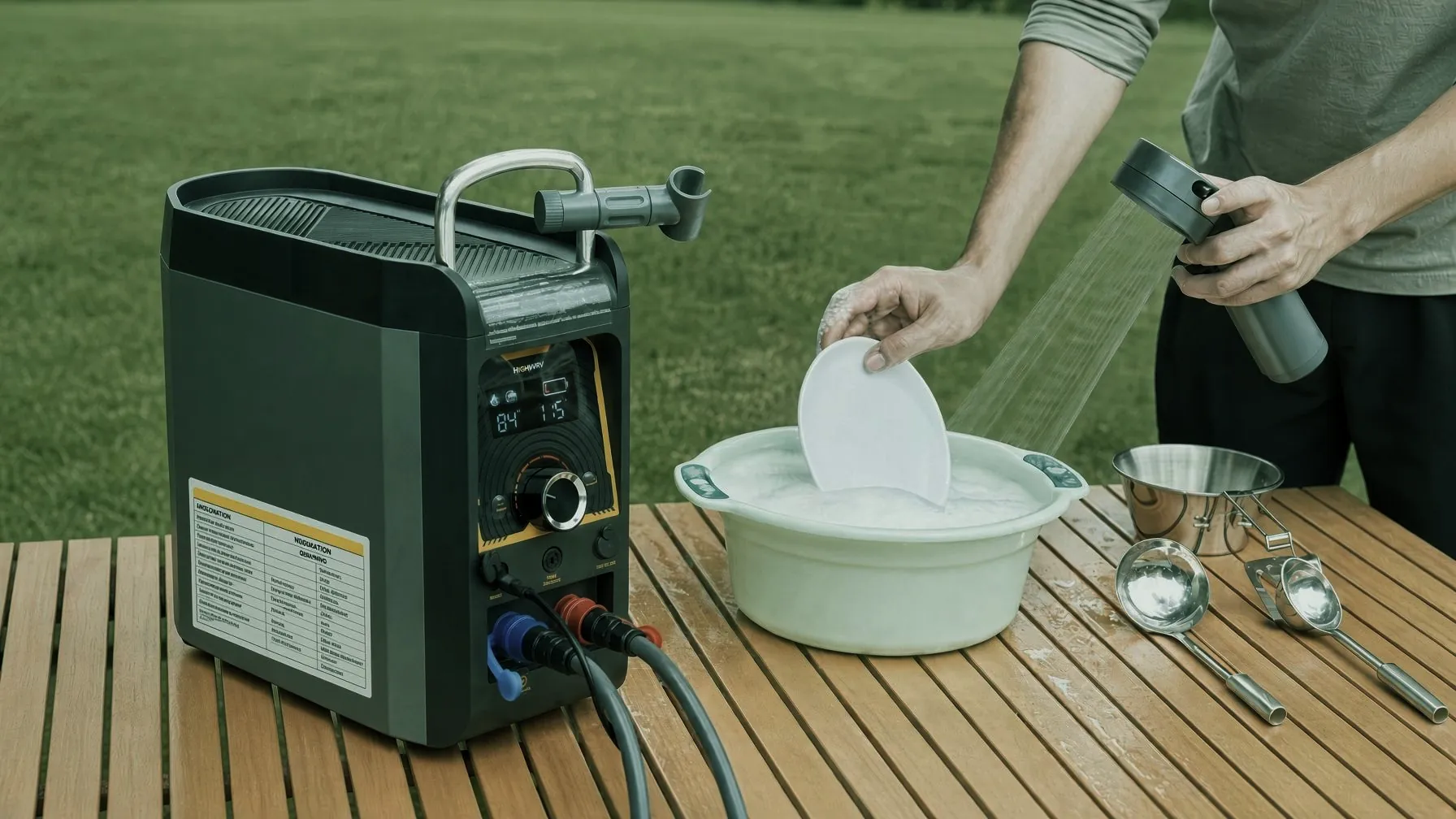
Portable water heaters · OEM / ODM
Gulfstone is an OEM portable water heater manufacturer in Shunde, Foshan — the district behind China’s gas-appliance cluster. Units certified for your market, one partner from first sketch to shipping container. The range runs to 20,000 BTU, the defect rate holds under 0.5%, and an engineering question gets a reply inside 48 hours.
The Shunde advantage
Shunde, in Foshan, Guangdong, is one of the densest concentrations of gas-appliance manufacturing in the world — the district that made Foshan a household name in the category.
A specific valve seat, a mesh grade, a masterbatch colour — suppliers here will tool a run for one appliance buyer, because two hundred other makers are on the same street.
The copper and the gas-path valves come from named plants a short drive away — not through two trading layers. Ask where a batch of copper was drawn and the answer is a company and an address.
A volume increase in season two is met by an adjacent line in the same district, under the same audit — not a new factory halfway through your program.
Start here
The portable line is the same four platforms for everyone. What changes is what you need from us first — so pick the door that sounds like you and skip the rest.
A Hero SKU That Is Yours — Your Shell, Your Handle, Your Colour, Your Carton — and Not the Same Unit Sitting on Three Competitors’ Shelves.
Open a programTo Know What Fits One 40-Ft, What It Costs Landed, and Whether the Compliance Files Travel With the Load or Arrive by Email Three Weeks Later.
Open a programUnits That Survive Being Lent Out, Dropped in a Truck and Refilled by Someone Who Did Not Read the Manual — and a Parts Line That Keeps Them Working Season After Season.
Open a programA Pack That Survives A-to-Z, a Sample Good Enough to Photograph for a Listing, and a Replenishment Rhythm That Does Not Run Out Mid-Season.
Open a programSizing
A portable heater trades flow against temperature rise — pull more water through and it comes out cooler. This is the production curve for the 6 kW platform. Size from it, not from a headline flow figure.
How a program runs
Four stages, no skipped approvals. Each one ends in something you can hold or read before the next begins — so nothing is renegotiated after tooling.
Send a drawing, a reference unit or a brief. The lab reads it against the housing, the gas path, the water supply and the market you are selling into — and tells you what will not fit before anyone quotes.
You getFit notes and a sampling plan
Design-for-manufacture notes on the shell and the assembly, the cube advice that decides what fits one container, the tooling position if you want a private mold, and a transparent cost direction.
You getCost direction, cube plan, tooling quote
The unit is built to the approved line plan and you hold it. Once you approve it, that unit becomes the locked spec — colour target, gas setting, outlet temperature and pack are written onto the order, and there is no second revision to the reference afterwards.
You getA physical approval unit
A pilot lot if you want to test the market first, or straight to a full run. Every batch goes through the gate checks above, and certification is pinned to the locked configuration before the container is sealed.
You getCertified, container-ready lot
Materials and engineering
Sun, moisture, thermal cycling and a propane flame — the unit faces all four every time it runs, then gets drained, trucked and used again. Every material below is chosen against that, not a price sheet.
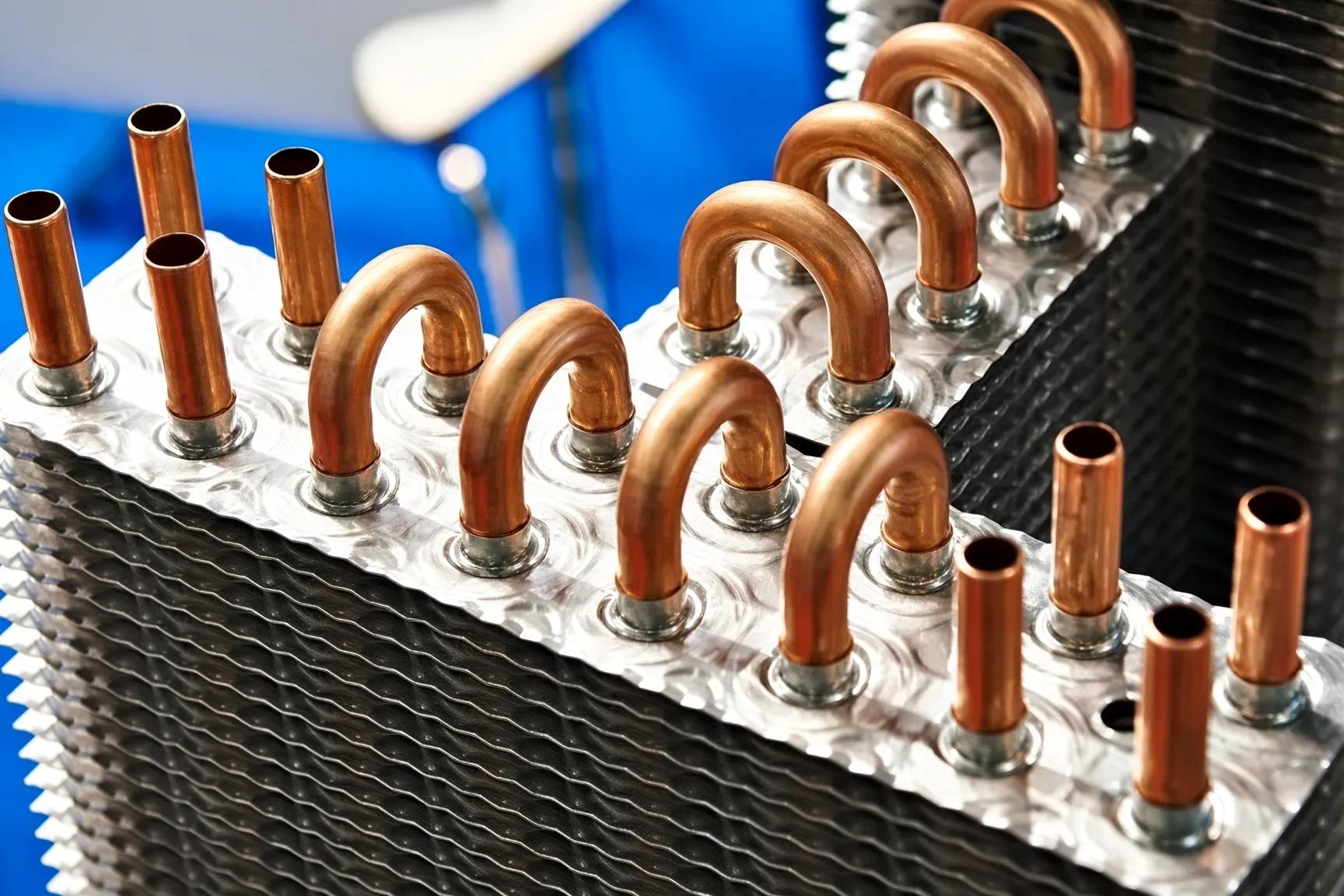
1.03 kg, oxygen-free copper · brazed assembly
Oxygen-free copper carries heat faster and resists the embrittlement that ordinary copper develops after repeated heating and cooling — the failure mode that turns a two-season unit into a pinhole leak.
Stable heat transfer across the life of the unit, and an exchanger that can be repaired rather than replaced.
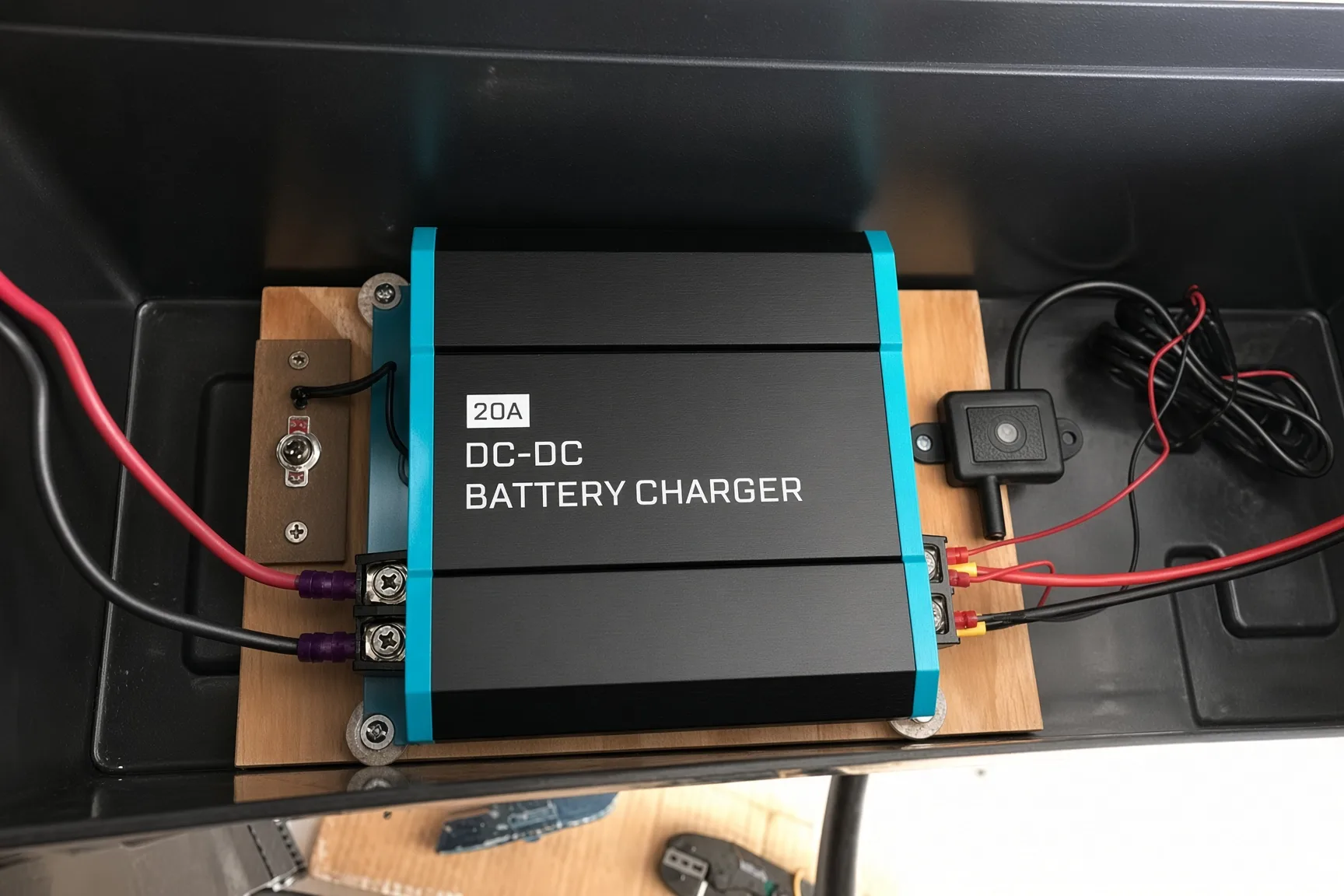
Field-replaceable pack · no mains wiring
There is no mains power at a campsite or a job site, so ignition runs entirely off the battery. Sizing the pack against the ignition current is what decides whether one charge covers a trip or an evening.
A spent pack is a battery change, not a dead unit.
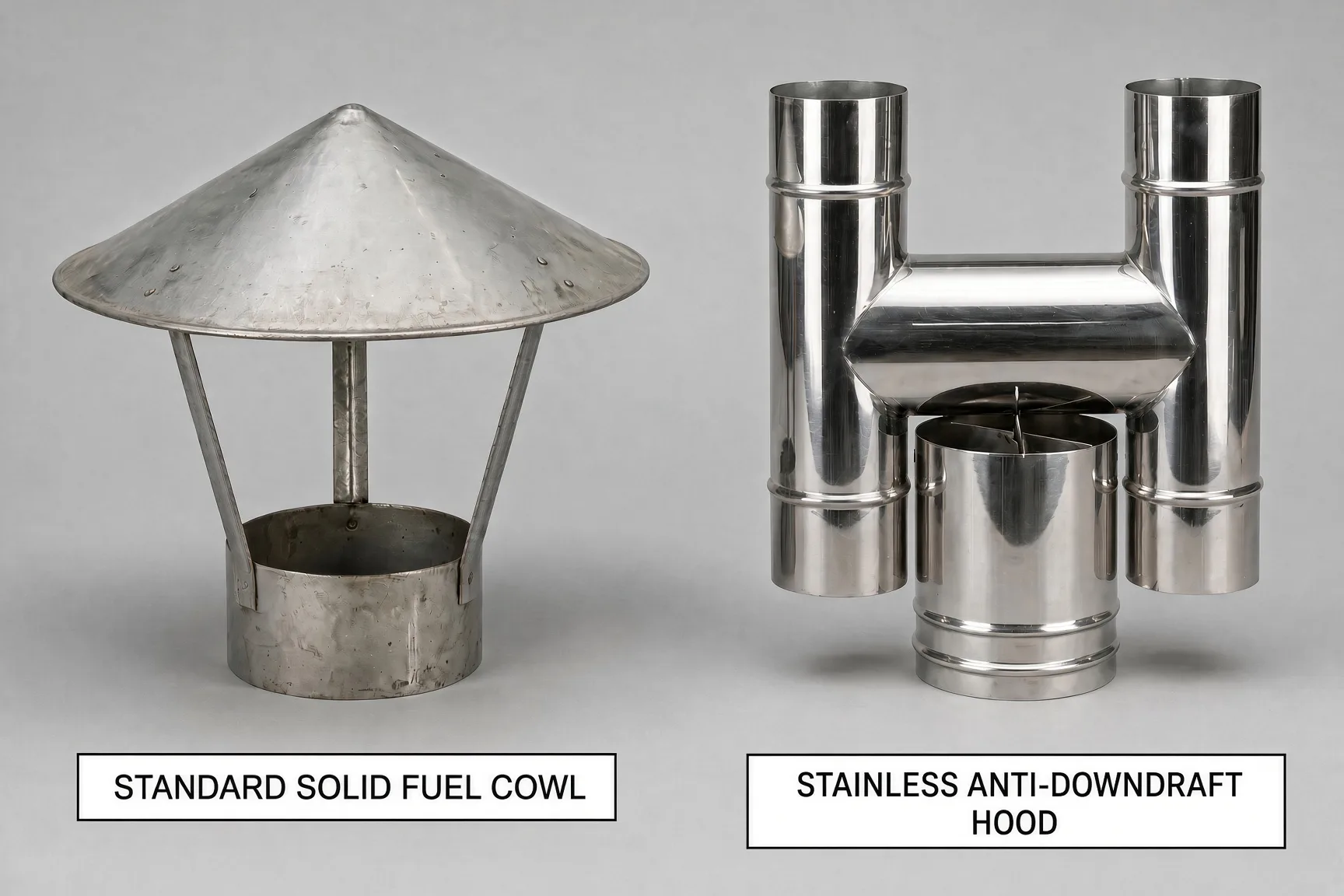
Stainless steel flue hood, anti-downdraft baffle
A gust across the flue is how a portable gas heater loses its flame. The hood and baffle are shaped to keep combustion stable when the unit is used in the open, which is the only place it is allowed to be used.
Fewer flame-out events outdoors, and a flue that does not rust through in coastal air.
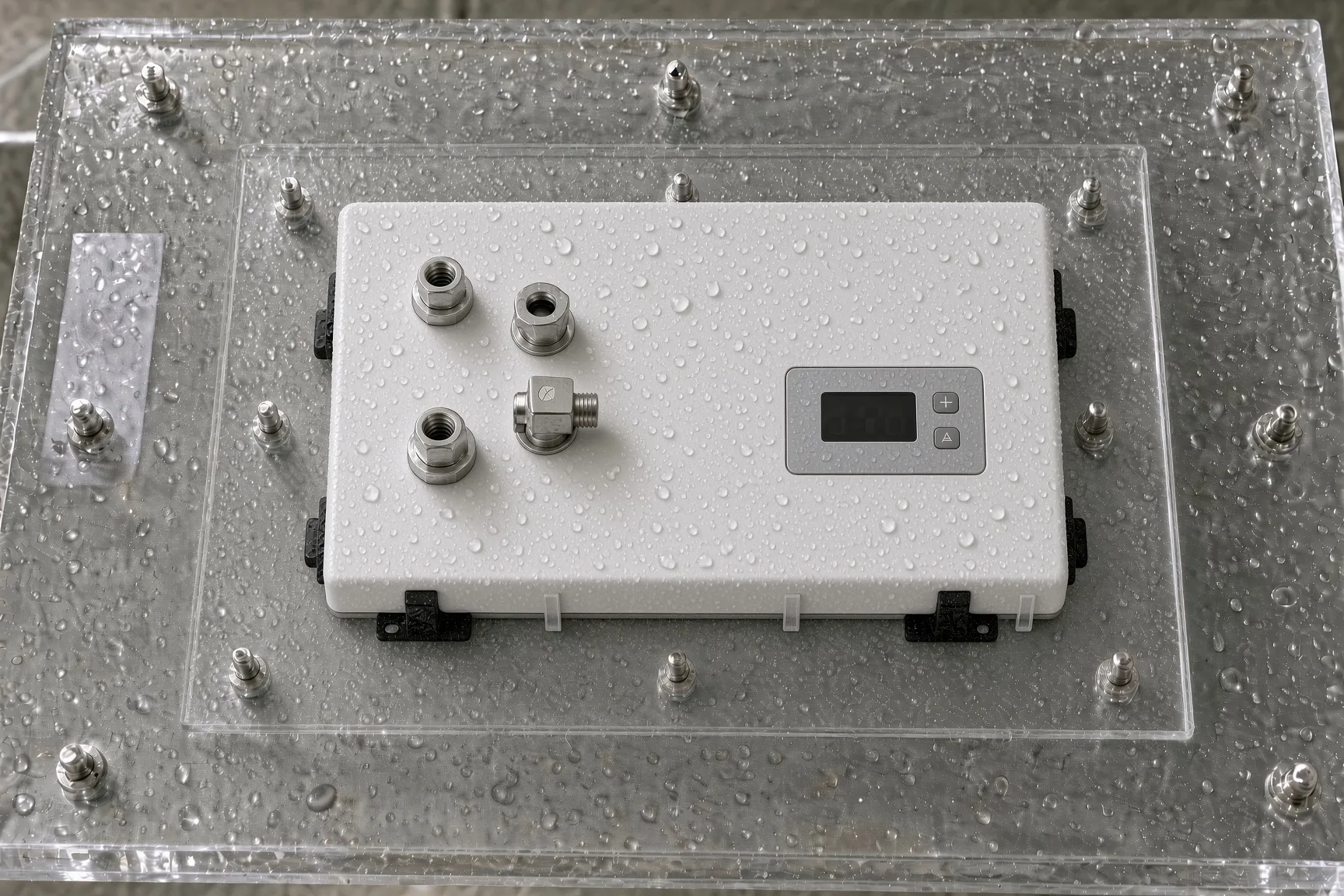
IPX4 · water from any direction
IPX4 is splash protection, not immersion — it covers the water a portable unit actually meets: rain on an open tailgate, spray off a wet bench, a rinse before the unit goes back in the van. Sealing to that standard is what keeps water away from the ignition and the connections.
The unit can be used wet and rinsed outdoors without water reaching the parts that fail once they get damp.
The difference
Both will send you a catalogue and a price. The difference shows up the first time a spec has to change, a certificate is questioned, or a batch arrives off-target. Compare the two below against what you have experienced.
| Aspect | Typical trading desk | Gulfstone standard | How you can check it |
|---|---|---|---|
| Factory access | A showroom and a catalogue. Production is a third party you never meet and cannot name. | You know which plant builds your unit, and you can walk the line before you commit. | Factory tour, on site, with your engineer |
| Material verification | The alloy and the copper are described in an email and taken on trust. | Incoming material is inspected against our standard on arrival, not accepted on a promise. | Incoming inspection records on request |
| Spec changes | A change means a new supplier, a new quote and a reset schedule. | The tooling and the component supply are inside our own base, so a change is a short trip. | Ask what a shell revision does to your lead time |
| Certification | Certificates are discussed, then chased after the container has sailed. | Certification attaches to one tested configuration, and the file pack travels inside the load. | Ask to see the pack that ships with the lot |
| Quality ownership | A defect is a conversation between you and a factory that does not answer to you. | One QC standard across the network, and a factory answer on a batch complaint in 24–48 hours. | Ask who answers a batch-quality claim — sales or the line |
| Landed cost | A competitive unit price, then freight and packing turn your margin upside down. | Cube advice and DFM notes up front, so you are pricing a landed number from the start. | Ask for units per container before you ask for a price |
Certification
Certification attaches to one tested configuration, so it is mapped to the model and the market before the order is placed — not applied for after the container has sailed. The dossier ships inside the load.
| Market | Standard | Covers | Ships with the load |
|---|---|---|---|
| Australia / NZ | AGA · AS 2652 | Gas appliance approval for portable and outdoor units | Test report, approval certificate, declaration of conformity |
| North America | CSA · ANSI Z21.10.3 | Gas-fired water heaters, including the RV configuration | Test report, CSA certificate, DoC, install instructions |
| Europe / UK | CE · EN 26 | Gas-fired instantaneous water heaters | Test report, CE declaration, EN 26 annex, manual set |
| Where required | RoHS · REACH | Material restriction on the housing and the electrical parts | Material declarations, compliance statement |

Send the drawing
Where the units ship, how many you need in a year, and which model or reference you are working from. Give us those and what comes back is a cost direction and a sampling plan built around your line — not a catalogue.
Manufacturing discipline
Every batch is sampled to a named standard — most faults are caught before a buyer sees them.
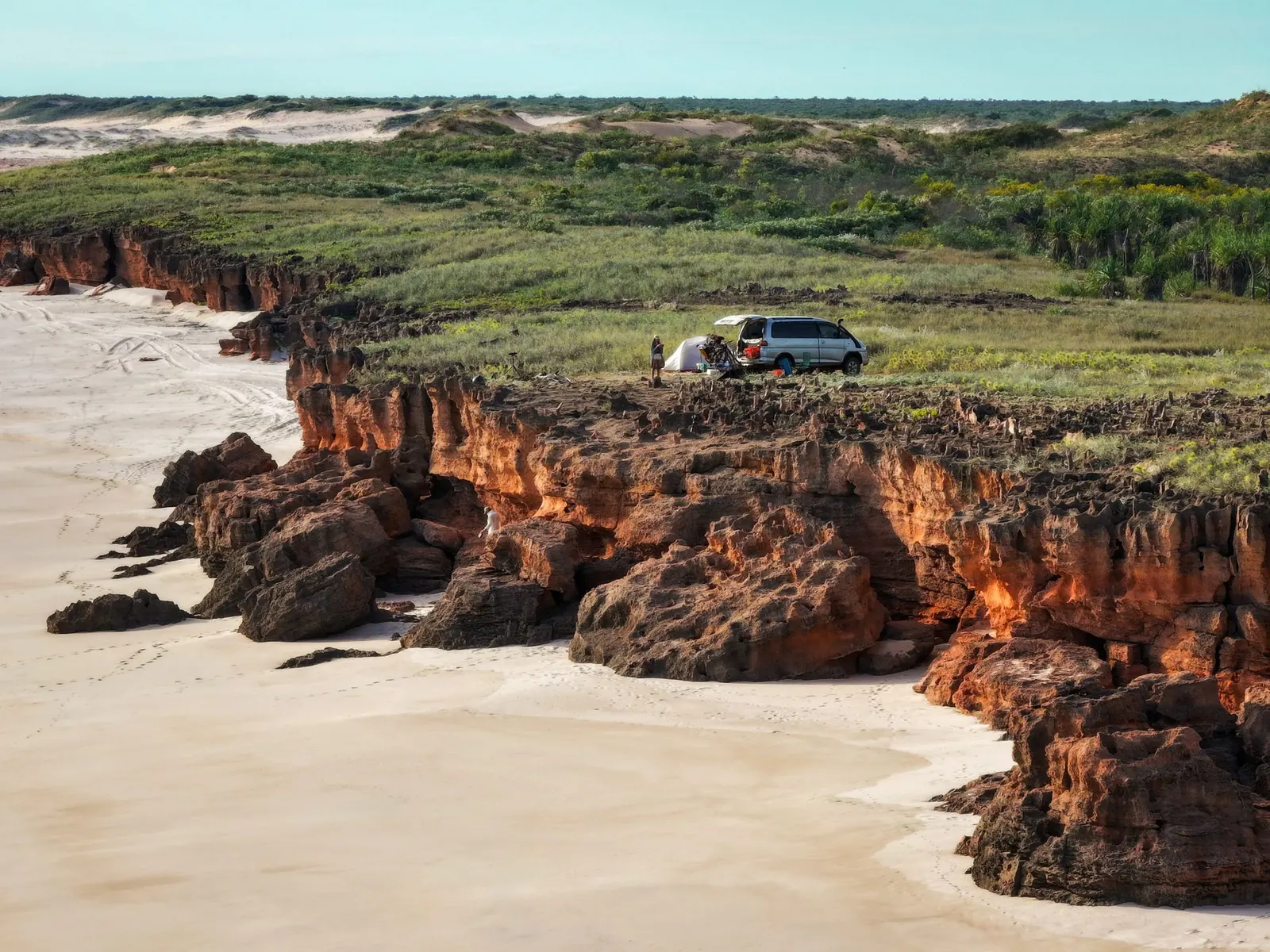
On the factory floor
A trading desk and a manufacturer read the same in a proposal — the tour is where that stops being a claim. Bring your engineer, your QA lead or your agent and audit the Shunde lines the way you would audit any supplier. It is also where the certification behind every unit is earned.
Plan a factory tourCustomer cases
A selection of portable programs and the configuration that went into each. Names are withheld under the same NDA we sign for every private-label customer.
The 6 kW platform with a private shell colour, branded carton and a two-language manual for a European outdoor brand launching its first hot-water SKU.
2,400Units·CEMarks·Pilot → fullRamp
Two portable models plus an accessory kit loaded into a single 40-ft high-cube, with the compliance pack travelling inside the load so nothing waited in customs.
40-ft HCContainer·CSAMarks·SeasonalLoads
Drop-tested export carton with an FBA barcode spec, run first as a small pilot lot so the listing could be tested before committing to a season of stock.
ISTA dropPack·Pilot firstRamp·CSA / ANSIMarks
A heavier-duty pack and a spare-parts line — valves, igniters and seals priced separately — so a damaged unit is repaired in the yard rather than written off.
ListedSpares·AGAMarks·ReplenishedCycle
The thermostatic platform with a digital display and one-touch buttons for a retailer whose customers would not accept a dial — a control change on a standard 6 kW build, no new tooling.
ThermostaticControl·CEMarks·Repeat seasonRamp
Valves, igniters and seals broken out of the unit and listed individually, so a serviced unit on a hire fleet is repaired in the yard instead of being replaced.
Per partSpares·AGAMarks·StandingCycle
Customisation
A platform SKU gives you branding and pack with no tooling. A private mold gives you the enclosure itself. Most programs start on the first and step up — you are never forced to fund a mold to get your mark on the unit.
| Dimension | Standard | Optional | Private tooling |
|---|---|---|---|
| Enclosure shellA private shell needs a mold; colour and finish do not. | |||
| Handle & mount | |||
| Housing colour | |||
| Gas setting & pressureSet to the destination market and certified with the unit. | |||
| Control typeStandard dial, or thermostatic constant-temperature. | |||
| Ignition & battery | |||
| Branding & packagingBarcode, hero art and carton spec to your channel. | |||
| Manual language | |||
| Certification targetAGA, CSA or CE — mapped to the model you lock. | |||
| MOQ bandPlatform SKUs start small; a private mold steps up with volume. |
Standard and optional dimensions ship on every program. Private-tooling dimensions are quoted once the drawing is locked — send it and we come back with the tooling cost and the step-up MOQ.
Get a tooling quoteCompliance and Trust
Australian, North American and European certification, handled in-house. The file pack ships with the container, not a follow-up email.
Start a project
Tell us your market and volume — and we scope a program around your numbers.
In-house R&D lab
Not a sales desk that forwards samples, but a development and compliance lab: give us your drawing or brief and the target market, and the lab engineers it into a production-ready SKU.
 01
Send a drawing, a reference unit or a brief — the lab checks the cut-out, gas path and 12V fit against your vehicle or housing before anything is quoted.
 02
The lab builds the first sample, runs revision rounds against your feedback, and locks a pre-production sample — the version the line will copy.
 03
The concept becomes a BOM, tooling notes and a tolerance stack — ports, cut-outs and process steps settled before the line runs.
 04
The lab supplies the certification samples and in-house test evidence the file is built on, so the unit that is certified is the unit that ships.
How we work
A short call on the basics: what you are building, which market it sells into, target cost and yearly volume. We confirm the fit and define the scope.
A practical line plan with transparent cost directions — what ships, at what price, on what timeline.
You approve the sample; spec and pricing basis are locked on both sides, so nothing gets renegotiated after tooling.
The line runs to plan, with progress reported at agreed checkpoints rather than chased for.
The lot is packed and container-ready, handed off on the schedule you signed.
Facility and Control
The operating base behind your off-grid heating program — in-house test infrastructure and a line we invite you to walk.
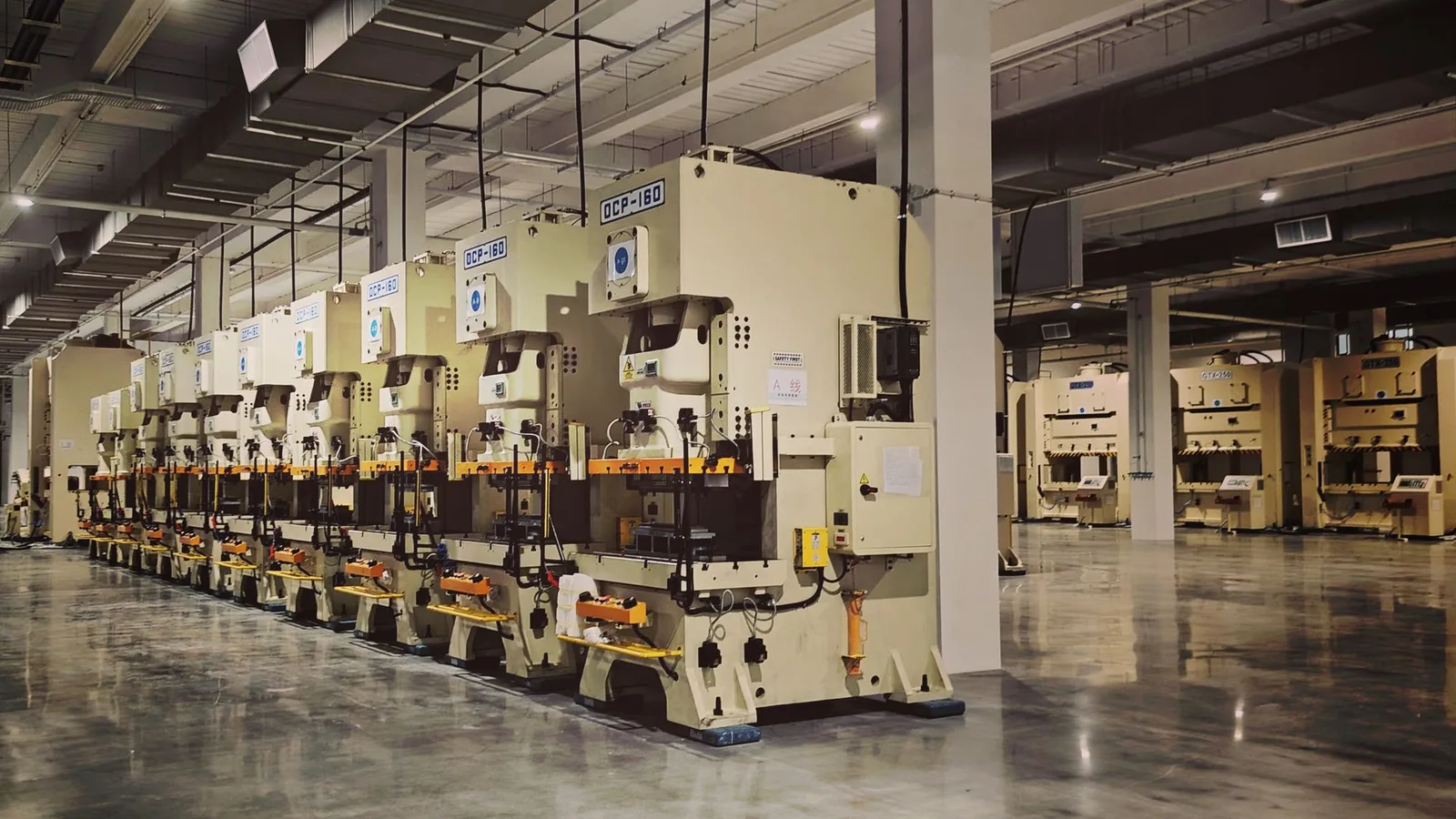
Responsibility
Built into the spec on every program — and increasingly the material and energy story your retail channel asks you to document.
What we commit to
The numbers that show how a program runs before you commit — and how it is held to account after.
Before the line runs
Physical samples after line-plan approval — you approve the build before the order moves to the line.
Platform SKUs start small; a private mold steps up across agreed stages. A first order need not fill a container.
30% deposit, 70% before shipment — fixed in writing.
The NDA sits ahead of the first drawing — your IP is protected before a file is shared.
After the container lands
Free warranty service including maintenance, written on the order — not a goodwill gesture.
Any unit returned within 30 days — replaced or refunded, not negotiated unit by unit.
A factory answer, not a holding reply, on batch-quality complaints or retailer escalations — pre- or post-sale.
In-stock orders leave within 24 hours and arrive within 7 days.
Built for your brand
Your label on the unit — and after-sales, spares and support from the factory that built it.
Our team
Engineering, production and after-sales sit in one building and one reading of your spec — brief them once, in English.
 ForwardCo-founder & General Manager
 KingsleyOperations manager
 BlueySales manager
 Jiang XiangTechnical engineer
 DennisAfter-sales engineer
Brands we work with
Outdoor, RV and off-grid brands we have built for over the years — most under their own label, across private-label, OEM and ODM programs.







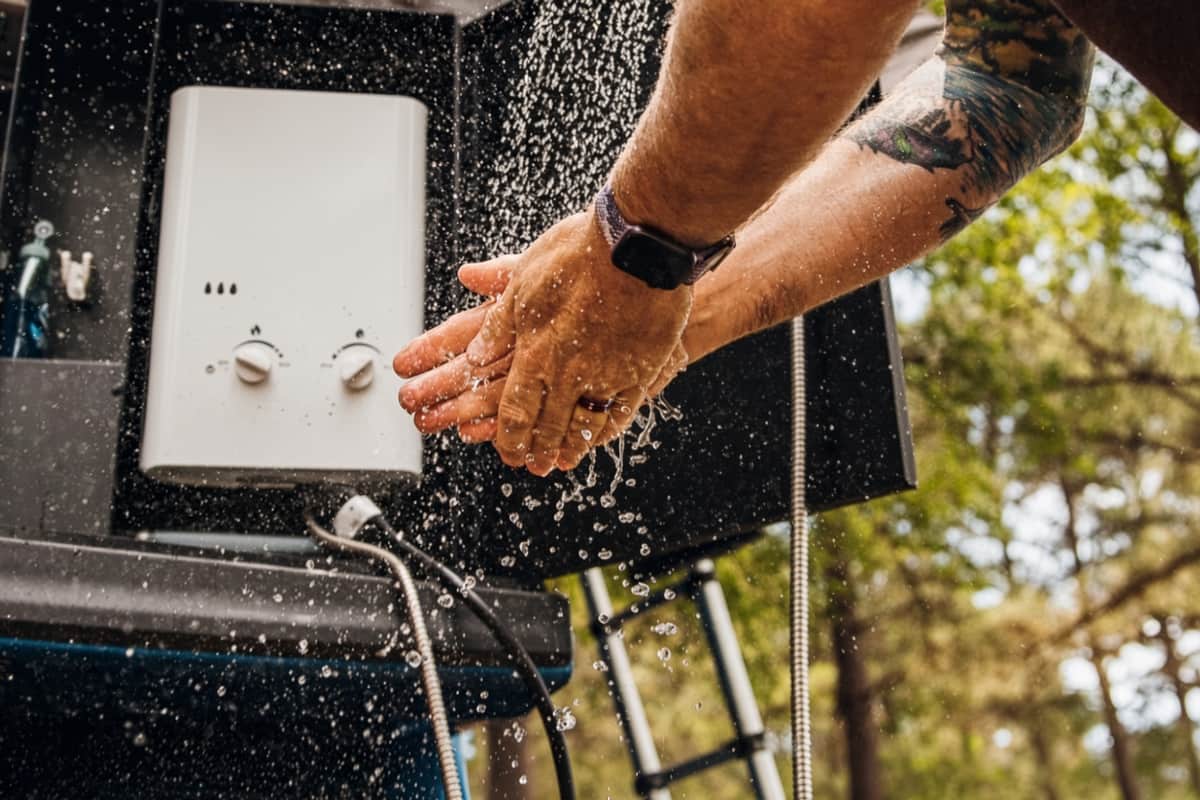
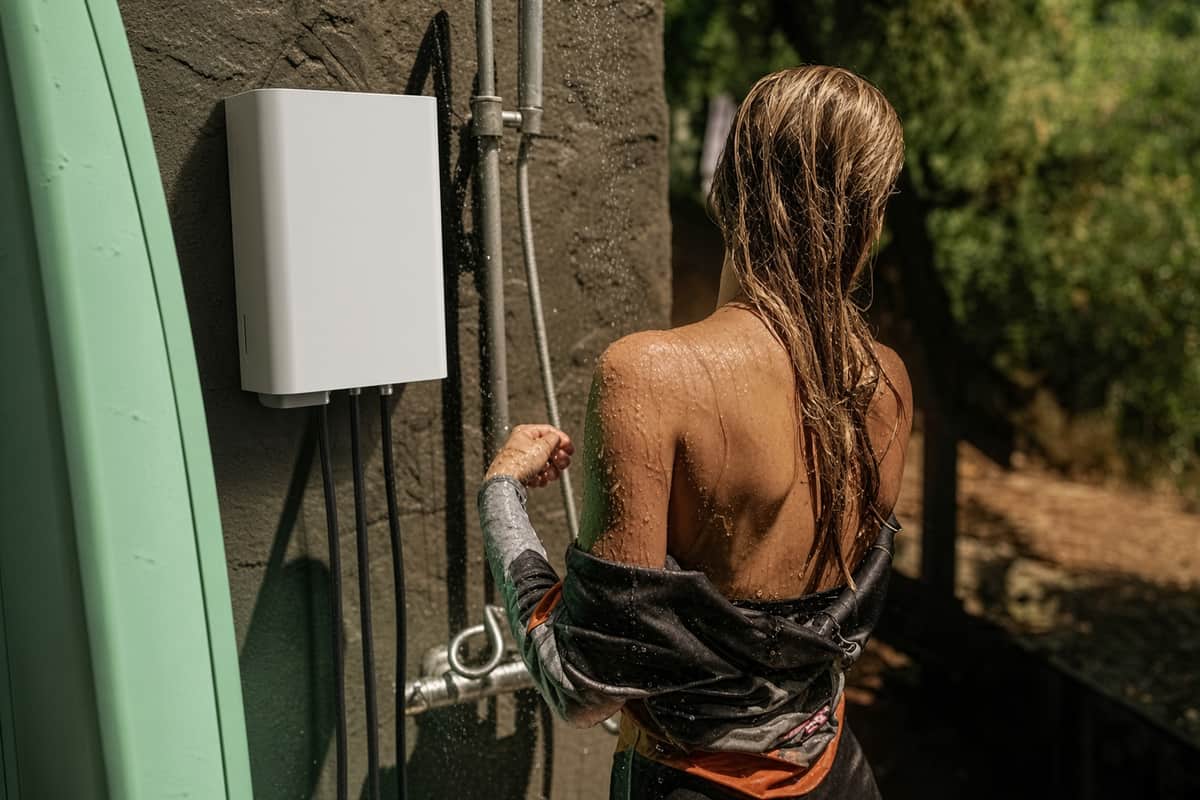
From the field
Shot on real installs, on site — not in a studio.

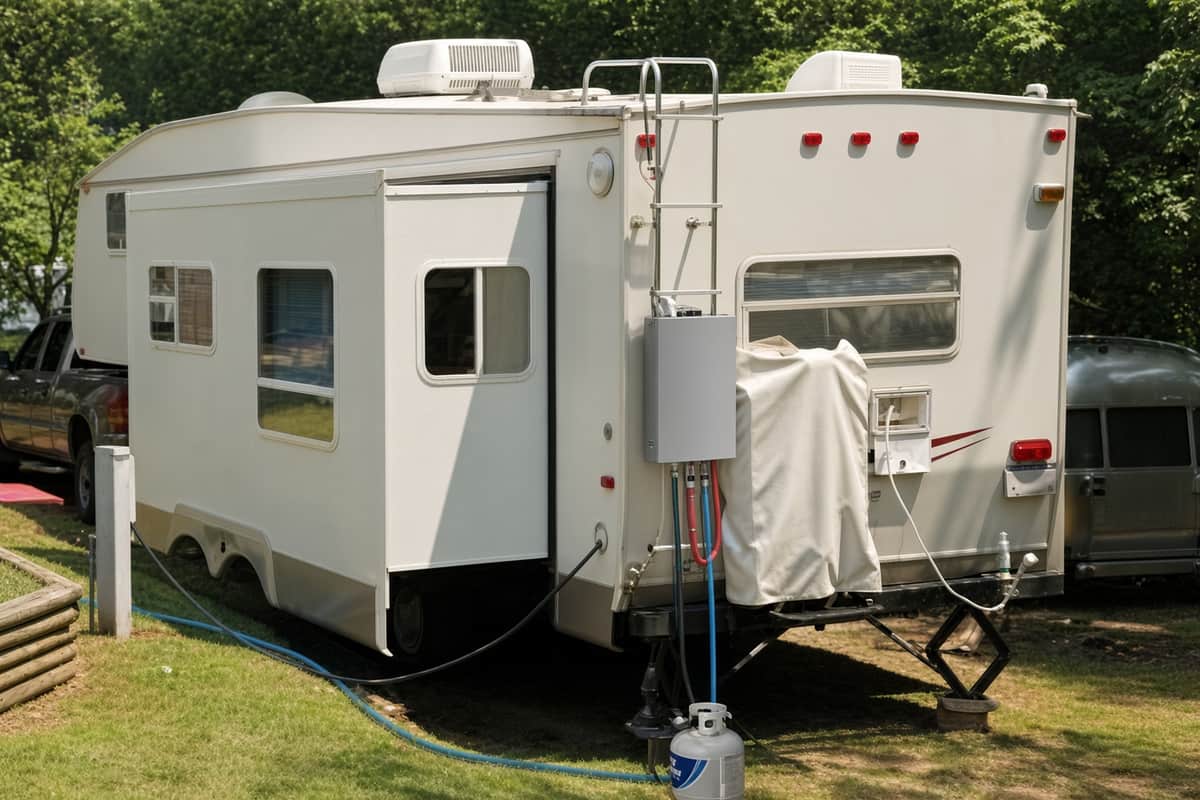
Where it gets used
The fitment is the whole question on a retrofit, and it is the one thing a spec sheet cannot show.
Two bays below — one travel trailer, one motorhome. Same unit, same recess, different compartment depth.
The file pack
The same pack that ships inside the container, available before you ask. Read the specs, open the BOM, load the cut-out into your own CAD.
Series C portable platform — capacity, flow, temperature rise, gas type, ignition, weight and the certification paths that apply.
Download2.6 KBEvery part in the build, with our part numbers and a note on each — exchanger, gas valve, burner, regulator, pack. Sortable, and yours to cost.
Download0.5 KBThe panel outline and mount-hole positions as real geometry — load it straight into your own CAD to check the fitment before anything is quoted.
Download0.5 KBWant the file pack for a different build, or the certification dossier for your market? Ask for it by name and it comes back with the quote.
Customer reviews
Impartial quotes from the people who sign the PO.
“For the first time in three years, our spring catalog launched on schedule.”
One line had four suppliers across three provinces — three POs, three containers, and coordination overhead that ate the team. Gulfstone consolidated it to one partner and a single PO, then engineered the mixed-container load plan: heavy units as ballast, light SKUs on top.
On-time delivery went 64% to 97% in two seasons, freight dropped 28%, and four weekly vendor calls became one.

“The reorder went back to the same partner without ever going out to bid.”
Four suppliers were each booking their own LCL — four sets of origin charges, four customs entries, four packing lists landing on different days. Gulfstone planned the four streams as one shipment and measured every carton before it left Foshan.
The saving came from the fee stack, not the ocean rate: one CFS charge, one clearance file, one arrival notice. The line has reordered on the same program without a competitive bid.

Related articles
Field notes from the people who build it — no marketing fluff, just what the floor knows.
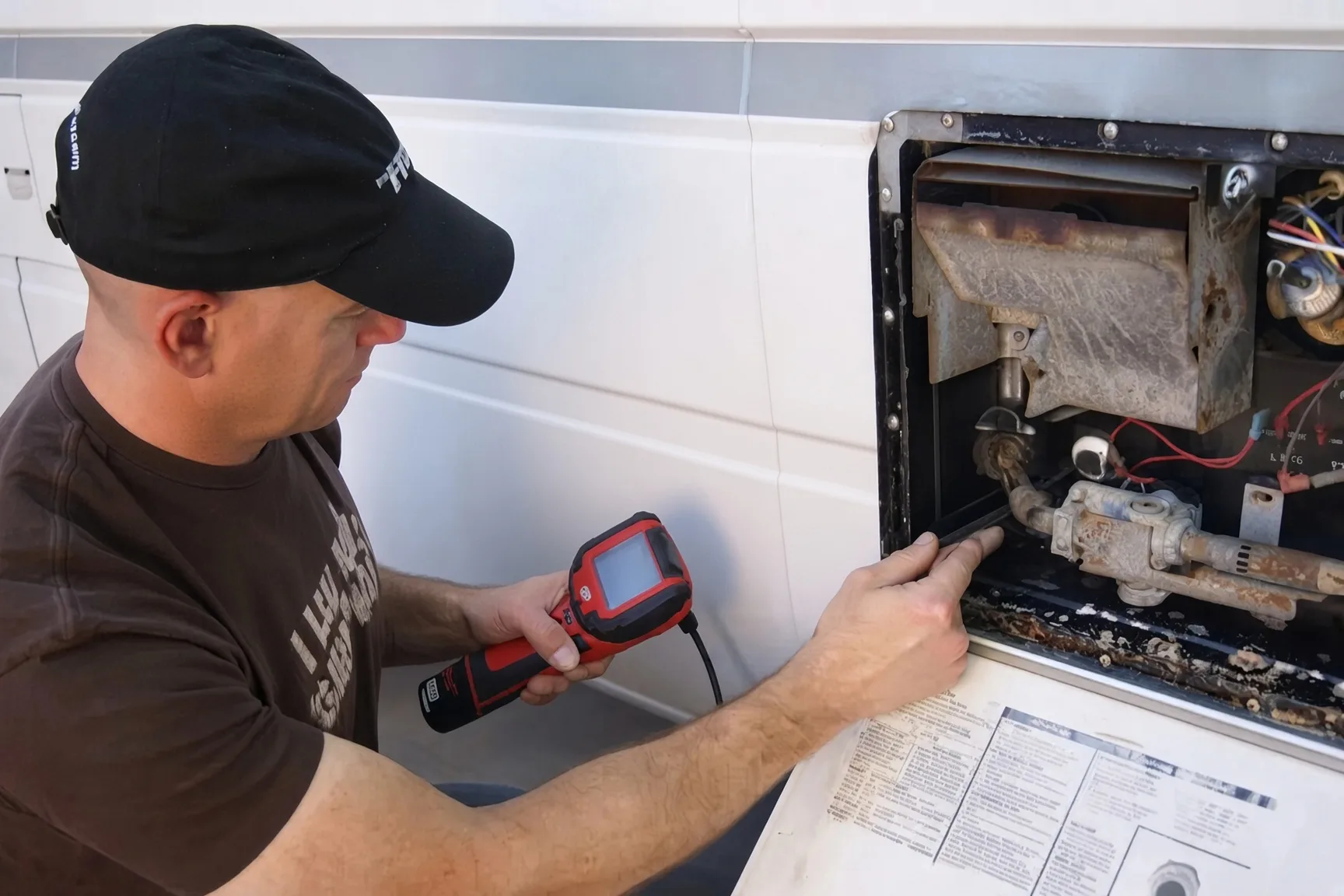
Explore the best RV Water Heater Engineering rules to raise quality. Our expert design tips ensure durability and efficiency for superior manufacturing success.
Read article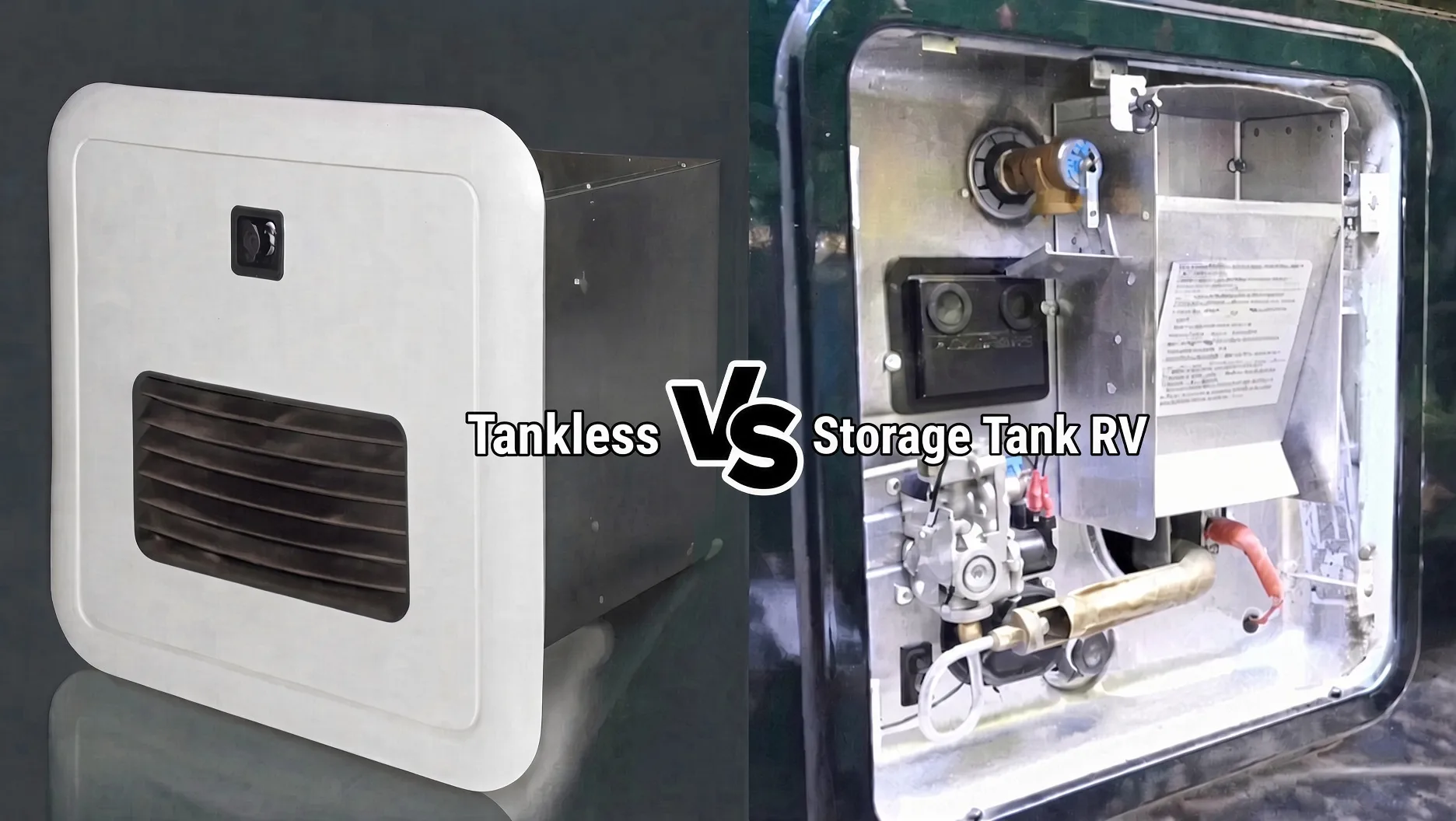
Compare tankless and storage tank RV systems to reduce service concerns, improve performance and support confident product decisions. Explore the essential tradeoffs.
Read article
Durable RV water heater raw materials resist heat and corrosion. Compare tank metals and core parts to extend service life, limit repairs and protect performance.
Read articleFrequently asked questions
The six questions buyers ask most often before placing an order — answered up front.
Start a program
Market, annual volume and the certification it must carry — three lines, and we have what we need. Your reply comes from the engineer who would run the line, scoped to your program rather than matched off a shelf.
Inquiry received
Your inquiry has been logged against your account. The engineer who would run your line picks it up from here — and we'll come back with drawings and a cost direction, not a vague unit price.
What happens next
From first read to a costed line plan — here is how your inquiry moves.
Within 48 hours
Your drawing, reference unit or brief is read against the housing, the gas path and the market you sell into — by the engineering team, not a sales desk.
Within 2 days
We tell you what will not fit before anyone quotes, and which platform or private mold gets you there — with the certification path your market needs.
Within 3 days
A transparent cost direction, a container cube plan and the tooling position if you want your own mold. Nothing is quoted off a shelf.
While you wait
Know the line and the gates before the reply lands.
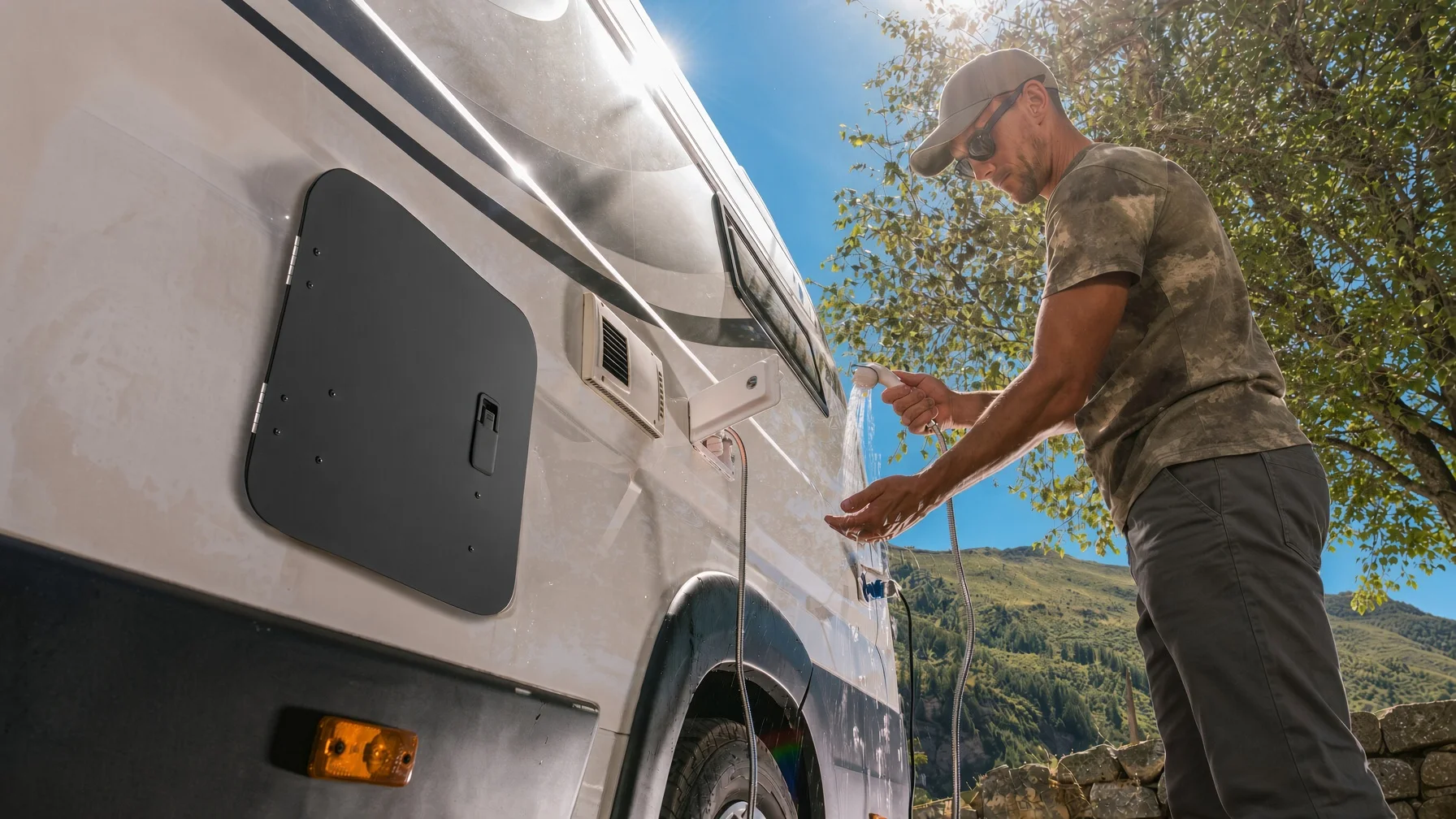
RV water heaters · OEM / ODM / replacement
Built in Shunde, Foshan and matched to the recess, the 12 V scheme and the destination gas setting your vehicle already carries — a drop-in fit, not a re-wire. Combustion is proved on every unit rather than sampled, and a spec question comes back in 48 hours.
Protection
Every protection here cuts the burner or the supply when something is wrong — except freeze protection, which runs the burner to stop a hard night splitting the exchanger.
Inside the unit
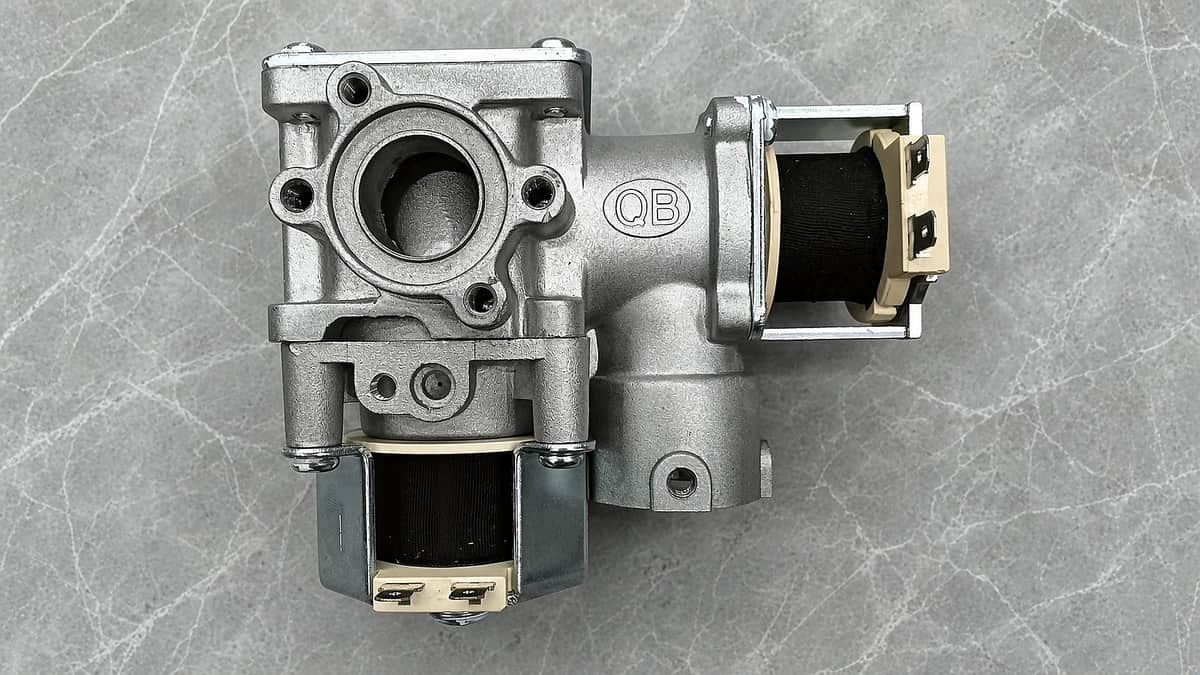
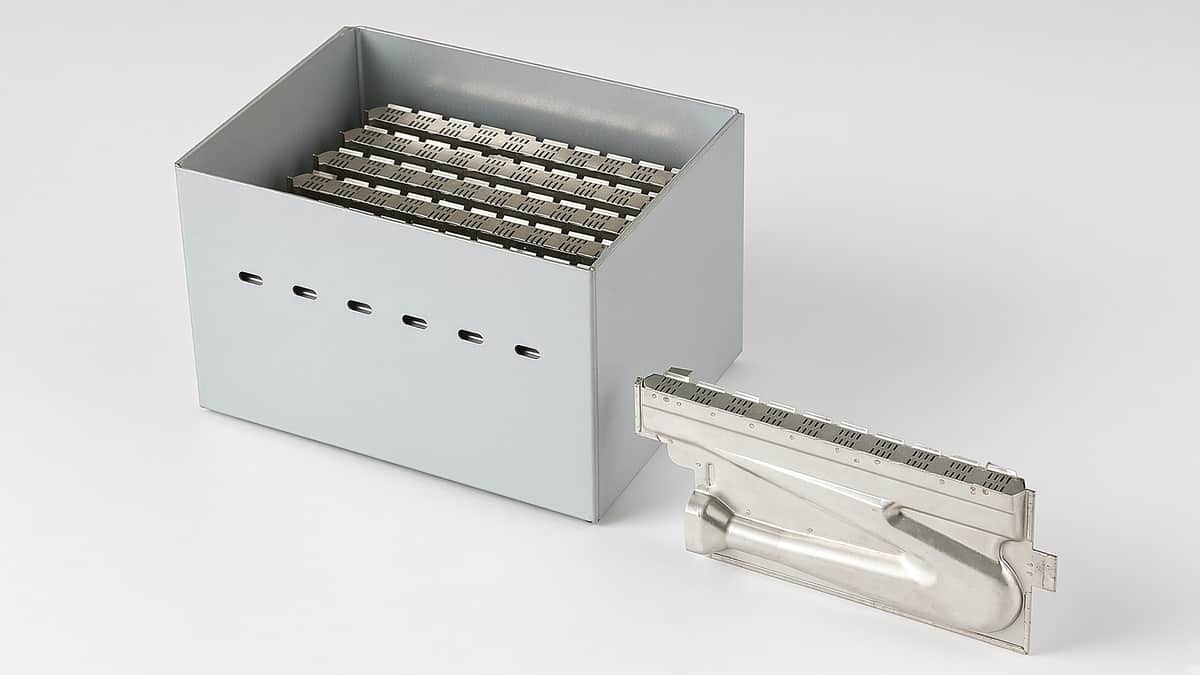
A tankless heater in a vehicle has four things working against it: a pump that runs at low pressure, a tap that cycles on and off, thin air at altitude, and water drawn from a tank. These are the components that answer them.
The exchanger is on a priced spares list on your program, so a service bay can quote it without a factory email. Gas setting, thermostat and mains-powered variants are a bench change on the same platform — see OEM / ODM below.
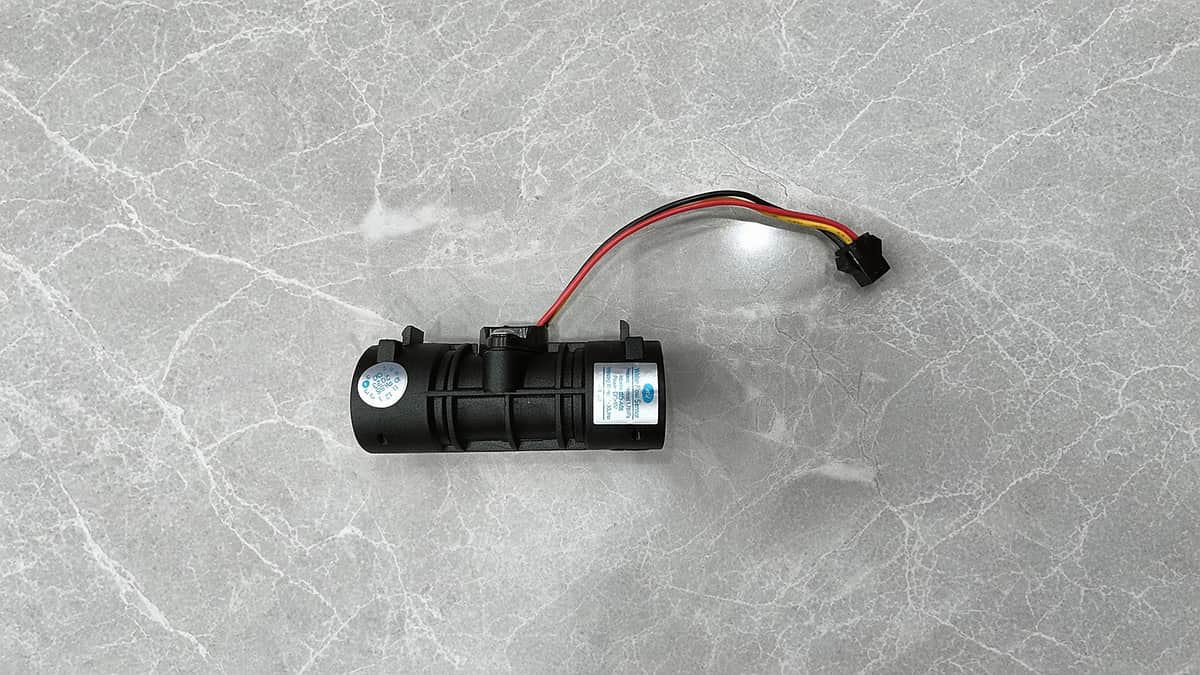
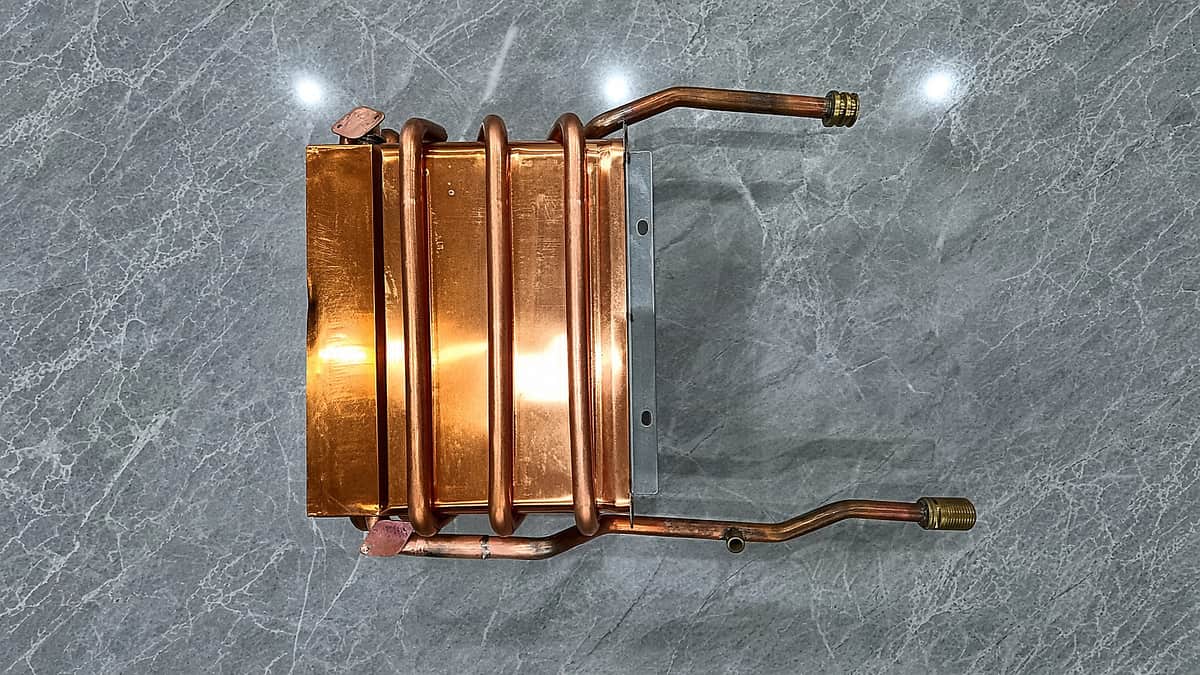
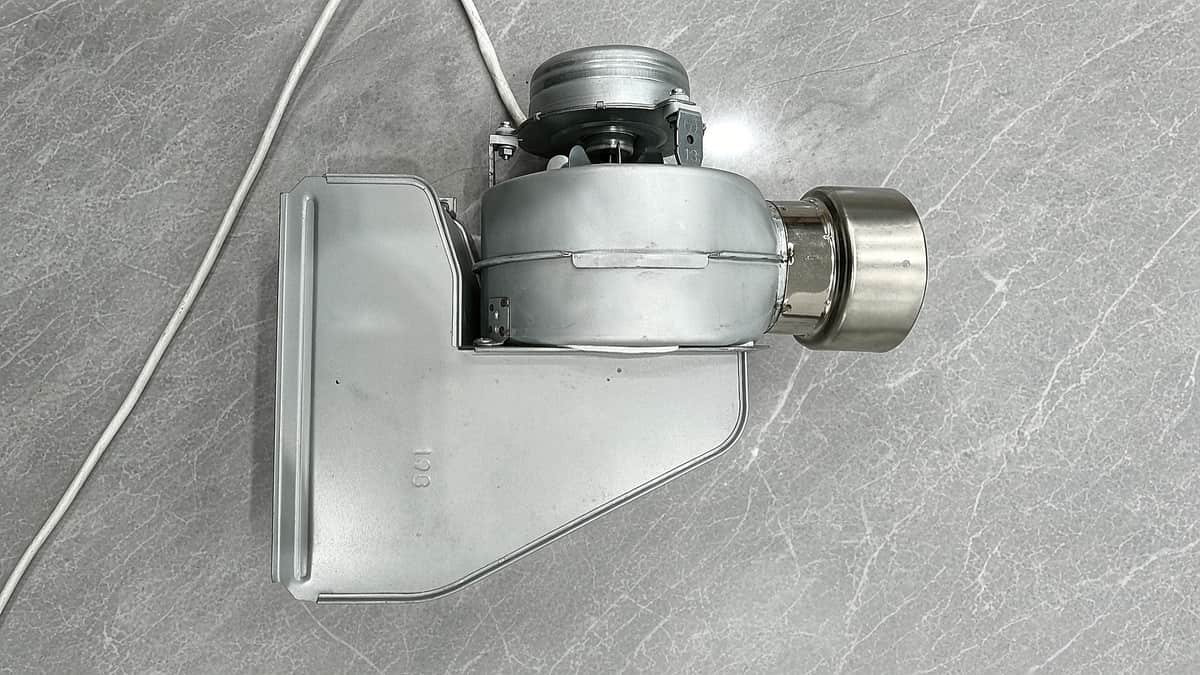
Retrofit and cold climate
Retrofit and cold-weather failures look nothing alike on a spec sheet and identical in a warranty bay. Here is what goes wrong, and what the build does about it.
A unit specced from a catalogue photo arrives a few millimetres off the recess — and fails end-of-line the day the trailer is finished.
Send the recess drawing. Unit, door assembly and trim ring are matched to your cut-out before the first run, and the tolerance is written into the QC gate.
Propane and LPG behave differently. A unit set for one market then shipped to another runs weak or hot, and nobody notices until a customer does.
Gas setting and orifice are locked to the destination market and certified with the unit — a commissioning step, not an afterthought.
A vehicle already carries its own pump and panel. A heater that assumes a different harness means a re-wire in the bay, which is where retrofit labour goes.
The control side runs on DC 12V, and the harness, controller position and connector are matched to the scheme your vehicle already carries.
A tankless unit is compact, but the door still has to swing inside the bay. Depth is the constraint a plan drawing hides.
320 mm of body depth, and the door assembly ships as part of the build rather than an accessory — so swing clearance is engineered with the unit, not around it.
Water left in an exchanger through a cold snap splits the coil — the most common off-season failure on a trailered unit.
The exchanger is drained by a procedure that ships with the unit, so it never sits full through a hard freeze. Winterising is in the manual.
The range
The builds differ in exactly two components. Everything else is common to all three — the same heat exchanger, the same gas path, the same control side, the same dimensions.
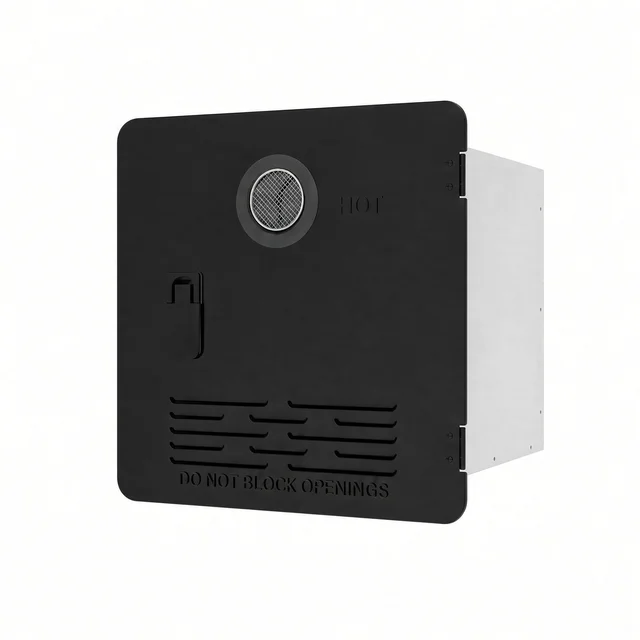
The entry build — the platform without the tempered-water chamber.
Eco plus the tempered-water chamber, which holds the outlet temperature steady through a pressure change at the tap.
Plus plus a copper front connector. The two additions are the only differences across the range.
Every build ships with these
What changes, and where
| Component | Eco | Plus | Pro Max |
|---|---|---|---|
| Tempered-water chamberHolds the outlet temperature steady through a pressure change at the tap. | Not fitted | Fitted | Fitted |
| Copper front connectorA copper connection brought out on the front face, instead of on the side. | Not fitted | Not fitted | Fitted |
Colour, shell finish, controller position, carton artwork and manual language are set per program. Tell us the market and the vehicle and we scope it from there.
Choose a buildThe drawing
Elevations to the production figures. Scale it off the numbers, not the drawing — the linework is proportional, the figures are exact.
OEM / ODM
Every row below is a line item you can change, priced against how it changes the build. The first column is what you get if you ask for nothing.
Eleven of these twelve move without new tooling. Only a private shell needs a mould cut, and that is the one line that changes the MOQ.
| Line item | In the platform | Custom, no tooling | Private tooling |
|---|---|---|---|
| Brand and labelRun as an RV tankless water heater OEM program under your brand, or private-label the incumbent panel you already sell. | |||
| Shell and handle mouldA private shell needs a mould cut. Colour and finish do not. | |||
| Cut-out and flangeMatched to your recess from a drawing, so it drops into the bay you already build. | |||
| Gas setting and orificeLocked to the destination market — propane or LPG — and certified with the unit. | |||
| Thermostat rangeThe 35–51 °C band is standard; a market may specify a different range or a fixed setpoint. | |||
| Electrical systemPropane on a DC 12V control side is the platform. A mains-powered or dual-fuel variant is engineered to your market spec. | |||
| ControllerWall controller as standard; position, harness and connector matched to the vehicle. | |||
| Door assembly and trim ringSupplied with the unit so the swing clearance is engineered in, not sourced around. | |||
| Packaging and cartonBarcode, hero art and carton spec to your channel — retail box or bulk export. | |||
| Manual languageAny market, shipped inside the load rather than added at the destination. | |||
| Certification targetLocked to the market you are selling into — the compliance band below maps which standard that resolves to. |
A platform SKU — our unit, your branding and pack — starts at a low per-SKU MOQ, so a first order does not have to fill a container. A private mould steps up with the program.
Get a tooling quoteCompliance
Certification attaches to one tested configuration. Change the gas setting, opening size or control side and it is a different build — so the target is locked before the tooling, not chased after the container.
Name the market and the model, and the marks follow from it rather than being argued about afterwards.
| Market | Standard | What it covers | Ships with the load |
|---|---|---|---|
| Australia / New Zealand | AGA · AS 2652 | Gas appliance safety for a propane or LPG small water heater, at the market gas setting. | Test report and declaration inside the container. |
| North America | CSA · ANSI Z21.10.3 | Gas-fired storage and tankless water heaters, including the RV and travel-trailer configuration. | Certification file and the mark on the rating plate. |
| Europe / UK | CE · EN 26 | Gas-fired instantaneous water heaters for sanitary use, at the market gas family. | Declaration of conformity and the CE mark on the unit. |
| Where the market asks | RoHS · REACH | Restricted substances across the housing, fittings and the electrical side. | Material declarations with the shipment. |
| High altitude | Tested to 5,000 ft (1,524 m) | Combustion stability where thinner air changes the air-gas ratio — mountain campgrounds and high-desert routes. | Altitude certification with the model you lock. |
Tell us the destination market and the model and we map the marks before the tooling is cut. Third-party inspection — SGS, TÜV or your own agent — is welcome at any build stage, and a plant audit is on file.
Map my certification path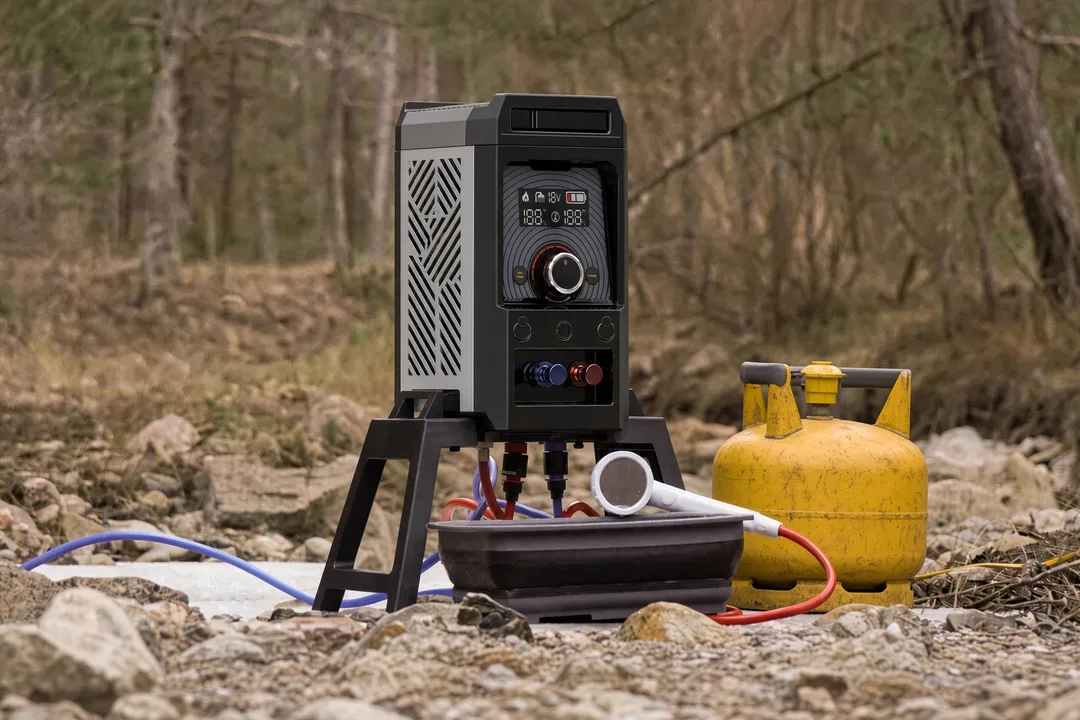
Camping gas water heater
Your own build, not a rebadge: made to your drawing, certified for the market it lands in, packed complete for the shelf, and a sample in your hands in 3–4 weeks.
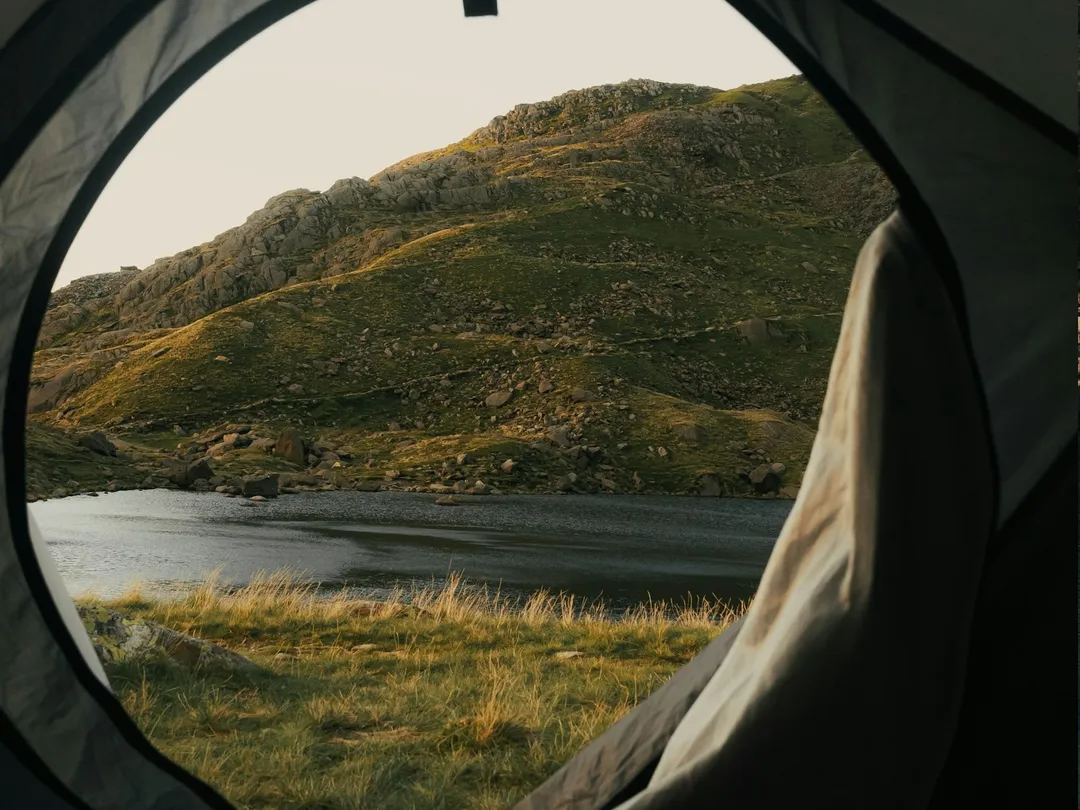
Where it goes
The same unit, three jobs. What changes between them is who is drawing the water and how far it has to travel — not the machine.


The specification
Every figure this build ships to, the dimensions an installer works from, and the connections it arrives with — the reference a buyer reads against a PO.
Flow · litres per minute
Inlet water at 15 °C. The curve shape holds across the range — only the rated power changes.
| DimensionsWidth | Height | Depth | Gas and CombustionHeat input | Gas consumption | Gas type |
|---|---|---|---|---|---|
| 400 mm | 318 mm | 170 mm | 6 kW | 20 MJ/h | Propane / LPG |
| Gas setting | WaterWater flow | ElectricalIgnition | System voltage | Battery | Battery life |
| Market-specific, locked at build | 2.2–3 L/min | Battery, no mains wiring | DC 12V | 2500 / 4000 mAh | 80–120 min |
| BuildHousing | Net weight | Enclosure rating | ConnectionsWater in / out | Gas inlet | Mounting |
| PA66+GF | 6.1 kg | IPX4 | Hose tail, quick-connect | Regulator, hose-mounted | Handle and bracket points on the shell |
| DimensionsWidth | Height | Depth |
|---|---|---|
| 400 mm | 318 mm | 170 mm |
| Gas and CombustionHeat input | Gas consumption | Gas type |
| 6 kW | 20 MJ/h | Propane / LPG |
| Gas setting | WaterWater flow | ElectricalIgnition |
| Market-specific, locked at build | 2.2–3 L/min | Battery, no mains wiring |
| System voltage | Battery | Battery life |
| DC 12V | 2500 / 4000 mAh | 80–120 min |
| BuildHousing | Net weight | Enclosure rating |
| PA66+GF | 6.1 kg | IPX4 |
| ConnectionsWater in / out | Gas inlet | Mounting |
| Hose tail, quick-connect | Regulator, hose-mounted | Handle and bracket points on the shell |
A field the source sheet leaves unspecified for this build is not carried as a dash here. If a figure you need is missing, ask and we will confirm it against the production sheet.
Flow · litres per minute
Inlet water at 15 °C. The curve shape holds across the range — only the rated power changes.
What this build is
Where it goes, what it runs from, what it is built out of, and how it is operated.
One person carries it, and it runs wherever it is put down.
Ignition is the only thing on the unit that draws power.
A moulded resin shell, not a painted steel box.
No plumbing run and no wiring to install.
In the field
Overheat, tilt and dry-burn cutouts, and the control face your end customer actually touches. On a gas appliance the protection answer is what your compliance people ask first, so it is set out here rather than buried in a feature list.
The outlet is watched, and the gas is cut before the water runs past the temperature you set.
A unit knocked off a tailgate stops firing rather than running on its side.
No water in the exchanger means no flame — the failure mode that kills an unfed portable heater.
And how it is operated
A single press lights the burner — no hold-and-purge sequence at the unit.
The control face shows the state the unit is in rather than a bare dial.
Flow and outlet are set once at the start of a session and the unit runs to that.
OEM / ODM
Your own mark, from a drawing to a shipping container: what moves, and what stays fixed.
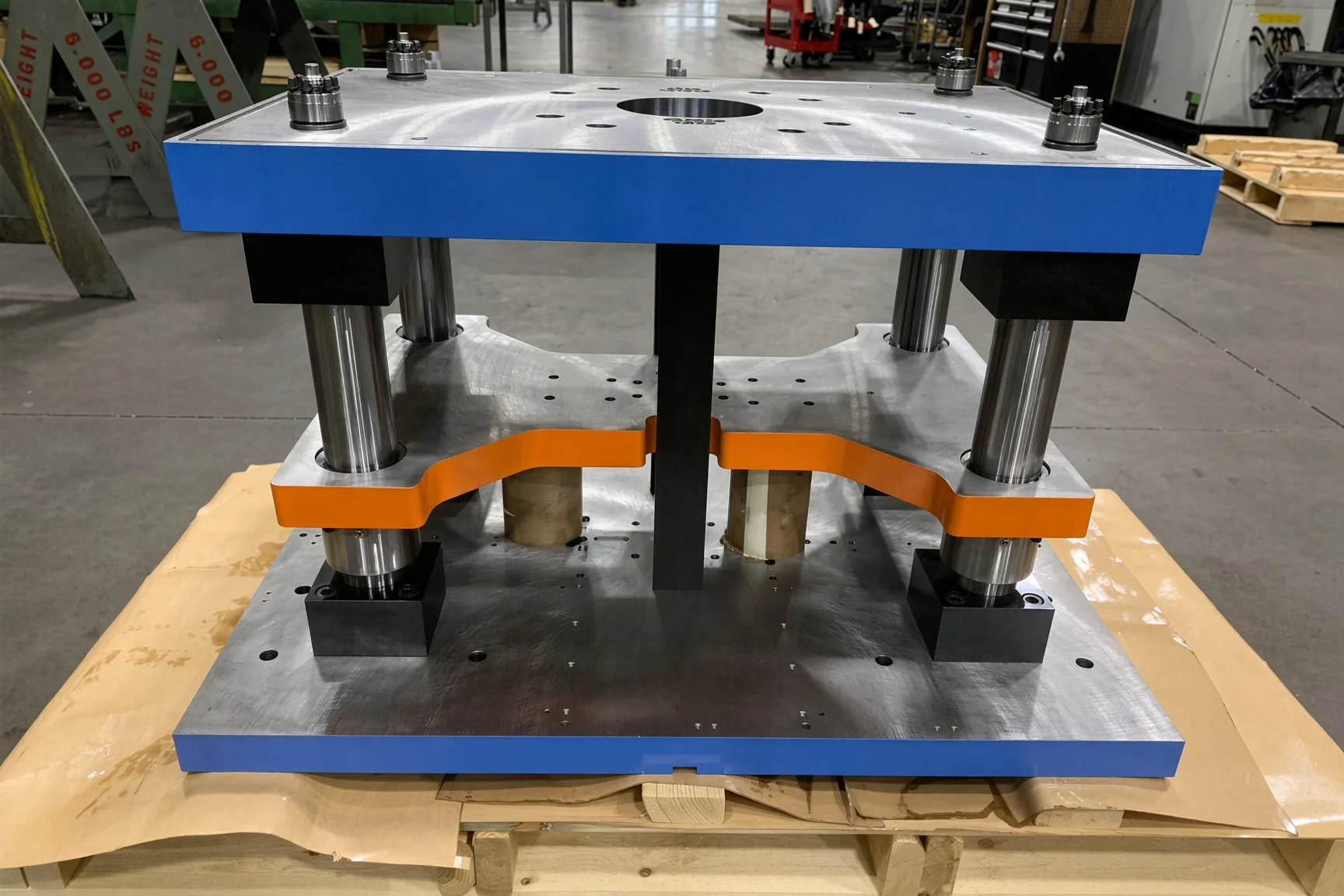
A private tool changes the part itself rather than the mark on it. It is quoted against your drawing once that drawing is locked.
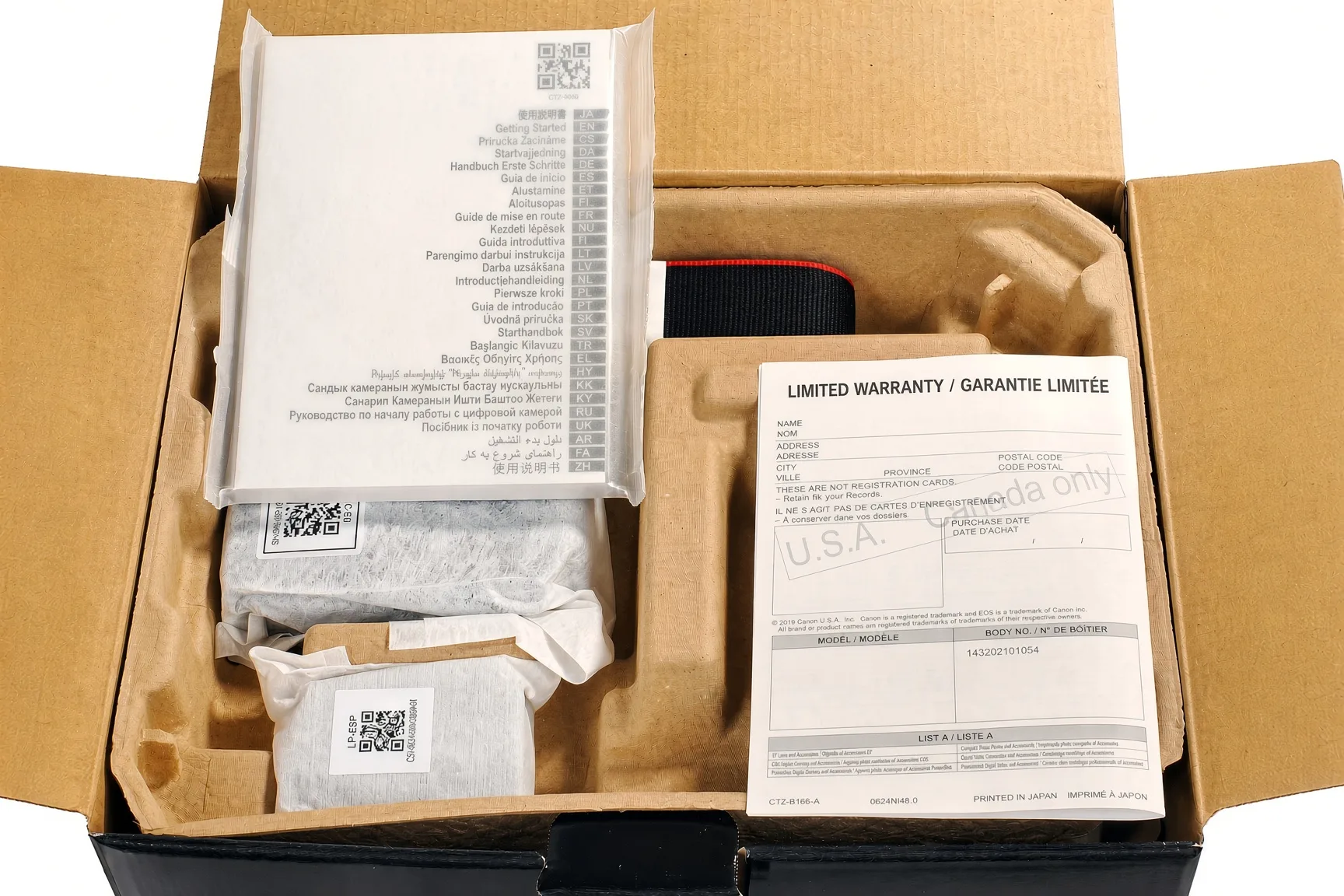
A manual is a compliance document in most markets, not a leaflet — so it is written for the destination rather than translated after the fact.
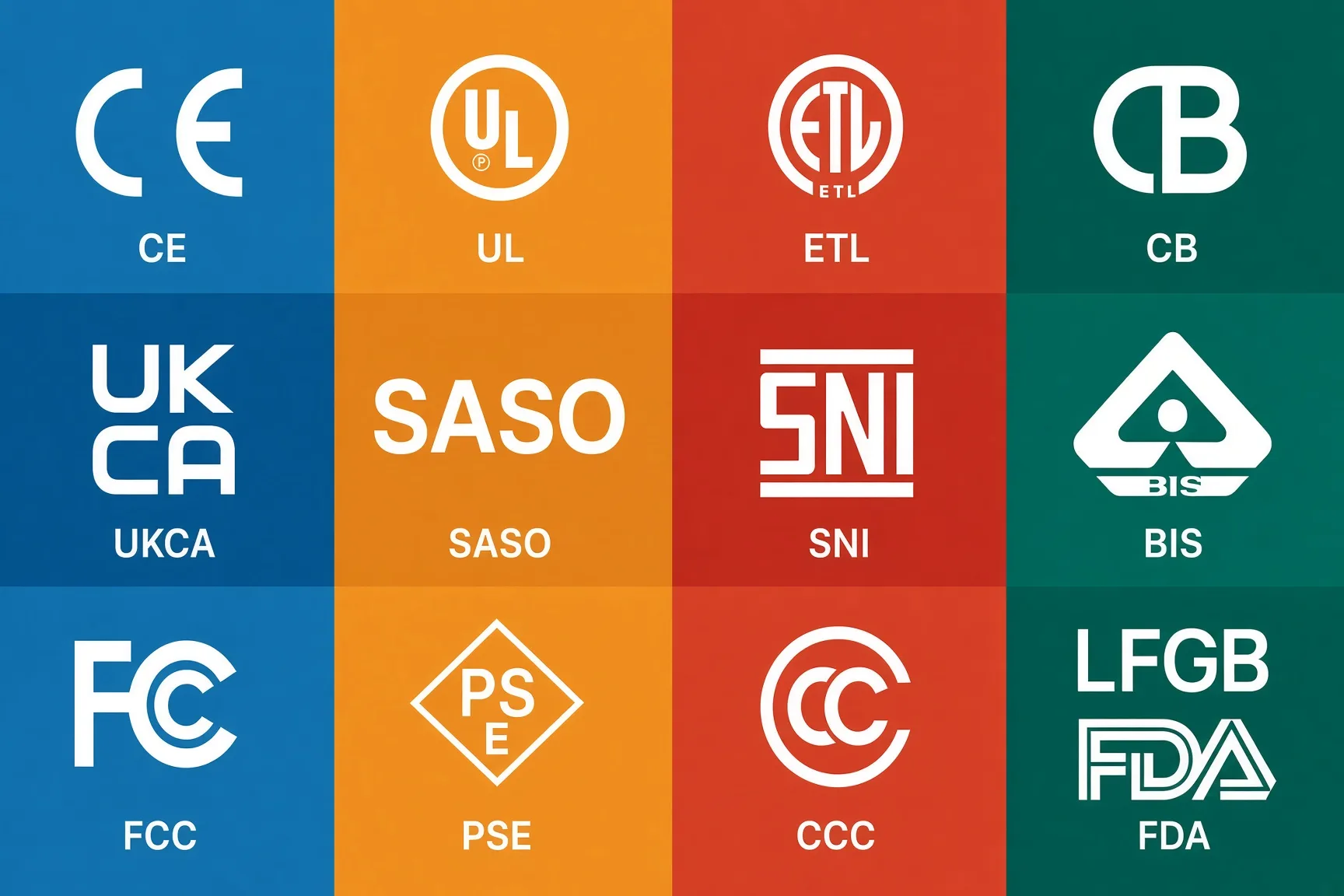
The gas setting and the certification scope are fixed at build, against the market you are selling into — not adjusted at the destination.
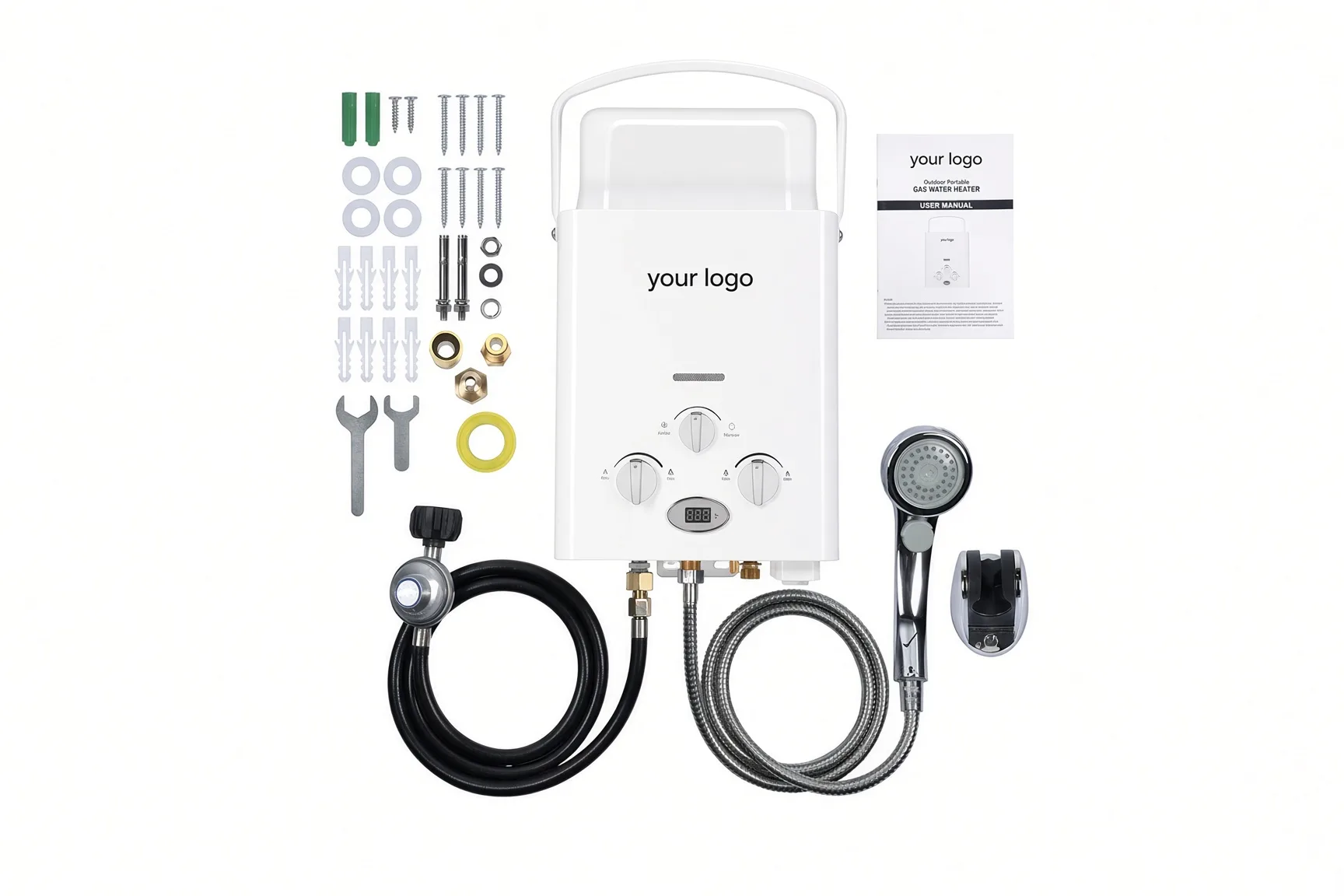
Colour, logo, carton and manual all move without tooling spend, so a first order does not have to fund a mould to carry your brand.
Evidence
What is verified before a unit is packed, and what you receive to put in front of your own compliance people. Neither is a claim about a certificate — it is what the shipment arrives with.
Metals and gas-path parts checked against specification before they reach a line.
Cut-outs and fittings checked to the drawing the order was built from.
Burn-in run on the unit, so the flame is proven before the enclosure is closed.
Over-ignition and flame-out checked on the assembled gas path.
Residual-water check, because a trapped charge is what cracks an exchanger.
Carton and drop check against the pack the container will actually carry.
In the shipment file
Terms and evidence
The terms as they will read on the order, and the documents that travel with the container.
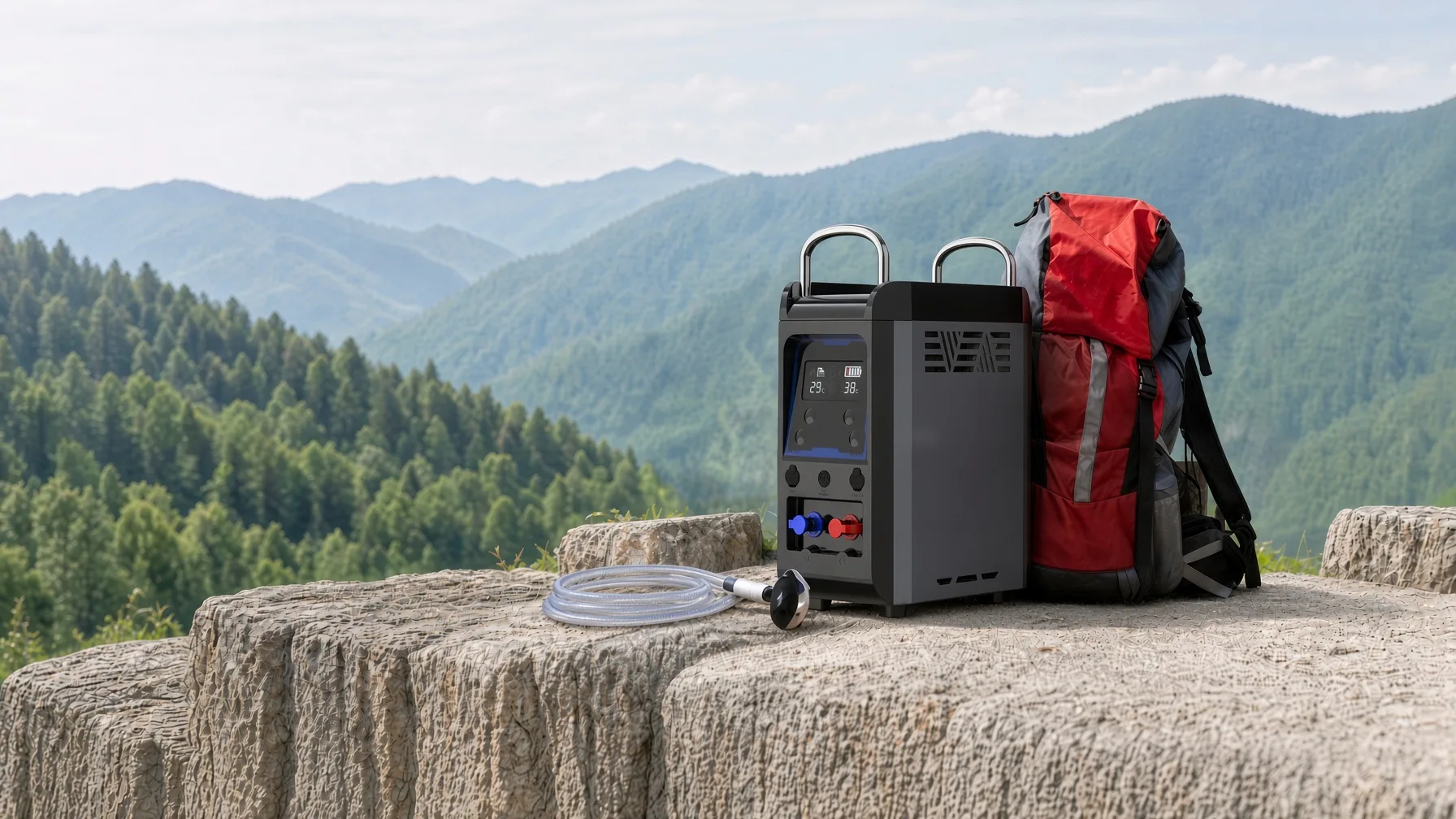
Portable gas water heater · OEM / ODM
An outdoor gas water heater built to your drawing — one platform, three control levels. 100% gas-tested, not sampled, and a 12-month warranty on the order. Shipped under your own mark.
The supply base
Shunde, in Foshan, Guangdong, is one of the densest gas-appliance clusters in the world. What that buys a buyer is not a slogan — it is what is physically next door.
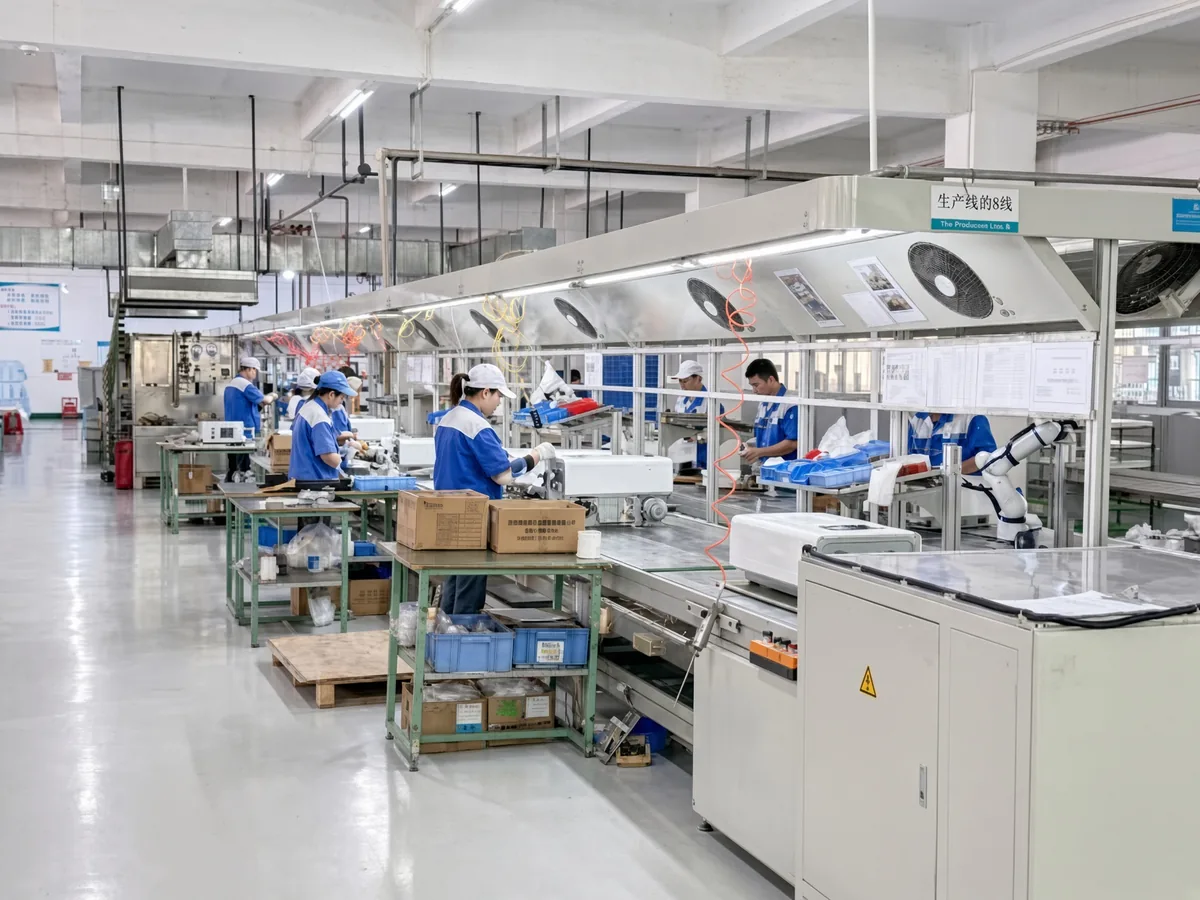
The district behind China’s gas-appliance cluster — the supply base this line is built in.
Exchanger copper, gas valves, ignition, tooling, cartons and test labs, all within the district.
Nansha and Yantian, both sailing out of Guangdong for FOB terms.
Within the district
A valve seat, a mesh grade, a masterbatch colour — suppliers here tool short runs, because two hundred other makers share the street.
Copper and gas-path valves come from named plants a short drive away — ask where a batch was drawn and you get an address.
A rise in season two is met by an adjacent line under the same audit — not a new factory found mid-program.
The line
Eco, Plus and Pro Max are the same exchanger, the same gas path and the same protections. What changes between them is the control face and what it takes to run.
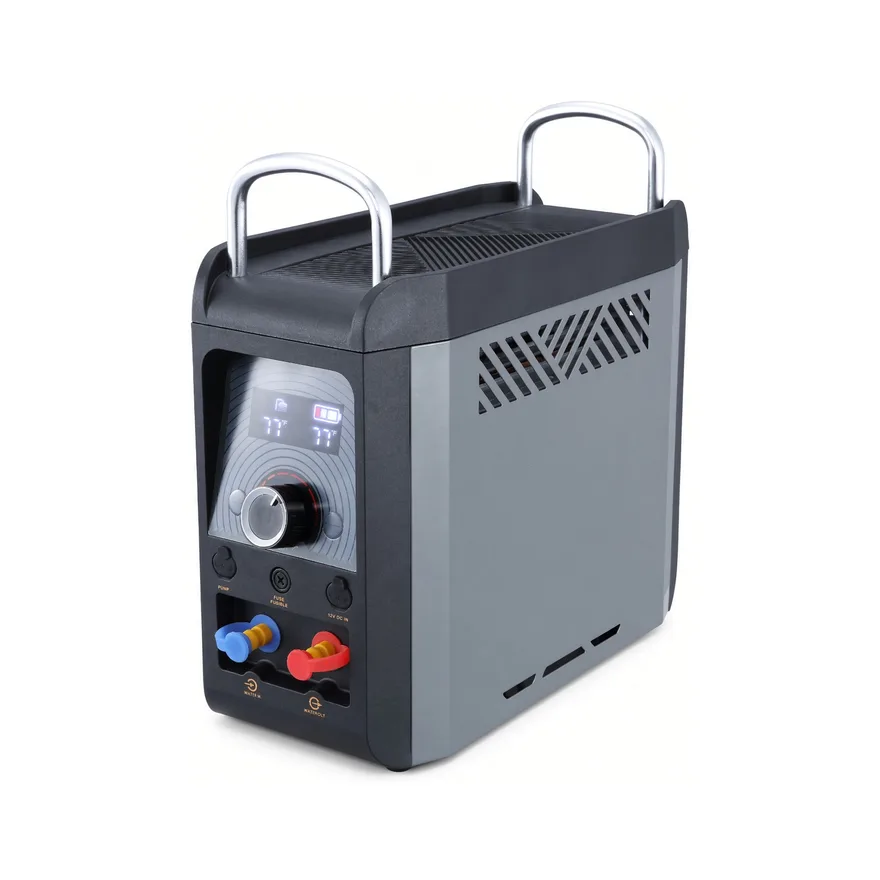
Flame-type pulse ignition
The platform at its simplest — one knob, a flame-type control and an LED that reports the state.
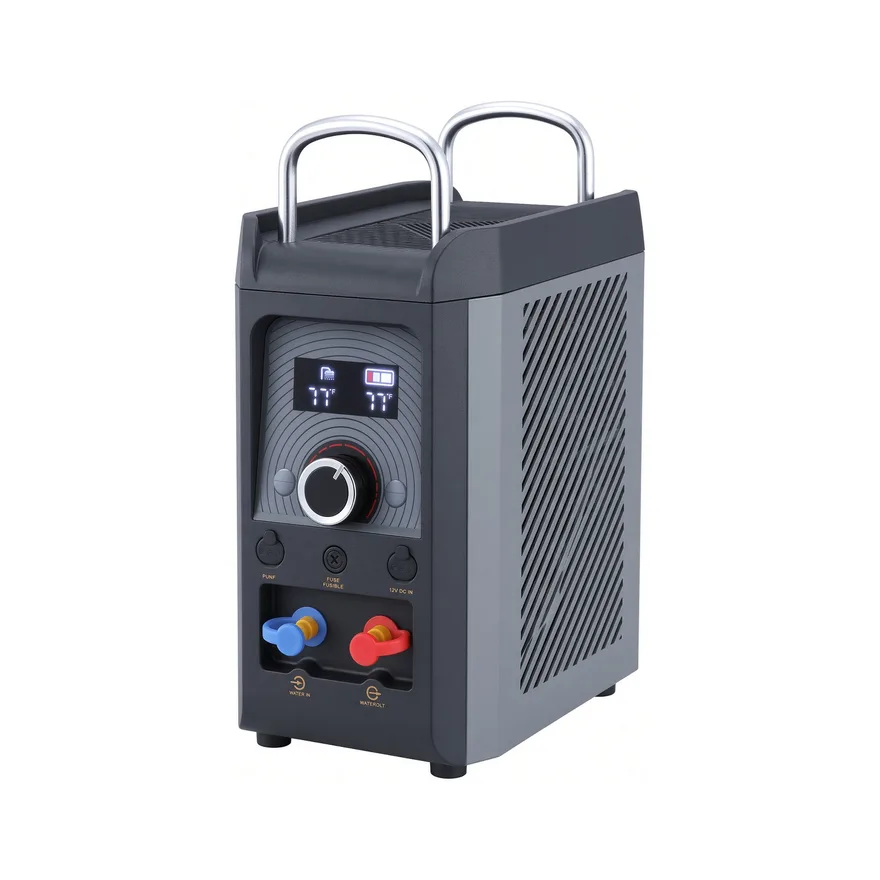
Portable controller with battery
Adds a rechargeable battery pack and a portable controller, so it runs with nothing plugged in.
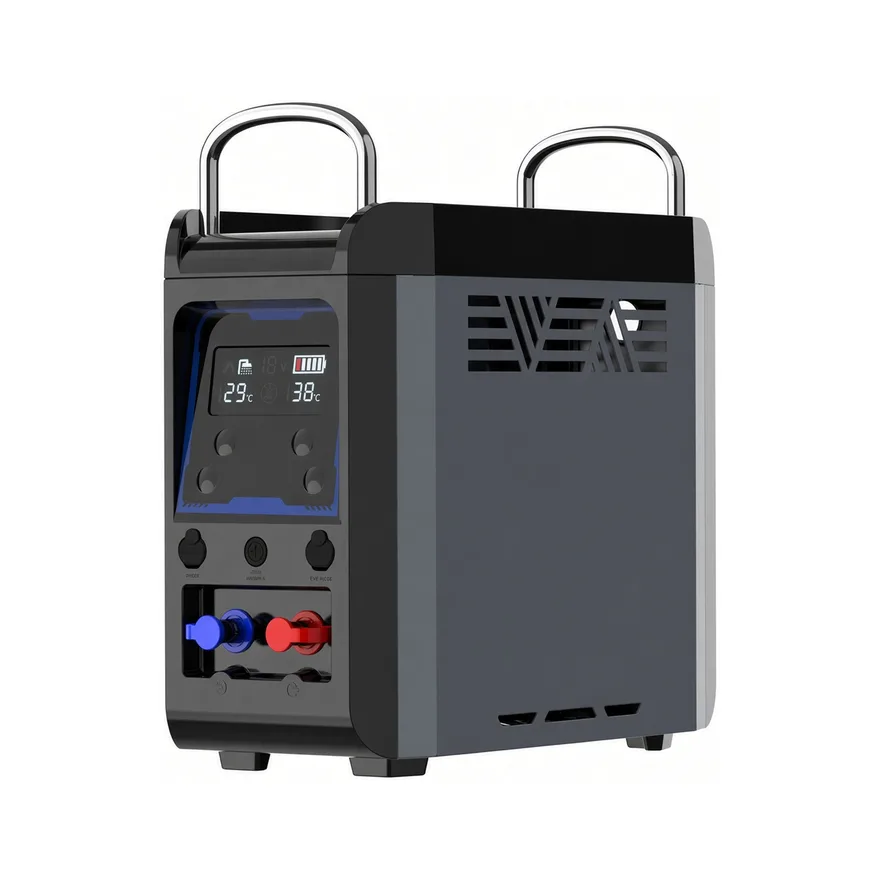
Thermostatic proportional valve
A proportional valve holds the outlet temperature steady, with a button-set thermostat and a near-zero standby draw.
The specification
Every figure the line ships to, stated once because all three builds share it, and the short list of rows that separate Eco, Plus and Pro Max.
What stays the same, on all three
What changes, and where
| Spec | Eco | Plus | Pro Max |
|---|---|---|---|
| Power | |||
| Battery packEco takes DC 12 V from an external supply; Plus and Pro Max carry the pack. | — | 18650 · 2500 mAh (21700 · 4000 mAh optional) | 18650 · 2500 mAh (21700 · 4000 mAh optional) |
| Run time, full charge | — | 100 min | 100 min |
| Charging time | — | About 3 h | About 1 h |
| Standby draw | — | 30 mA | < 1 mA |
| Control | |||
| Control system | Flame-type pulse | Portable controller | Proportional valve controller |
| Display | None — LED status lamps only | LED, knob and button | LED, button |
| Valve assembly | Single-axis valve | Single-axis valve | Thermostatic proportional valve |
| Adjustment | Knob | Knob | Button |
| Thermostatic control | — | — | Precise outlet temperature setting |
| Base rocker switch | ✓ | ✓ | — |
| Fault-code display | ✓ | ✓ | ✓ |
In the field
The same nine cutouts on all three builds — the control level changes what the unit does, never how it fails safe.
Knocked off a tailgate, it stops firing instead of running on its side.
The gas cuts before the outlet runs past the temperature you set.
Ignition is proved before gas stays on; a lifted flame cuts the supply.
A supply fault trips the unit, not the harness.
Stops accepting charge at full, so a left-on charger cannot cook the pack.
A spike on the DC input is clamped, not carried into the controller.
Cuts before the pack is drawn flat — what kills a stored cell.
The draw is limited at the board, so a stalled pump cannot cook the wiring.
Faults report as a code, not a dead machine with no answer.

Before you go further
You have seen the standard and what it takes to make the line yours. Tell us the market and the volume, and the reply is a cost direction and a sampling plan — with the documents below to check it against.
Certification and quality
Certification attaches to one tested configuration, so it is mapped to the build and the market before the order is placed. The file ships inside the load.
The configuration
Eco, Plus and Pro Max share the exchanger, the gas path, the burner and the enclosure — so they certify as one tested configuration. A buyer taking two builds, or moving from one to another, carries one set of approvals rather than three.
One standard, every build
| Check | Standard | Sampling | Method |
|---|---|---|---|
| Incoming materials | MPI 2.0 | AQL 1.0 | Metal and gas-path parts against the locked spec |
| Dimensional and fit | ISO 2859 | AQL 2.5 | Cut-outs, threads and mounting points |
| Combustion | Factory spec | 100% | Fully-premixed burn-in on the assembled gas path |
| Gas safety | EN 26 / CSA 4.3 | 100% | Dual-valve over-ignition and flame-out |
| Control side, per build | Factory spec | 100% | Valve, controller and display proven on the build they ship with |
| Anti-freeze | Factory spec | AQL 1.5 | Drain-valve residual-water check |
| Export pack | ISTA | AQL 4.0 | Packaged unit, 1 m drop and carton check |
In the shipment file
How a program runs
Four stages, no skipped approvals. Each one ends in a document or a unit you hold before the next begins, so nothing is renegotiated after tooling.
OutputFit notes and a sampling plan
OutputCost direction, cube plan, tooling position
OutputA physical approval unit
OutputCertified, container-ready lot
The difference
Both send a catalogue and a price. The difference shows up when a spec changes, a certificate is questioned, or a batch lands off-target.
| Aspect | Typical trading desk | Gulfstone standard | How you can check it |
|---|---|---|---|
| Factory access | A showroom and a catalogue. Production is a third party you cannot name. | You know which plant builds your unit, and can walk the line before you commit. | Factory tour, on site |
| Material verification | The copper and the gas-path valves are described in an email and taken on trust. | Incoming material is inspected against our standard on arrival. | Incoming inspection records |
| Build levels | Each price point is a different unit, with its own gas path and spares list. | Eco, Plus and Pro Max share the exchanger, burner and protections. | Which parts change between builds |
| Spec changes | A change means a new supplier, a new quote and a reset schedule. | Tooling and component supply sit inside our own base. | What a shell revision costs in lead time |
| Certification | Certificates are discussed, then chased after the container has sailed. | One tested configuration, and the file travels inside the load. | The pack that ships with the lot |
| Quality ownership | A defect is a conversation with a factory that does not answer to you. | One QC standard, and a factory answer on a batch claim in 24–48 hours. | Who answers a batch claim — sales or the line |
The file pack
The same pack that ships inside the container, available before you ask. Read the specs, open the bill of materials, load the cut-out into your own CAD.
Want the pack for a different build, or the certification dossier for your market? Ask for it by name and it comes back with the quote.
OEM / ODM
Your own mark on any of the three builds, from a drawing to a shipping container: what moves, and what stays fixed.
Free to Change
No tooling. Your colour, logo and carton are quoted in the first reply.
Colour, logo, carton and manual move without tooling spend, so a first order does not have to fund a mould to carry your brand.
No tooling. The unit arrives set and certified for your market.
The gas setting and the certification scope are fixed at build, against the market you are selling into — not adjusted at the destination.
Engineering & Tooling
No tooling. The fit and DFM review comes back before anyone quotes.
Send a CAD file, a reference unit or a sketch. The engineering team reads it against the housing, the gas path and your market, and comes back with what will not fit before a price is attached to it.
A private mould, quoted against your drawing once it is locked.
A private tool changes the part itself rather than the mark on it, quoted against your drawing once that drawing is locked.
Terms
The commercial terms as they will read on the order — the money, the schedule and what happens if a unit comes back.
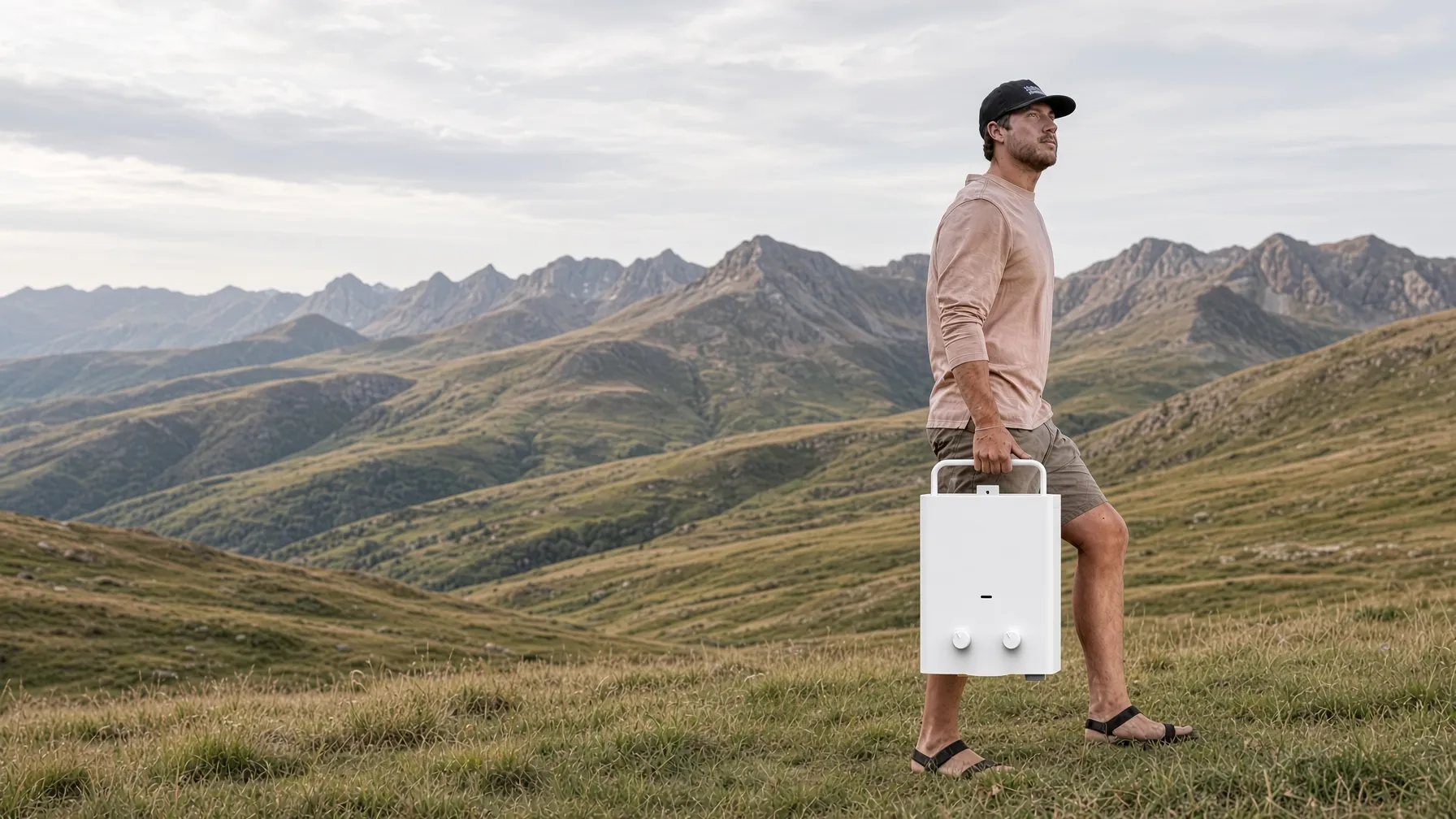
5L Portable Gas Water Heater · OEM / ODM
A fixed outdoor gas water heater for sites with no mains supply — built to your drawing, branded for your market, and shipped under your own mark.
What it is for
A fixed outdoor water heater for sites that run on a propane cylinder and no mains power. It heats on demand as the tap opens, and shuts the gas off the moment the water stops.
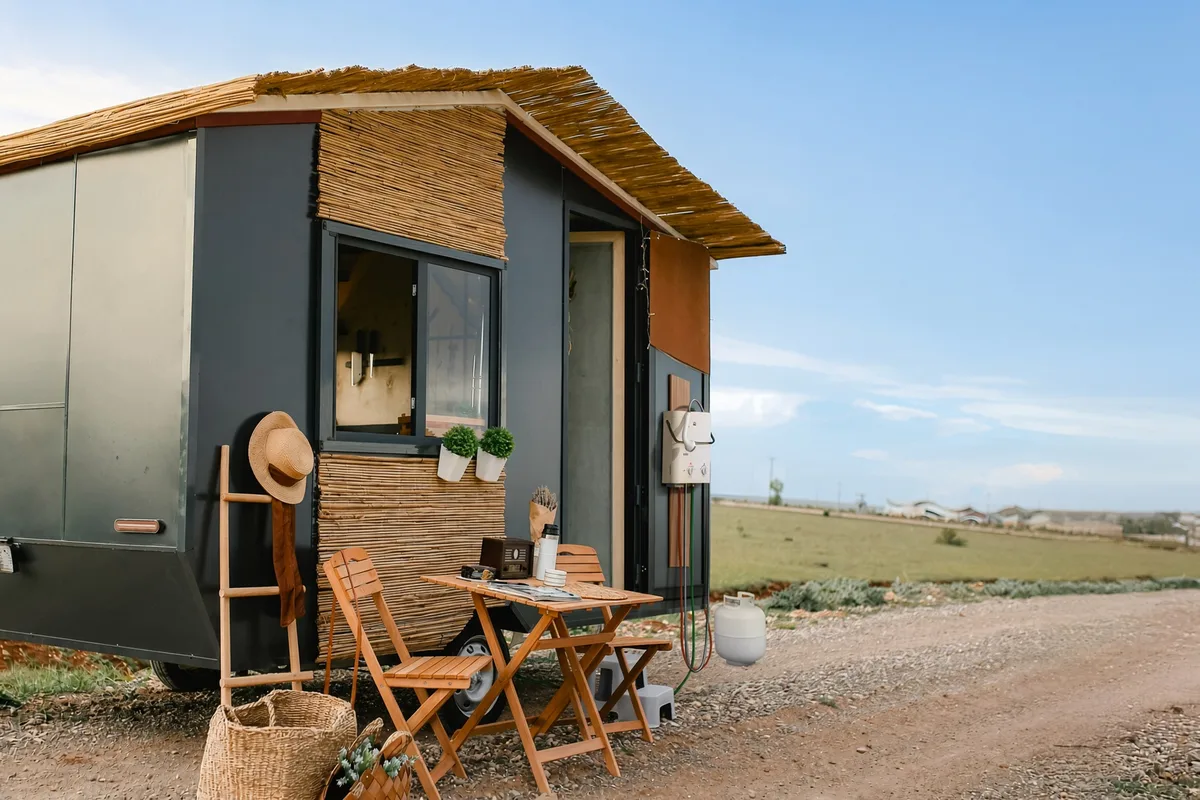
Fixed installation
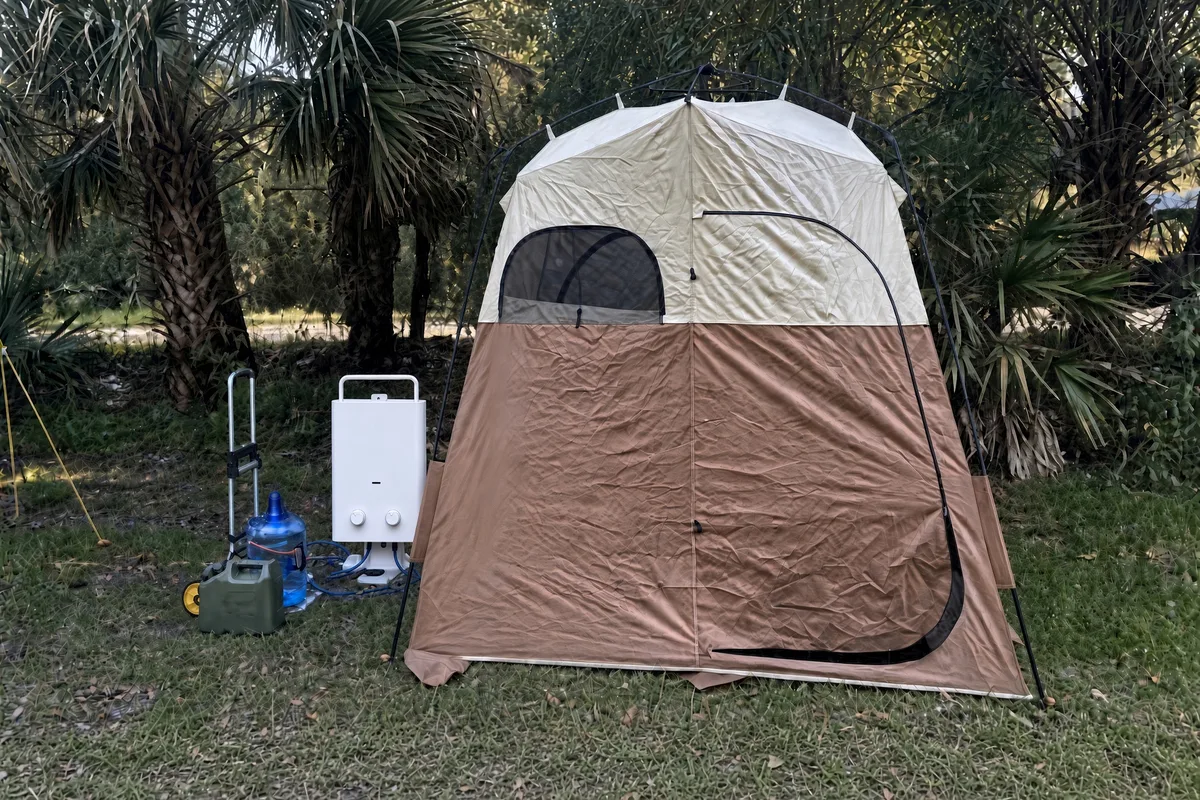
No mains power
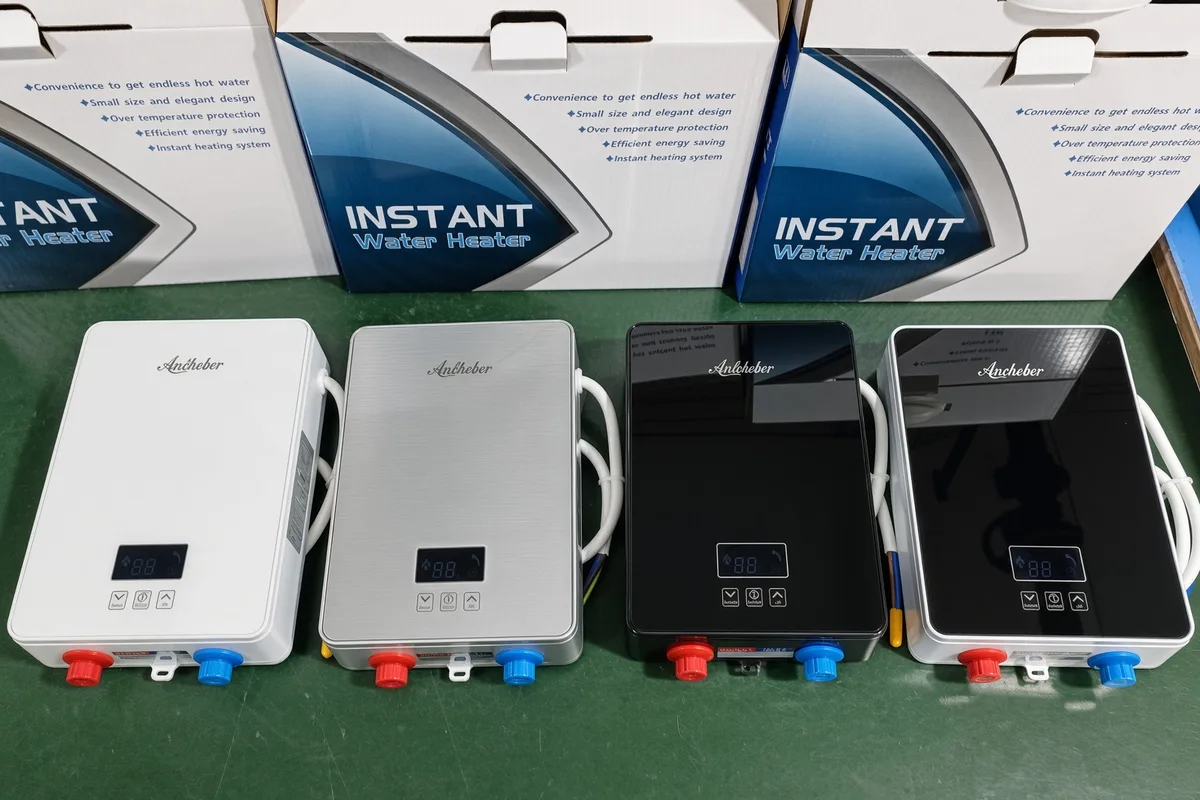
Private label ready
What it is made of
Each part below is a row on the datasheet further down — opened up, so the figure and the component it describes read as one thing.
A 1.0 kg copper heat exchanger, tin-dipped for corrosion resistance along the water path — the coil the flame plays across.
Gas is admitted only while water is flowing. Turn the tap on and the burner lights; turn it off and the gas stops — no separate gas switch.
A three-row burner with 6 × Φ0.69 mm nozzles, sized to the 32,000 BTU/hr input for a stable flame across the flow range.
A fixed limit that interrupts the burner before the outlet runs past 80 °C, independent of the manual knob position.
A mechanical over-pressure device on the water side, relieving before the tank sees a strain the coil cannot hold.
Face and base in sprayed sheet metal — a painted steel housing rather than a moulded one, so it takes an outdoor fixing and a custom colour run.
The specification
The production figures an installer works from and a buyer reads against a PO — grouped the way the unit is built, not the order the factory worksheet lists them in.
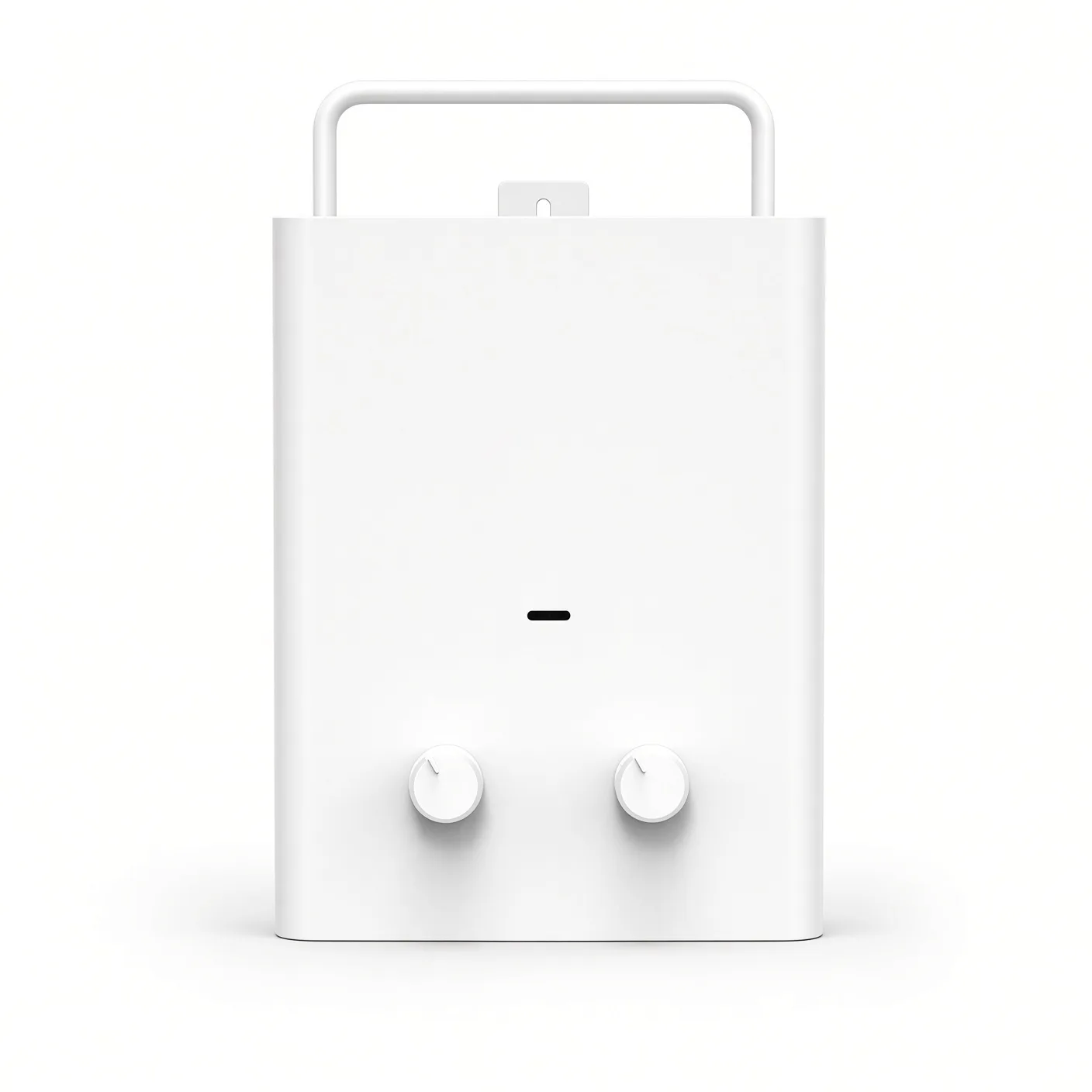
Figures are the production specification for this build. Where the source sheet leaves a value open, it is confirmed against the production sheet rather than shown as a dash.
When something goes wrong
Four cut-outs on the water–gas path, and the running order that opens and closes the burner. None of them needs a person to act.
If the flame lifts or dies, ignition stops proving and the gas supply cuts.
The pressure-relief valve discharges on the water side before the coil is over-strained.
The 80 °C thermostat interrupts the burner at the set ceiling.
No flow, no gas — the linkage valve closes the burner when the water stops.
Water flows through the linkage valve, which opens the gas path in proportion.
Continuous pulse ignition fires on the 3 V supply and proves a flame before gas is held.
The burner plays across the copper coil and the outlet runs to the temperature the knob and flow set.
Flow stops, the linkage valve closes the gas, and the burner goes out — nothing runs until the next draw.
What you bring to it
What the unit arrives expecting on site — read it against a drawing before the fixing point is set, not after.
How it is made
What happens between a drawing and a loaded container on this model — the brief, the test, the plant and the records that travel with the batch.
Drawings, carton art and the market setting go into one brief, so nothing is re-explained between the sample and the production run.
Every assembled unit is burned in on the gas path and flame-proved before it is packed — not sampled.
The coil, gas path, burner and shell are assembled and tested in-house in Shunde, Foshan, where the district’s suppliers sit a short drive away.
Each batch carries its own inspection and combustion records, so a claim can be traced to the run that made the unit.
Make it yours
A platform SKU under your own mark needs no tooling — the panel is sprayed steel, not a mould. Add a private shape only when the shell itself has to be yours.
No Tooling
Colour, logo, carton and manual move without a mould, because the housing is a sprayed sheet-metal panel rather than a moulded shell.
No Tooling
The gas setting and the certification scope are fixed at build against the market you sell into, not adjusted at the destination.
Engineering
Send a CAD file, a reference unit or a sketch. Engineering reads it against the panel, the gas path and your market, and comes back with what will not fit before a price is attached.
Application
A tankless propane heater on a 12V supply, built to be lifted out and set up wherever the water is. It heats as the tap opens and stops the moment the water does.
Carried, not fixed
Runs on the vehicle supply
Where a hot tap is needed for a while
Heat control
Instant hot water with no tank to wait on, and a burner that steps through three flame settings instead of only on or off — the mechanism the "constant temperature" name rests on.
The burner drops to its lowest setting once the outlet is up to temperature — it holds the heat instead of overshooting it.
The middle setting carries a normal draw: an outdoor shower or a wash point running at a steady flow.
Full flame for a cold feed or a fast fill, then a step back down to hold the outlet rather than run past it.
The burner holds one of three flame settings and steps between them as the outlet and the flow move. Full flame for a cold feed or a fast fill, then a step down to hold the outlet — the mechanism behind the constant-temperature name.
Specification
The production figures an installer works from and a buyer reads against a PO — grouped the way the unit is built, not the order the factory worksheet lists them in.
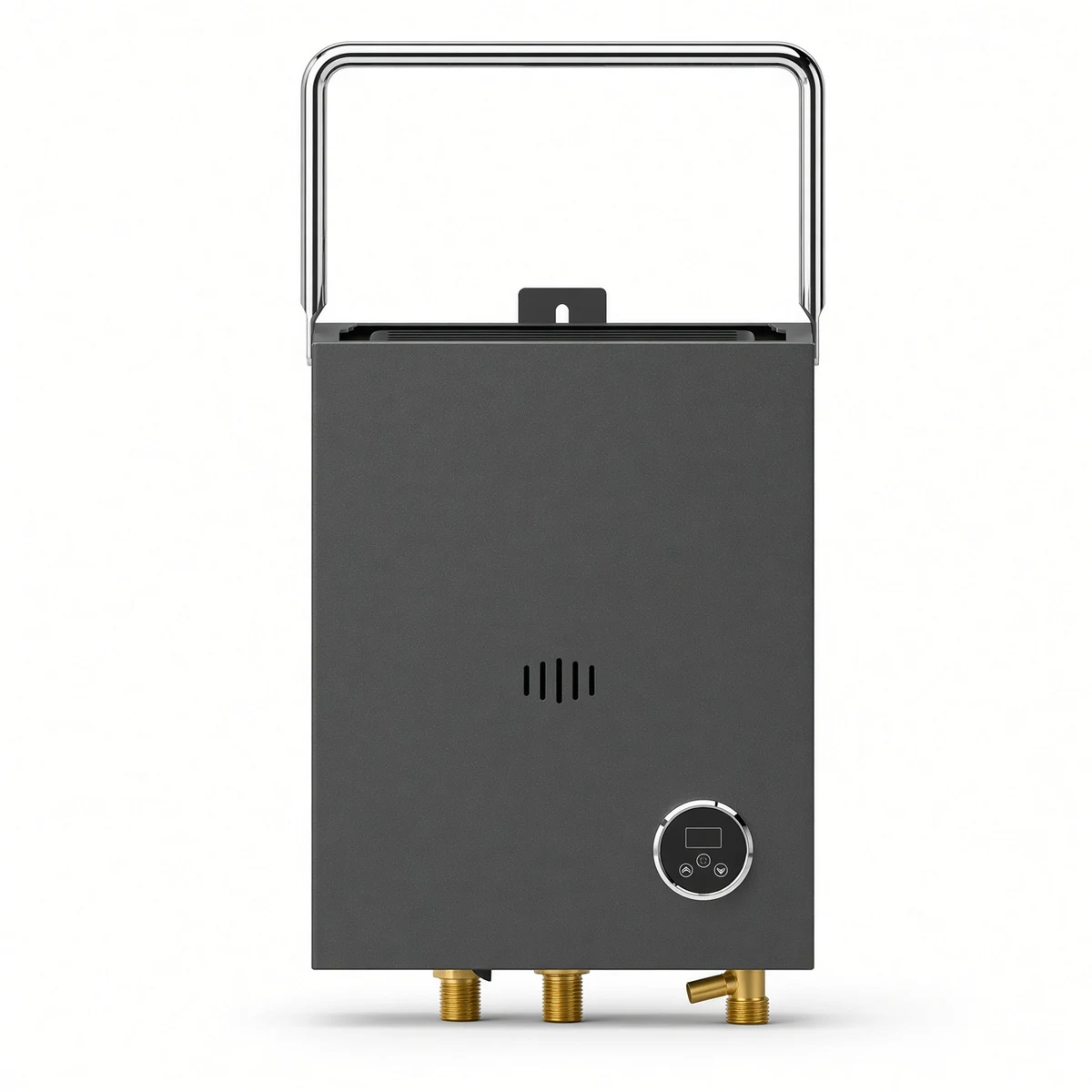
Protection
Each protection below stops the unit on its own — none of them waits for a person to act. They are the checks an importer reads first, because the liability for what ships travels with the container.
If the flame does not prove or lifts while gas is flowing, the supply is cut.
A thermal cut-out stops the burner before the outlet runs past its limit.
With no water in the coil, the unit will not fire — it cannot heat an empty exchanger.
The unit protects itself when the incoming water pressure runs high.
A sensor reads the water flow and the unit wakes — nothing has run until now.
The burner lights automatically on the flow. There is no pilot and nothing to light by hand.
The flame holds at one of the three stages, giving up to a 25 °C rise at the rated flow.
Flow stops, the burner goes out, and the unit returns to idle between draws.
Sourcing risk
A portable heater is judged by what fails after the season, not by a spec sheet. Five of the risks that come back to a buyer of a portable line — and what this build does about each.
Pitted coils and seized fittings turn every unit you sell into a claim against your brand, not the factory that made it.
What this build does
A weather-resistant metal case and a build set for propane only — the configuration confirmed against the production sheet before the order, not after.
A heater that wants mains power does not fit a camper, a van or an off-grid cabin, and rewiring around it undoes the saving.
What this build does
It runs on the 12V supply the vehicle or the cabin already carries, so it fits the rig rather than fighting it.
A single-stage burner overshoots and undershoots as the flow changes, and the person in the shower feels every swing.
What this build does
A flame that steps through three stages holds a steadier outlet as supply and flow move — the mechanism behind the constant-temperature name.
A private shape usually means a mould, and a mould means a volume a first order may not reach.
What this build does
The case is a metal shell, so colour, logo, carton and manual move under your mark with no tooling to buy.
A unit shipped before its approval lands is a container you cannot sell, sitting against your cash.
What this build does
The certification scope is mapped and locked before the order is placed, so the certified unit is the unit that ships.
Programme
A portable program follows a fixed order, and the two questions a buyer asks at every stage are the same: what is locked, and when. Here is the run this model follows, from the first brief to the sealed container.
Send the destination market and an annual volume. What comes back is a cost direction, a sampling plan and the settings this model ships with — a costed reply, not an acknowledgement.
Samples are built to your finish, dimensions and packaging and checked against the spec, so what is approved is what the line runs.
The gas setting and the certification scope are fixed at build against your market. The configuration is locked before production, not adjusted at the destination.
The build runs against the locked configuration, and every assembled unit is burned in on the gas path and flame-proved before it is packed — not sampled.
Units, spares and accessories are packed to one load and one packing list, so a first order does not have to fill a container on its own.
Compliance
Certification scope is mapped before the order, not after it sails. Tell us the destination, and the unit is fixed, tested and documented against that market — the certified unit is the one that ships.
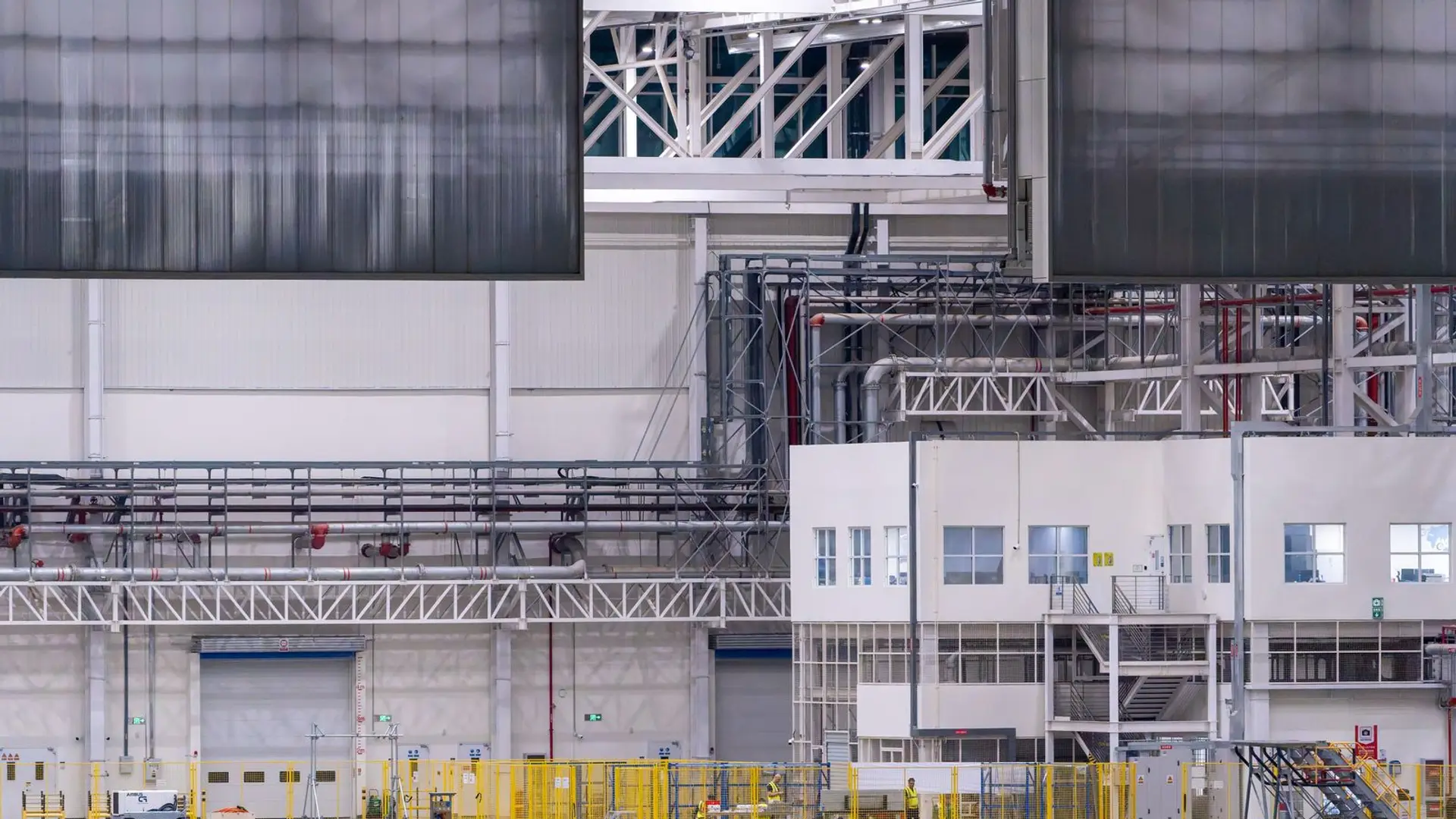
Factory tour
Bring your engineer, your QA lead or your own agent and walk the Shunde lines the way you would audit any supplier. What follows is what the plant is made of, and what a visit lets you check yourself.
The visit
Five stations, in the order they happen. What you see at each one is what the tour is for.
We shortlist the lines your product would actually run on and confirm they are scheduled for the week you arrive. You get the itinerary before you book the flight, not after.
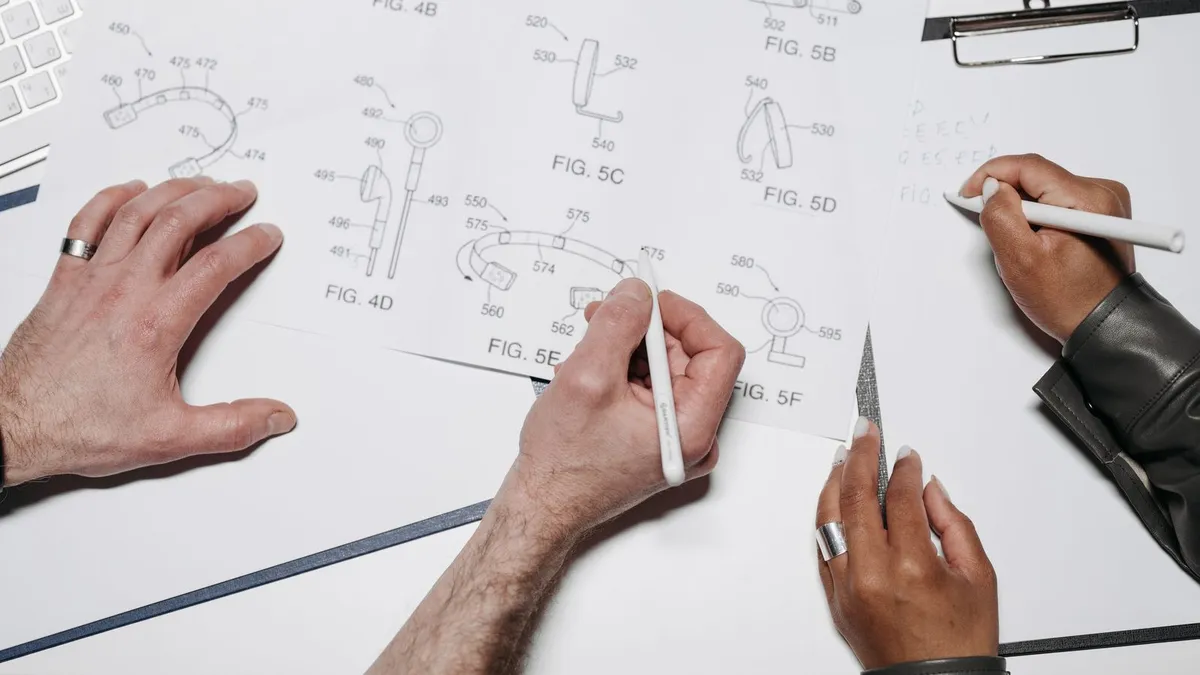
The stations are sequenced to your procurement priorities — the parts you are hardest to source first. Each is time-boxed so you are not marched through, with buffer left for the one that deserves a longer look.
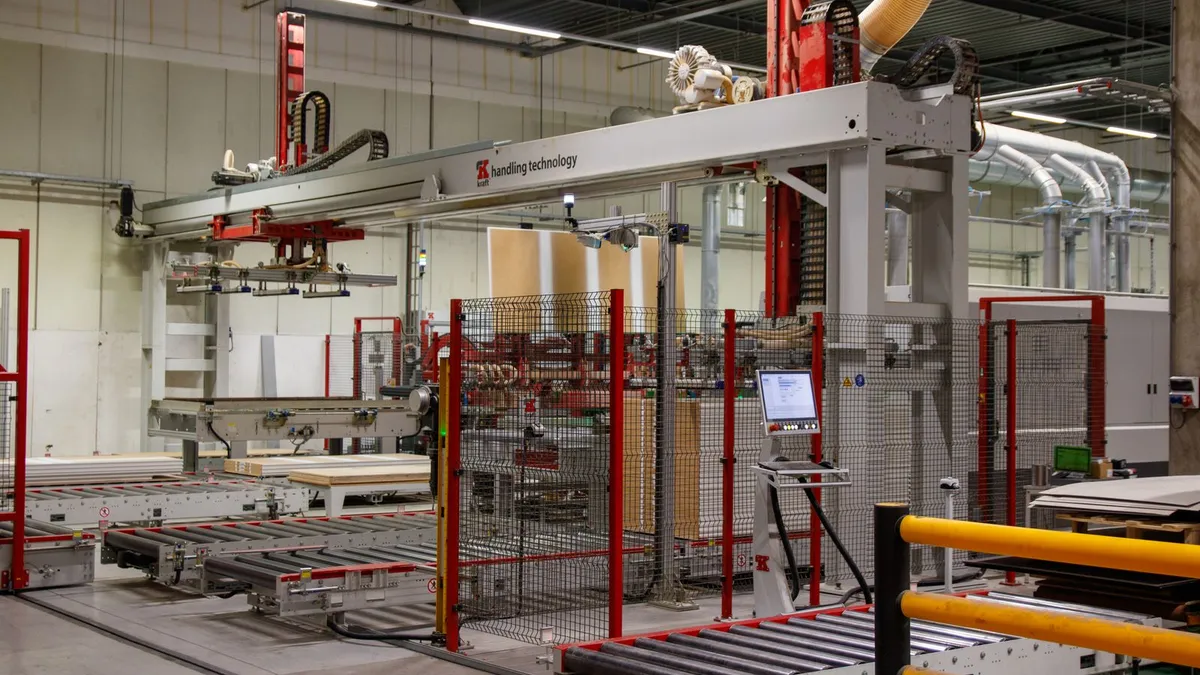
A Gulfstone manufacturing engineer walks every station with you, translating spec as it is discussed and flagging the production detail a general interpreter would drop. You hear what the line lead actually said.
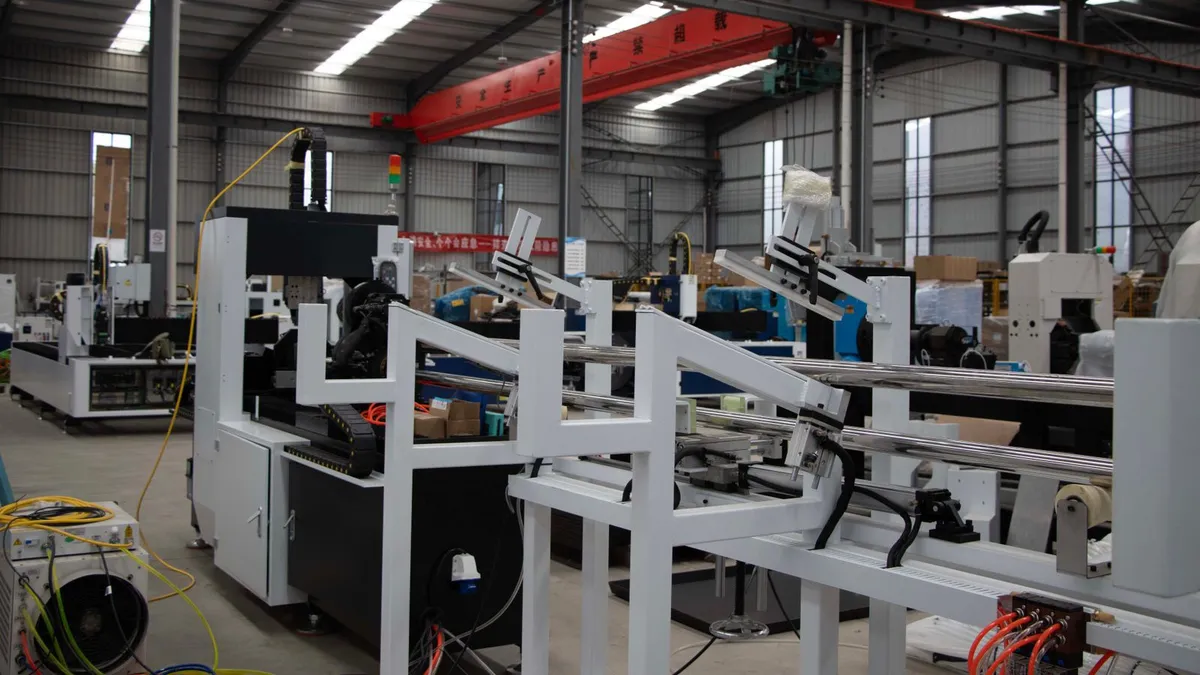
Bring a drawing, a cut-out or an incumbent unit and it goes on the bench next to the machine that would run it. Tooling changes, material substitutions and fitment questions get answered standing up, not over email.
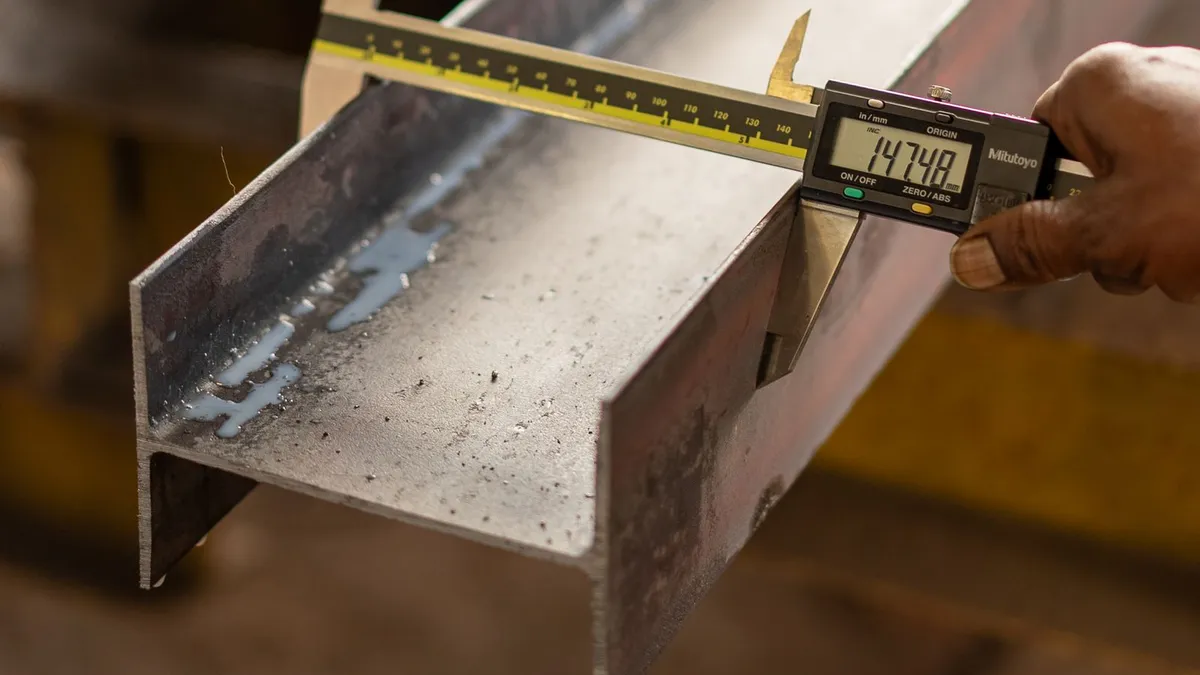
You leave with a written read on what the plant can hold: capability by station, the two or three tolerances that would decide your spec, and where the honest risk sits.

What you can verify
A proposal reads the same from a trading desk and a manufacturer. These are the things the tour exists to let you check yourself.
Livegas test cell
Stand at the combustion cell while a unit from the schedule is run and flame-proved. It is a check you watch happen, rather than a claim you read off a certificate afterwards.
1lot, followed
Pick a lot on the line and walk it with the engineer through every station it still has to clear — rather than arriving at a batch staged for the visit.
2ways to tool
Your own mould, or ours with your branding and pack. Standing next to the machine, a tooling question gets costed in minutes instead of an email thread.
Lastbatch record
Ask for the per-unit gas log and the batch record from the run that finished before you arrived, and read them against the line standing in front of you.
FCLload plan
Mixed-container loading against a documented load plan, and an export pack with its own drop-test rig. Ask to watch a carton come off the line and go through the pack station.
24months
The warranty term, the returns window and the spares list ship with the program. Ask the after-sales desk directly what a service centre can get without a factory email.
What a visit settles is whether the plant is what it says it is. The quality system behind it — the gates, the standards and the sampling — has its own record.See the Quality Control System
Where to go next
A supplier is more than the building. The mould, the certificate, the program, the warranty — each has its own record.
How to start
The tour is a scheduled engagement rather than an open day, so the line and the engineer are held for you.
Your product, the destination market, your annual volume and any drawing you have. One page is enough to scope it.
A call with engineering and production rather than a sales desk, so the stations you need to see are set by the people who would run them.
We hold the line schedule and the engineer for the week you arrive, and send the itinerary before you book travel.
Fly in. Walk the stations, put your sample on the bench, and leave with the written debrief.
The tour is built for programs in the USD 400k+ a year band — a first order that fills part of a container is usually better served by the sample route.
Start the conversationOur plant
What gets checked before a program starts.
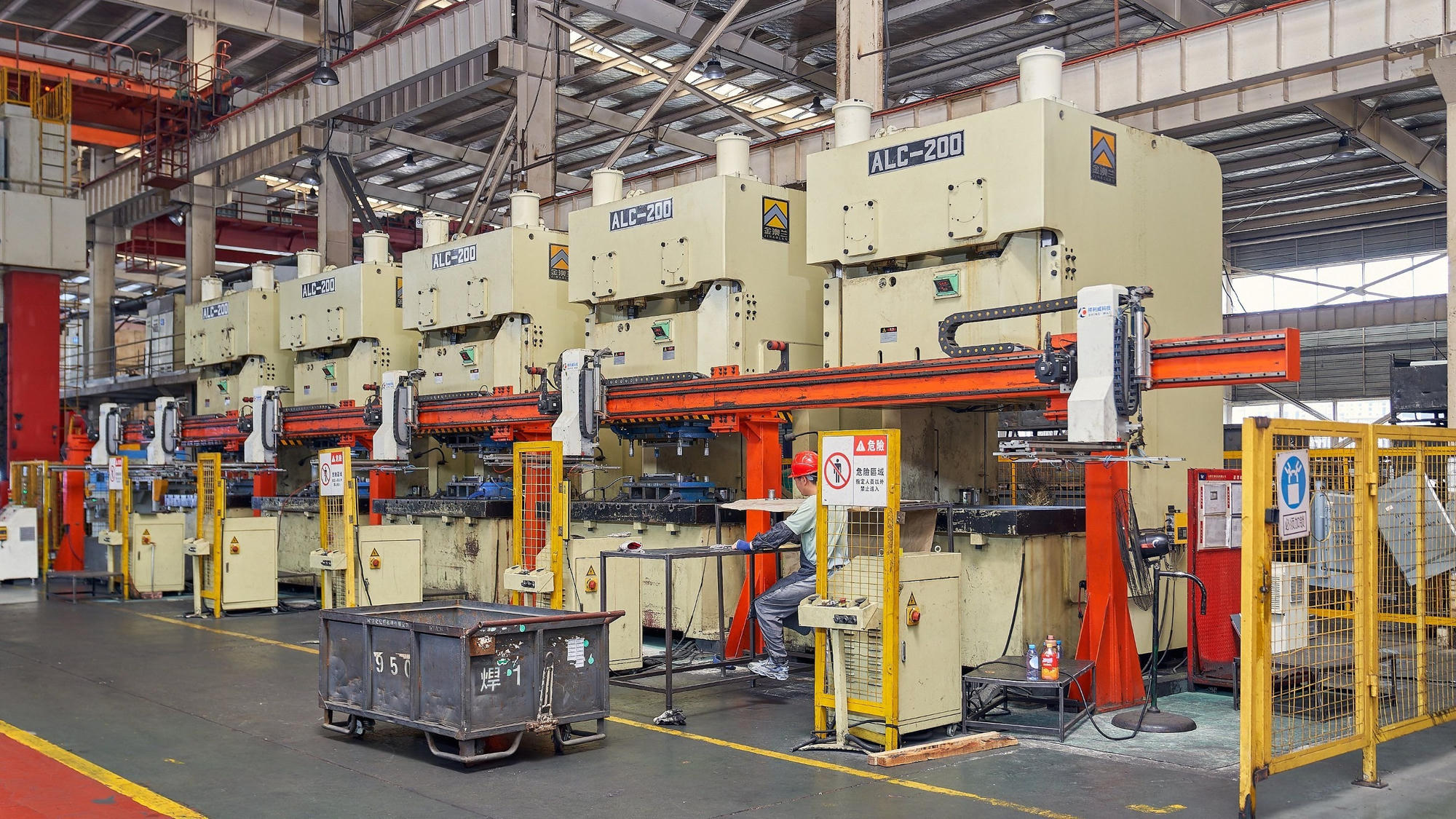
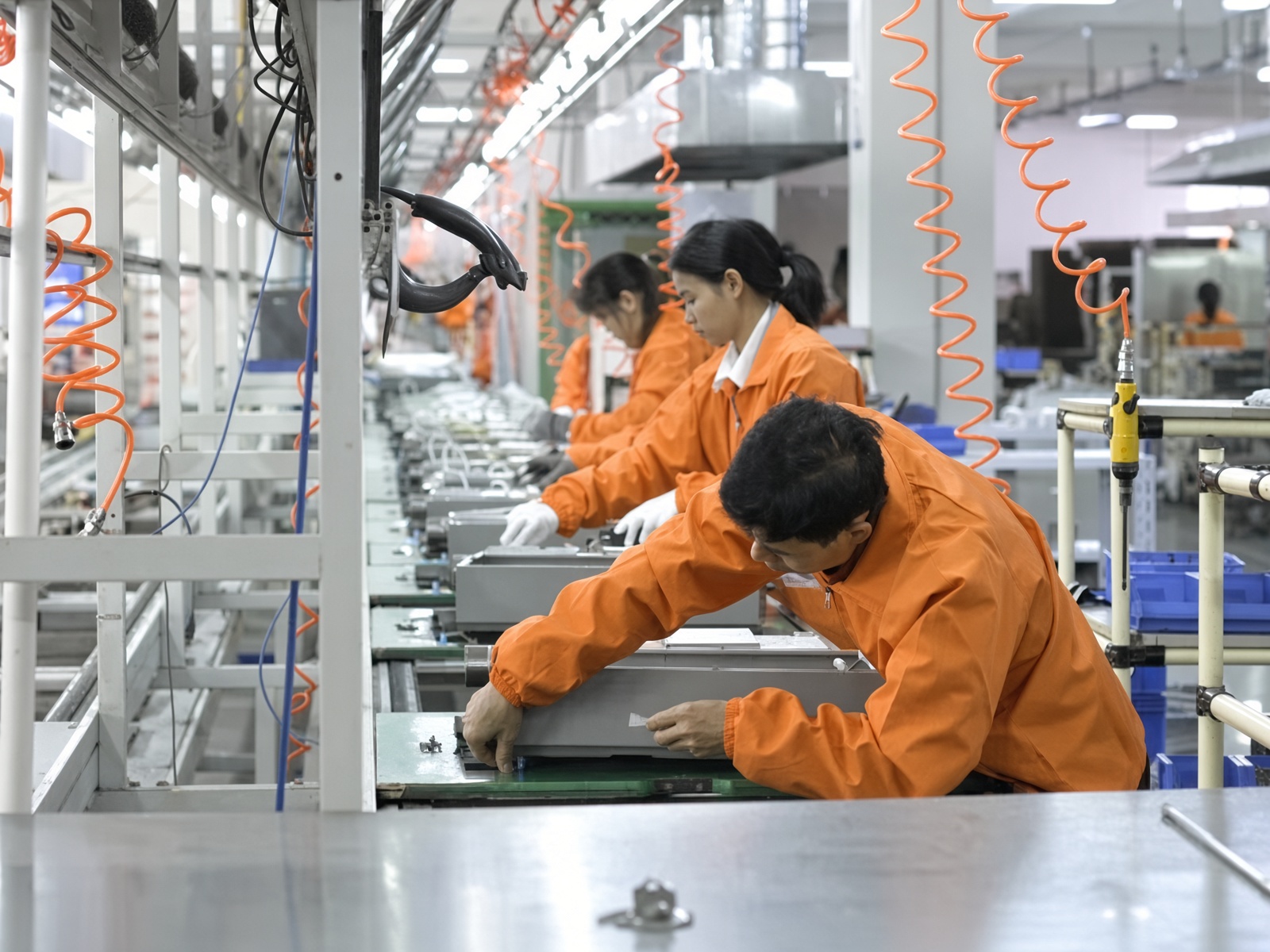
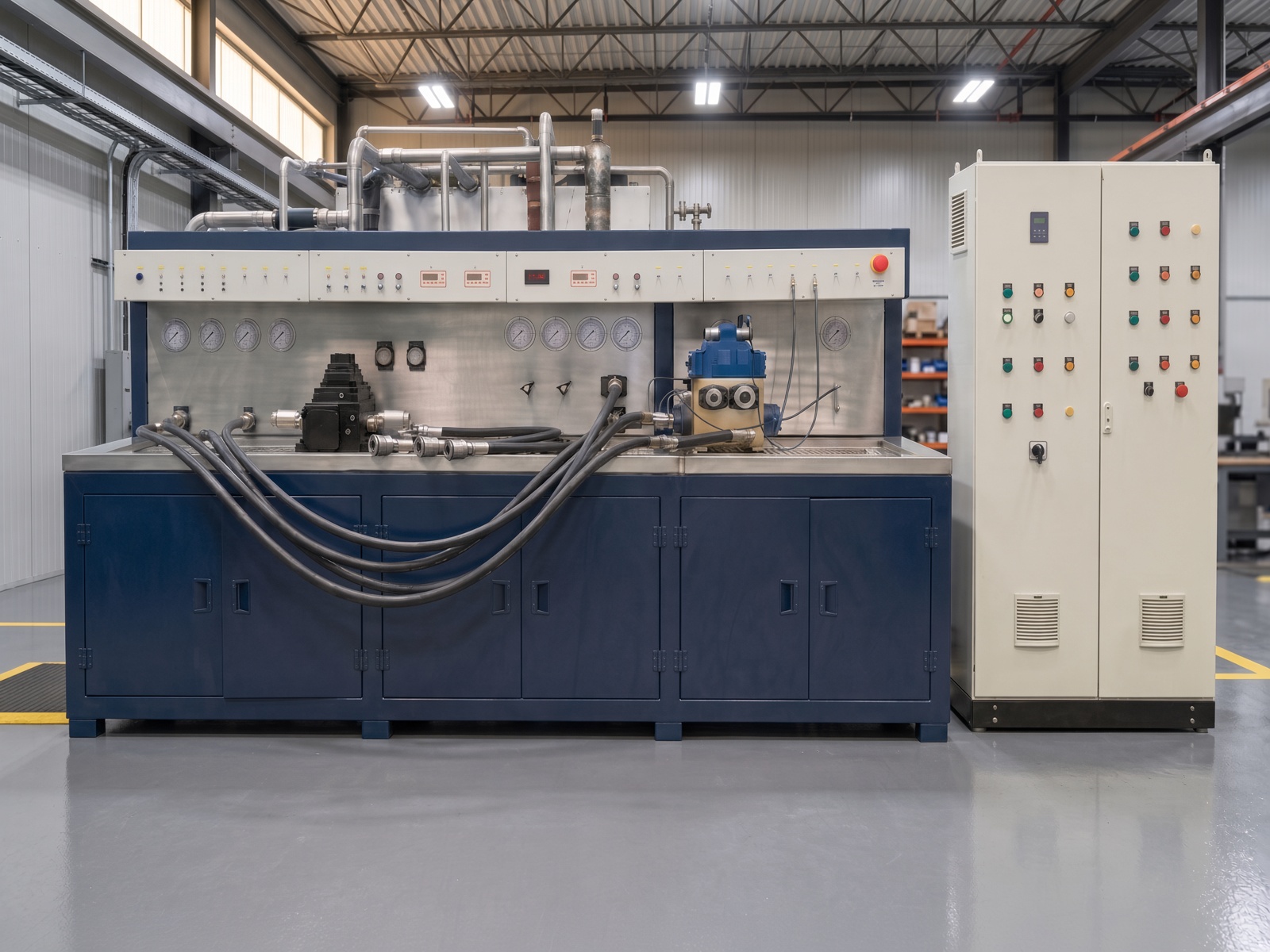
The floor area your program is scheduled against, rather than a quote assembled from other people’s capacity.
800 pcs per shift through in-line testing, so a batch is measured rather than assumed.
Mute room, Siemens flue-gas analyser, gas-boiler furnace performance rig, and a full spray / moisture test room.
Foundries, moulders and accessory suppliers held to the documentation and audit trail our own plant runs on.
Manufacturing · Shunde, Foshan
Gulfstone builds off-grid outdoor water heaters for importers, RV builders and outdoor brands. What the line builds to is a spec you have already held in your hands — quoted, tooled, tested and documented as one run, not four handoffs between vendors.
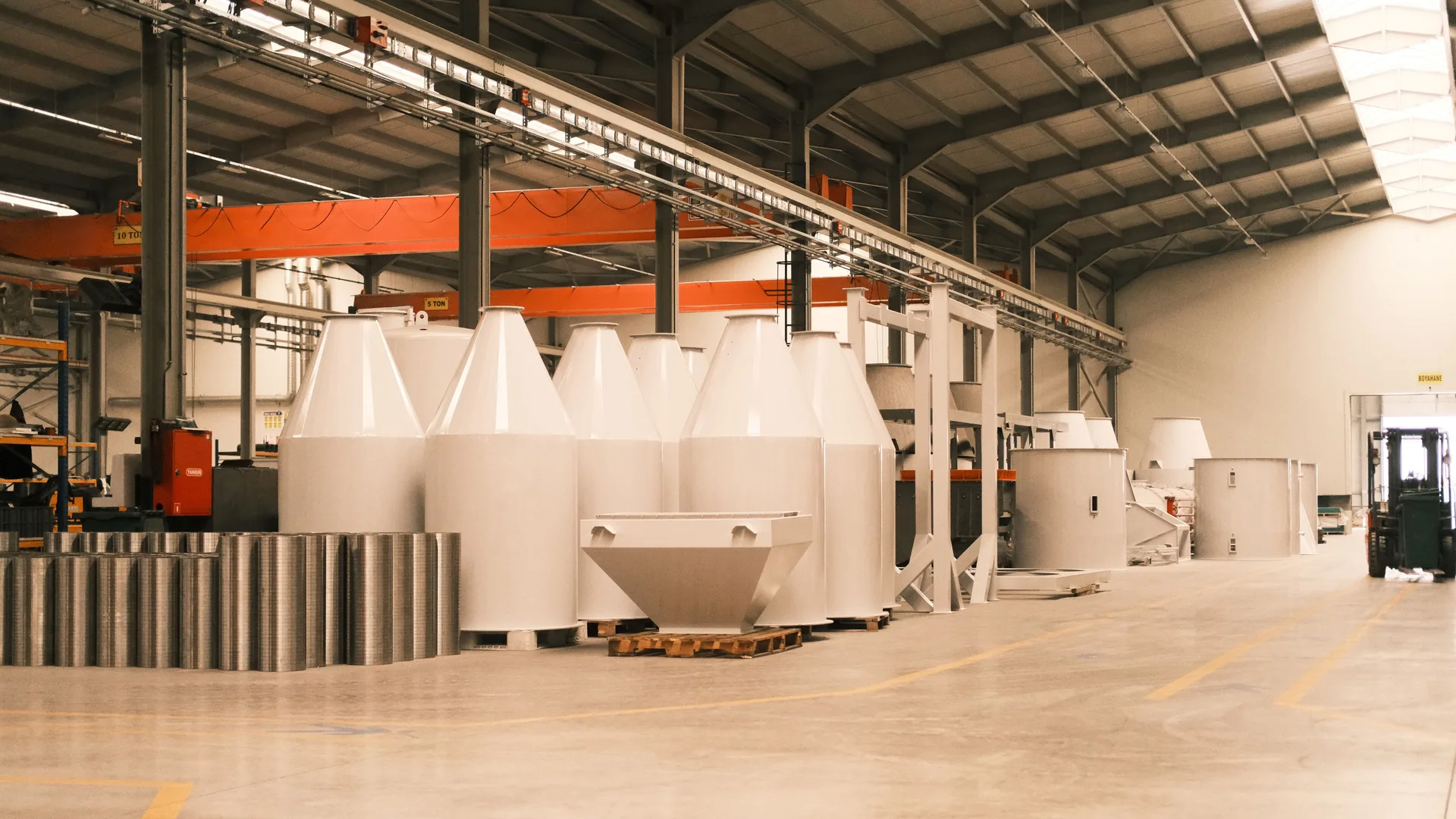
Change control
A specification is not a document you send once. It is a value that has to survive tooling, the first article, the run and the container. This is where each one is held, and what has to happen before it is allowed to move.
| What is fixed | Design | Tooling | Approval sampleFreeze | Production run |
|---|---|---|---|---|
| Gas setting | Gas family and pressure | Orifice and burner datum | Combustion bench report | Per-unit gas result |
| Cut-out and interface | Recess drawing and tolerance stack | Fixture and jig drawing | Fit-check record | Jig verification sheet |
| Outlet temperature | Setpoint and ramp spec | Controller configuration | Thermal test report | Incoming controller check |
| Finish and colour target | Reference plate and gloss level | Colour and powder release | Approved colour panel | Batch colour panel |
| Pack configuration | Carton and bracing spec | Carton artwork proof | Drop-test report | Label and packing record |
The program
Four operations from a brief to a certified lot. Each one hands you a document you can hold, and each one has a hold point where your approval is required before the work advances.
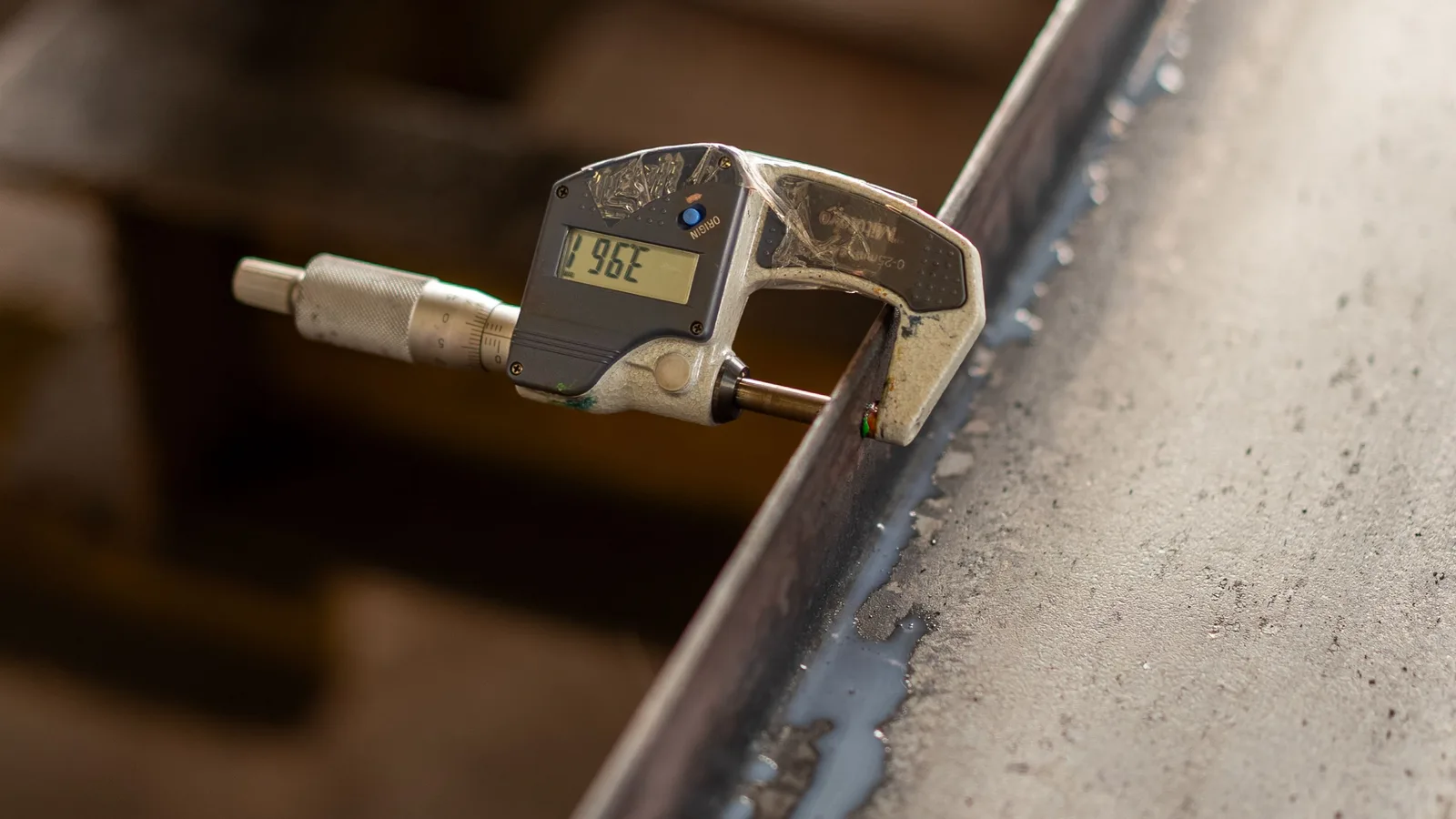
The line
Four desks sit on your program. Each one owns a decision and signs for it, so the answer you get is the answer the line will build to — not a sales reply relayed from a workshop.
| Role | What they own | What they sign |
|---|---|---|
| Development engineer | The fit of your drawing to the line — cut-out, gas path, tolerances and the feasibility ruling. | The feasibility note and the fit record. |
| DFM and tooling engineer | The tolerance stack, the bill of material, jigs and moulds, and the costed direction. | The tooling drawing set and the first-article report. |
| Line lead | The scheduled run — configuration, workmanship and the pace the packing schedule is built around. | The batch record and the pre-shipment release. |
| Quality lead | The four gates, the per-unit records and the reference samples that trace a container back to a shift. | The test reports and the certificate declaration. |
Owned and audited
Heaters are engineered, assembled and tested on Gulfstone lines; other components come from a partner network held to the same document discipline — so a program covers a whole outdoor system, not just the heater.
In-house · Shunde
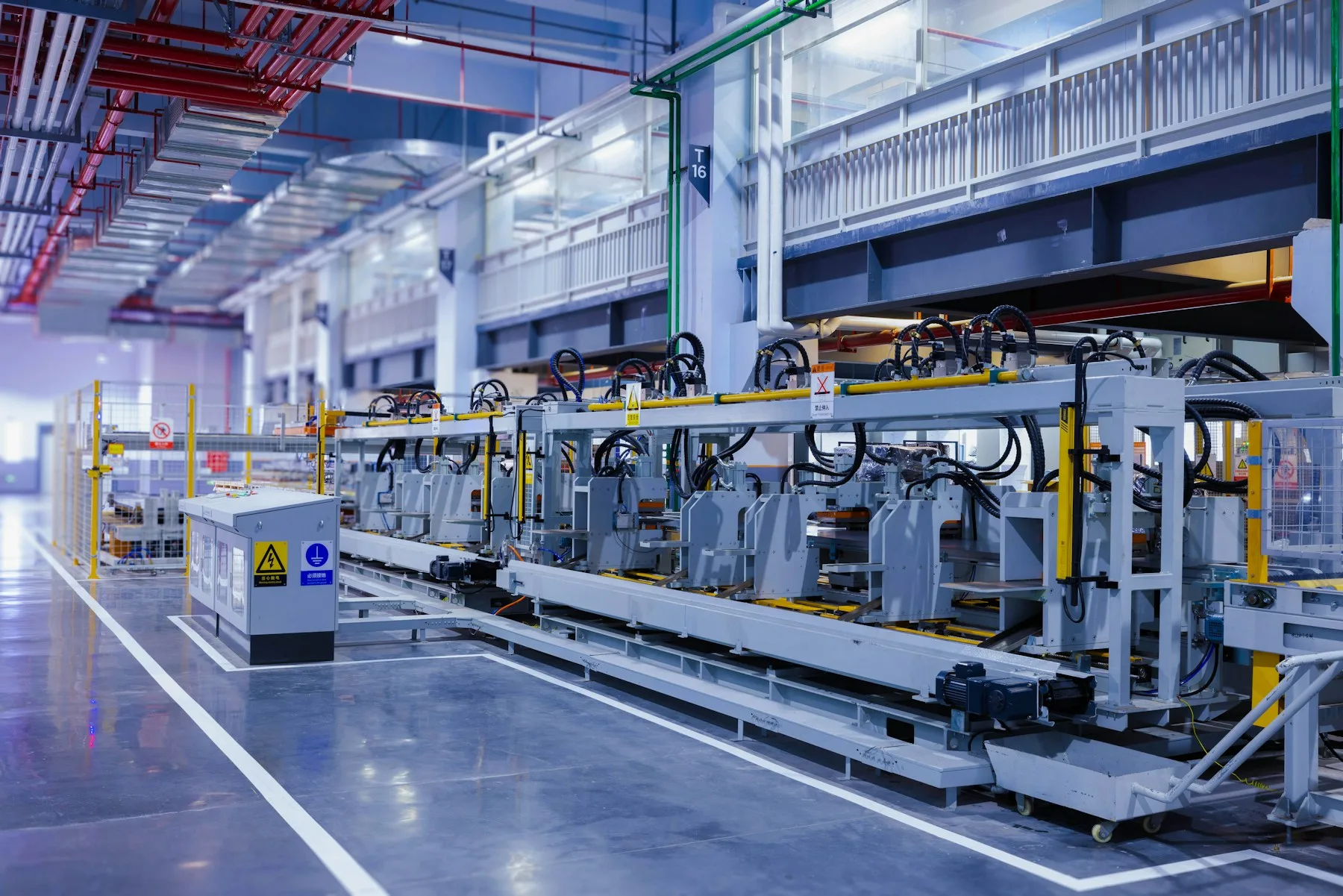
Audited network · 60+ partner factories
Evidence
Certification attaches to the tested configuration, not to the model name — which is why the certificate sample and the production sample are the same build. Everything the compliance file needs is produced during the run, not reconstructed afterwards.
Certified by market
A certificate belongs to the configuration that was tested and approved, not to a model family. The document that clears a market therefore describes your build, and it is issued before the run is released.
Quality gates
Each gate is a hold point, not a tally. A lot does not advance until the check is signed and the record filed, so what shipped can always be shown to have passed — not asserted after the fact.
Batch records
Per-lot records are retained, so a unit in the field can be traced back to the batch, the shift and the tests it passed. Your own inspector — or a third party — can attend any gate.
Packing and loading
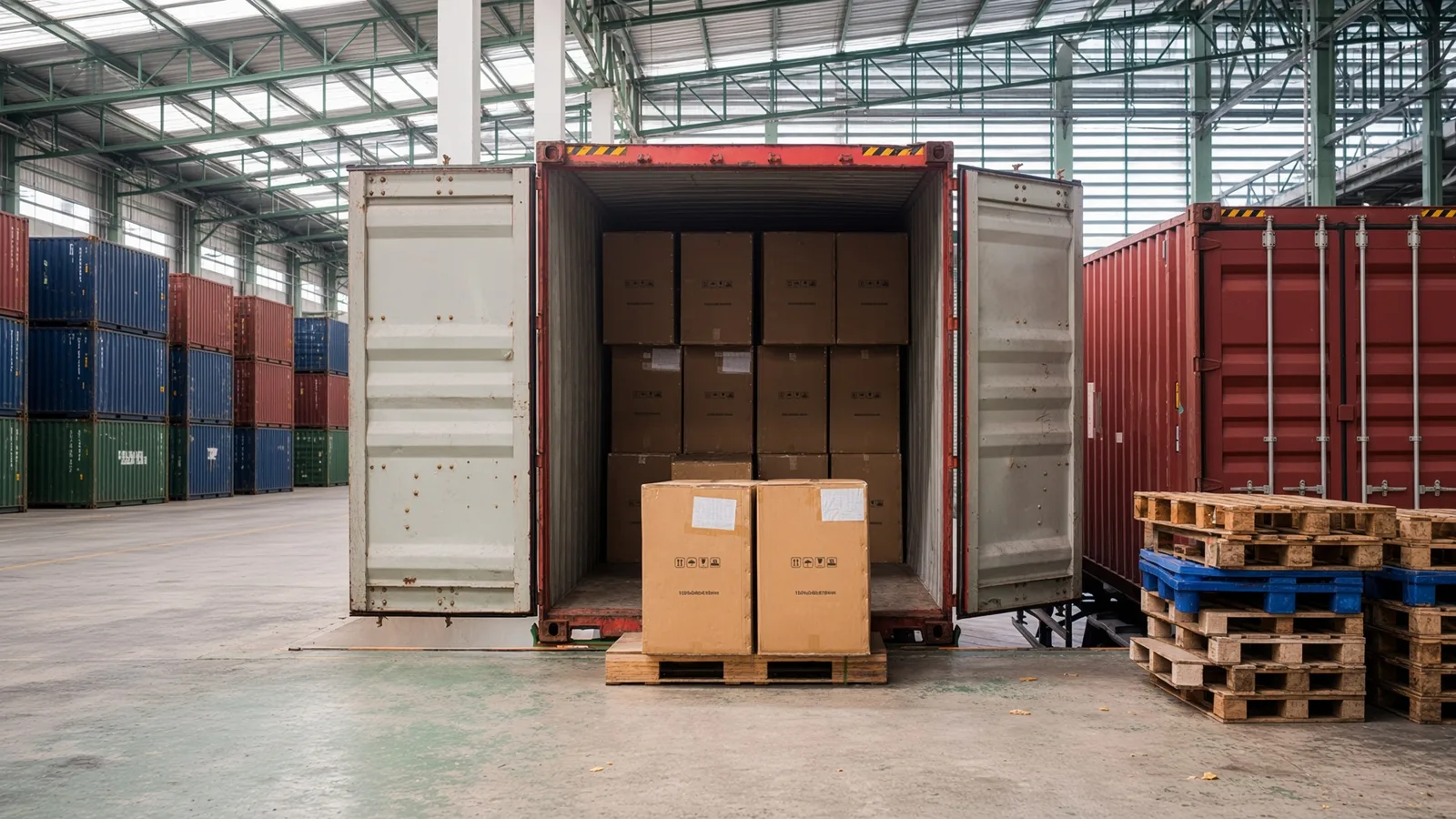
The carton and the load plan are agreed before the run opens, so what fits is settled on paper rather than at the dock. Products are mixed into one container where the order allows, and the load plan you sign is the one the warehouse builds to.
Brand and tooling
There are two ways to put your brand on a Gulfstone heater, and they differ in what you own. Neither one puts your drawing in front of another buyer.
Path A
You hold the tooling and the drawing. The enclosure, interface and layout are yours alone, and no other program can be built from them.
Path B
The heater runs on a proven platform; your identity carries the case, the controller, the literature and the carton. The fastest route to a launch.
Getting started
You do not have to commit to a container to start. Each rung is a stop point you can take a decision on, and the program only widens when the unit in your hand is the one you want.
A physical unit built to your spec, in your hand.
Stop here and take the sample to your own market test.
A small release off the same line, on the same released drawing.
Stop here and trial it with your buyers.
The scheduled run, released against the same frozen reference.
Scale as the orders come in.
A rung that does not pass does not roll forward. The sample is revised or the brief is reopened, and the pilot does not start until the reference is signed.
The platforms that carry the most programs are the ones buyers came back to. Repeat orders run at 98%.
Quality control · Shunde, Foshan
Gulfstone builds off-grid outdoor water heaters for importers, RV builders and outdoor brands. Quality is not a final inspection we promise — it is a set of gates inside the build, each with a standard, a sampling level and a hold point that stops the lot until the check is signed.
The gates
A gate sits inside the build, not at the end of it — a lot does not advance until the check is signed and the record filed. Sampling is per-check, not one level for the line: the two gas checks run on every unit.
Copper, gas valves, burners and igniters, and the housing resin checked against the locked specification.
No material enters the line on a supplier’s word — a lot that fails the check is rejected at the door, before it can be built into a unit.
Hold pointMounting points, cut-outs and threads — the tolerances that decide whether the unit drops into your bracket.
A sub-assembly does not move to combustion until its dimensional check passes against the released drawing.
Hold pointFully-premixed burn-in, dual-valve ignition and flame-out, run on every unit — not sampled from the batch.
A unit with a gas fault does not leave this gate, and a fault cannot be averaged away by sampling — the check runs on the whole batch.
Hold pointExport carton and internal bracing, proven with a 1 m drop on the packaged unit.
A pack with a failed drop test is re-engineered before the container is packed — the load plan is not built around a carton that will not survive.
Hold pointThe test lab
A certificate is issued against a test, and the test needs equipment. These benches sit in the Shunde plant, so a combustion or material claim is checked here rather than sent out and waited on.
Gas-boiler furnace performance and flue-gas analysis. The combustion that proves a burner runs clean and a flame proves out is measured here, not assumed.
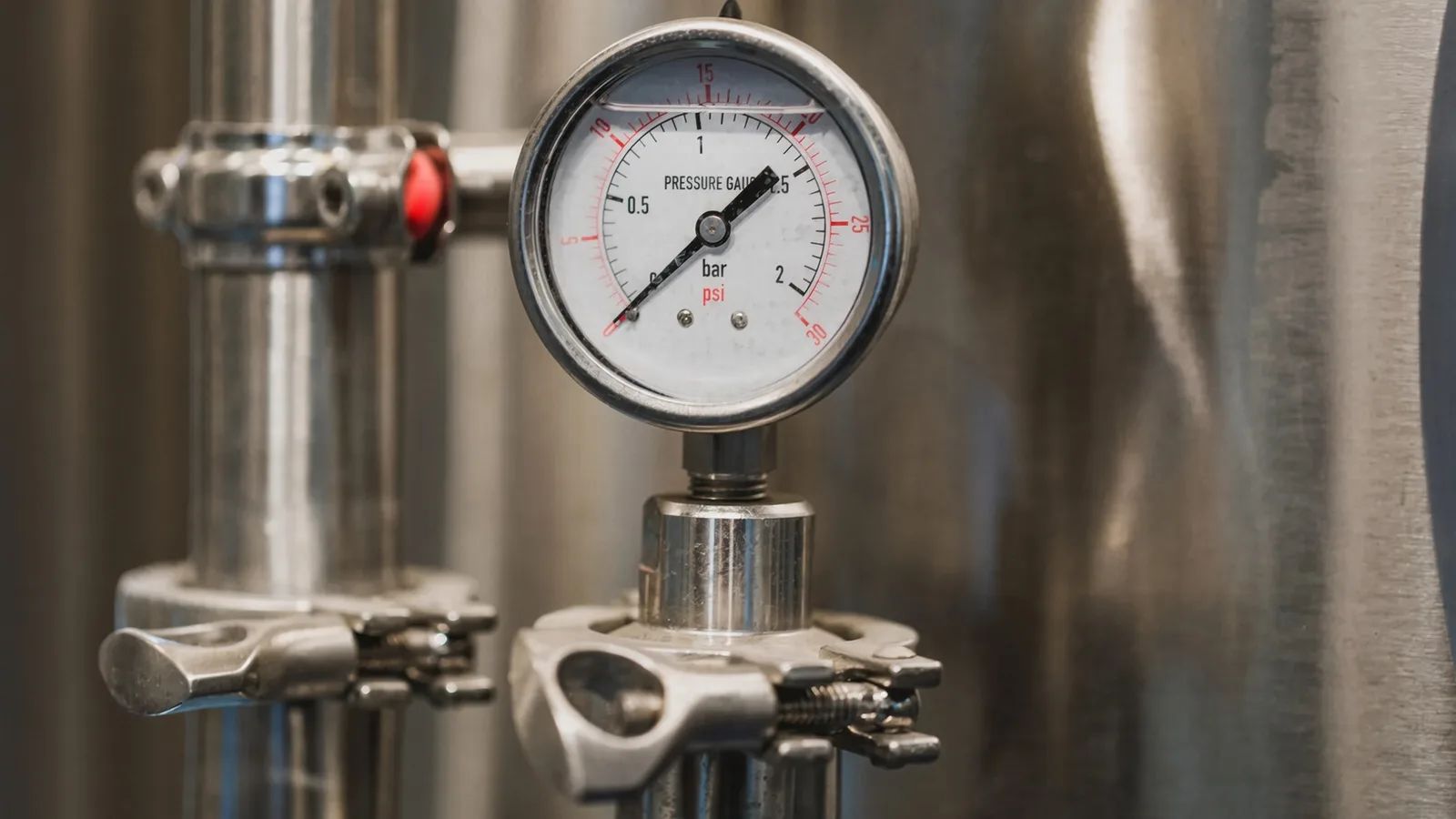
The gas path is pressure-tested and leak-checked on the bench before a unit is assembled around it — the rig behind the 100% gas-safety gate.
Spray and moisture benches for the enclosure and the electrical side, held to the market a unit is built for.
A sound-controlled room for ignition and running noise, so a performance claim about how a heater sounds is measured rather than described.
Fully-automatic detection platforms run beside the assembly, testing each unit as it is built rather than pulling a sample once the line has finished.
Tell us which model you are sourcing and we will say which of these benches it is run through — from the combustion analysis down to the test that proves the gas path.
Ask Which Benches Your Model Runs OnIn-line, not at the dock
A check on finished goods only sorts what the line already built — by then the cost is sunk and the cause buried. So the checks sit where the risk is created, and a lot holds until that station's check is signed.
The check runs where the operation runs, against the released drawing or the locked specification — not on a sample pulled at the end of the line.
The check a fault can hide behind happens before the unit is sealed, so a gas path or a joint is proved while it can still be seen and corrected.
A gate that has not been signed holds the lot. Nothing advances past an unsigned gate, so a defect is corrected at its source rather than reworked at the end.
Each result is written against the batch and the shift that produced it, so a unit in the field can be traced back to the run, the operator and the tests it passed.
What ships with the container
Every item below is produced during the run and filed against the order it belongs to, so the compliance file is assembled from what happened on the line rather than reconstructed after the container has gone.
The combustion and gas-safety result for each unit in the batch — the record behind the 100% claim, attached to the units it covers.
The lot traced to the shift that built it, naming who ran the checks and who signed each gate off.
The incoming-material and dimensional results, with the measuring equipment each check was run on.
The certificate and test evidence issued against the configuration approved and shipped, not the model family in general.
Where a buyer sends SGS, TÜV or their own agent, that inspection report is filed with the order alongside ours.
A claim about a shipped unit is answered from this pack — the document a buyer holds, not a general assurance.
Inspection and audit
Quality control is only useful if you can check it. A buyer is welcome to attend the gates, invite an agency, or ask for the paperwork and go through it against the line that produced it.
Come to the plant and watch a lot pass through any of the four gates, or book the visit as part of a factory tour.
Third-party inspection by SGS, TÜV or your own agent is welcome at any gate — we schedule the line so the check can run alongside production.
The batch record, the per-unit gas log and the inspection report are released against a lot, so a claim can be read against the evidence rather than taken on trust.
A third-party audit of the plant is already on file, and an engineer answers a technical quality question inside 48 hours.
OEM / ODM · Shunde, Foshan
Gulfstone builds off-grid outdoor water heaters for importers, RV builders and outdoor brands, under their name and to their market. Arrive with a finished drawing and we build it; arrive with a market requirement and we design it with you.
One product, four states
Your requirement, market and volume.
The first buildable shape, engineered.
Your feedback folded back in.
The signed unit the line copies.
The two terms
The words get used interchangeably, which is why quotes come back wrong. Here is what each one means when Gulfstone runs it.
OEM
Original equipment manufacture
You own the product and the design. Gulfstone builds it — to your drawing, your specification and your brand, on our line, under your name.
What that meansThe product is already decided; the job is to make it well, at cost, in volume.
ODM
Original design manufacture
You own the market, not the drawing. Gulfstone adapts a proven platform to your brief — the shape, the features and the brand are developed with you.
What that meansThe product is not yet decided; the job is to develop it, then make it.
Arrive with a finished drawing and you are buying an OEM program. Arrive with a market requirement and a target price and you are buying ODM — the design work is part of what you get back.
The two routes
Both routes end at the same place — your brand on a certified, container-ready unit. What differs is who owns the design and how much development sits in front of the first order.
Whichever route you take, the design work sits with Gulfstone’s own development lab — the same team that will hand the released drawing to the line.
See What the Development Lab DoesWhat we develop from
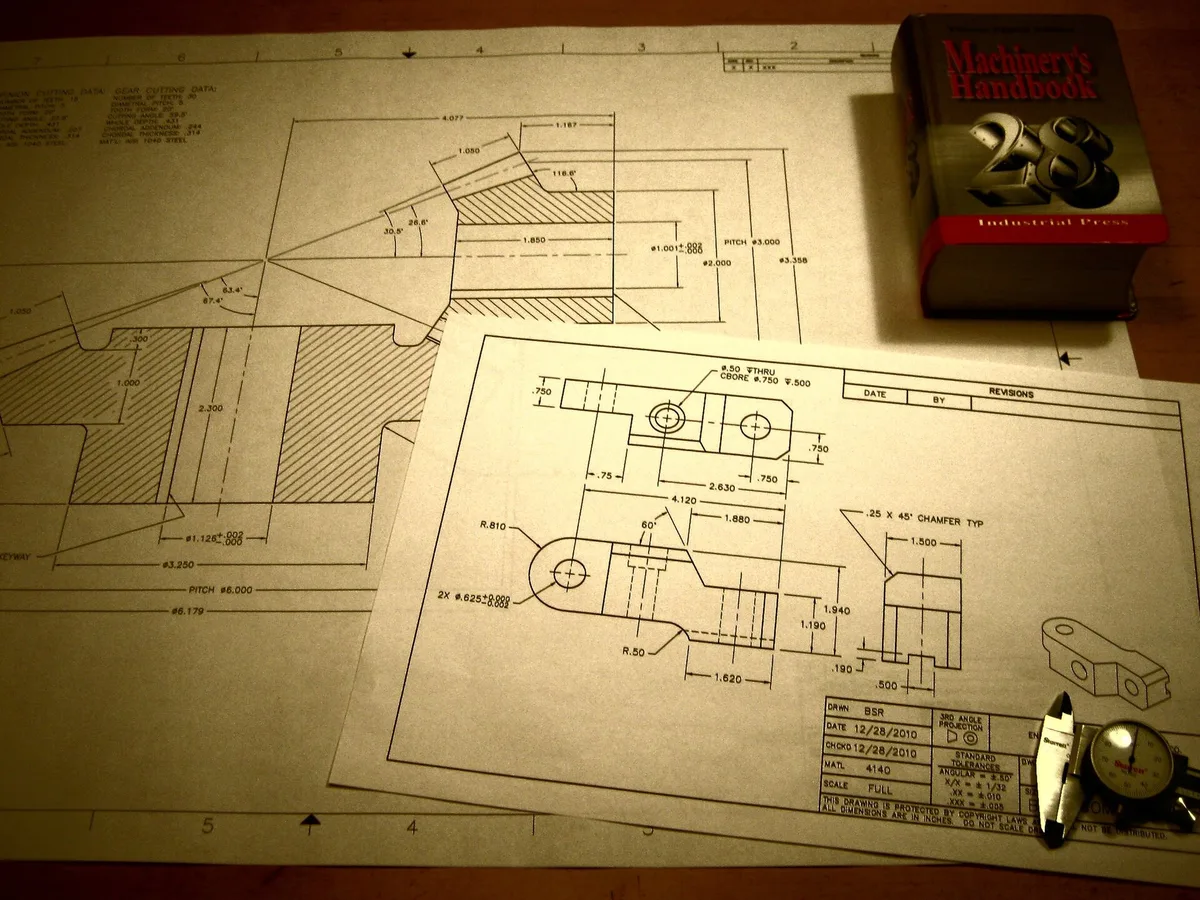
A brief does not have to be complete. Send what you have and where the gaps are — filling those gaps is the first thing the development work does.
Send what you have
What comes back first
What is buildable as you have described it, what has to move, and the open questions.
Where the product lands on tooling, unit cost and freight — before the design is frozen.
How many revision rounds the shape needs, and what each round is for.
If the brief fits a platform already in production, we say so — that is a shorter route to a launch than a new tool.
The development cycle
Each round runs against the same unit, so the differences are the only thing under review. It ends when the shape is right — round two or round four.
The brief becomes a buildable form — proportions, feature set, the interface and the mounting.
Reviewed with you before anything is cut.A physical unit, built and tested, so the argument moves from the drawing to something in your hands.
Your revision list drives the next round.The changes go back in and the unit is rebuilt. Most programs settle inside one or two of these.
Sign-off, or one more round.How many rounds a product takes is decided by what changes between them, not by a schedule.
The sample gate
A sample is not a formality before the quote. It is the point where the product stops being a description and becomes the thing the line will copy, so it is worth knowing what you are signing and what has to happen first.
The sample passes when all three hold
Housing, cut-out and the interface line up with the vehicle, the recess or the panel it was specified for. A unit that does not drop in is not a cosmetic issue.
Gas setting, controls and finish are the ones on the brief, with no substitutions carried over from another program.
The parts that matter are documented to a measurement, not a photograph, so the next build is checked against a number rather than a memory.
What comes back with the sample
If it does not pass
IP and exclusivity
It is settled in writing before a file changes hands, and it follows the route you took rather than a default. Nothing designed for one buyer is offered to another.
A mutual NDA sits between us before any technical detail moves — the file does not travel on a promise.
Your drawing stays yours. Gulfstone builds to it and holds no claim on the product, the identity or the tooling built for it.
The design you commissioned and the tooling cut for it are yours — built for your program, not held back as a platform we can resell.
A tool or a design developed for your program is not quoted, shown or built for another buyer, for as long as the agreement says.
Program scope
A program can be one unit or a system. Everything a finished product is made of is sourced, held to the released specification and documented, so the carton that lands is the product you approved — not the unit and a box of loose parts.
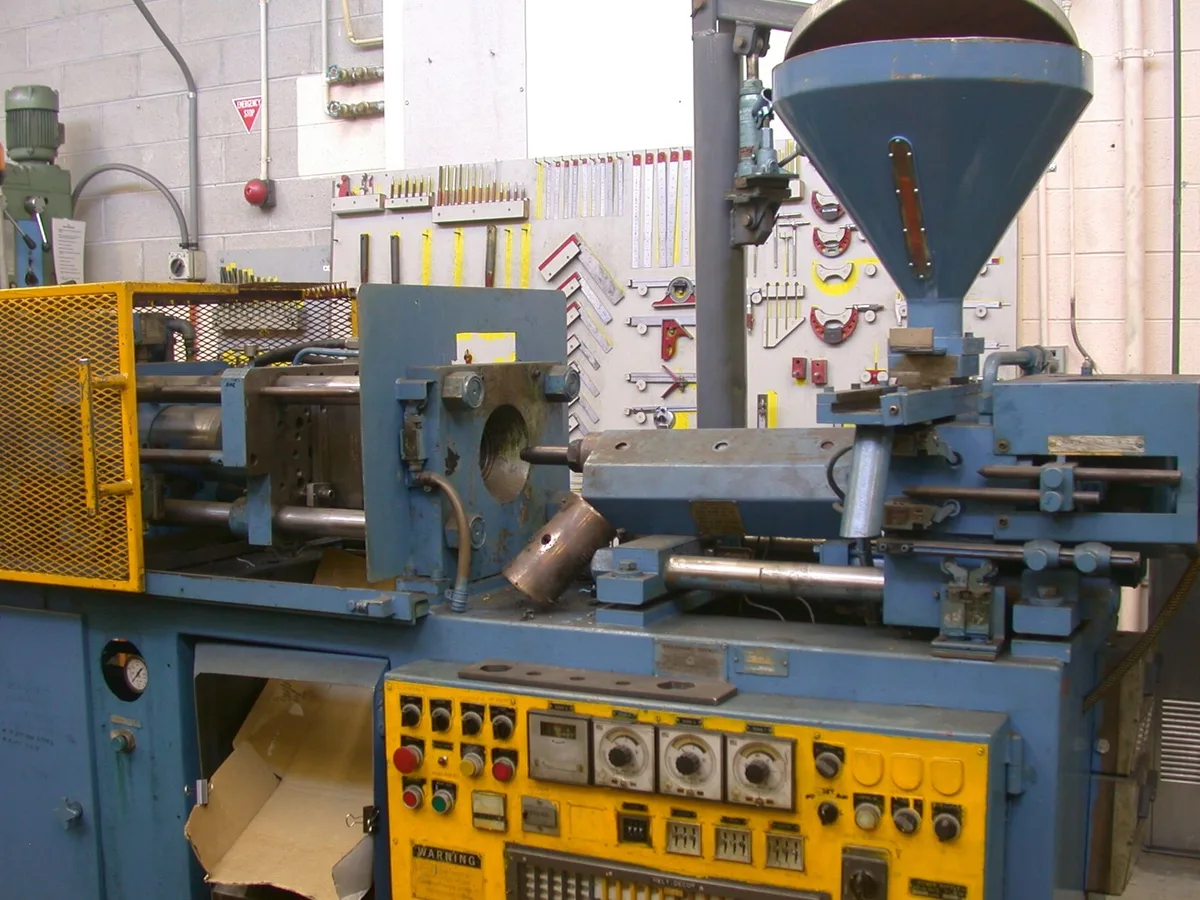
Sourcing a wider scope into one program is how a system ships as one load instead of five.
Commercial shape
The opening order on a water heater program is not a fixed number — it follows two decisions: whether new tooling is cut, and how much of the build is new. Read it as a lever, not a threshold.
No new tooling means the first order can start small. A new mould commits real money, so it raises the opening volume and is recovered across the program rather than on the first run.
A program that takes on the enclosure and the presentation carries more of the build than one that starts from a platform and changes the branding. Scope moves the order the same way tooling does.
A commitment does not have to land at once. Tooling programs are usually staged across agreed runs, so the volume arrives with your demand rather than ahead of it.
What the unit price is built from
None of these is a published number. Say what your market and volume are and the direction comes back against your program rather than a shelf.
The decision
Who owns the design. If you do, it is OEM. If we develop it together, it is ODM. Everything else — the order size, the tooling, the lead time — follows from that answer.
Certification · Shunde, Foshan
Gulfstone builds off-grid outdoor water heaters for importers, RV builders and outdoor brands. A certification is only worth what the buyer can read — so every certificate, letter and laboratory report behind these marks is published in full.
Ask which file applies to your order
The file
Nothing here is one certificate stretched across three regions. Each market has its own scheme, its own standard and its own document, issued by its own body — each previewed below.
LP Gas — portable and mobile appliances. Issued by the Australian Gas Association.
Class 2781 06 camping equipment (gas) and Class 2781 86, certified to US standards.
Battery-operated shower system. The directive covers electrical safety; state the scope when you quote it.
One laboratory served two of these files: the Australian test report was produced by CCIC-CSA International Certification Co., Ltd. in Guangzhou, under the same master contract the North American report carries.
The documents
Every document behind the table above, shown as it was issued. Reference numbers, the holder entity and the covered models are redacted in these previews.
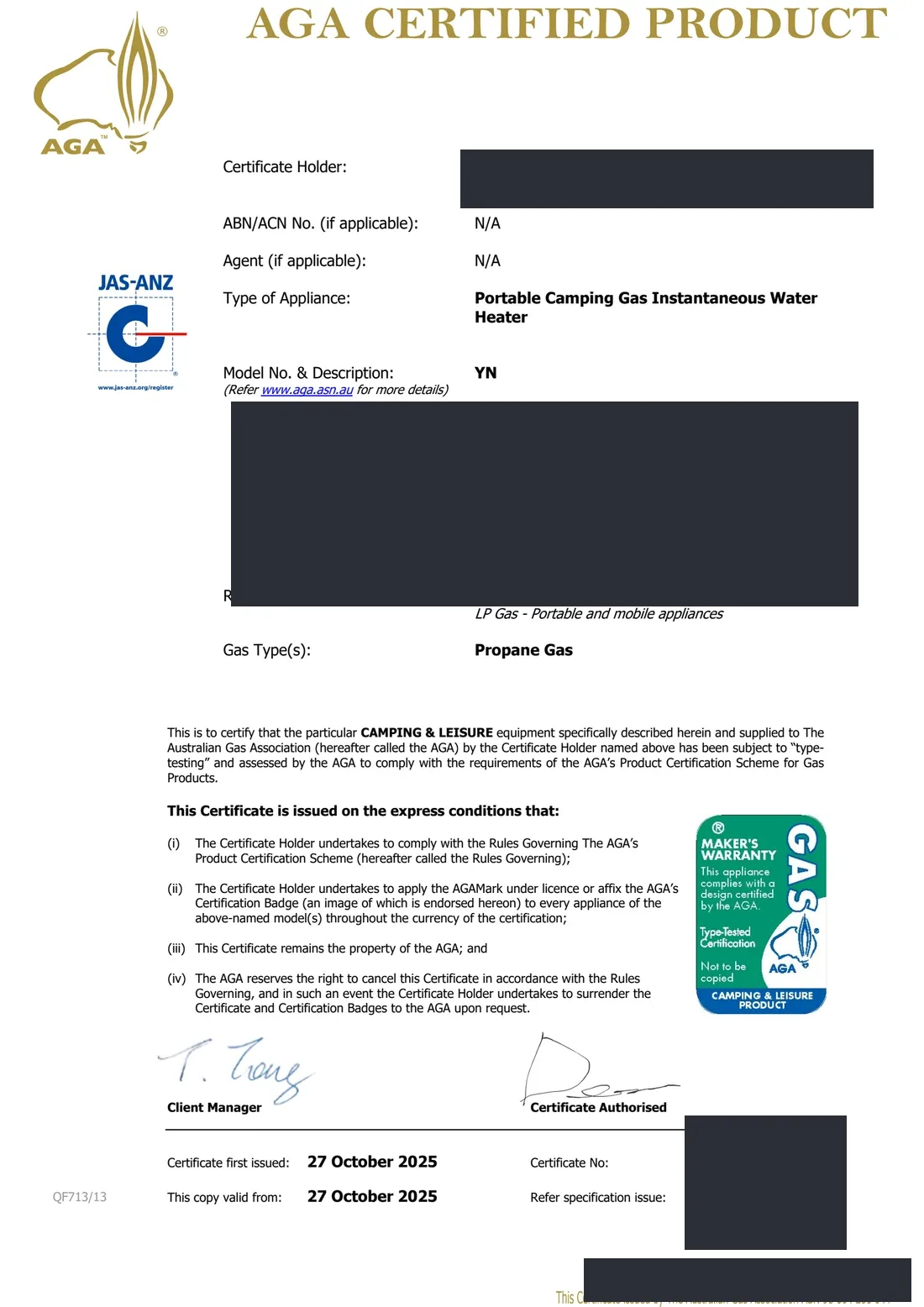
The certificate itself: the holder, all 18 covered models, the standard and the gas type.
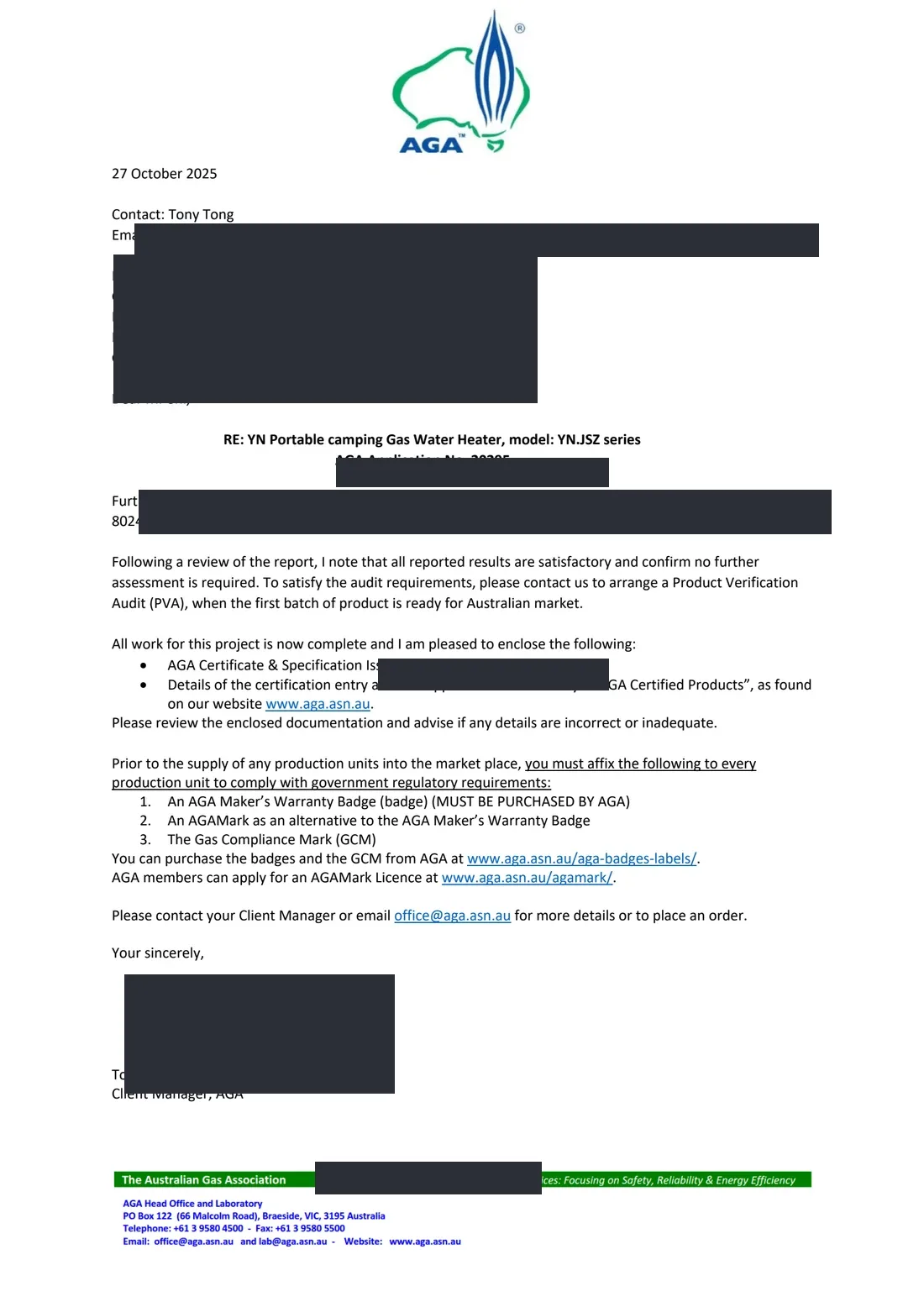
AGA's own account of the outcome — and the next step: a Product Verification Audit when the first batch is ready.
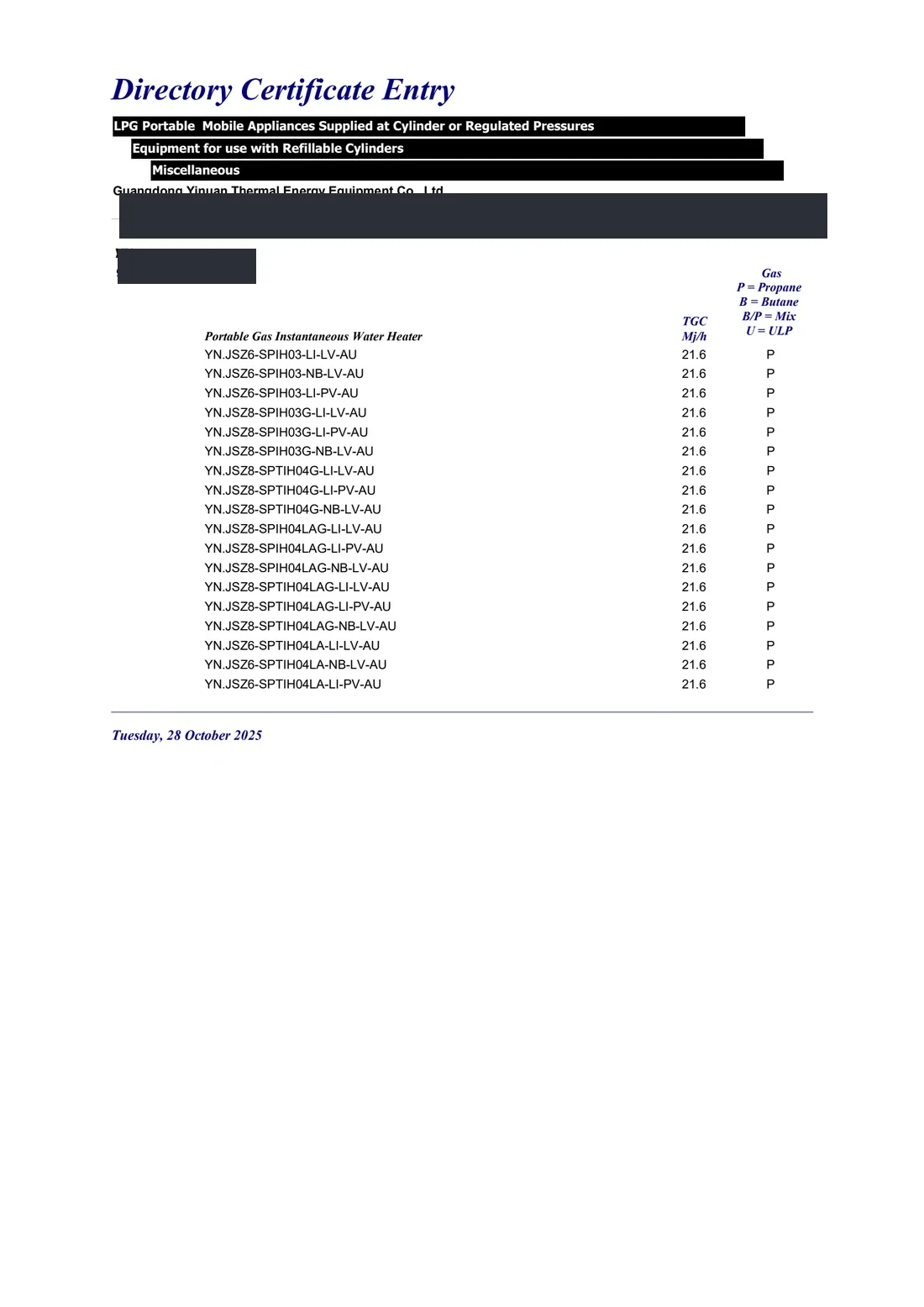
The public Directory entry — the record a buyer or a customs officer can look up independently.
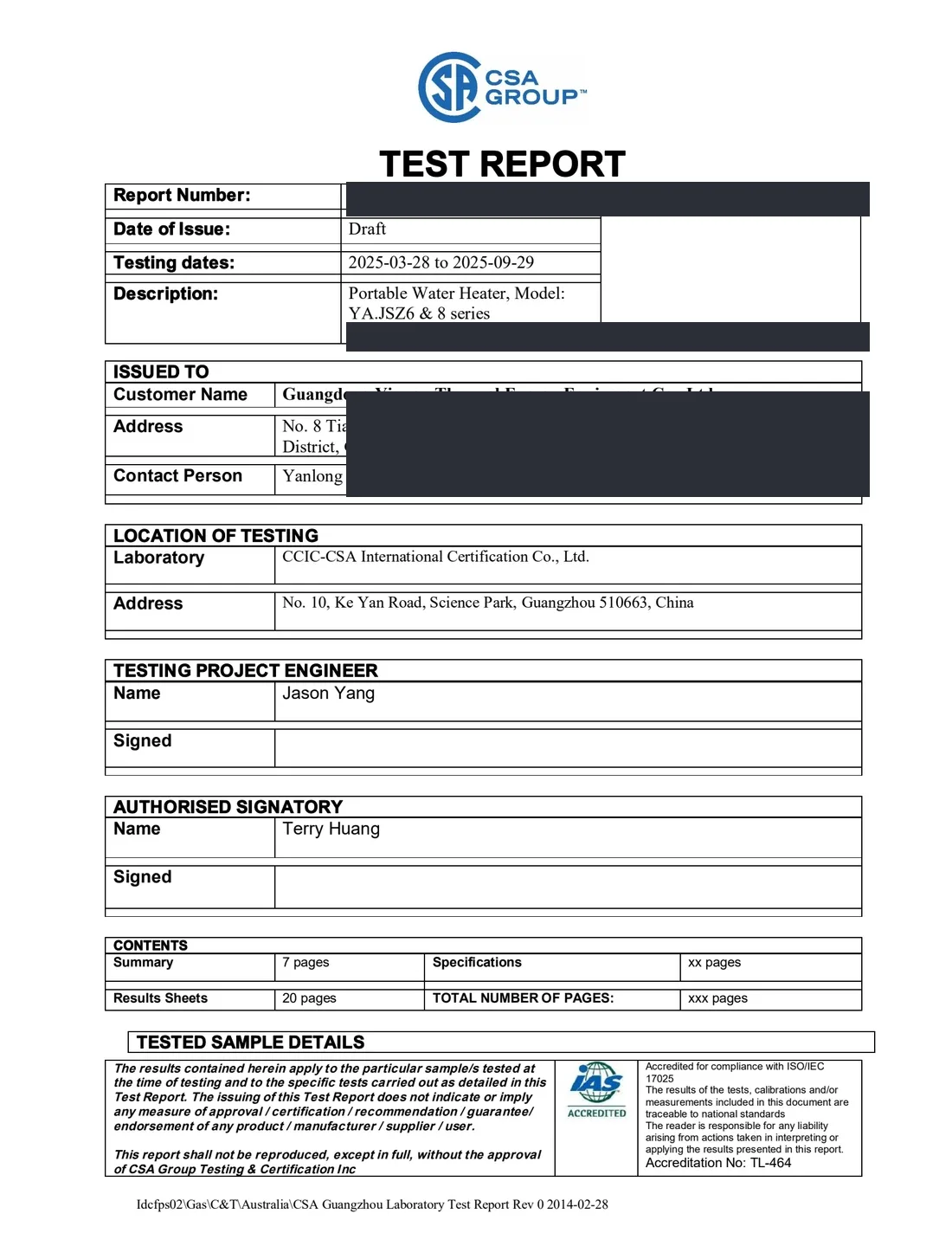
The evidence under the certificate, from an ISO/IEC 17025-accredited laboratory. Marked Draft on its face — the working report, not a re-issued final.
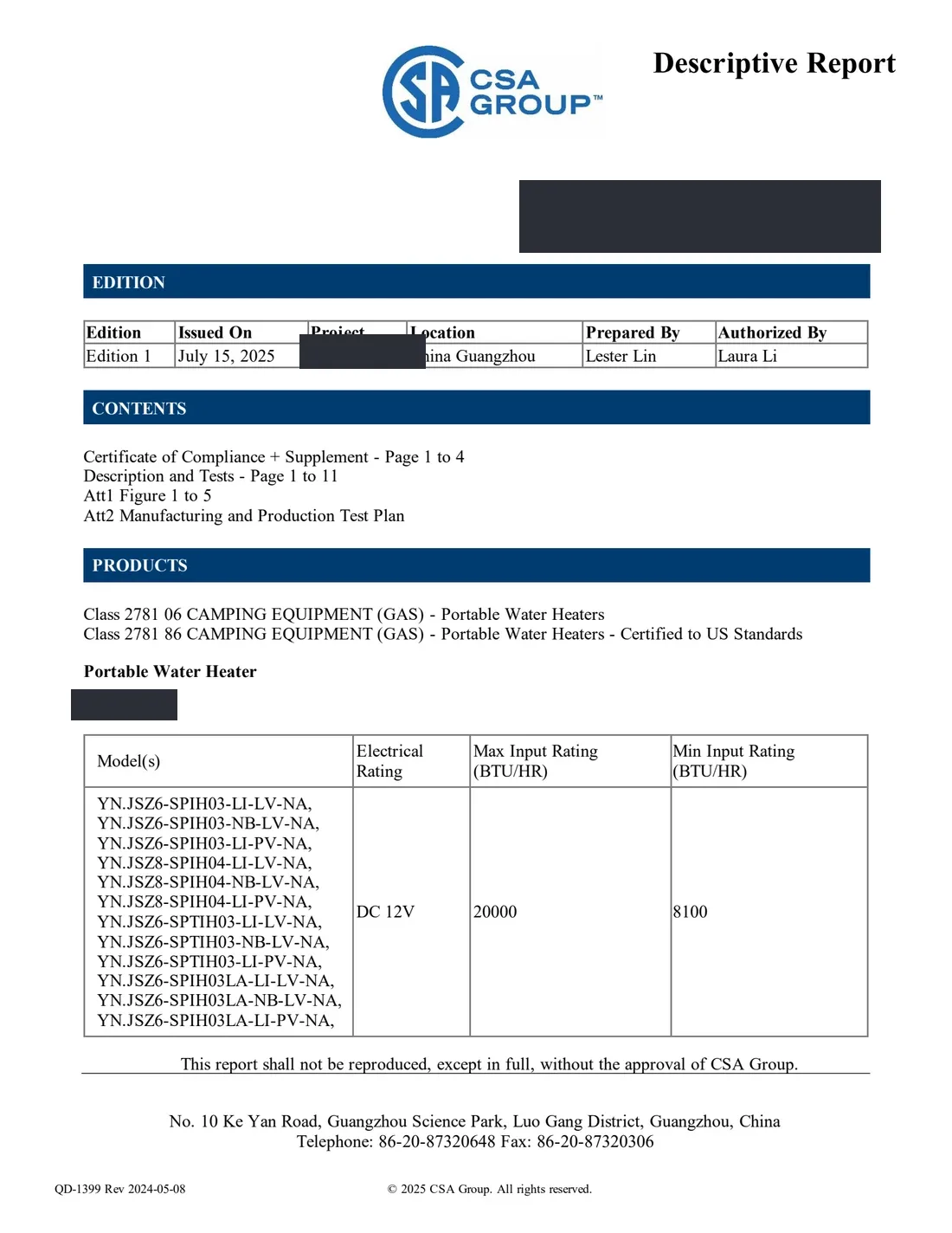
The full report: class designations, the 15 covered models, the model-number breakdown and the alterations record.
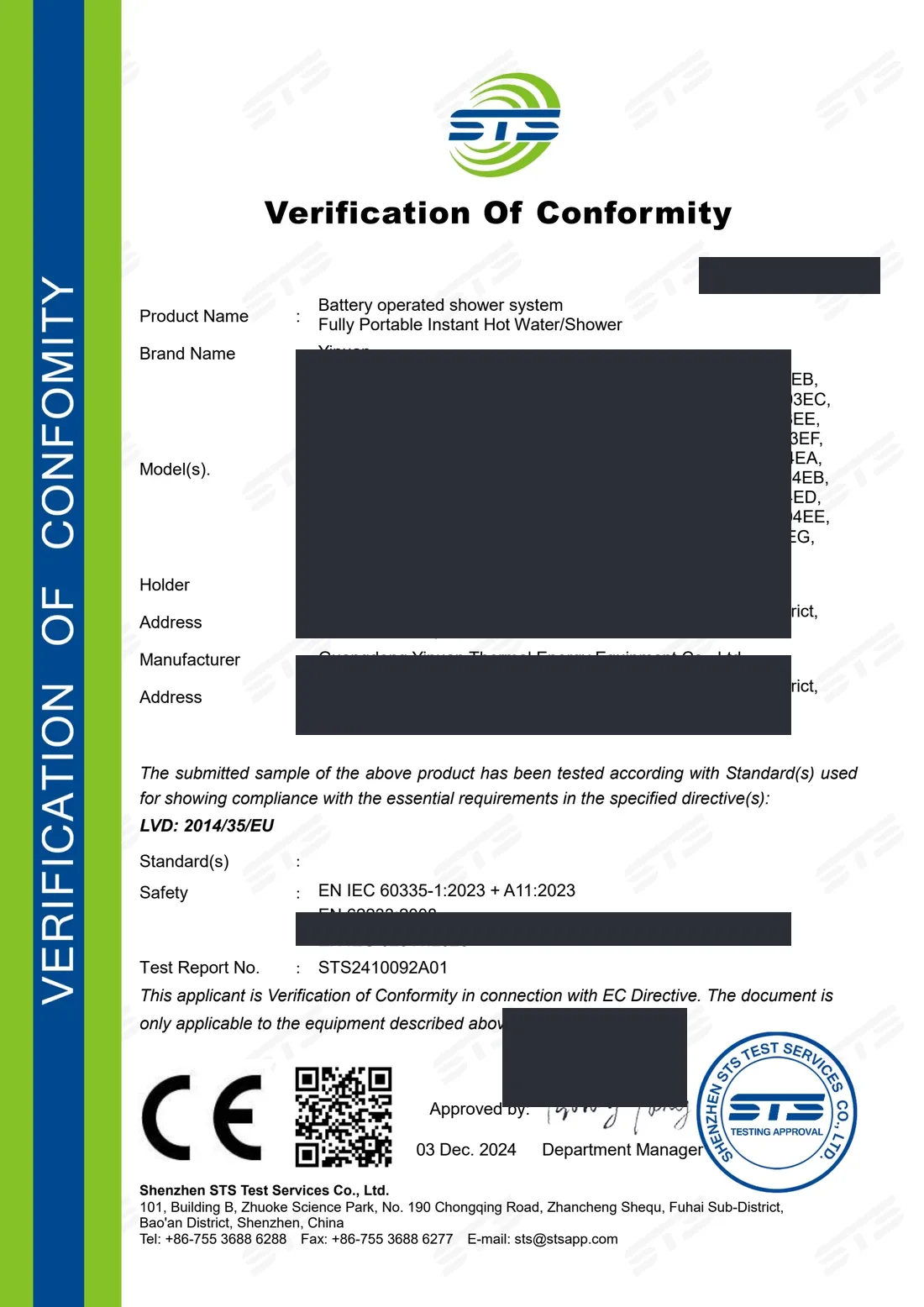
The declaration of conformity for Europe, naming the directive, the safety standards and all 28 covered models.
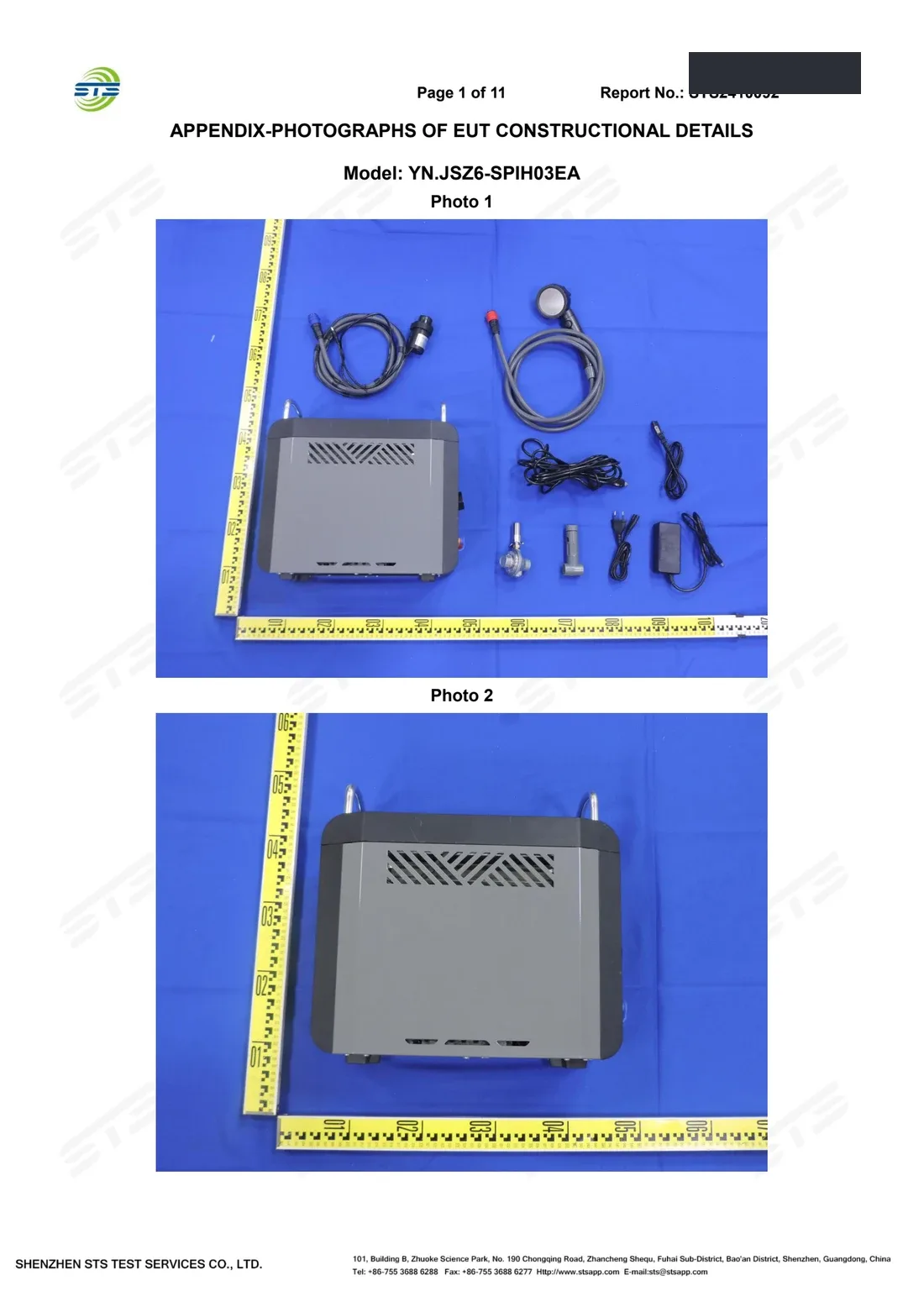
The unit exactly as the laboratory received it, page by page — the record that ties the certificate to a physical article.
Nothing here is a redrawn summary — each preview is the document as issued, with only the identifying fields masked.
The path
The Australian file is followed here from application to marking, because every stage of it is on this page. The other two markets run the same shape through their own bodies.
The configuration is submitted and an application number is allocated. AGA set the test programme against the standard before any testing began — for this file, AGA application 20295.
An accredited laboratory tests the submitted sample against the standard. This file was tested by CCIC-CSA International Certification Co., Ltd. in Guangzhou, accredited to ISO/IEC 17025 under accreditation number TL-464.
Where a test requires a change, the sample is modified and re-run rather than argued past. This file records a modified exhaust outlet and a mesh wind barrier fitted at the bottom before the tests passed.
The scheme reviews the report and issues the certificate if the results stand. AGA recorded the results as satisfactory with no further assessment required, and issued certificate 9358.
The certificate is not the end of the obligation. AGA require a Product Verification Audit — arranged when the first production batch is ready. For this file that audit is outstanding.
Nothing ships before the unit carries its marks. AGA require a Maker's Warranty Badge or an AGAMark under licence, plus the Gas Compliance Mark, on every production unit.
CSA make the certificate conditional on a production test plan run at the factory and documented for their field services representatives. These are CSA's conditions on the mark, not our own line controls — how the line itself is gated is on the quality control page.
Verbatim from the production test plan appended to CSA report 80234452.
Coverage
Each document lists the model numbers it covers, by suffix that marks the market. What follows is the report's own breakdown of those numbers — the part that says what a suffix means.
Certification covers the configurations listed above and nothing else. A model outside them is not covered, and a change to a covered one re-opens the file — which is why the alterations record sits below. What applies to your order is confirmed in writing.
Our position on certification claimsThe tested configuration
Certification tests a specific build. When the build changes, the file records the change and the unit is re-tested before the certificate stands — including when a test fails first.
The submitted sample was recorded with a modified exhaust outlet and a mesh wind barrier at the bottom — the change the wind test required. The tests were then passed.
Resolved before issueThe delayed ignition test failed because the flame flashed out of the appliance. The ignition period was changed from 4 seconds to 1.5 seconds, and the report records the alteration.
Resolved in edition 1Every certification file accumulates notes like these. A file that shows only the passes has been summarised; this one records the change and the fix together, which is the only form in which it is useful to a buyer.
Where this sits
This page owns the certification documents. Two sibling pages own what happens around them.
After-sales · Shunde, Foshan
Gulfstone builds off-grid water heaters for importers, RV builders and outdoor brands. The order does not end when the container lands — this desk answers a fault, names the part, ships it, and logs what changed.
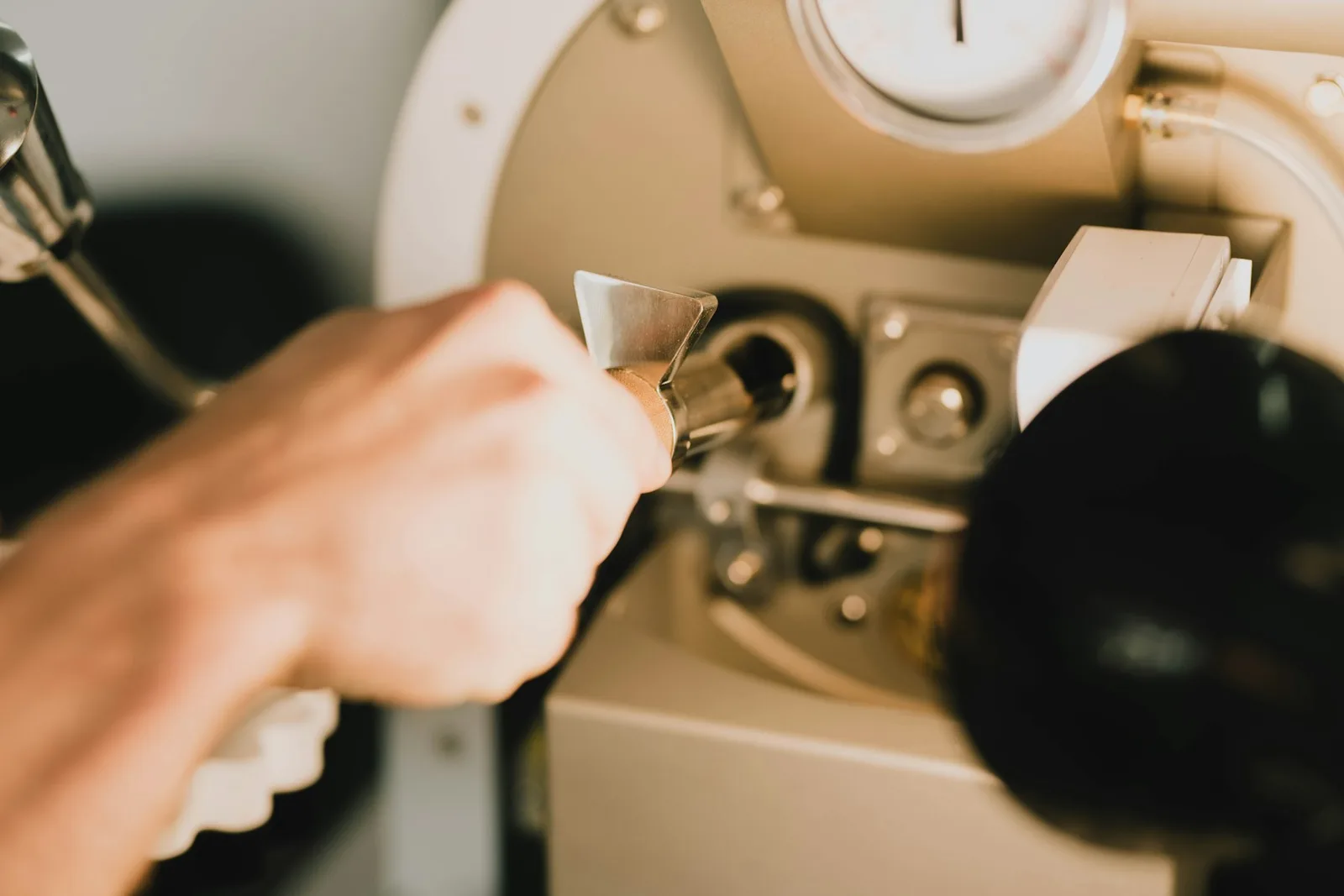
After delivery
A fault in the field is shared work. Naming which side owns which half of it before the first case is raised is what keeps a claim from turning into an argument.
| The area | Gulfstone carries | The brand owner carries |
|---|---|---|
| The unit | The assembly as it was produced and packed, held to the record that shipped with it. | Fitting it, the gas and water connections, and the first start in the field. |
| The part | A component picked from the serviceable line and shipped to your market. | The service-bay time and the engineer who fits it where the unit actually is. |
| The diagnosis | A cause named in writing, with the evidence behind it — not a holding reply. | The end user’s point of contact, and the retail returns and replacement desk. |
| The paper | The production and test evidence behind the unit, if a case turns on how it was made. | Local labelling, documentation and the obligations that sit on the brand in that market. |
The split is written into the supply agreement before a program starts, rather than negotiated one claim at a time.
The case
Every fault opens the same file, whatever it is. Nothing runs through an email thread — the file is the thread, and you, we and your service partner all read it.
Case file · CS—0000
A retailer or end user reports a fault upward. You send the serial number, a photograph and the order number. No form and no account are needed to open a case — the evidence is the application.
The day it reaches you
A named person at the desk takes the case and replies with its number — an answer from someone who has read it, not an automated receipt.
Inside the response window
We separate a fault in the build from a fault in installation or handling, and both from a component that has simply reached the end of its life. The three are answered differently.
Once the evidence is in
A replacement part is picked and shipped, or the unit is replaced, or — where the case points at a production run — the fault is logged against that batch rather than against your order alone.
When the cause is named
The file closes with what was changed and why, so the correction reaches the next batch instead of being rediscovered on it.
When you confirm the fix
The file reads the same whichever way a case closes, so a claim and a refusal are both visible in writing.
Routing
Most cases close at the first desk. The rest move up a fixed route rather than being re-explained from scratch each time — the file travels with them.
A component that has failed on a unit in service.
Where every case opens and where most close: a part identified against the model, a price and a shipment.
A fault that repeats across units, or names a model.
The engineer who set the build reads it against the production record for that run.
A claim that a unit fails the figures it was published with.
The part or the unit is re-run on the equipment that qualified it in the first place.
A fault traced to a batch or a component lot.
The finding goes back to production and to the suppliers behind that batch.
A single unit and a hundred follow the same route. What changes is how many people read the file, not the path it takes.
Serviceable parts
The components a service bay replaces most are designed to come out of the unit. Each sits on a priced spares list attached to your program, so a repair can be priced without a factory email.
| Part family | Replaced when | Ships as |
|---|---|---|
| Igniter and controller | A unit will not start or will not hold a flame | Field-changeable module |
| Gas valve and regulator | Output drifts, or the valve will not seat | One changeable group |
| Heat exchanger | The part a service centre reorders most | Core assembly |
| Seals, gaskets and o-rings | Any service opening of the gas or water path | Consumable set, stocked |
| Door, panels and fittings | Transit or field damage to the outer unit | Individual panels |
The list goes out with the order, so your service partner can price a repair without a quote going back to the factory.
Within the market
A brand owner running several markets cannot route every repair through Foshan. This is what a local repairer receives so first-line service happens where the unit is.
Packing list
Assembled when the program is set up, not after the first fault has to be handled without it.
Gulfstone · Solutions
Five scenarios, one platform family. Each one is a job a buyer is already doing — a pitch, a vehicle build, a cabin, a production line, a wash point — and the build that answers it. Start where yours matches.
Solution scenarios
Each one is a job a buyer is already doing. Pick the one that matches your line — or tell us the job and we will scope the build around it.
A portable, bottle-fed shower unit for basecamp, overland and job-site washing. Built to your market, your brand and your carton — the platform the camping line is already shaped around.
Explore scenarioA shower built into the vehicle rather than strapped to it: braced for constant vibration, shipped as one standard kit, and locked to a single specification across several markets.
Explore scenarioWall-mounted, bottle-fed hot water for cabins, outbuildings and agricultural utility rooms. No mains power, no plumbing run — a unit built for a building that was never wired for hot water.
Explore scenarioTankless RV water heaters built to your cut-out, the electrical scheme the vehicle carries and your destination market, under your brand. A drawing question answered at the factory rather than a catalogue selection.
Explore scenarioBottle-fed hot water for outdoor rinse and wash-down points — pool surrounds, livestock and dairy stations, yard and equipment washing. Built for a point that has no supply and no supervision.
Explore scenarioHow it works
Every scenario runs the same way, from the first message to the container. One team carries it, so nothing is lost in a handoff.
The vehicle, the site or the pitch. Where it is used, who uses it and what the market is. That is enough to start — no drawings required to have the first conversation.
The lab maps your scenario to the right platform and returns a plan: what moves, what stays standard, and what the certification scope is for your market. No black boxes.
Once you approve, the line is set. In-line checks run through the run, and third-party inspection is welcome at any gate. One contact from tooling to the container.
Who this is for
Not a catalogue shopper. Every scenario on this page is written for a professional who has to justify the order, the fitment and the certification.
Engineering & purchasing
You build the vehicle and the unit has to match the bay you already have. Cut-out, 12V scheme and market certification are the conversation, not colour options.
Sourcing & category
You carry the range into a market and answer for what lands. The gas setting, the certification scope and the spares line decide whether the season goes well.
Buying & private label
You need a branded line that sells through and a supplier who will not put a SKU you own onto a competitor shelf.
Operations
Your units are used hard by people who did not buy them. Housing, spares and a priced repair list matter more than the spec sheet.
How to judge a supplier
Every buyer who has to take a water-heater programme to an internal review is asked the same six questions. Each row below names the question, the evidence that answers it, and where to find that evidence here.
Duty cycle
Is this unit carried to a site, installed in a vehicle, or fixed to a building?
The mounting architecture and the shock or vibration specification, matched to where the unit actually lives.
Fuel and site
Is there mains power, a plumbed feed, or neither where the unit is used?
The ignition source and the water feed, stated as an install condition rather than an accessory.
Market files
Which markets must this one product be legal to sell into?
A separate document per market, each naming its own standard and its own covered model list.
Gate record
What stops a bad unit before it reaches the container?
The checks, their sampling levels and the records filed against a serial number.
Service side
When a unit fails in the field, who owns the fault and what can be replaced?
A written responsibility split and a priced parts line, agreed before the first order.
Programme path
Can we start with a sample, or does the first order have to be a container?
A documented ramp with a decision point at each rung, so a small first order stays possible.
Solution · Camping shower
The shower is the reason a camping buyer upgrades, and the reason a retail line gets returned. We build the unit that carries both — sized to the pitch, branded to your line, and packed to survive the season.
The fit
No spec sheet here — the numbers live on the product pages. This is the part that decides whether the platform suits the job at all.
In the field
The same platform against three different jobs. What changes between them is where the water comes from and who is drawing it — not the unit.
Pitch wash-down
A shower and a sink off one bottle, run in turn before the light goes.
Overland
Set up where you park, drawing from the vehicle's own supply.
Crew
One unit covering a crew wash station, drawing off the site bottle.
Pool heating is a different duty to a wash point — a pool has to be held at temperature against the whole body of water, which these units are not built for. What they do is supply hot water to a rinse or wash-down point. Tell us the duty and we will tell you honestly whether the platform fits it.
Solution · Camping shower
The shower is the reason a camping buyer upgrades, and the reason a retail line gets returned. We build the unit that carries both — sized to the pitch, branded to your line, and packed to survive the season.

The fit
The numbers belong to the product pages. This is the part that decides whether the platform suits the job at all.
The challenge
A camping shower line is opened by three different buyers, and each carries a different risk into a first order. The program is opened against all three.
Camping and Outdoor Retail
Category buyer, seasonal camping line
A launch window missed is a season that cannot be recovered.
The shelf slot goes to the line that landed on time.
The build is set to the destination market and the launch window before the order is placed.
What changedThe unit on the shelf is the unit that was signed off.
Hire and Rental Fleets
Fleet manager, regional hire
A hire unit earns nothing while it is off the road.
Every unit in the workshop is a booking lost and a customer held at the counter.
The build is specified for a unit that is worked, not shelved, so it stays on hire rather than in the workshop.
What changedA hire unit that stays on hire.
Outdoor Trade and Distribution
Purchasing, outdoor trade distribution
A distributor commits to a line before the market has answered it.
A season that does not move is a warehouse bill and a lost slot.
The first build is scoped against demand you can already see, not against a forecast.
What changedThe reorder is written on what sold, not on what was promised.
What a program decides
A camping shower is a kit, not a box with an appliance in it. These are the decisions a program settles early — and the ones a first order tends to get wrong.
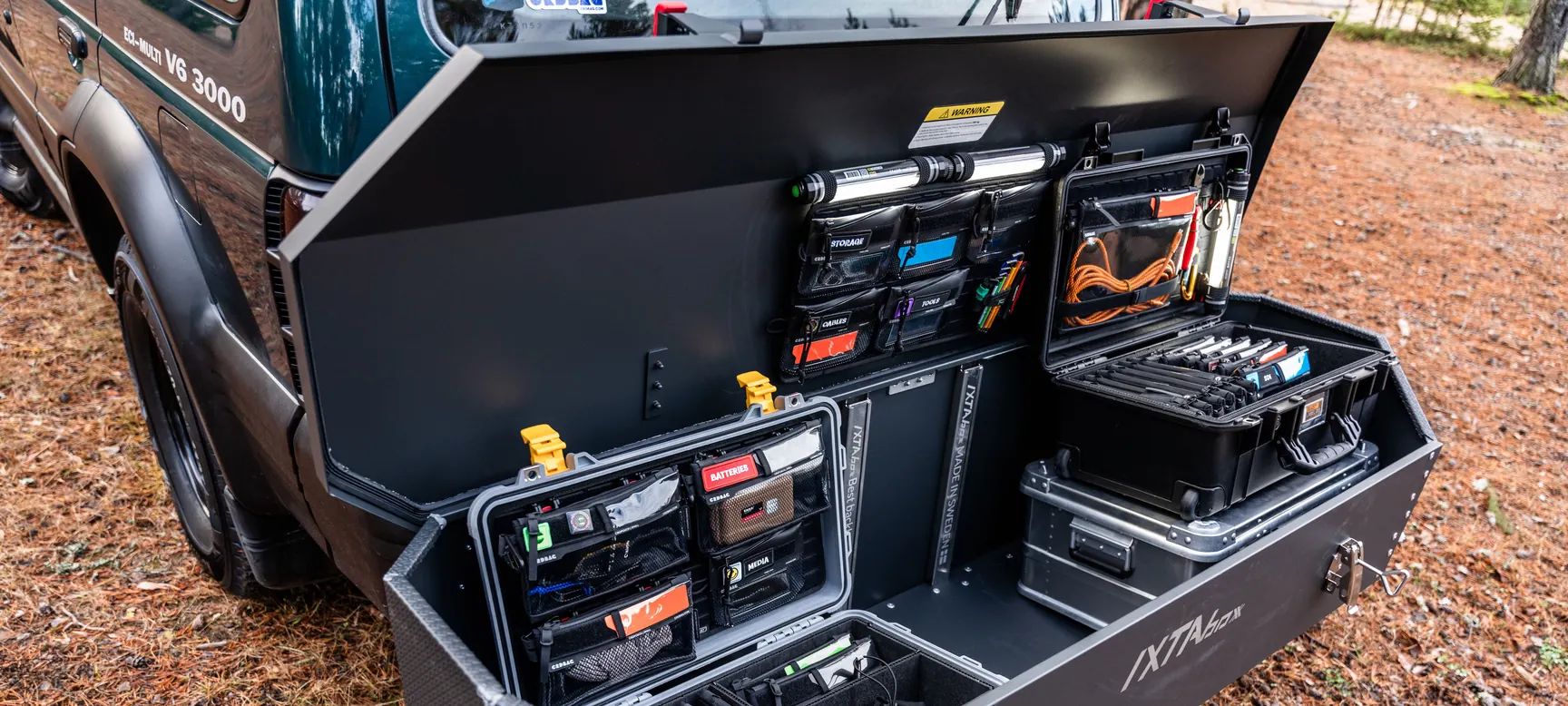
The platform
One build in the range becomes the program SKU, and what stays standard across it. Everything else in the kit is decided against that choice.
Gas side
The connection and the gas setting follow the destination market. Set at the factory, not adapted after the container lands.
Water side
How water reaches the unit and what it discharges through — a bottle, a container, or a hose where a supply exists.
Carry and mounting
A portable housing is carried, not installed. Handle, bracket points and the case it ships in are part of the decision.
Spares line
The parts a repair actually needs, held on a priced list behind the program so a service centre can quote without a factory email.
The fit
The numbers belong to the product pages. This is the part that decides whether the platform suits the job at all.
There Is No Mains Power Where It Is Used
Ignition runs off the unit's own pack — nothing to wire, no hook-up, no generator.
It Travels in the Same Bay as the Rest of the Kit
A portable platform with a handle and bracket points, built to be carried rather than plumbed in.
Several People Wash in Turn, Off One Bottle
On-demand heating, so the water is hot when the tap opens rather than sitting in a tank.
The Unit Lands at a Pitch, Not at a Bench
A weather-rated, portable housing built for outdoor use and transport, not a sheltered install.
The Line Has to Hold Up Across a Season of Returns
Housing and fittings chosen for how the unit is actually carried and dropped, not only how it reads on a sheet.
When it is not the line
A portable platform is carried, not installed. Where the job needs a fixed unit, a plumbed feed or a braced vehicle mount, the answer is a different programme on this site — not a heavier carton.
A unit bolted to a chassis for the life of the build is a different bracket, a different vibration specification and a different kit.
The vehicle-mounted programmeA cabin, outbuilding or site office with its own mounting wall and a plumbed feed wants a housing designed to sit there permanently.
The off-grid building programmeIf the unit is specified as a component inside someone else's product, the shelf face, carton and manual work more than the platform.
Component-level OEMThe season
A shower program is planned backwards from the launch window. Every stage below exists to protect that date — and the checks sit inside the run rather than after it.
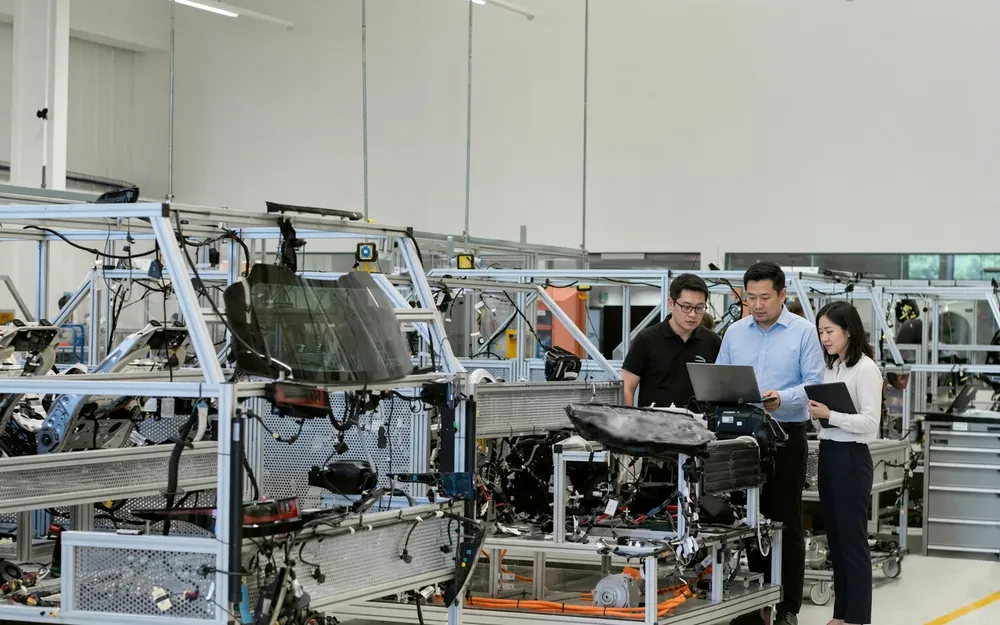
Brand, price tier, destination market and the week the line has to be on shelf. Enough to scope the SKU — no drawings needed to open the conversation.
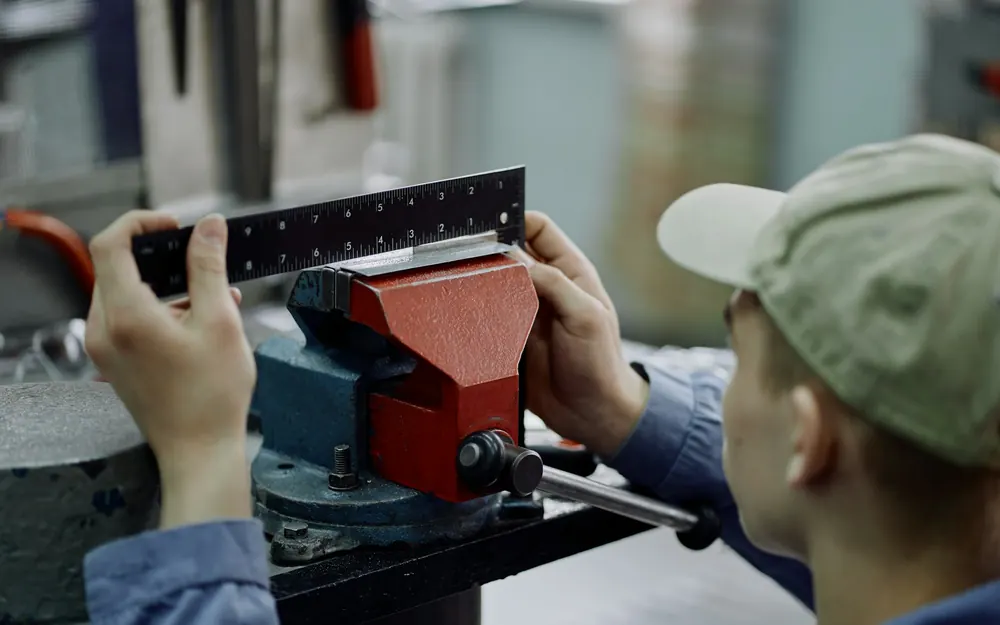
The build is approved on a physical sample before the line is set, so what is signed is what the run copies.
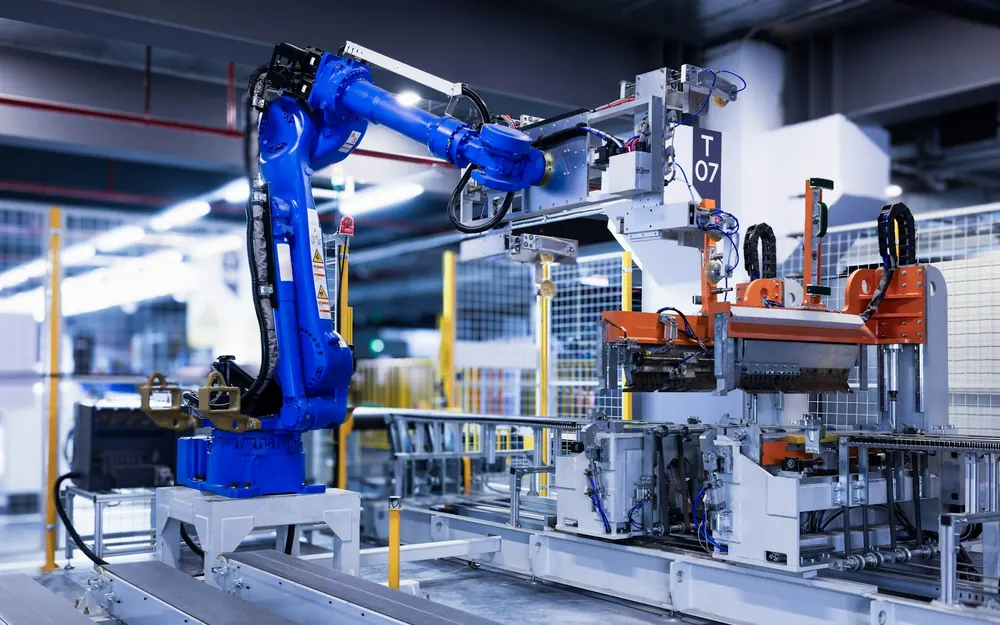
A platform SKU with your branding and pack, or a private mould where the program calls for one. Then the first production run.
Checks run inside production rather than at the dock, and third-party inspection is welcome at any stage of it.
How the quality system works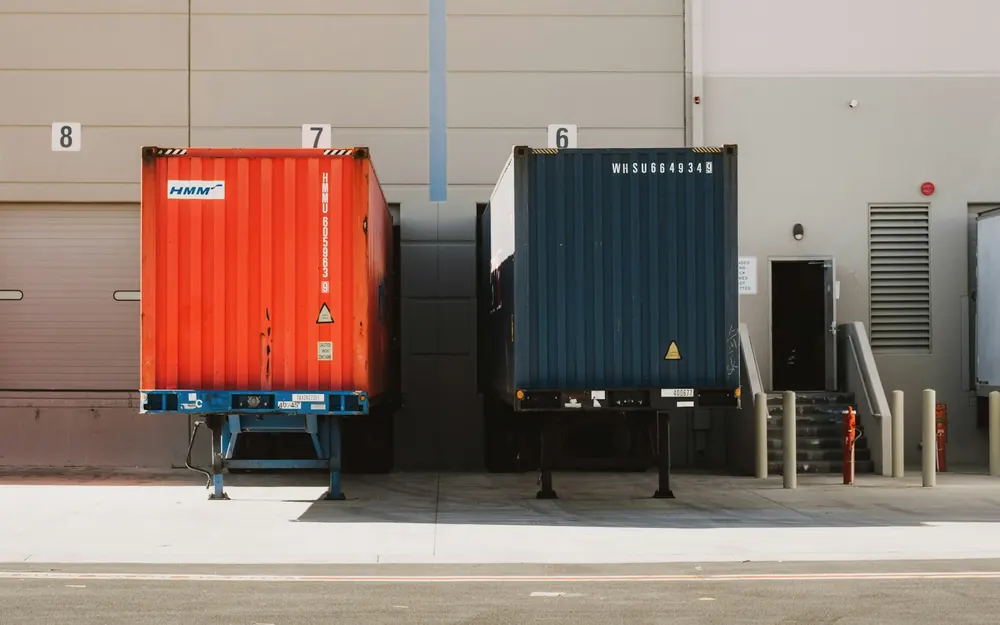
Documentation and freight booked against the launch date, so the line arrives in one shipment and one window rather than chasing the season in part-loads.
Destination builds
Gas, the pack and the certification scope all follow the market the line sells into. Tell us where it lands and the build is set from there.
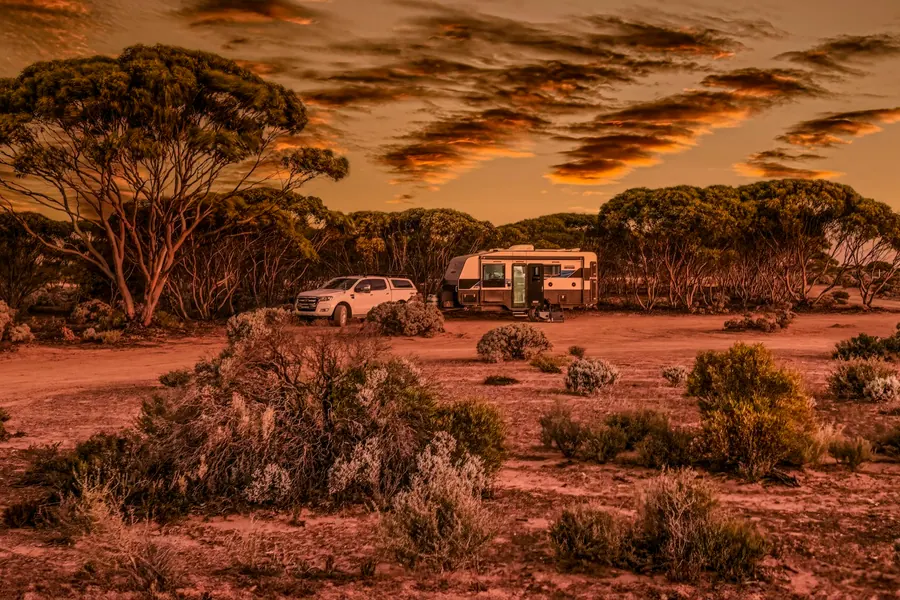
Australia & New Zealand
Gas and the retail pack are set for the Australian and New Zealand market, so one build carries the line across both.

North America
The North American build is locked to that market's gas and its own compliance path, so what lands is what the line is cleared to sell.
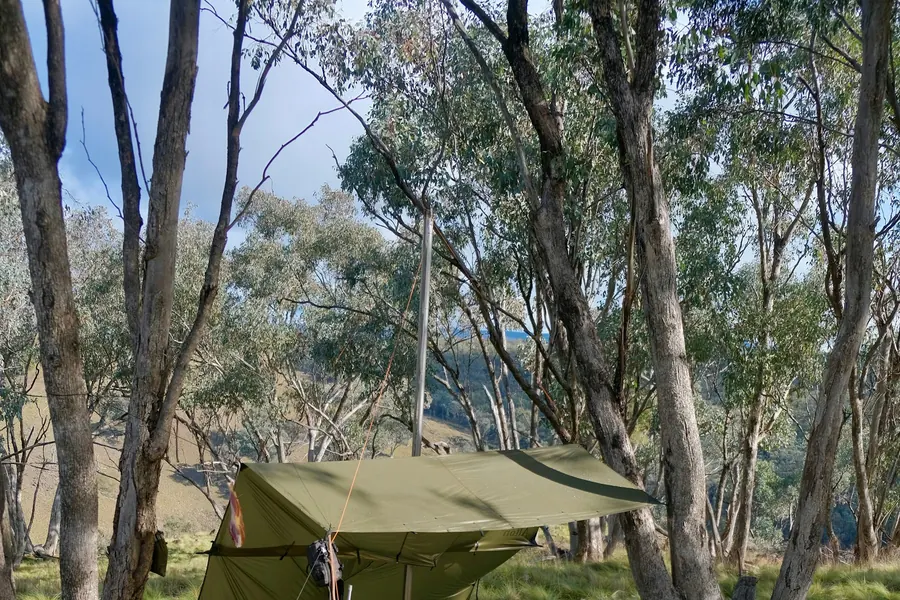
Europe & UK
The European build carries its own gas setting and its own documentation set for the market it is declared into.
Retail pack
A camping shower competes in the aisle like anything else in the outdoor planogram. The pack is part of the program, not a courier decision.
Built to take the freight it will actually meet, and to hold its shape on a pallet and on a shelf edge.
The panel a buyer reads in three seconds — brand, the unit, and the one reason to pick it up.
Written in the market's language, with the install and the first-use steps where a first-time buyer looks for them.
Logo, colourway and copy move with the program, so what arrives is your line rather than a rebadged generic.

Water heater kits and accessories
A unit is only as usable as the fittings that arrive with it. We build the kit around each platform and quote it onto your program, so the load leaves us ready to install.
The kits
Three lines ship as a kit. Each is packed to the platform it serves, so one line item on your purchase order carries everything the installation needs.
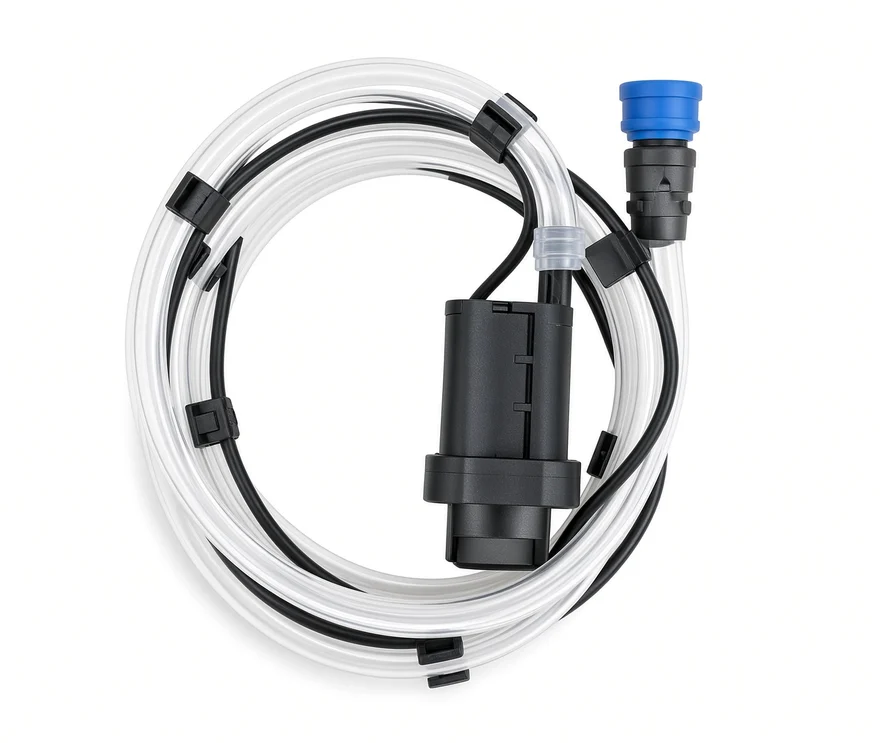
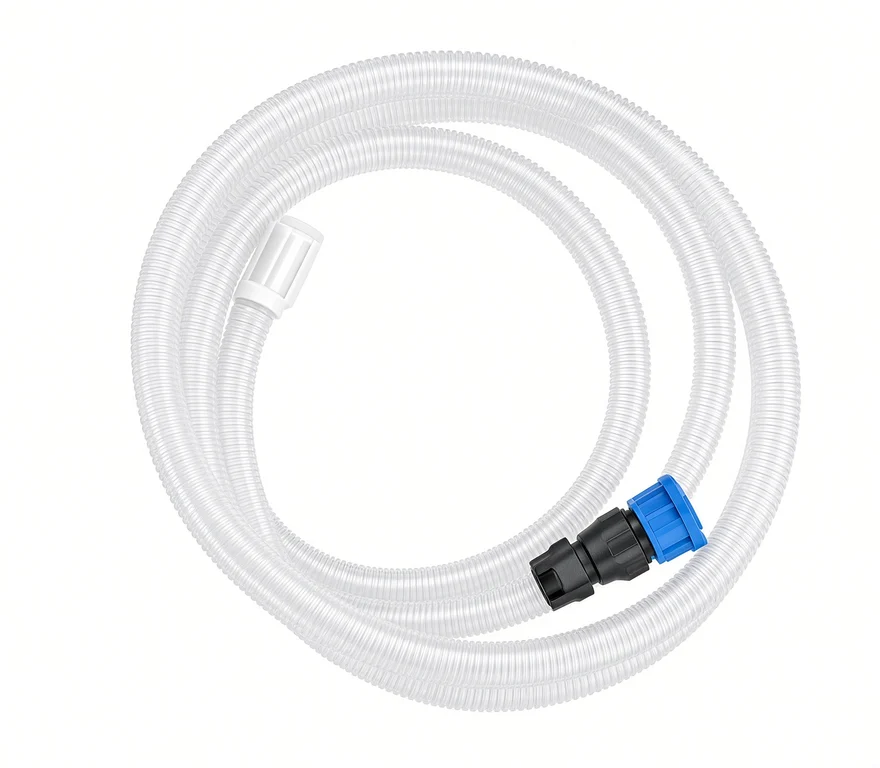

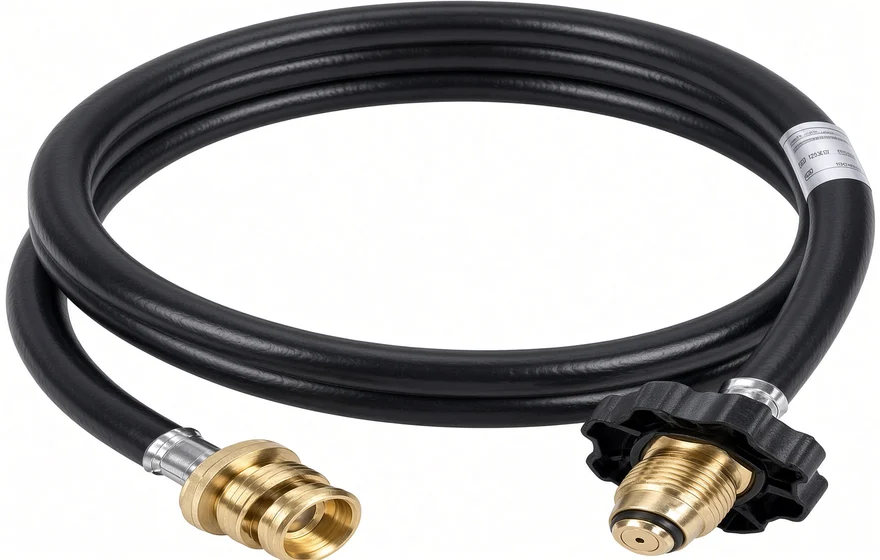
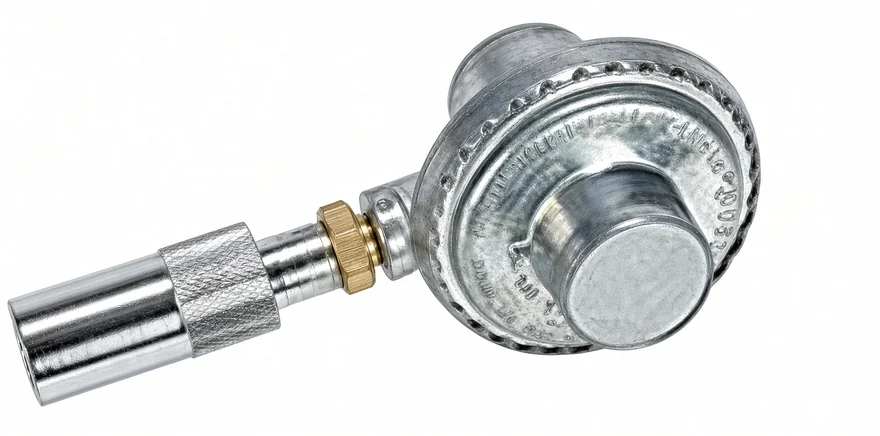
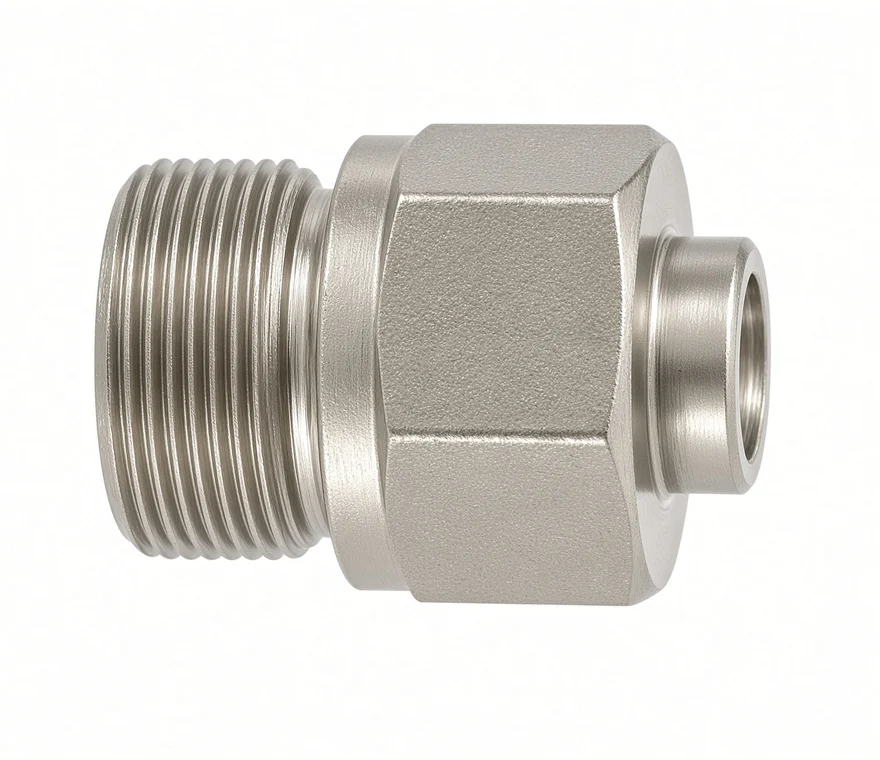
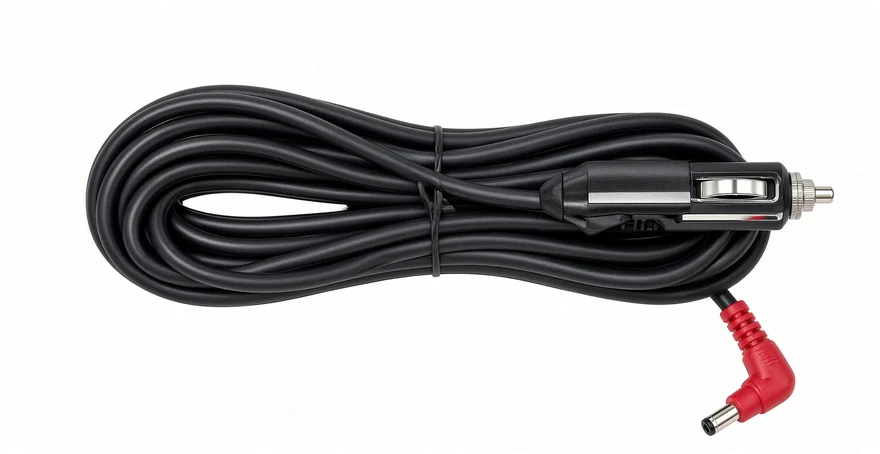
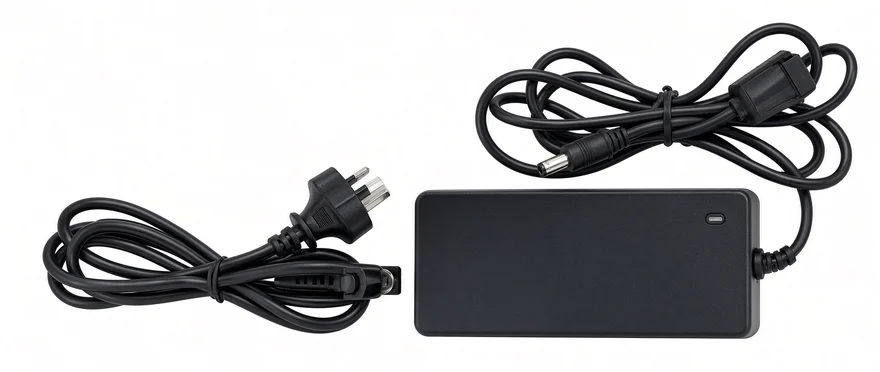
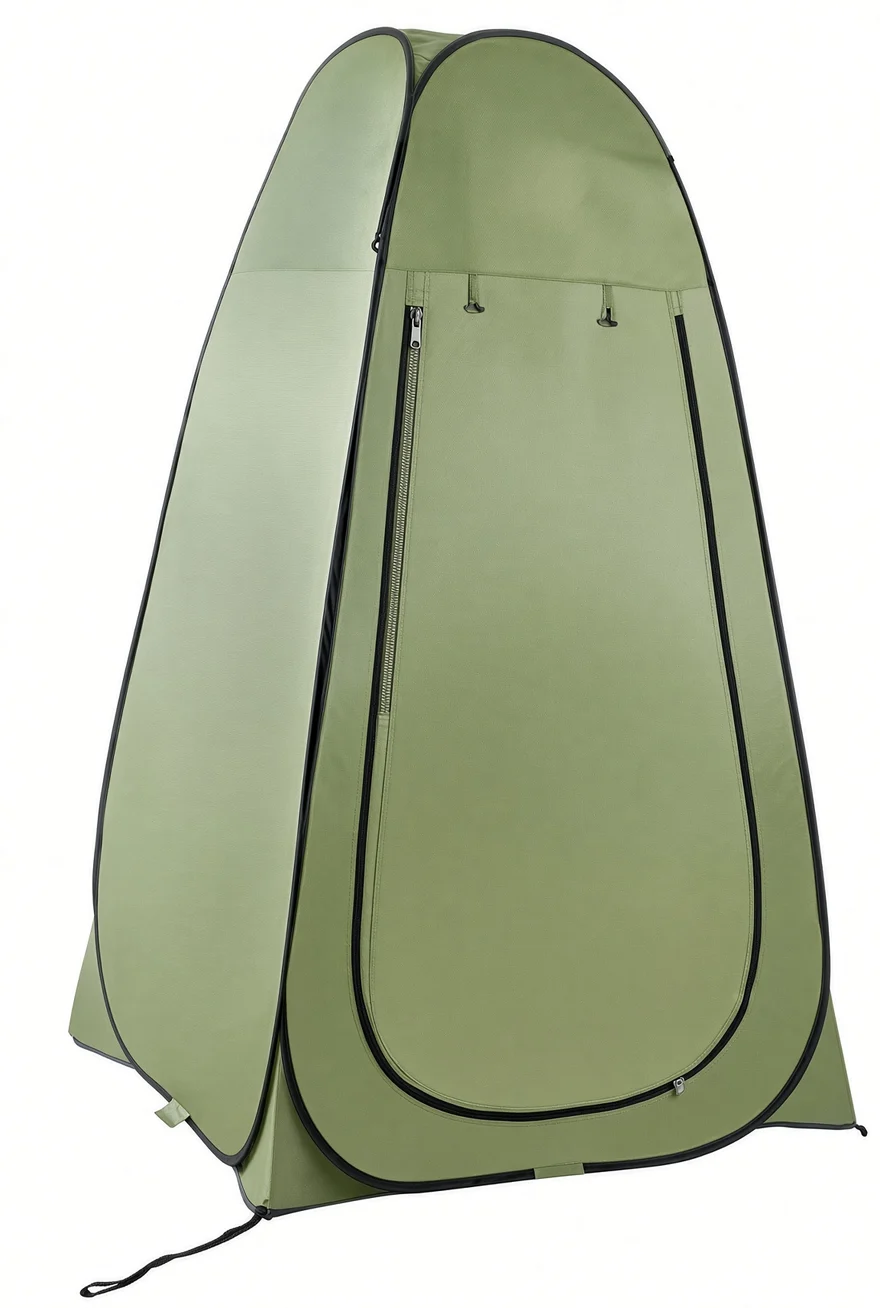
These are the parts that travel with the kits — the range carries more. The full accessory list is below.
A draw from a tank, a drum or a jerry can rather than a mains supply.
A quick-connect at the unit water inlet.
The pump is submerged, never run dry, and draws clean water only — a lake or a river will scale the impeller.
The hot-water end of the line, on every platform in the range.
A quick-connect at the unit water outlet.
The shower stays open while the unit runs, so the controller keeps reading flow and the burner stays lit.
A fixed installation where water arrives under pressure rather than from a pump.
A regulator on the cylinder and a valve at the inlet.
A pressure-reducing valve is mandatory on this line. Pressure straight into the inlet is outside the unit rating, and the valve is what keeps it inside.
At the cylinder
The camping platform is rated on more than one gas. The accessories are what change the canister it will take, and each one has a destination it belongs to.
Clamps to the regulator directly and stands upright beside the unit. This is the default the camping platform is built around, and the one the regulator setting assumes.
The adapter in the kit steps the canister to the regulator. This is the mix the platform is rated on where the standard canister stops performing, and the adapter is the only difference between the two.
The same adapter carries the larger cylinder to the regulator. This is the route the 5 L fixed installation takes, where the cylinder lives outside the wet zone and the run to the unit is a hose.
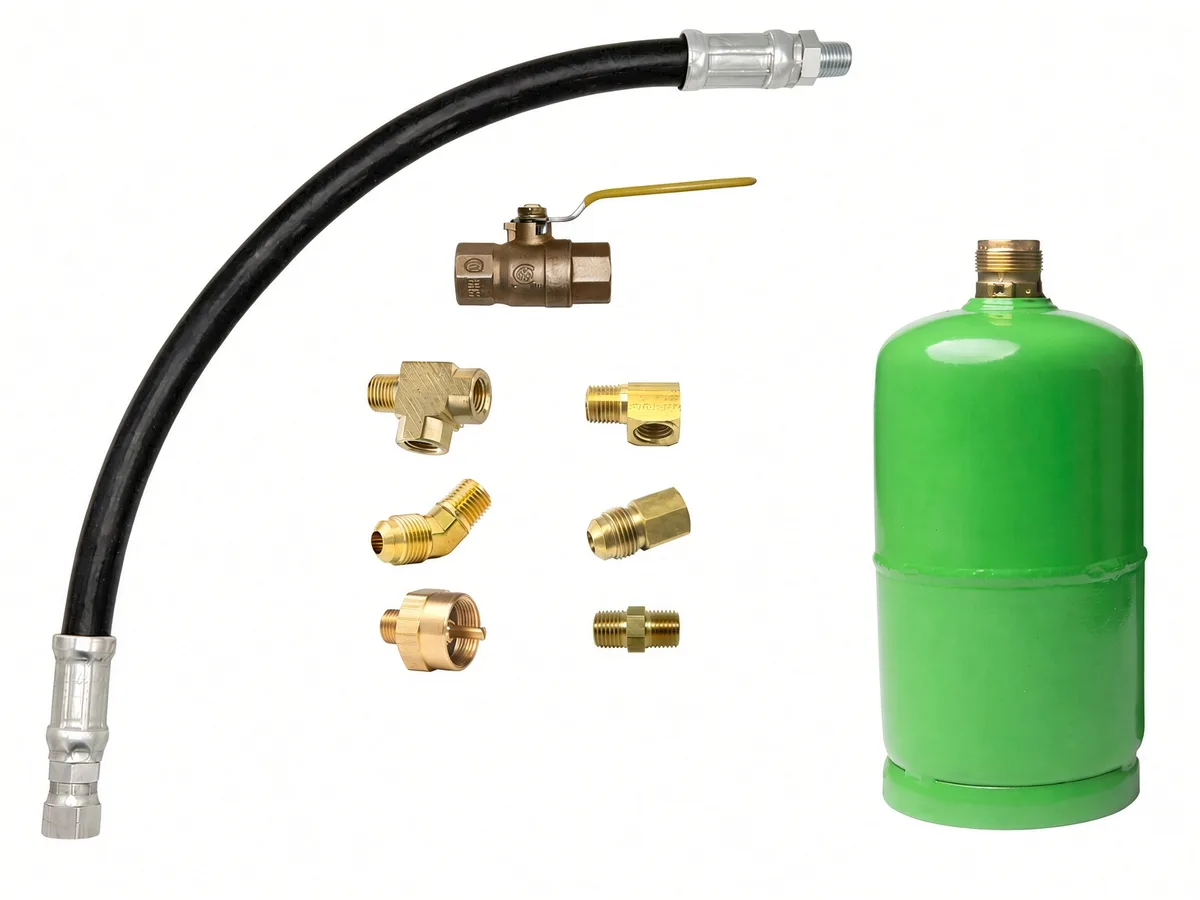
RV retrofit
A replacement heater has to close the hole the old one left. The panel line runs in three sizes, because the openings in the field are not all the same.
Tank-style heaters dominated this wall for years, in 6, 10 and 12 gallon sizes, and most conversions today start from one of their openings. Our factory panel blanks a 6 gallon cut. The wider cuts needed two more sizes, which is why the line runs in three.
Panels are finished in the same powder coat as the unit and carry the same ventilation louvre, so a retrofitted wall reads as a factory fit rather than a conversion.
The cut-out table ships with the panel. Measure, send the opening, and we match the size.
Optional
Everything below is ordered alongside the units, on the same program. Take the whole list or take the lines your market asks for.
Charges the pack from a 12 V socket on the move.
Charges the pack from mains before the trip.
Holds the shower head against a steel panel, no drilling.
4,000 mAh, on the platform the unit ships with.
Holds the charge steady off a vehicle supply that sags.
For a battery terminal rather than a socket.
Ordered at a higher minimum than the rest of this list — worth batching.
The water container the intake kit draws from.
A cubicle, nothing more. Never ignite the unit inside it, and never let the flue discharge into it.
Where the kits go
Each kit is packed to a platform. Follow the one your order is against.
Solution · Off-grid cabin
The unit mounts on the outside wall, runs off a bottle, and feeds the shower and the wash-up sink from one supply. Nothing has to be brought to the site to make it work.

Where it goes
The platform is the same. What changes is the building it hangs on, where the bottle has to stand, and how long it sits empty.

Guests draw hot water on arrival and the building sits empty between them. One unit per cabin, no shared plant.
A shed or a garage used year-round, where the wash-up point matters more than a shower does.
A building at the end of a track with no service run to it. A bottle is already on site; a mains connection is not.

A hut that opens for a few months of the year and is closed for the rest, at the end of a track rather than a road.
What the building demands
No spec sheet here — the figures belong to the product pages. This is the part that decides whether the platform suits the building at all.
The housing is designed for that wall rather than tolerated on it — an outdoor position is the intended install, not an indoor unit that has been moved outside.
Still on the wall after the season that tested it.
Lighting is on demand and there is no pilot left burning, so the unit sits cold until it is asked for hot water — whatever the gap between visits.
Ready on the first visit, not after one.
A mains connection and a plumbed feed are both absent, and neither is required: the ignition carries its own supply and the water arrives by container or hose.
Nothing brought to the site to make it work.
Lighting and running the unit is a single gesture a guest or a contractor can be shown on arrival, with no panel to set first.
Hot water without a briefing.
When it is not the build
The platform is built for a fixed wall with no service run. A brief that needs something else should be routed to the programme that answers it.
Continuous occupancy with a mains supply and a plumbed feed is a domestic installation, not an off-grid one — the constraints this housing answers do not apply.
Where the brief specifies a cylinder or stored hot water rather than on-demand heating, the platform under the housing is the wrong one.
Tank and vehicle platformsA unit that travels needs a bracket and a vibration specification, not a wall mount, however similar the heating side looks.
The vehicle-mounted programmeWhat a program settles
A cabin program is decided long before it is quoted, and the questions are about the site rather than the unit. These are the four that come up on every one.
A shower and a wash-up sink off one supply is the normal cabin arrangement. How far they sit from the unit decides the run and the fittings.
Which elevation the unit hangs on, how it is fixed through the cladding, and how much weather it actually takes on that face.
Where the bottle stands, and how far it has to be carried to the point of use — which decides the hose run as much as the unit does.
How the unit is shut down when the cabin closes, and what has to be true of it before the next arrival.

Brief to first container
Every stage closes on something concrete rather than a promise, and the checks sit inside the run rather than gathered at the dock.
What the building has, where the wall is, and where the two draw points sit against it. No drawing is needed to open the conversation.
Gas and the certification scope follow the destination the cabin line sells into, set at the factory rather than adapted after the container lands.
The build is signed off on a physical unit before the run is set, and that unit becomes the reference the line copies.
Checks run inside production rather than at the dock, and third-party inspection is welcome at any stage of it.
Documentation and freight booked against the season, so the units arrive in one consignment rather than chasing a window in part-loads.
The off season
A cabin is not a house that goes quiet. It is a building with no heating in it for months, and whatever holds water inside it has to come through that on its own terms.
A stored body of water is the part of a cabin hot-water system that fails over a hard winter, and it fails quietly — discovered at the first let of the season rather than in January.
A cabin is reached by a track, not by a road. Anything that needs draining, refilling or recommissioning before a let turns one arrival into two.
A unit with nothing held in it has nothing to freeze. The off-season question becomes what you do at shutdown rather than what you repair in spring.
Where this page sits
A cabin program touches the whole factory, and this page argues only the part that is about the building. Everything else already has a page.
Solution · RV programs
A vehicle program is designed, tooled and priced long before anyone specifies a water heater for it. This page is for the engineers and buyers who have to make that call — and for the drawing they send us.
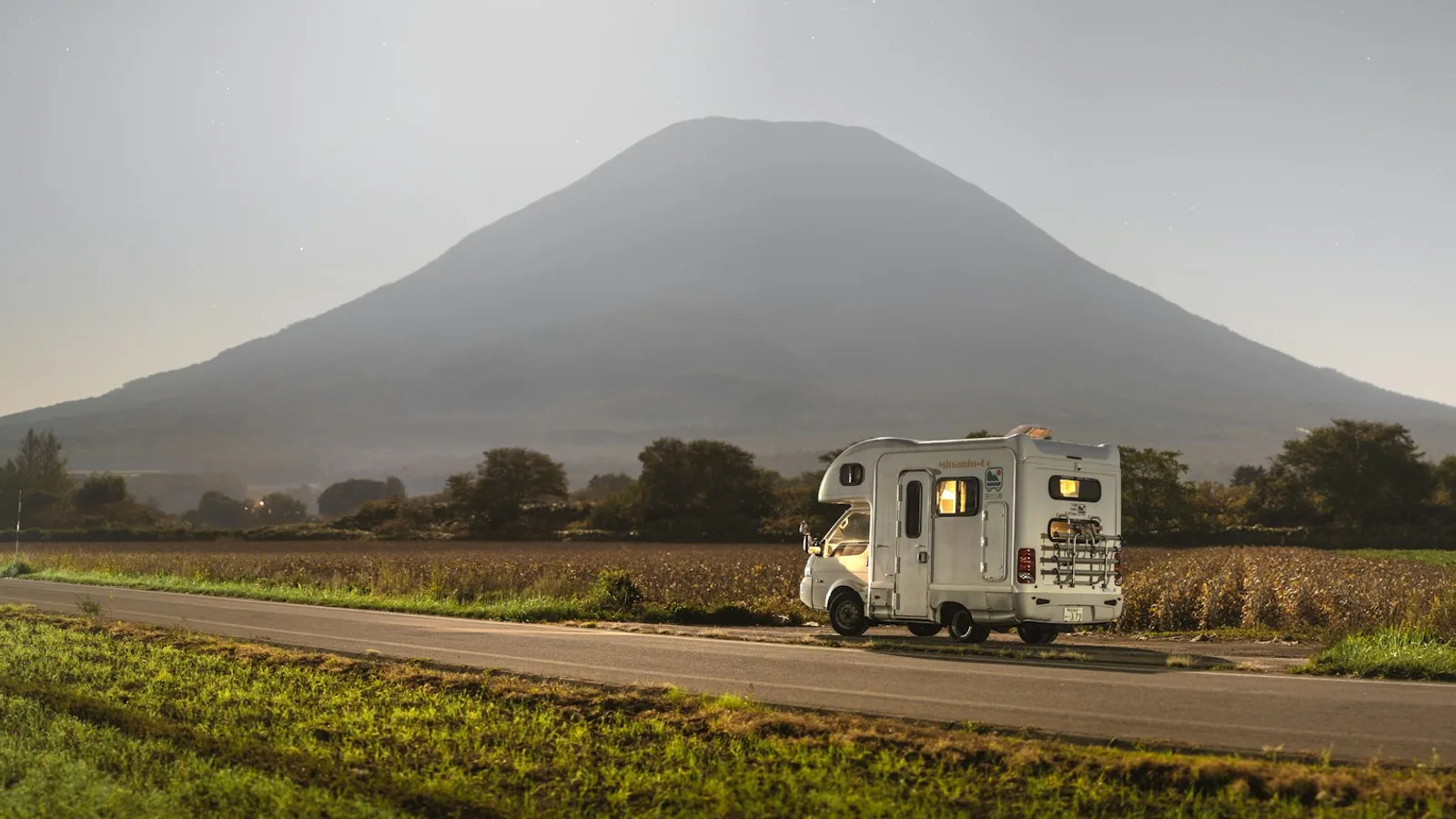
Who this is for
Where the unit lands in the build decides who is asking. A line, a retrofit and a parts counter arrive with three different drawings, and the first question is never the same one.
The unit is designed into the vehicle, so the recess is set before the first order and every unit that follows has to match it.
Opens withWhere does the unit sit in the wall, and what does the door have to clear?
What changedThe recess is right the first time.
The unit has to answer a recess that already exists — one the incumbent fit, and one the vehicle was built around.
Opens withWhat is in the bay now, and what does the new unit have to match?
What changedNo bay rebuilt to take the unit.
The unit is held as stock and fitted by someone who did not build the vehicle, so the fitment and the parts have to stand on their own.
Opens withWhat does the fitter need in the box, and what is stocked behind it?
What changedA fitter has what the fit needs, without calling us.
When it is not a vehicle program
The programme is built around a recess, a 12V scheme and a vehicle that already exists. A brief without those constraints is better served by another build on this site.
A shower or heater that travels in a bag rather than a bay needs a handle and a carry case, not a recess and a door swing.
The portable camping lineA wall, an outbuilding or a site office sets its own mounting and feed conditions, and none of them are a vehicle recess.
The off-grid building programmeA constantly used wash-down point needs its own load case and housing; fitting a vehicle unit to it answers the wrong question.
The wash-point programmeNothing drops through
A vehicle program has two halves. One is the vehicle and the market it sells into. The other is the unit and everything behind it. This is where the line sits, row by row.
The vehicle, the recess and the market it is sold into
This programThe unit, the door assembly and the trim, built to that recess
The chassis and how the unit integrates with it
This programThe connections the unit presents to the chassis side
The brand the vehicle sells under
This programThat brand on the unit, the door and the carton
The destination and where the vehicle is sold
This programThe build the destination calls for, locked before the run
The rate and the run sequence you produce to
This programThe build repeating to the approved reference, run after run
The vehicles in service and the yards that service them
This programThe parts line behind the unit, so a repair is a repair
Where the build goes
The same unit answers a line, a retrofit and a parts counter — because what changes between them is the brief, not the build.
Designed into the vehicle before the first order, then repeated against the approved reference for every unit that follows.
Answering a recess that is already there — the one the vehicle was built around, not one rebuilt to suit us.
Held as stock for a trade that fits it without us, with the parts a repair actually needs behind it.
Scope
A fitment program is two halves bolted together. This is the line between them, stated before a drawing is sent rather than after.
What we build
What we do not
Send the recess and we will tell you plainly which half each item falls on — including the ones that are yours.
Getting started
Four moves, and the first one starts from something you already have.
The opening you cut, or the one already in the vehicle. A sketch and the direction the door opens are enough to start.
The unit, the door assembly and the trim are checked against your recess, rather than the bay rebuilt around ours.
How a build is developedSign-off happens on a sample you can hold, so what is approved is what the run copies.
The approved reference is what every unit after it is held to — which is the whole point of approving one.
See the unit it is built onInside
A vehicle interior is designed around the bed, the galley and the dinette long before a water heater is specified. The recess has to find its place in what is already there.
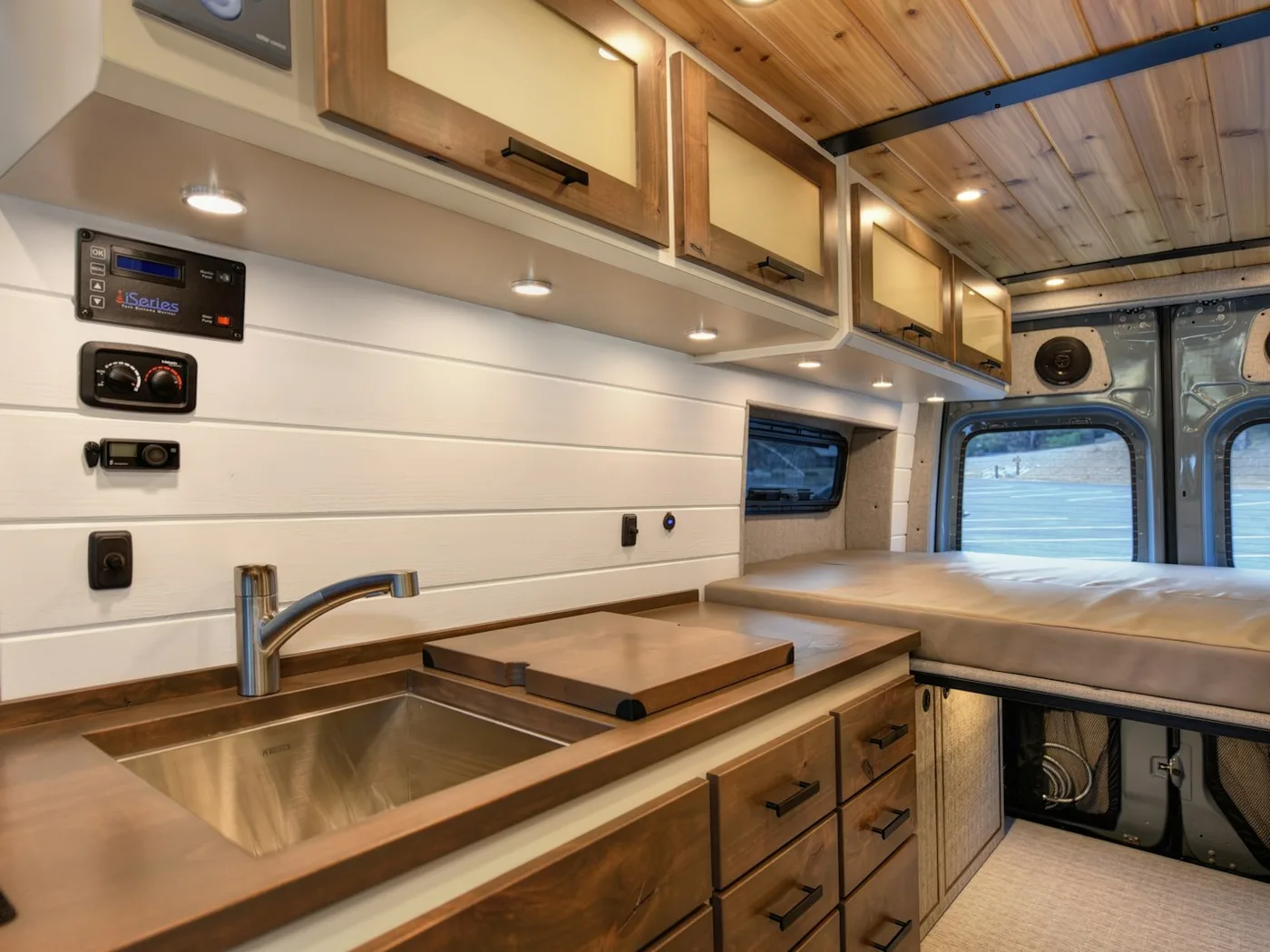
The services a kitchen already brings to one wall — which is where the unit usually wants to sit.
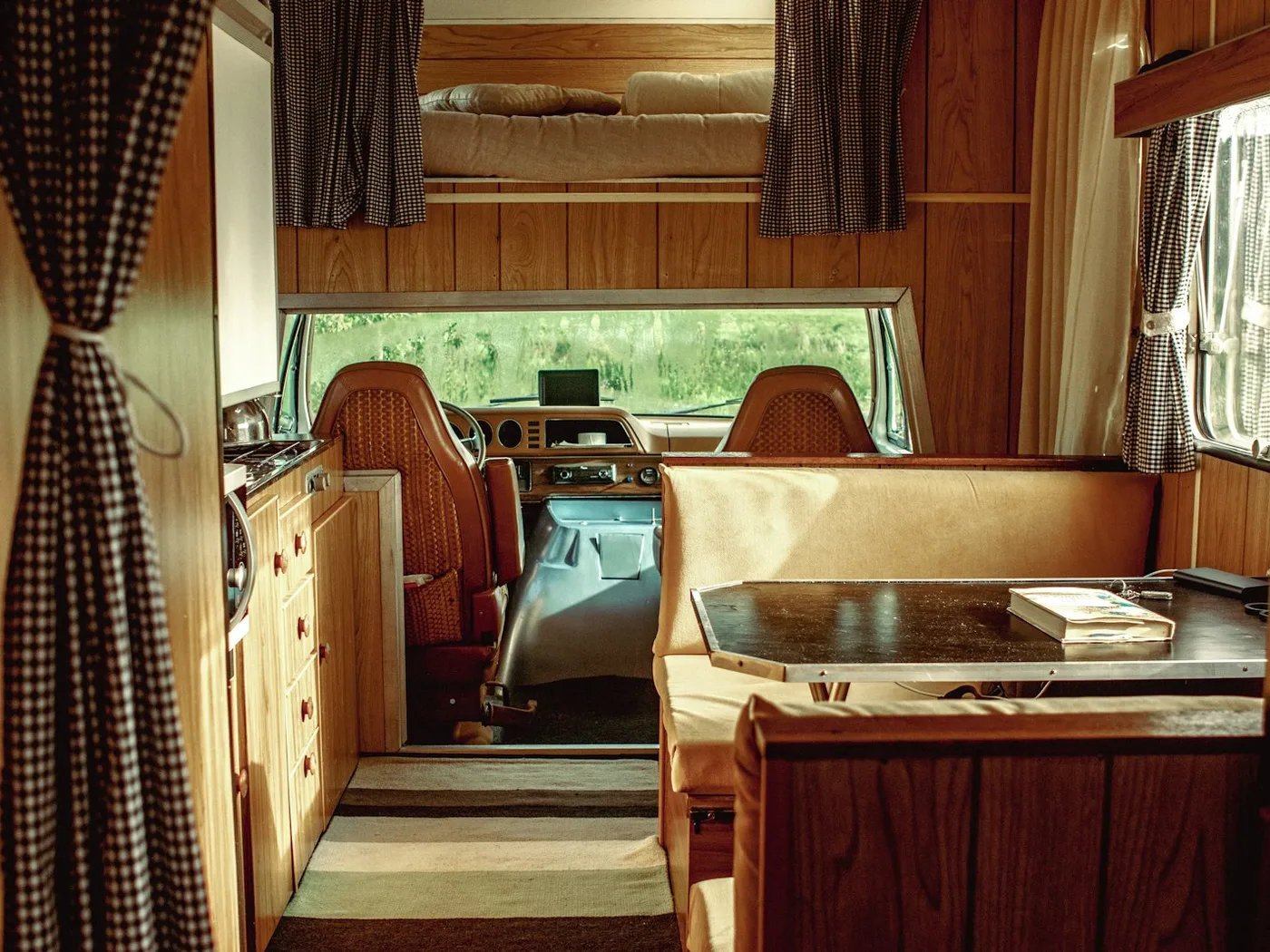
The space under a bench or behind a squab, where a recess is easiest to hide.

The locker run under a fixed bed, which is often the only full-height wall left.
The opening
A door has to sit flush in a wall it was not cut for, swing past what is already there, and still be serviceable. That is the whole job of the assembly.
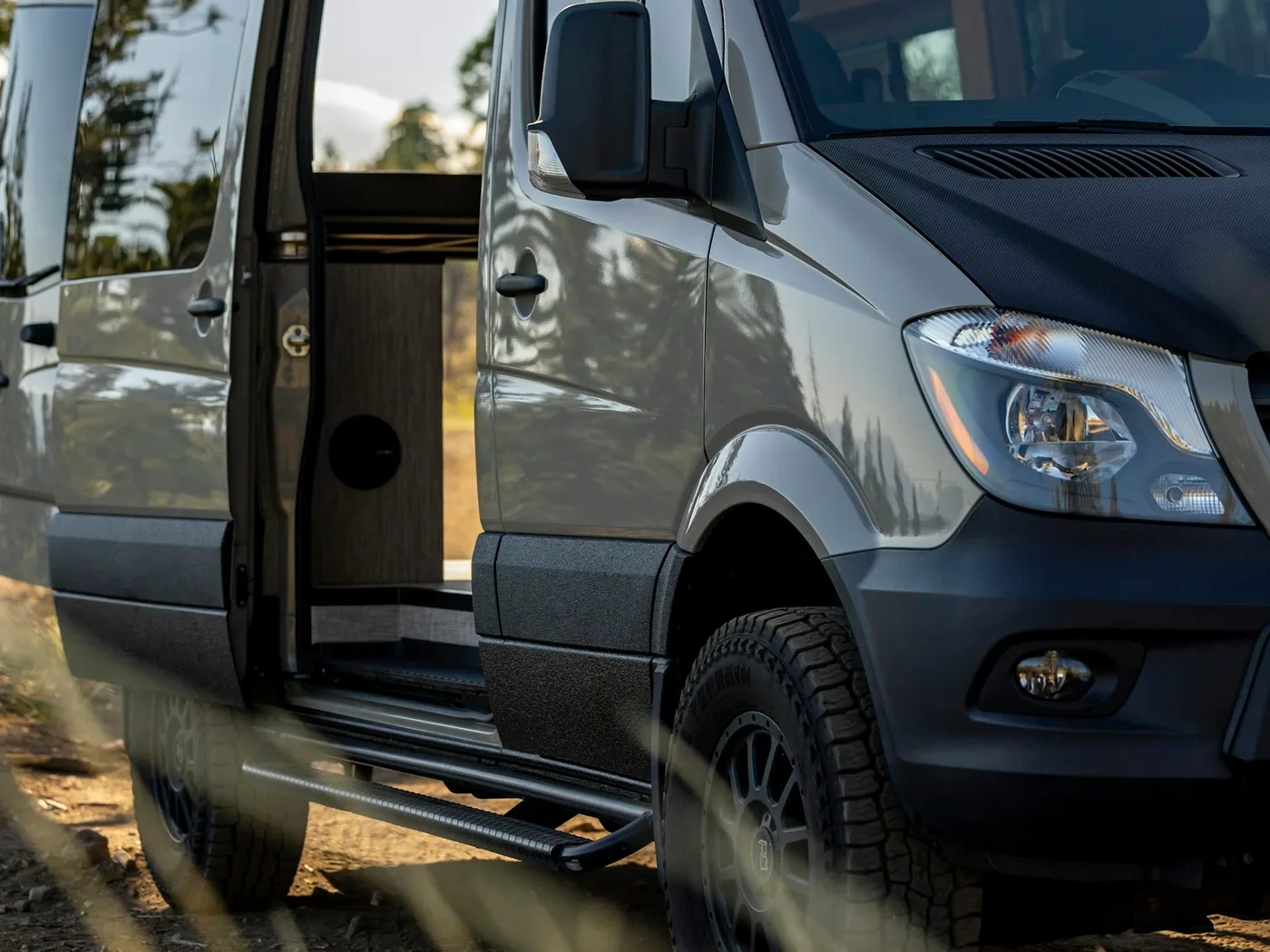
Approved as one assembly, so the swing clears what is mounted beside it.
Closes the gap between the unit and a wall it did not cut.
What a fitter reaches without dismantling the vehicle around it.
Where it goes
A camper is sold on where it can go. Whatever is fitted into it has to work at all three of these without a service call.
Where the water comes from a container, not a plumbing run.
Used once, in passing, and expected to light first time.
Where the only supply is what the vehicle brought with it.
Solution · Pool, farm and wash-down
A rinse before entering the water. A dairy or livestock wash-down. A yard where a crew or a fleet is hosed off. None sits near mains power or a plumbed feed, and each is used by people who did not install it. The platform is built around that, not around a bathroom.
Before anything else
The question a pool owner asks first is the one worth answering first, because the answer decides whether the rest of this page is even relevant to you.
Hot water arrives at the point of use — a shower head, a wash-down lance, a rinse tap — drawn on demand and heated as it is drawn. There is no tank at the point and no stored body of water to hold.
A pool has to be held warm against its whole volume, and that load does not shrink with the pool — a small plunge pool or a hot tub is the same duty as a large one. Holding a body of water at temperature is a different job, and it is not this one.
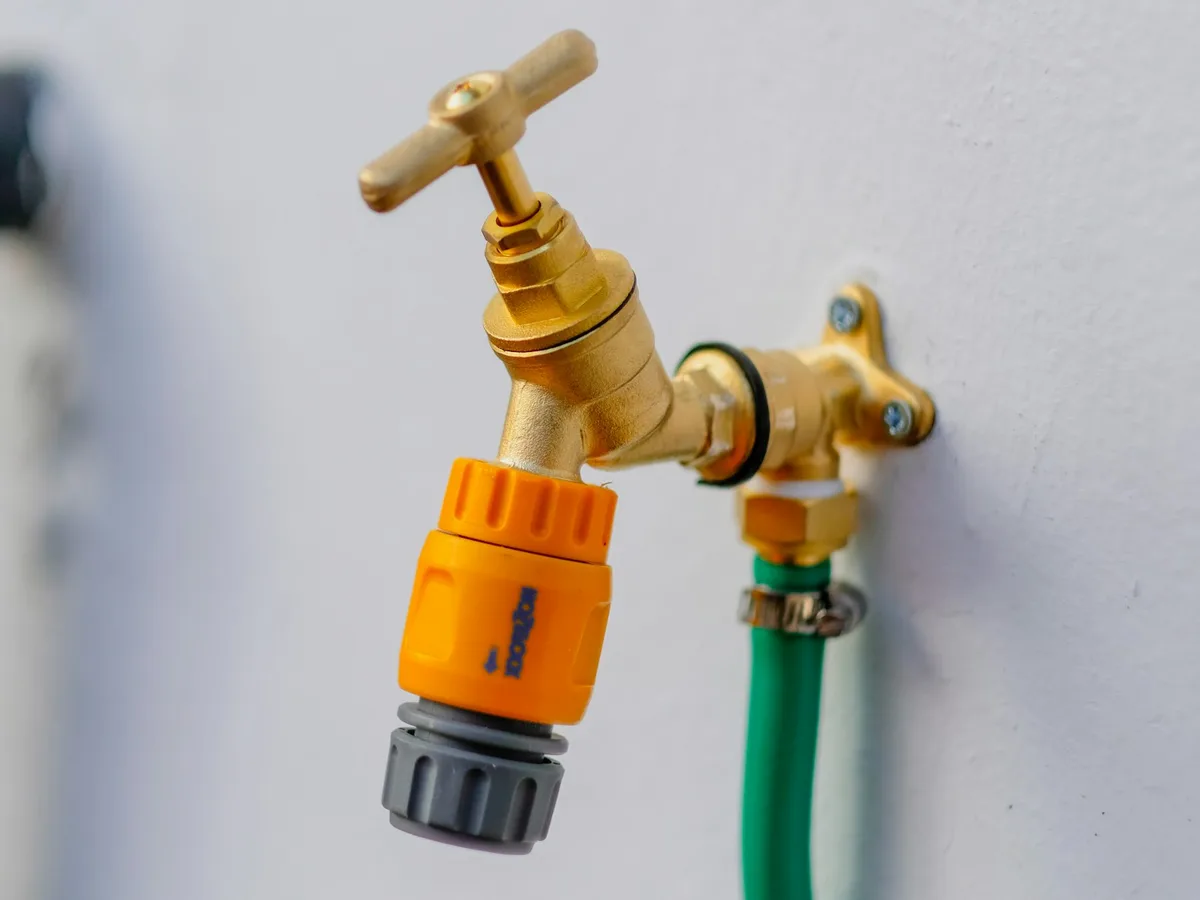
Where the water is needed
Every point here shares the two conditions that decide the build: nothing is run to it, and nobody is watching it. What changes is the duty it is drawn for and how hard it is used.

A hot rinse point at the edge of a pool, so a swimmer rinses before they enter rather than after. It stands where a plumbing run was never taken — beside a filter plant, a changing block, or a private pool with no building at all.
A short, hot rinse at the water’s edge
Seasonal — heavy on the days the pool is open
Chlorine in the air and salt on the fittings
A pool open on the day it was meant to be.
A dairy, a parlour or a livestock shed where the wash-down point matters every single day and the building was never plumbed for hot water. One unit holds the point; the herd sets the tempo rather than a season.
A daily wash-down, drawn in bursts
Daily and year-round — it does not close
Mud, muck and a hose left running
The wash-down starts on time, every morning.

A depot or a yard where a tractor, a ute or a whole fleet comes back dirty and the crew rinses it down before it is put away. The point moves with the work, so the run to it is part of the decision.
A long, high-volume rinse, vehicle after vehicle
In bursts, whenever the kit comes back dirty
Grit, impact, and a hose dragged across it
A bay that clears without a second pair of hands.
When it is not a wash point
A wash point is fixed, supervised by nobody, and sized to a site. A brief that moves, or that serves one household, is a different programme on this site.
If the water has to go where the vehicle goes, the unit needs a bracket and a vibration specification rather than a permanent site position.
The vehicle-mounted programmeOne building with one wall and its own feed is an off-grid install, not a site wash point with three repeated positions.
The off-grid building programmeA unit bought by a consumer and carried home needs a carton, a shelf face and a consumer manual, not a site installation plan.
The portable camping lineWhat it has to survive
A wash point is outdoors and unsupervised, and what that costs it depends on where it stands. Read down a row to see one condition across all three; read across to see one point against all five.
| Load case | Poolside | Livestock & dairy | Yard & fleet |
|---|---|---|---|
| Chemical exposureWhat is in the air and on the fittings. | Chlorine in the air beside a treated pool | Disinfectant at the parlour wash-down | Detergent and traffic film at the wash bay |
| Grit and muckWhat comes back on the hose and the hands. | Sand off wet feet in the changing area | Mud and slurry through the shed daily | Road grit and mud off every vehicle |
| Weather and UVWhat the housing stands in, year after year. | Full sun and salt air on an exposed surround | Wind and rain through an open-sided shed | Open yard with no shade over the point |
| Unsupervised useWho works it, and whether anyone is watching. | Swimmers and guests, no operator present | Herd staff on a routine, one-handed | A shifting crew across every shift |
| Cold and drain-downWhat happens to the point when it is not in use. | A point that closes when the season ends | A point that runs every day of the year | A point idle overnight, hard-frost mornings |
One source, every point
A wash point is rarely next to the thing that feeds it, and it is never watched while it runs. Place the source once, and the taps off it can sit anywhere the work is.
One unit on the wall or on a stand, with the bottle beside it. This is the only point on the site that somebody visits on purpose.
The point closest to the source, where the run is short and the faucet could not be simpler if it were plumbed.
The point the run does not reach on its own — a second shed, a far end of the yard. Reach, not the unit, is what decides whether it is served.
A point that has no fixed home: the wash bay that shifts with the work, or the second site that opens next season. The unit is the only part that has to move.
How the point is used
A poolside rinse and a dairy wash-down are the same build answering two different working lives, and the difference is not in the unit — it is in how often the tap is opened.
The poolside rinse runs hard while the water is open and stands idle for the rest of the year. It has to survive its own quiet — a point that is used for part of the year cannot need recommissioning before the part that matters.
The dairy or shed wash-down is opened every morning and often through the day. It has to survive being worked rather than being left — the wear is in the routine, not the weather.
Neither point is a harder build than the other. They are the same unit answering two different working lives, and the program is set against whichever one your site actually runs.
Starting an enquiry
Nothing here needs a drawing to open a conversation. These are the six things only you can tell us, and the first reply is scoped from them.
What the point is for — a rinse, a wash-down, a hose-down bay — and roughly how long it runs each time it is used.
Beside a pool, in a shed, at the end of a yard. Whether it is under cover, and what is in the air around it.
How far the point is from where a unit and a bottle can reasonably stand, and whether that run is fixed or moves with the work.
Whether there is any water at the point already — a tank, a trough, a standpipe — or whether it has to arrive from a container or a hose.
Where the line will sell and be installed. The gas and the certification scope are set by the market before anything is quoted.
The name the line carries, whether it starts from a build that already exists or needs its own, and roughly how many points a year.
Solution · Overland expedition
The product is rarely rejected for heat output. It is rejected after a season on the road, or when the same unit has to be rebuilt for a second market. This is the program for brands that sell the shower as part of the vehicle.
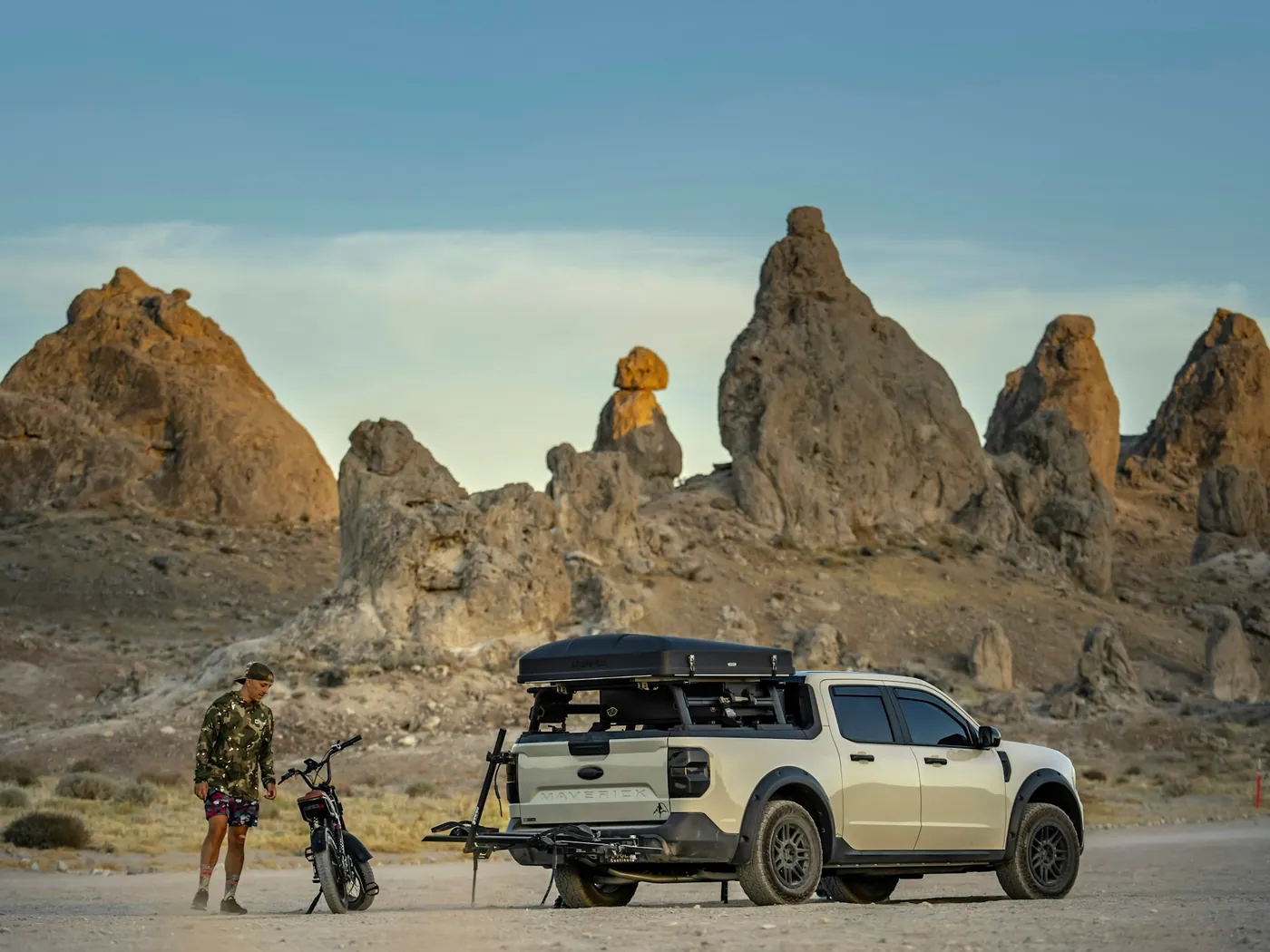
Vehicle-mounted · Standard kit · Market-set files
The buyers
Four types of buyer, one requirement: the shower is a part of the vehicle, not an appliance strapped to it. Each arrives with a different job and the same non-negotiable.
Conversion and accessory
They sell the shower beside suspension, awnings and storage, so the bracket pattern and the fixing points have to match what the workshop already builds. The unit leaves the shop as part of the vehicle, not as a box in the back.
Expedition equipment
They build a complete shower kit for long-distance travel, and their customers cross borders. The gas source and the compliance file have to follow the route rather than the factory default.
Systems integration
They fit the shower into a vehicle another team designed. What matters is that the interface repeats: one fitting set, one mounting pattern, and service parts that can be replaced one at a time.
Multi-market brand
One product line for Australia, North America and Europe. They do not want a different supplier for each destination, and they do not want three build files to keep in step.
The challenge
The road, not the campsite, is where a vehicle-mounted build fails. Vibration does not announce itself — it works on the housing, fittings and bracket until something gives, usually after the container is paid for.
Shell, fittings, bracket
The unit is built to be carried, not to stay fixed.
Corrugation and washboard load a portable housing in a way a campsite never does. Corners crack, quick-connects creep loose and the bracket bends, so units arrive damaged or fail within weeks. The return and the review both land on the brand that sold them.
Markets
Every destination reopens the gas setting and the compliance file.
Australia, North America and Europe do not share a specification. Each change reopens the order, delays the launch and leaves several versions of the same product in the warehouse, each with its own paperwork.
Accessories
The pump, the fittings and the bracket are sourced separately.
Mixed parts produce compatibility failures and blur who owns the fault. A leaking joint becomes a dispute between three suppliers, and the brand pays for it in returns, replacements and customers who stop trusting the listing.
Mounting
A portable unit does not sit still on a vehicle.
Without a fixed bracket and a mount that matches the build, the shower reads as an afterthought. The customer who bought a finished conversion sees an appliance strapped in, and the brand loses the professional position it was selling.
Suppliers
Shell, parts and certification come from different vendors.
A reorder arrives close to the last run rather than identical to it. Customers notice the drift, the brand absorbs the complaint, and the program loses the one thing it was built on: the same product, every time.
The build
Every failure above is answered inside the platform, not by an accessory added after the container lands. From the shell and bracket down to the specification a reorder is built against.
Shell and bracket
Housing and bracket are reinforced for continuous vibration, with the mounting points carried through the shell rather than bolted onto it. The assembly is specified against the vehicle it will ride on, not against a generic rack.
Fittings
The water side uses positive-lock connections, so joints do not creep loose between services. The fitting set is matched to the kit it ships with rather than drawn from a general-purpose catalogue.
Kit
Pump, hose, fittings and bracket travel in the same carton as the unit. Compatibility is settled at the factory, so the buyer is not assembling a working system from three suppliers after delivery.
Mounting
A vehicle-mounted version for conversion and accessory brands, and a portable version for buyers who sell on the move. The difference is the bracket arrangement, not the platform underneath it.
Specification
The shell, the fitting set, the kit line and the destination files are written into one program reference when the first order is confirmed. A reorder is built to that reference rather than to a new reading of the brief.
The markets
One platform carries every destination, and only the market files change after the first order. The table below says what is fixed and the one thing a destination still sets.
Fixed before the first run
Shell and bracket
One housing, one mounting pattern, every market.
Fixing set matched to the vehicle build.
Fitting set
The water side and the kit line do not change at the border.
Nothing — the fittings travel as they ship.
Reference file
One program reference sits behind every order.
Gas setting, compliance file and manual language are written into it per destination.

Long tracks, remote camps and heat that does not let up. The shower is sold as part of a touring build, and the customer fits it before the first trip.
What the market changes
What the buyer has to hold
Conversion shops and expedition outfitters list the shower beside suspension, awnings and storage. The unit is judged as part of the vehicle, not as an add-on to it.
What the market changes
What the buyer has to hold
Alpine passes, wet cold, and vans built by converters who expect the fittings to match the vehicle. The buyer asks for the file before the sample.
What the market changes
What the buyer has to hold
The result
A locked platform changes what the buyer does between orders, not what the brochure says. These are the changes that show up in the day-to-day.
Reorder
A repeat order is confirmed against one reference, not a fresh round of questions about the shell, the fittings and the files.
Shipping
The kit ships as one set, so compatibility is answered before the container is loaded and the liability does not split between suppliers.
Markets
A second destination adds a file rather than a second build, so the launch date is set by the freight instead of by re-engineering.
After-sales
Unit and parts share one specification, so a repair is a part replacement rather than a negotiation over which supplier owns the fault.
Listing
A conversion brand can list the shower as a vehicle accessory, and the customer reads it as part of the build rather than an add-on to it.
Which line you need
Both lines heat water off a bottle. Everything else about them differs, and the difference decides which program you open.
Portable camping lineCarried to the pitch and packed away after.
Overland vehicle buildBolted to the vehicle for the life of the build.
Portable camping lineA handle, on a unit built to be carried.
Overland vehicle buildA bracket matched to the fixing points of the build.
Portable camping lineHandling and dropping, over a season of trips.
Overland vehicle buildContinuous vibration, working on the bracket and the joints.
Portable camping lineThe unit and its retail pack, against a shelf listing.
Overland vehicle buildThe kit and the bracket against one written reference.
The fit
This program fits brands selling the shower into a vehicle or across several markets. It is a poor fit where the shower is an occasional campsite accessory and nothing else.
A fit
The shower is sold as part of a vehicle build and needs a fixed bracket.
The kit travels across borders and has to be set for more than one market.
One interface, one mounting pattern and parts that can be replaced one at a time.
One platform for Australia, North America and Europe, with files swapped per destination.
Not a fit
The pack, the shelf face and the carry story matter more than a mounting bracket.
A one-destination line rarely earns back the work of freezing a platform.
If the unit price is the only variable and parts are sourced one by one, the kit is working against the brief.
If the fit, the finish or the kit changes at each launch, a locked reference is structure the line does not need.
Partners · Shunde, Foshan
Gulfstone supplies off-grid outdoor water heaters to importers, trade suppliers, retail chains and brand owners across North America, Europe and Australia. What we set up with a partner is not a catalogue — it is a defined range, a coordinated identity and an order reference your team can reorder against.

The paths
Each path starts from the products, buyers and commercial responsibility you already understand — and changes how far Gulfstone reaches into the build.
Carry a focused range for local wholesalers, installers, outdoor retailers and trade buyers, with the stocking depth your market actually moves.
Stock-holding · regional coverage
Supply the trade beneath your own operation — dealers, installers and panels — with the range, packaging and documentation your buyers resell under.
Trade network · resale-ready pack
List the range on a retail floor or an online marketplace, with the presentation assets, carton artwork and product data the channel needs to sell it.
Shelf and listing ready
Put your own name, artwork and packaging on a proven platform, and define which parts of the build become yours. Where product development is needed, that is a route of its own.
Market presence
A distributor should not have to design every customer touchpoint from zero. The Gulfstone visual system gives you a foundation that adapts to the approved range, your premises and your market.
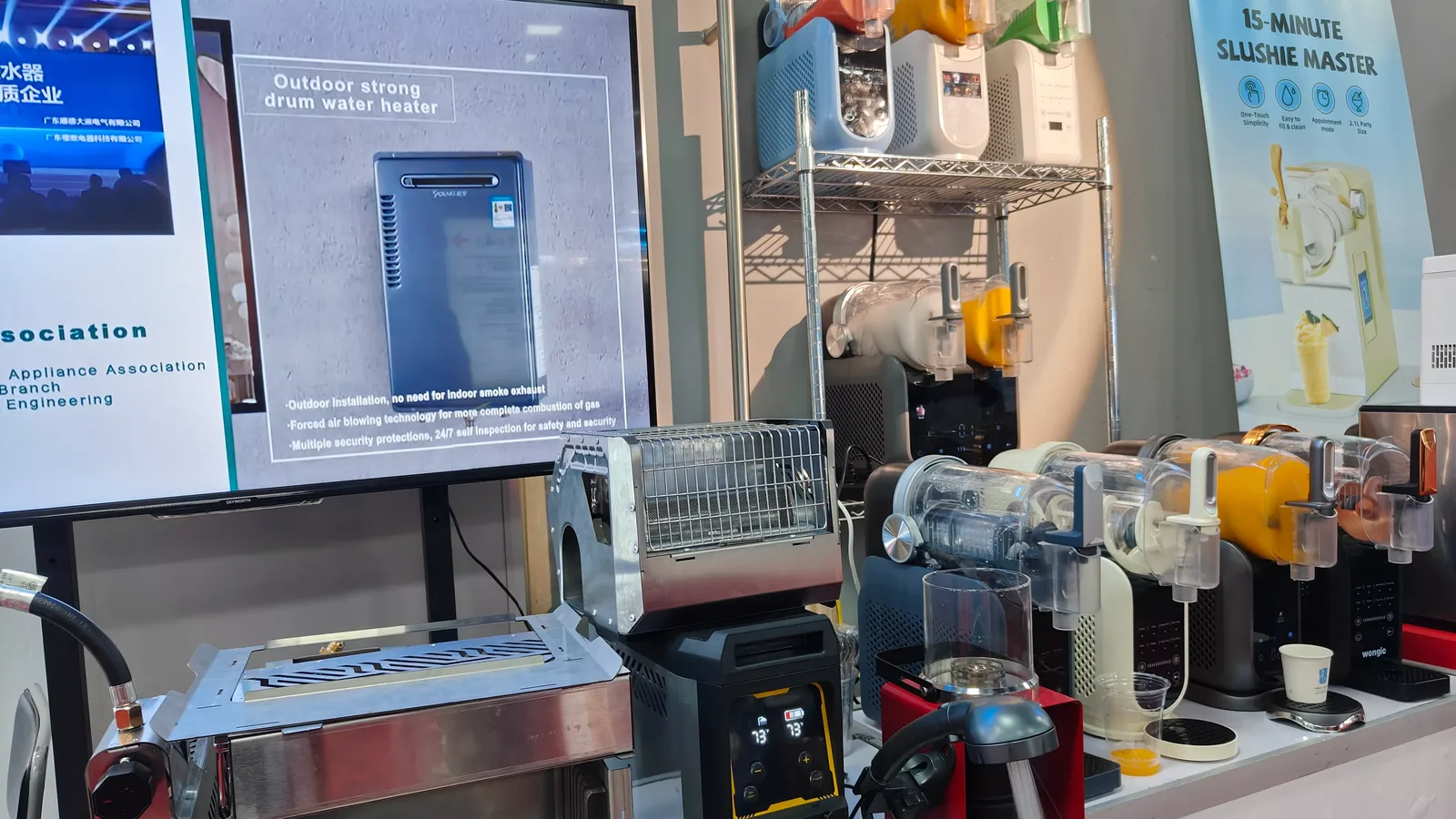
Carry one recognisable identity across the exterior sign, the product display zones and the customer consultation area. The final layout is adjusted to your premises, your local requirements and the families you chose to stock.
Start regional trade exhibitions from a consistent environment rather than a blank floor plan. Product displays, demonstration space and partner conversations stay connected while the final structure is reviewed with your venue and contractor.
The handover
The system continues after a customer leaves the store or the stand. A coordinated partner kit keeps technical follow-up clear and the identity recognisable across print, samples and digital presentations.
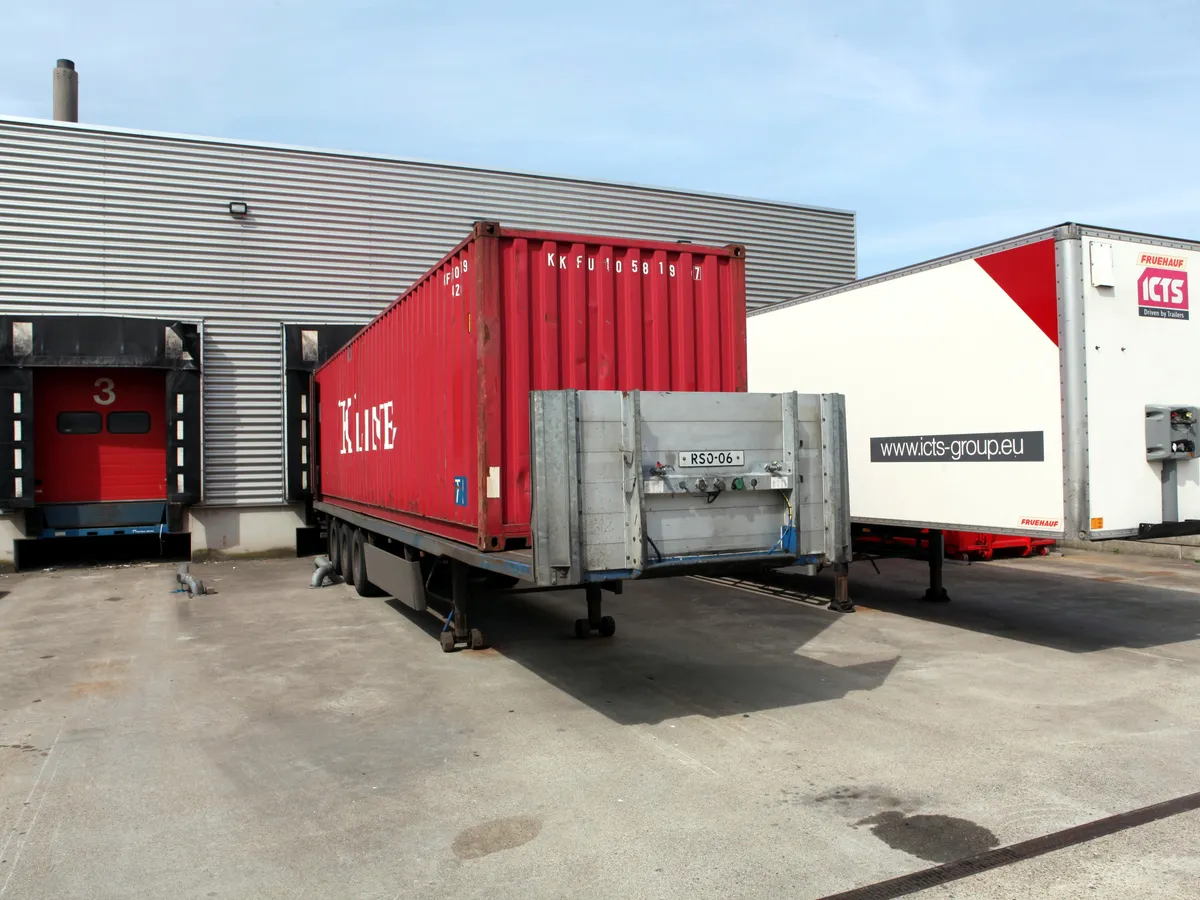
The sequence
A shared reference keeps the product, commercial and documentation decisions connected as the program grows.
Tell us the market, the product families you can move, your target customer and what you want to lead with.
Align the published range, the ratings, the documents and whether any part of the build needs to become yours.
Agree the sample set, the first quantity, the commercial terms and the milestone that marks the start.
Record the approved products, artwork, packaging and documentation as the single reference everything reorders against.
Use the confirmed reference for replenishment, range development and the follow-up that keeps a line selling all year.
Partner support
Support is organised around the range and the cooperation scope you confirmed — not a generic partnership badge.
The published range, its ratings and its application fit, reviewed against your market together.
Store, exhibition and sales-material direction coordinated around the range you actually carry.
Where a build has to change for your market, the scope is assessed and defined before anything is approved.
Where a market needs protection, the scope is written into the agreement — which families, which territory and for how long. Nothing is promised before that, and every market is discussed on its own.
Samples, the production reference, packing and delivery details kept aligned from the first unit to the reorder.

The first brief
A concise brief is enough for us to tell you whether the right next step is range selection, a sample set, a development route or a project quotation.
Field record
Programs that shipped, with the configuration that went into each and what changed on the client's side. Buyer names stay off this page — every private-label customer is under the same NDA.
The register
Six programs, each with the challenge, the decisions and the before-and-after.
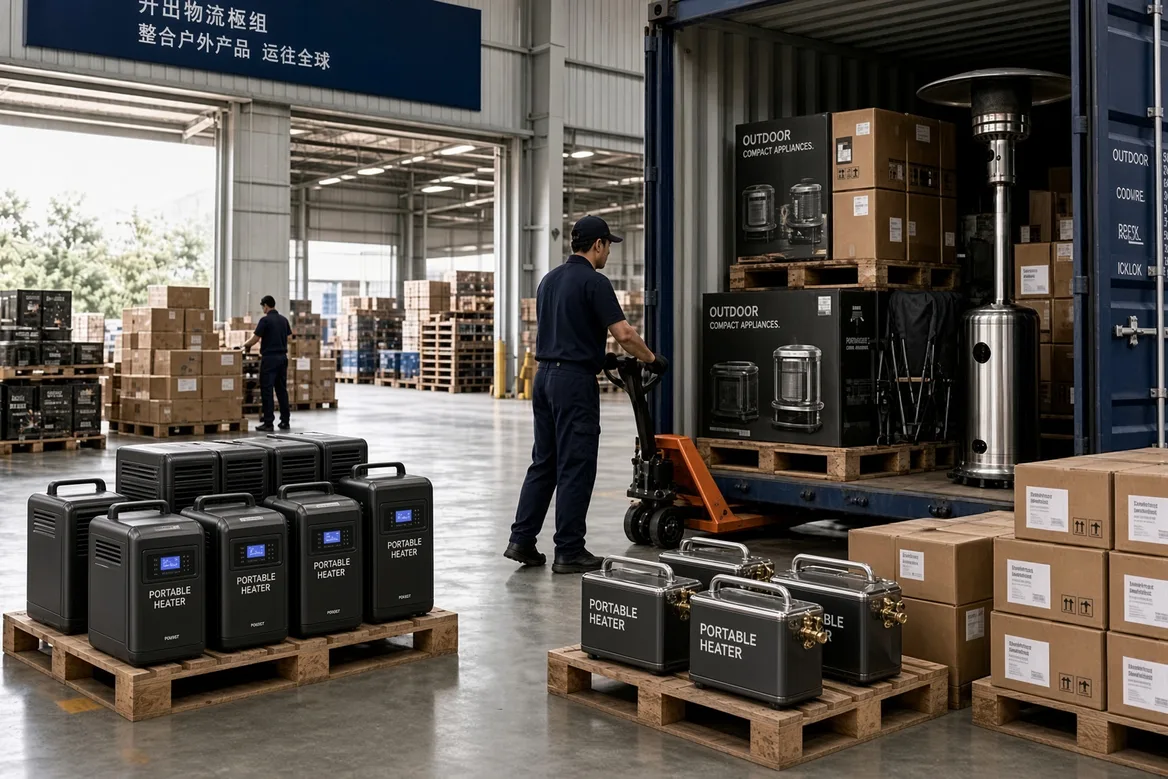
Eight suppliers across Asia, each on its own schedule, invoice format and shipping window. One origin hub took over the export documents, the Incoterm standard and the loading calendar.
Read the case file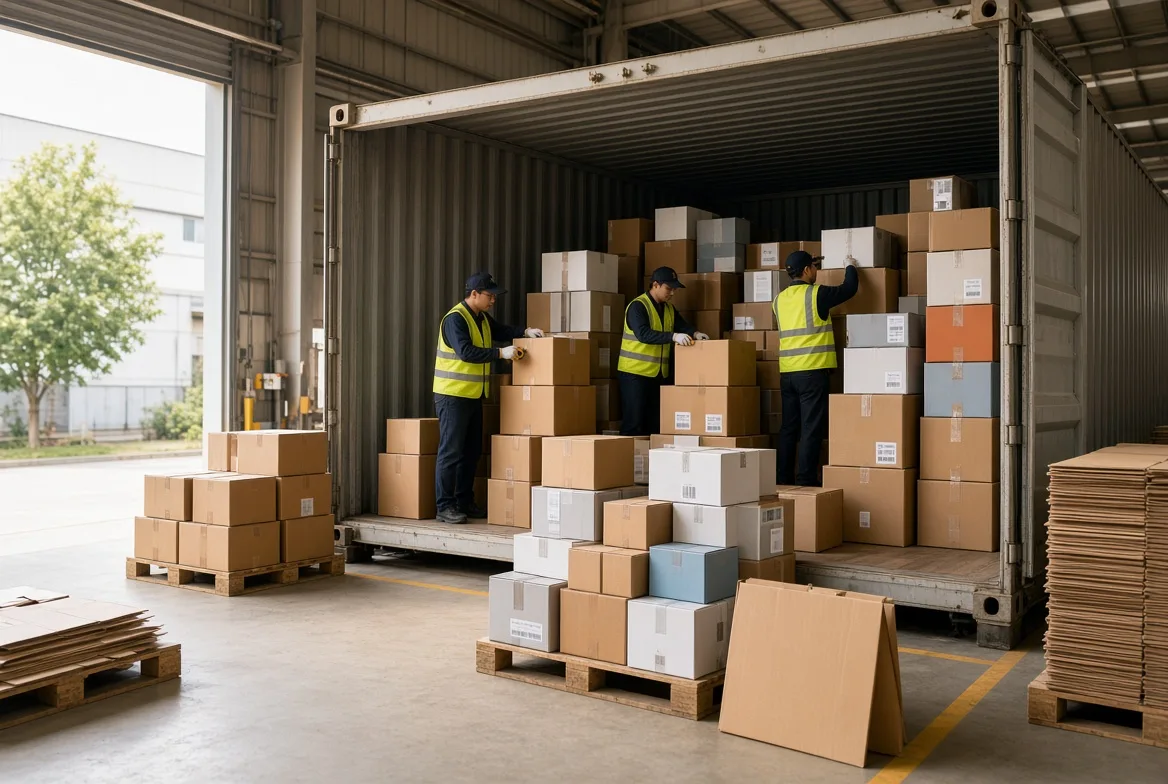
Four suppliers shipped 54.6 CBM as four LCL bookings. Consolidated into one mixed 40HC, landed freight spend fell from $12,840 to $9,160 — a $3,680 saving, 28.7%, on the client's own ledger.
Read the case file
A component family was locked to a recess the vehicle already used. 50,000+ components shipped against one frozen revision, every lot inside tolerance — no line change, no shim at the station.
Read the case file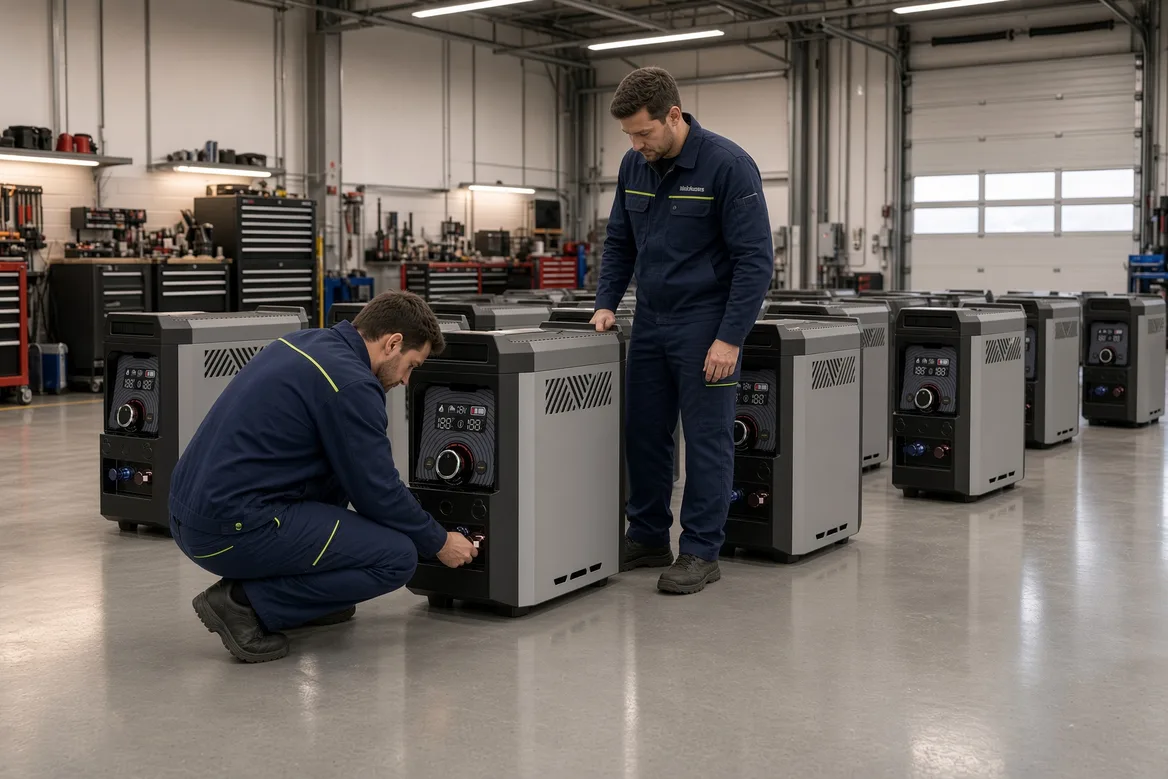
A hire fleet was writing off portable heaters after 50 rental cycles. Fleet-spec parts and a fixed turnaround routine turned 78% of failures into repairs and cut the write-off rate from 100% to 22%.
Read the case file
A sixty-cabin network at four locations ran six retail heater brands and 84 spare-part SKUs. One OEM platform with four common modules cut remote dispatch cost 62% and peak-winter refunds to zero.
Read the case file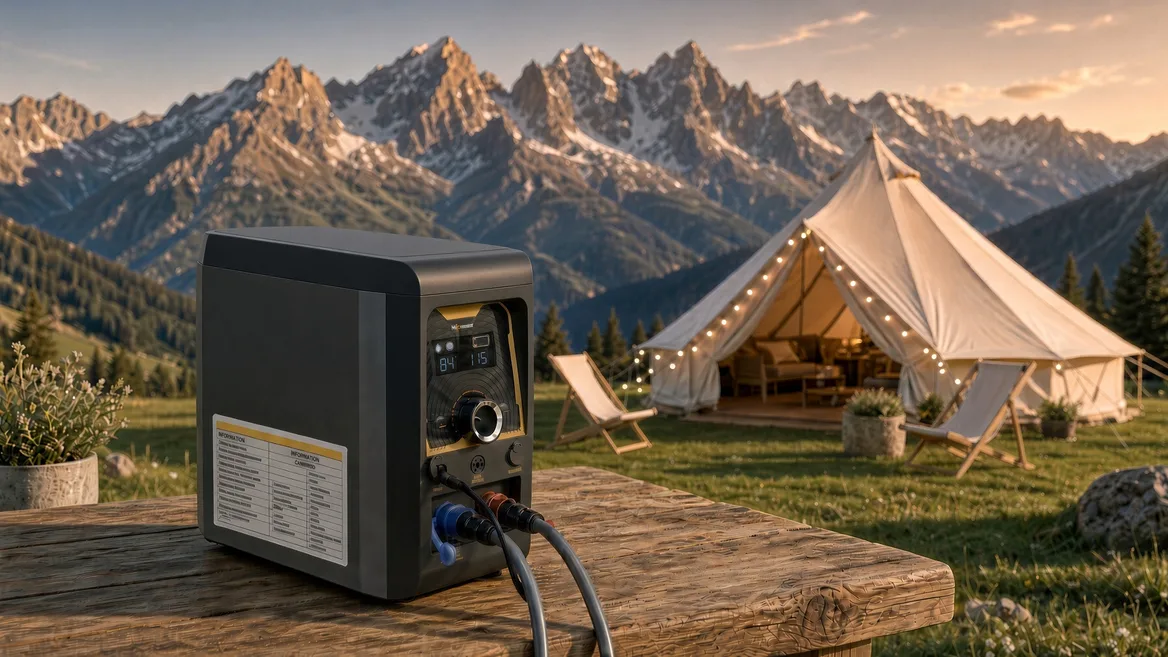
A Northern European brand needed a €349 heater that catalog clones could not copy. $28,500 of private tooling on a pre-certified gas core held the shelf price, with a rebate trigger at 3,000 units.
Read the case fileWhat this proves
Different markets, different platforms — the same four decisions underneath.
Consolidation lifts delivery only when one named owner holds the export calendar and one Incoterm standard covers every factory — otherwise the exceptions just move.
Four suppliers are planned as one shipment against one cut-off — the fee stack collapses only if documents travel with the container.
The spare-parts shelf is an architecture decision — one common module set across cabin sizes costs less than six brands of spares and the dispatches they hide.
Coils, spares lines and frozen references are what decide whether season two is a reorder or a rebuild.

Eight China-based outdoor portable gas water heater factories, shortlisted for OEM and ODM buyers on certification ownership, floor QC and portable-line fit.
Eight China-based outdoor portable gas water heater factories, shortlisted for OEM and ODM buyers on certification ownership, floor QC and portable-line fit.
Follow an OEM design brief through the full custom RV appliance industrial design workflow, from constraint matrix and cabinet packaging to a live-fire prototype, a 6.2 G bracket fix and a four-gate validation matrix.
Build OEM thermostat UI software from a frozen state table to a validated panel: LVGL versus Qt memory, touch tuning from -20°C to +70°C, and offline-first recovery.
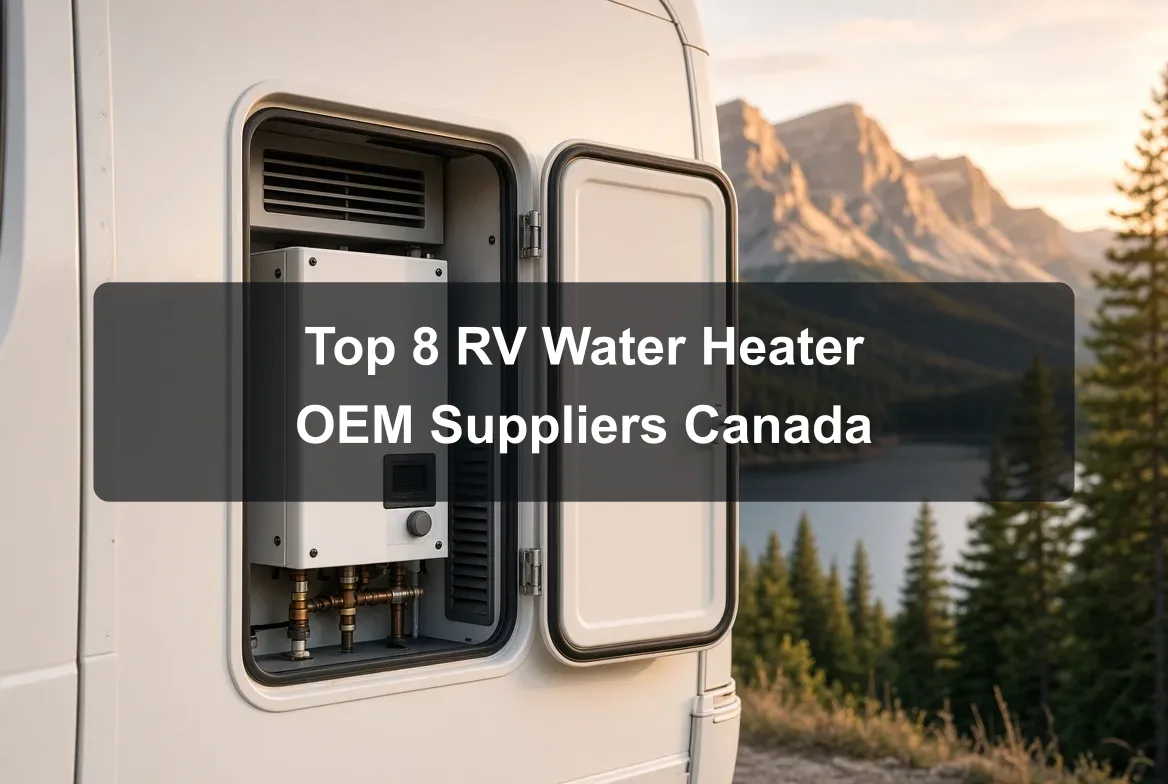
Eight Canada-based RV water heater channels reviewed: which are distributors, which are service specialists, and when to move to a direct factory for CSA Z240 OEM work.
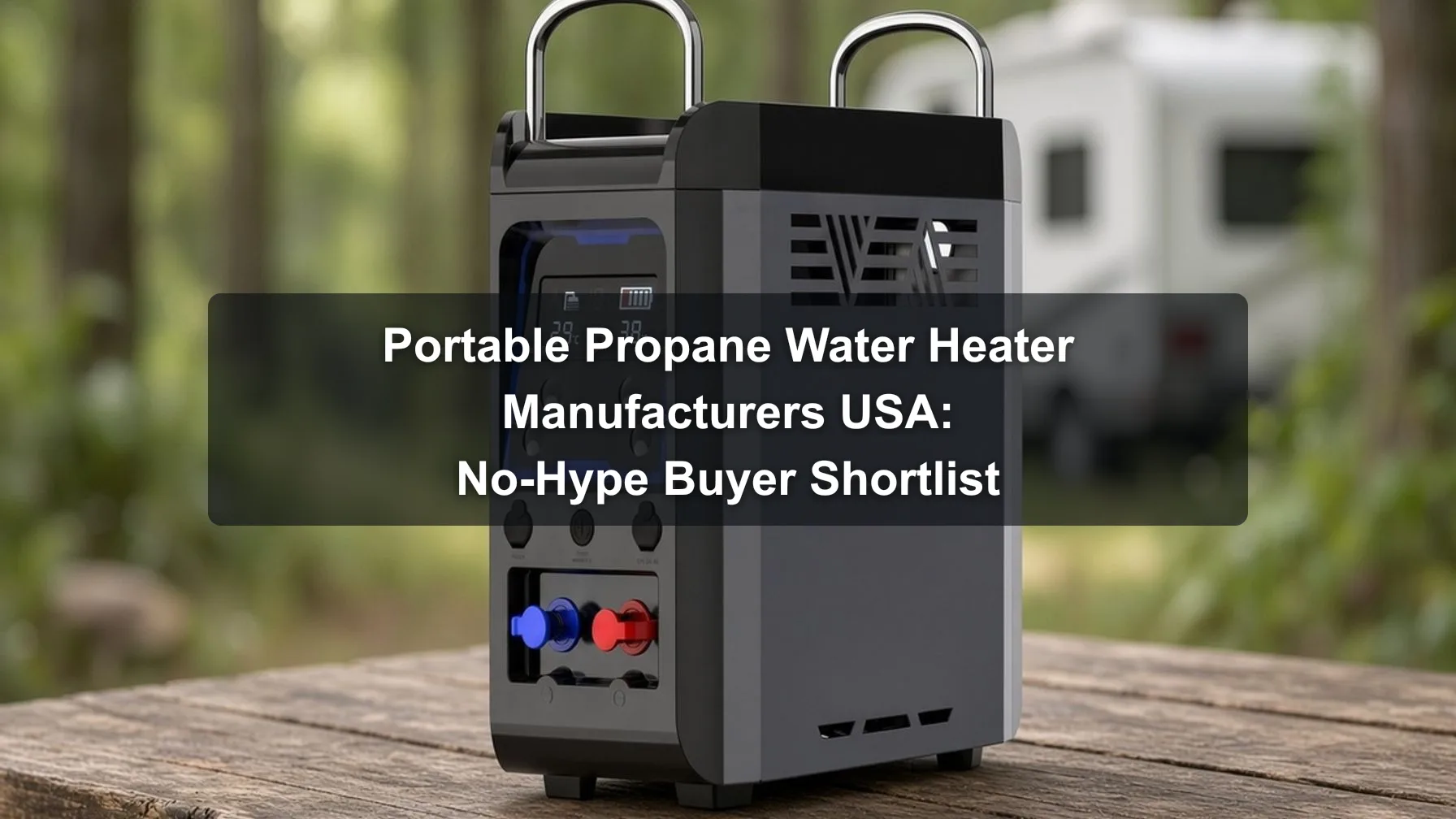
Ten US-facing portable propane water heater brands ranked for B2B buyers, with the rating plate, certificate scope and service terms to confirm before a purchase order.
A factory-side document checklist for EU water heater packaging: ten files built from Gulfstone RV packaging workflow and buyer audit requests, cross-checked against Regulation (EU) 2025/40.
Eight China portable water heater factories ranked for camping and RV OEM buyers, with the certificate scope, leak-test records and low-pressure specs to confirm before any deposit.
Regulation (EU) 2025/40 applies from 12 August 2026. What bites the tankless heater export carton now, what waits until 2028 and 2030, and the file an EU importer asks to see.
Ten US RV tankless water heater brands split into RV-native and residential-first camps, judged on chassis fitment, SKU-level certification and dealer parts before any PO.
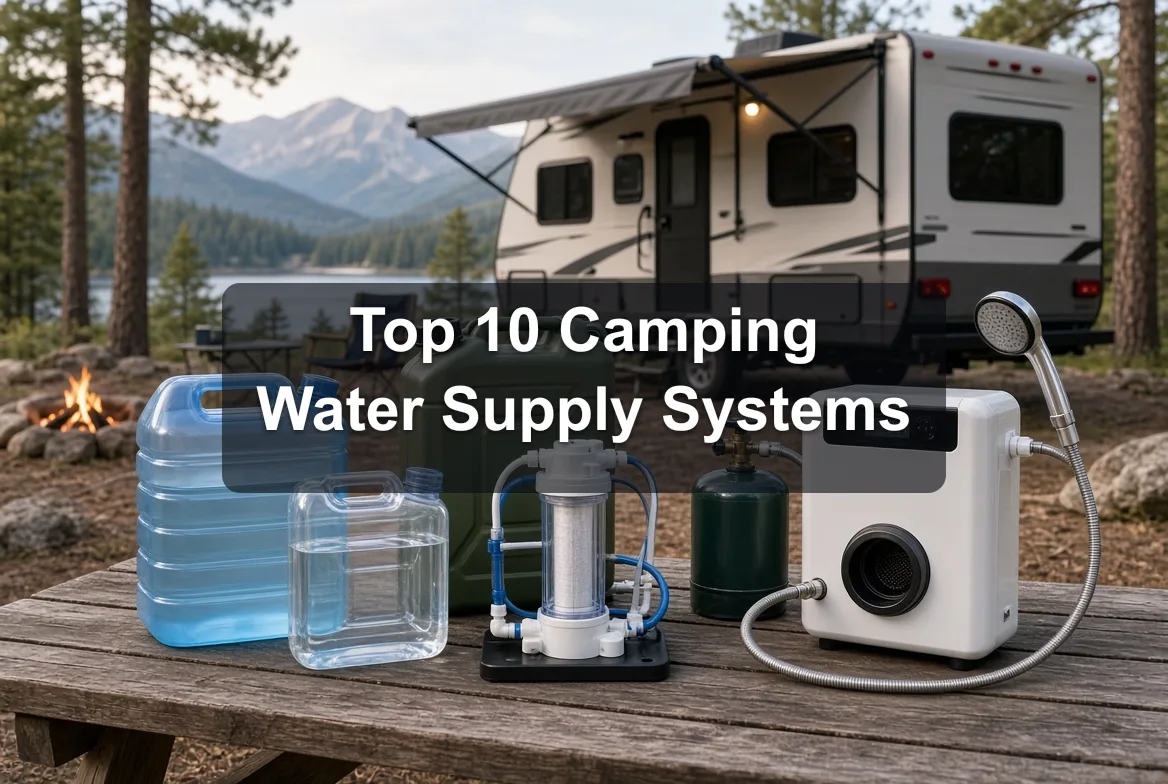
Ten brands benchmarked across purification, storage, pump-fed delivery, RV filtration and heater loops — with the integration limits that decide whether a camping water supply ships or fails.

Open rates, CTR, reply rates and RFQ conversion benchmarks built from 24 months of first-party OEM and dealer-network telemetry — plus the segmentation SOP that keeps them honest.
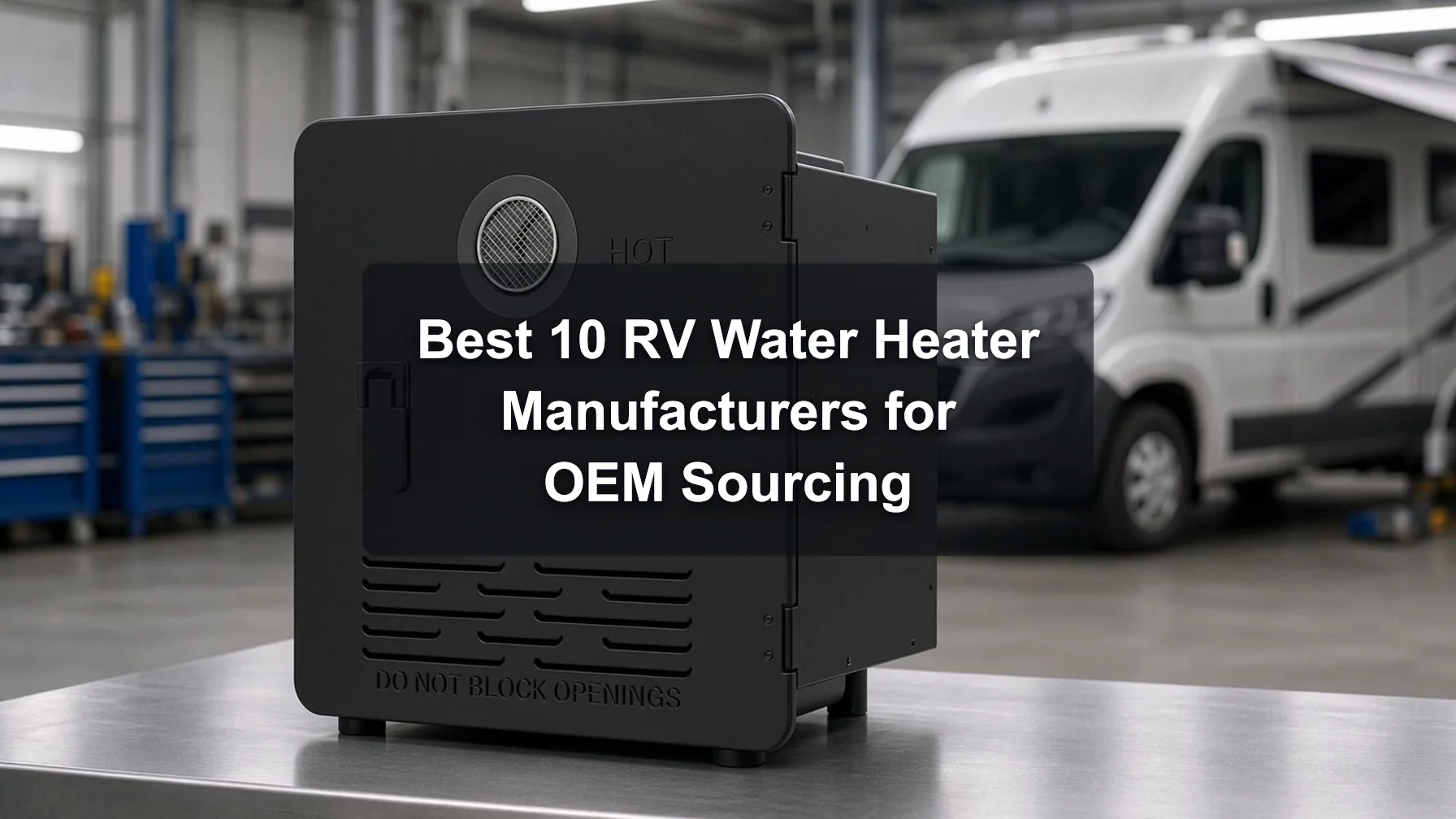
Ten RV water heater manufacturers screened for OEM fit, certification visibility, serviceability and supply stability, with the platform each one actually builds.
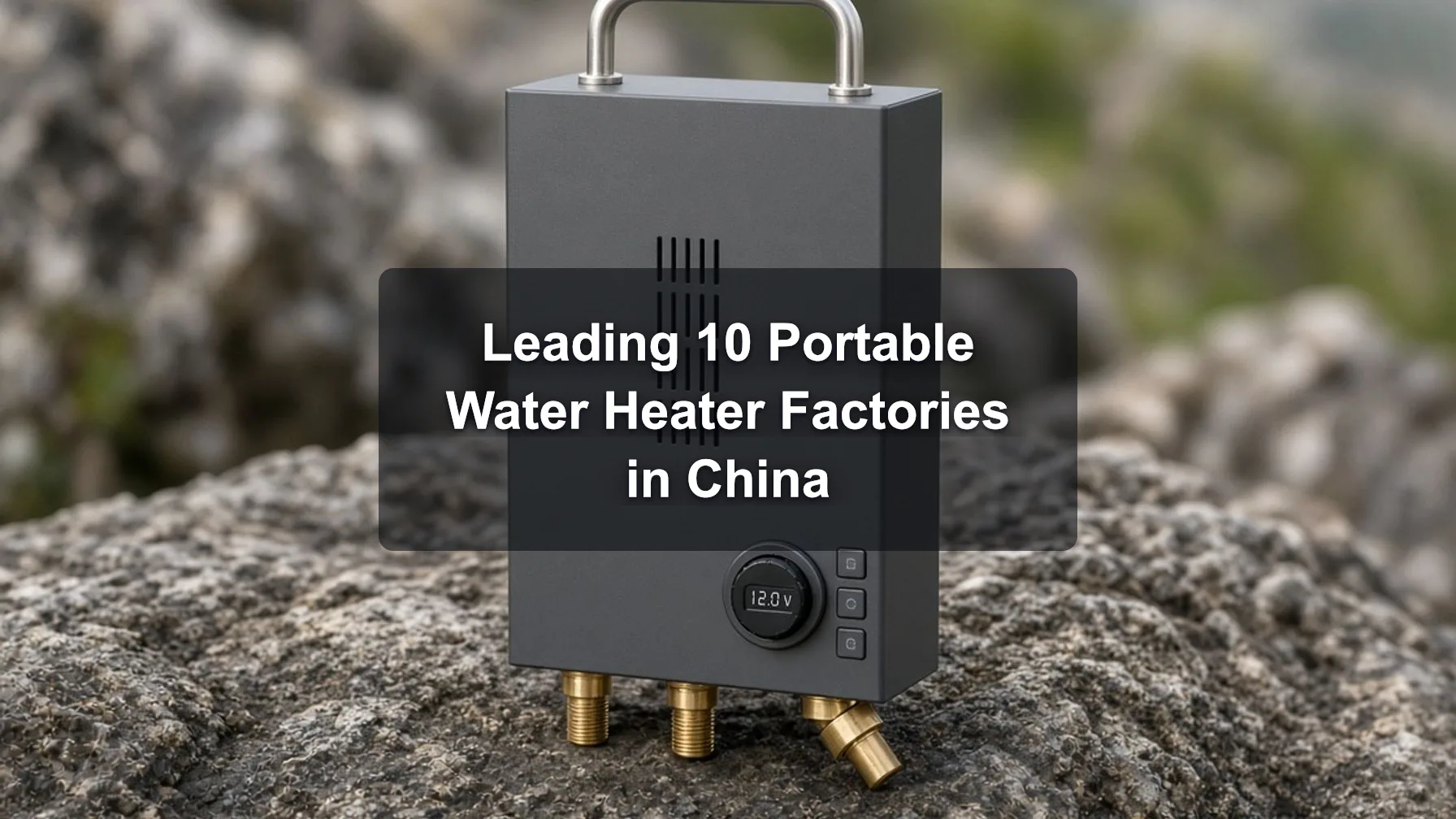
A sourcing shortlist of ten China-based portable water heater factories, separated by gas versus electric platform, with the certificate evidence to demand before a purchase order.
A sourcing comparison of portable electric water heater manufacturers ranked for RV, point-of-use, commercial and off-grid briefs, with the electrical architecture each one demands.
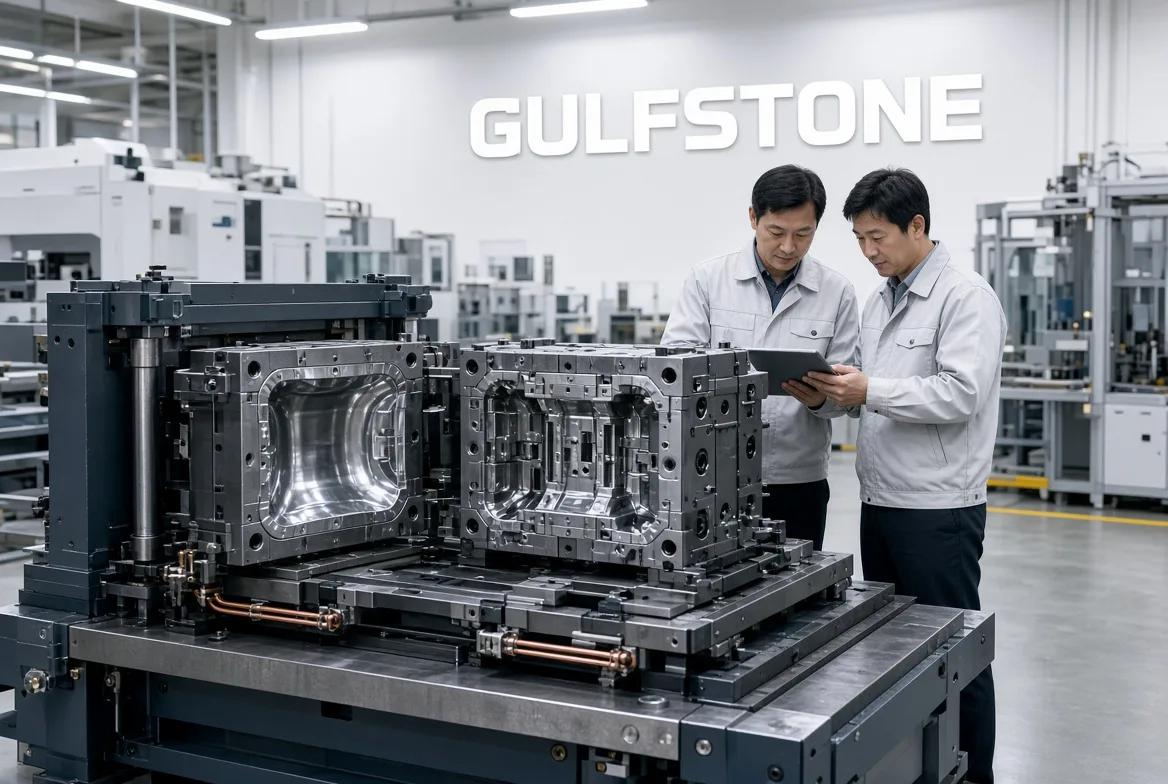
Injection mold tooling cost is CapEx for the cavity, core, cooling, ejection and actions — not a single price. Here is how RV and outdoor programs price, amortize and maintain a tool.
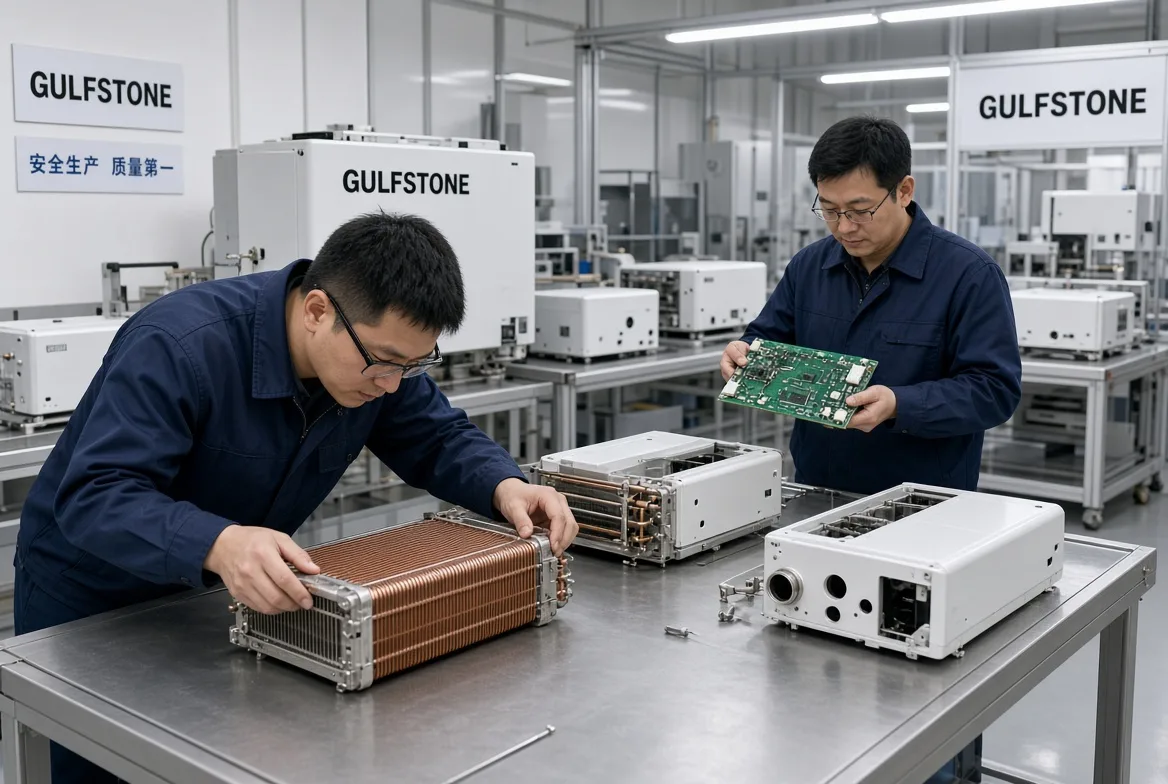
A bill of materials for a water heater is a manufacturing control document, not a price sheet. This guide walks the module breakout of an RV tankless unit, the 12V ignition chain, the QC gates behind approval, and the part lines to lock first.
A four-step SOP for verifying Section 301 exposure on Chinese RV water heaters and parts: split the item, pair the Chapter 99 heading, build the duty stack, and assemble the entry packet.
A three-step classification workflow for gas water heaters: confirm 8419.11 scope, screen Section 301, MPF and HMF, then build a landed-cost sheet your customs broker can file without questions.
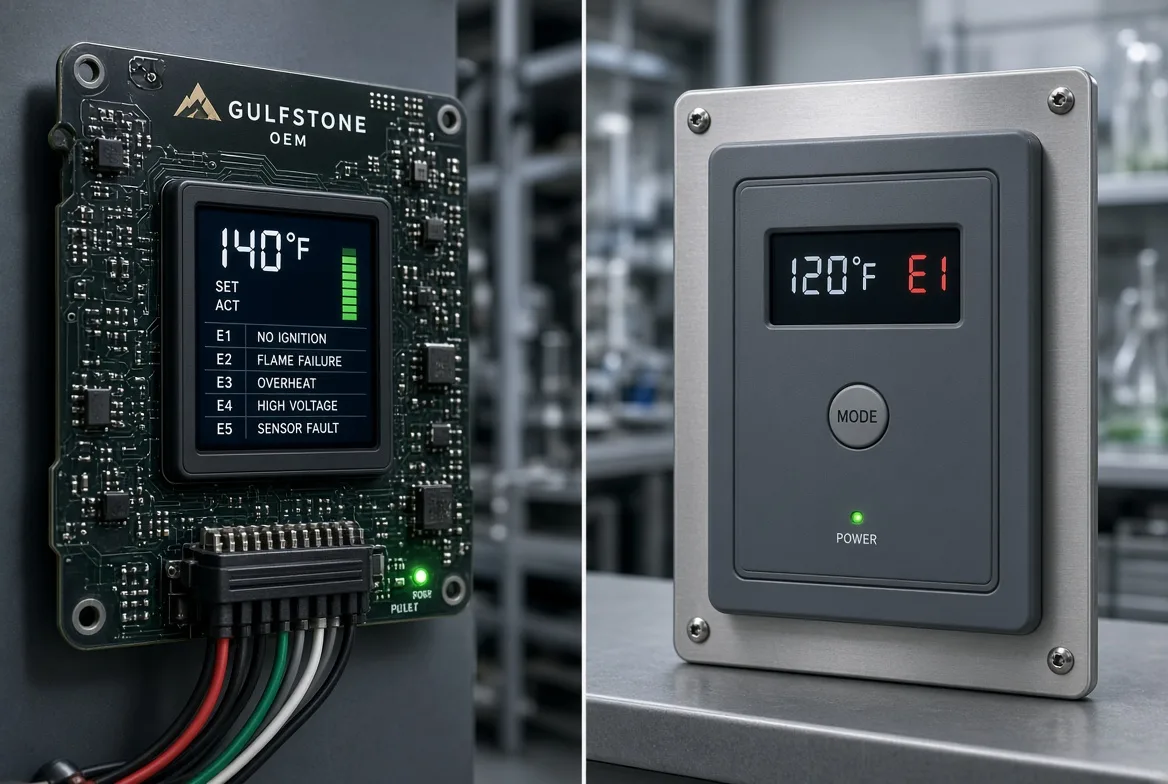
Gulfstone OEM digital controller against brand replacement panels for RV water heaters: wiring, fault codes, PCB hardening, flow behavior and fleet risk.
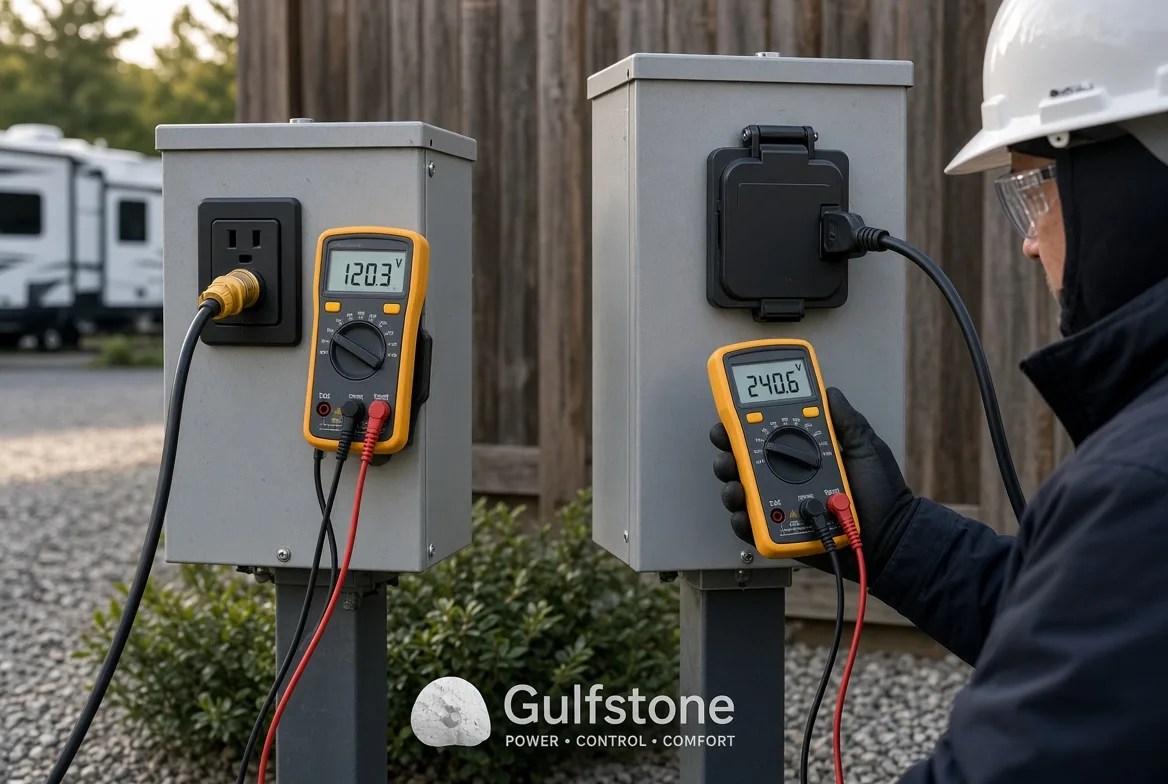
A load-based diagnostic SOP for RV shore power: split 30A from 50A, test under load with true-RMS, scope the waveform, then match the protection stack to the fault you measured.
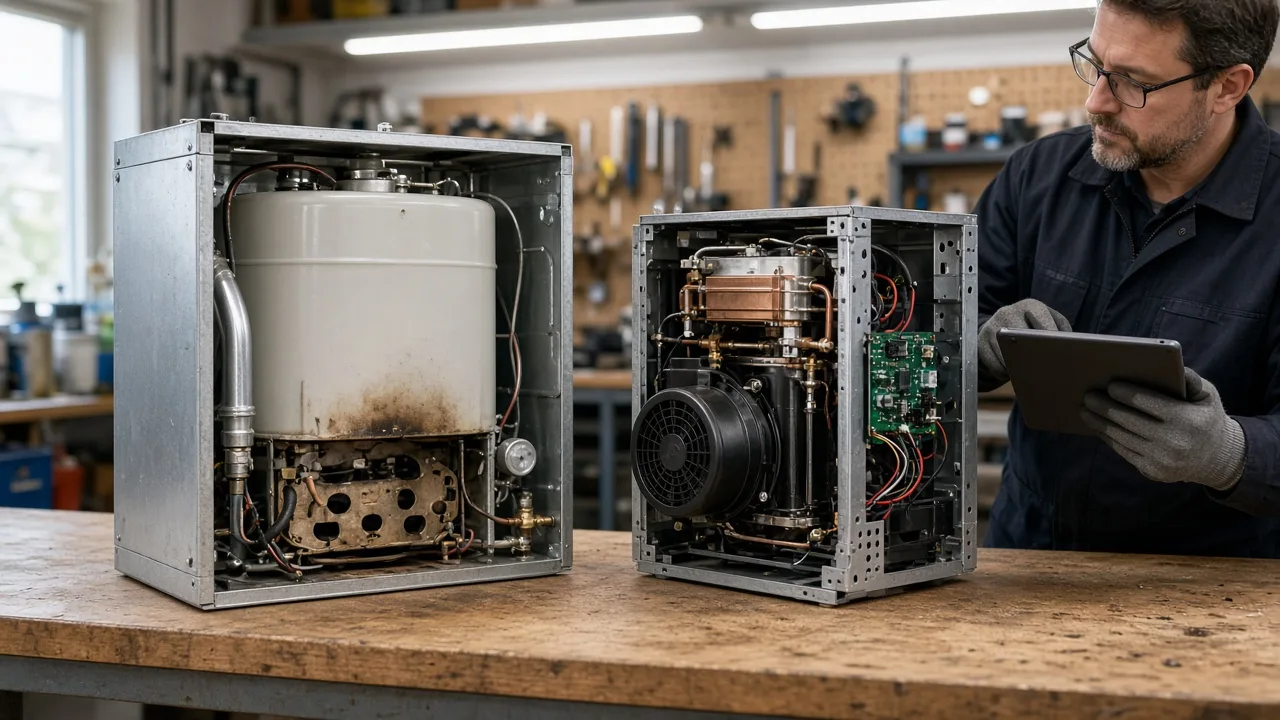
An engineering-led review of high altitude RV water heaters for OEM buyers: manual ceilings, derating math, adjustment paths, validation evidence and the field limits above 4,500 feet.
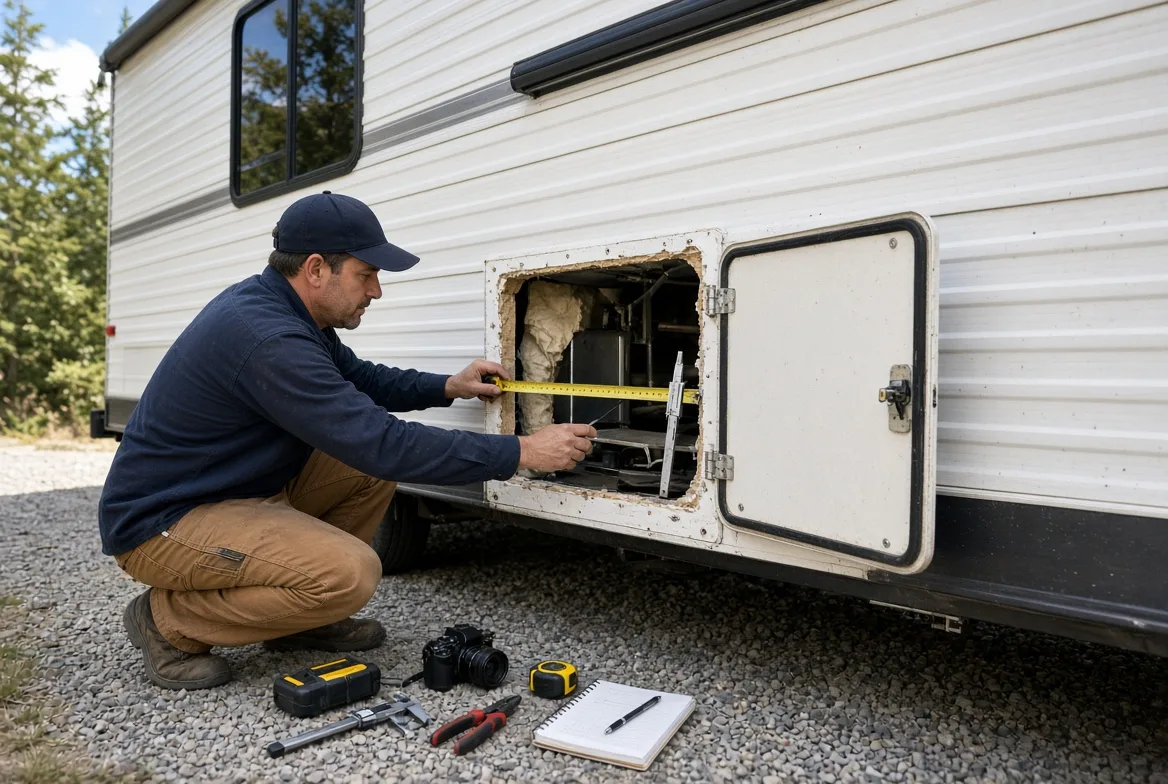
How to run an Atwood 10-gallon replacement as a measured retrofit: label checks, the rough opening, the Dometic door kit, cross-brand fitment, dry-fit checks and pressure-test commissioning.
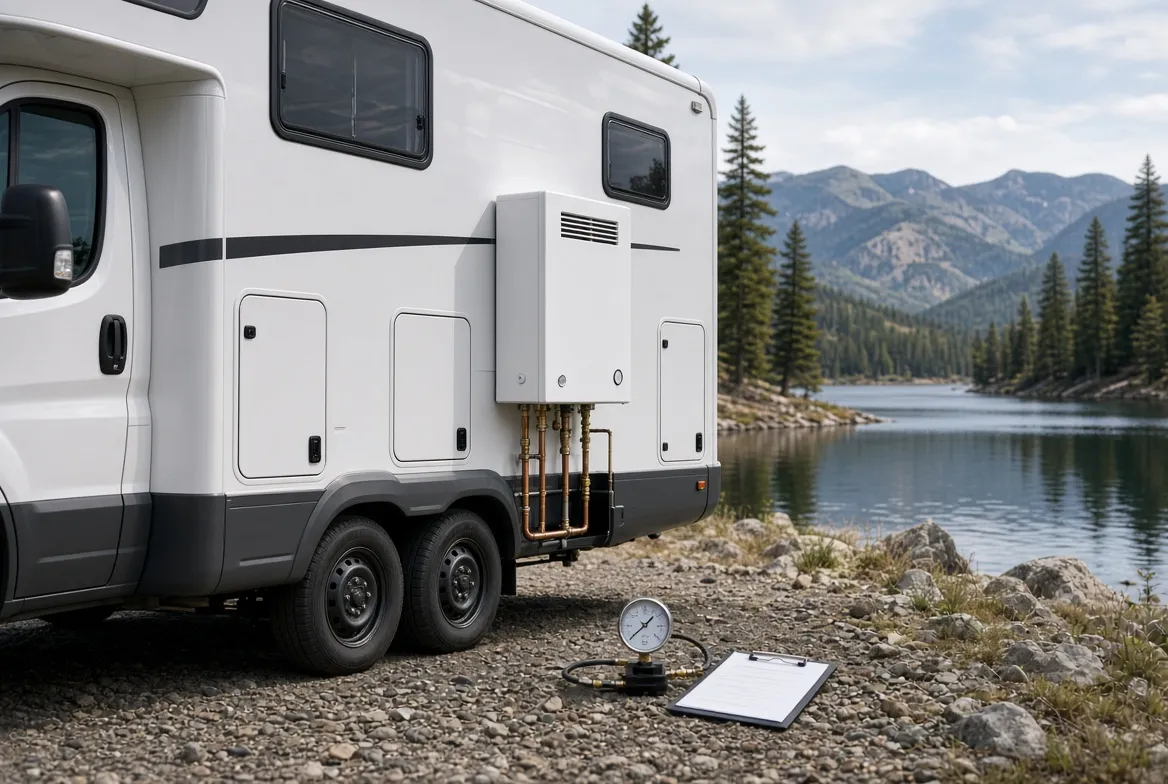
What NFPA 1192 covers, how RVIA-style certification turns the code into a factory inspection program, where water heater installations fail, and what paperwork to demand before you approve a partner.
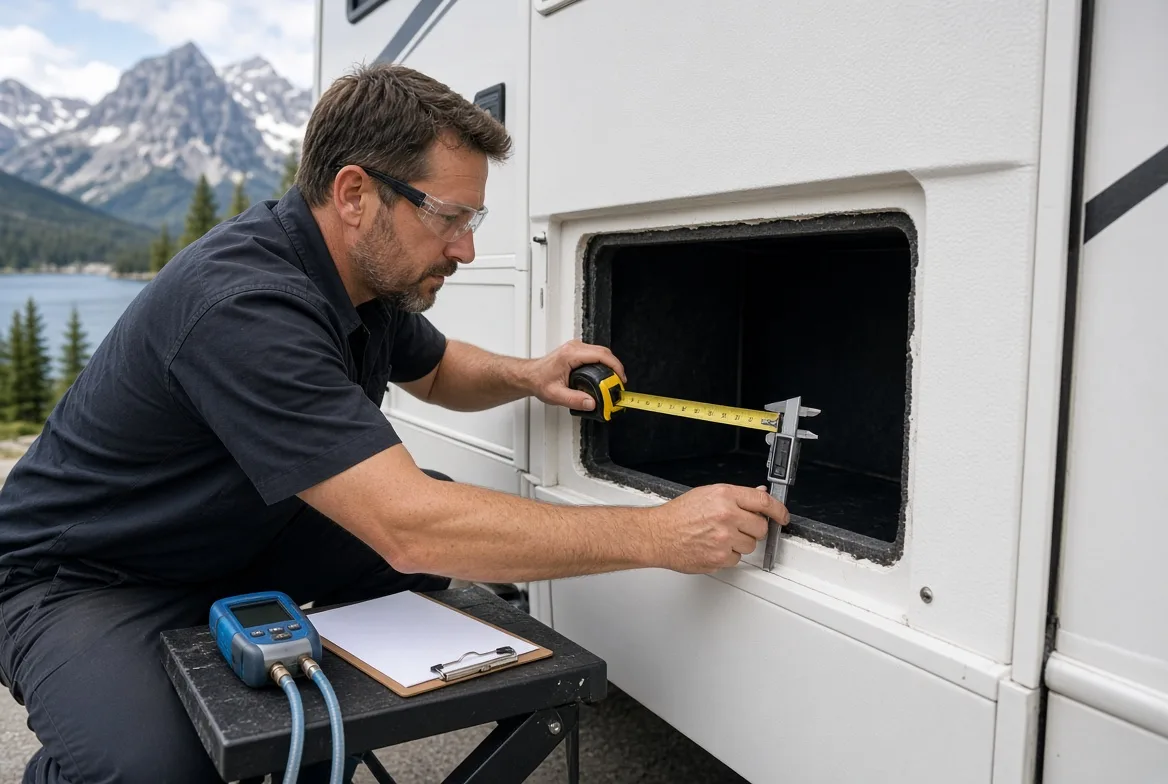
How to plan a Suburban SW6D replacement as a measured like-for-like swap: rough-opening measurements, the SW6DE dual-fuel branch, tankless conversion, teardown records, sealing, and the commissioning sequence.
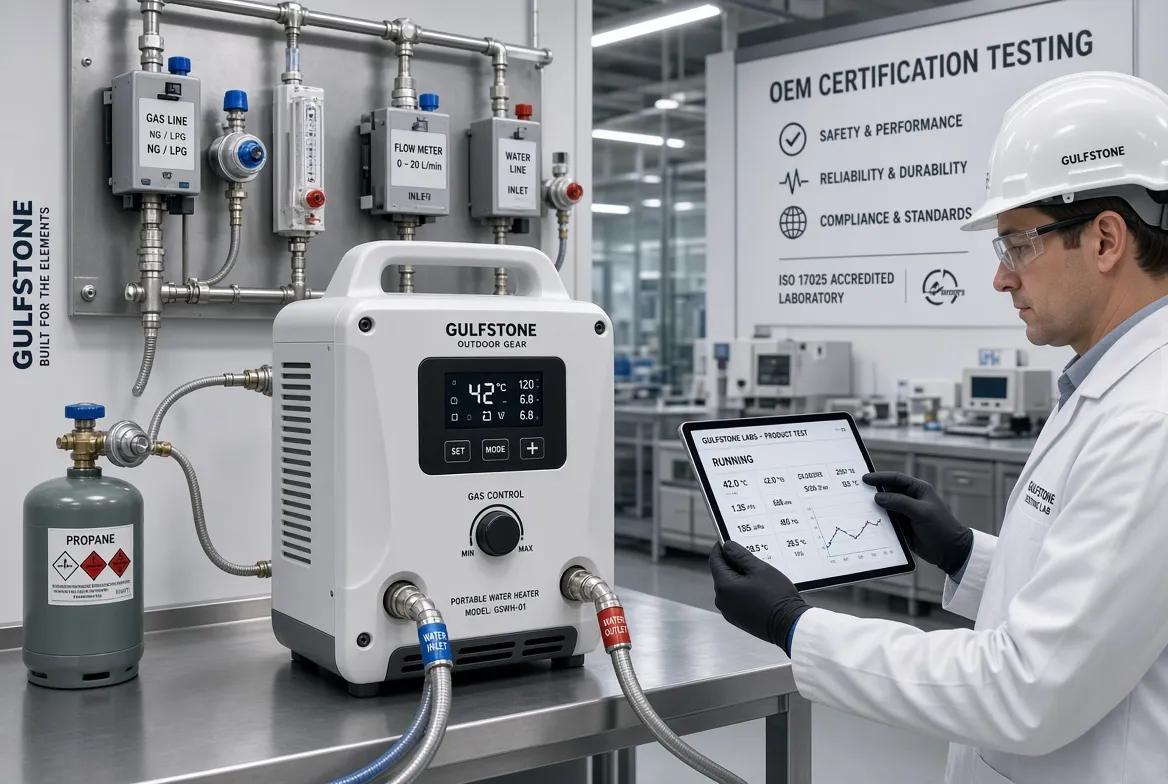
What ANSI Z21.10.3 / CSA 4.3 covers for commercial gas water heaters, where DOE, Low-NOx and ASME obligations sit alongside it, and the pre-certification SOP that runs before CSA or ETL submission.

Industrial buyers shortlist suppliers before they send an RFQ. This guide reads social media metrics as procurement behavior, not reach — and shows which numbers justify a budget line.
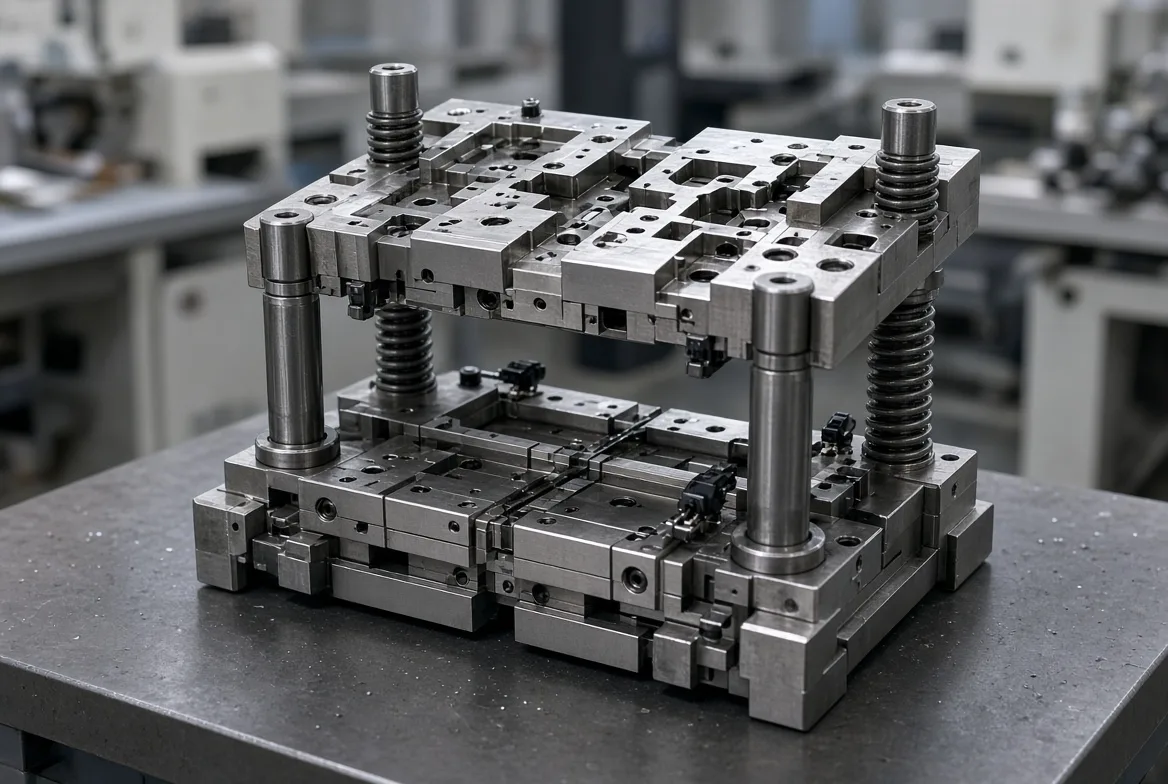
Sheet metal stamping tooling costs and lead times vary with station count, part size, material and volume. Compare die types, tryout loops and the terms that protect your tool.
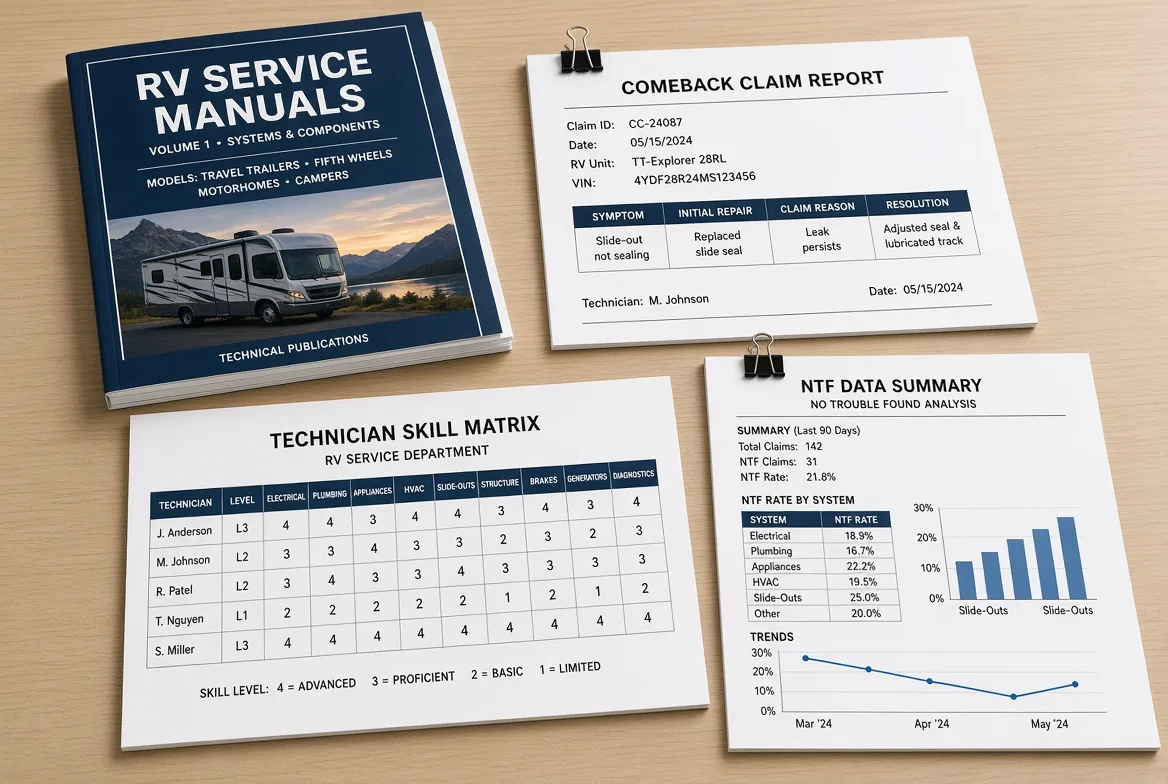
Build effective RV technician training material focused on fault isolation. Learn how to cut misdiagnosed returns and build hands-on diagnostic modules.
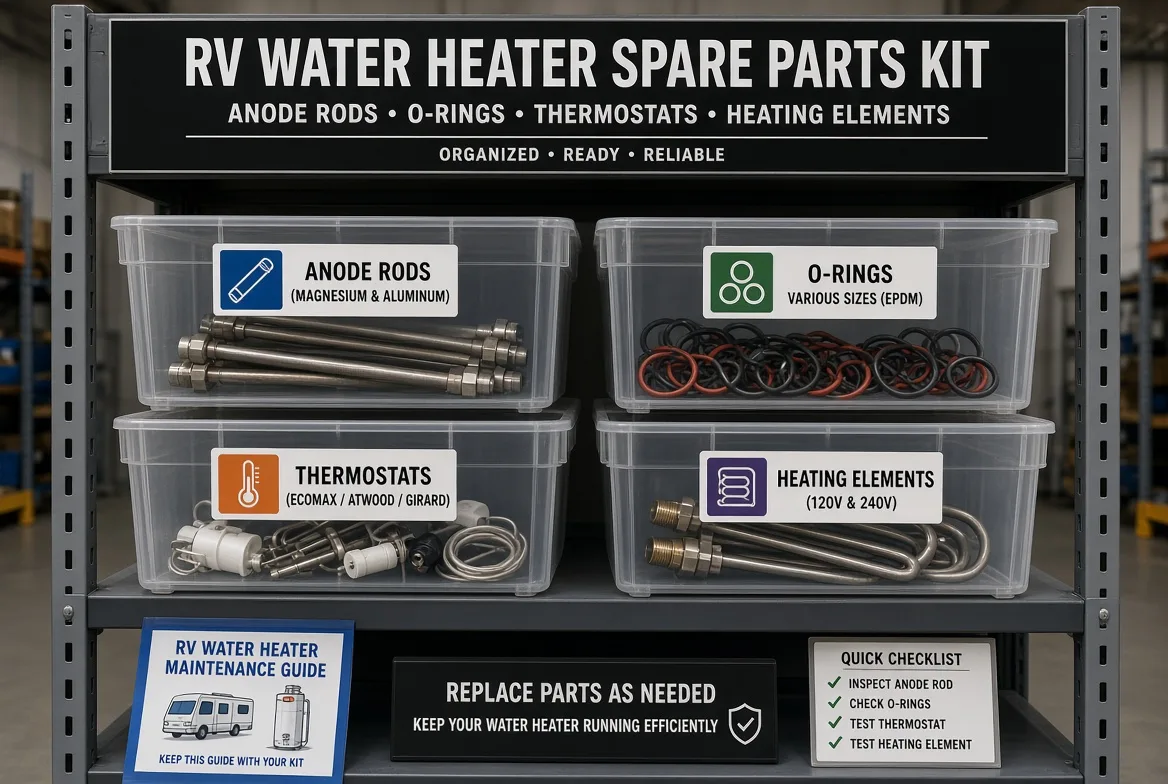
Build a lean, high-coverage RV water heater spare parts kit using failure data and cross-reference matrices. Learn how to optimize fleet inventory today.
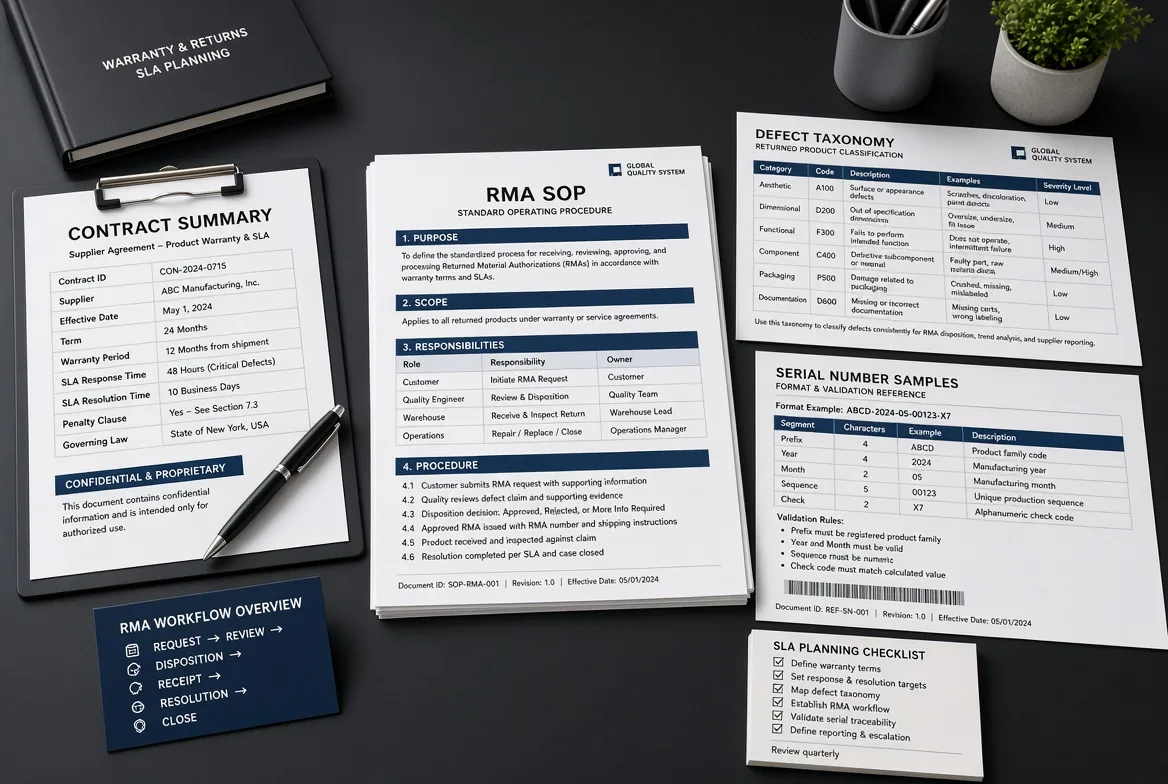
Build a warranty SLA for imported appliances: a local remedy ladder, scrap-in-field intake, bilingual contract clauses and monthly claim governance to hold suppliers accountable.
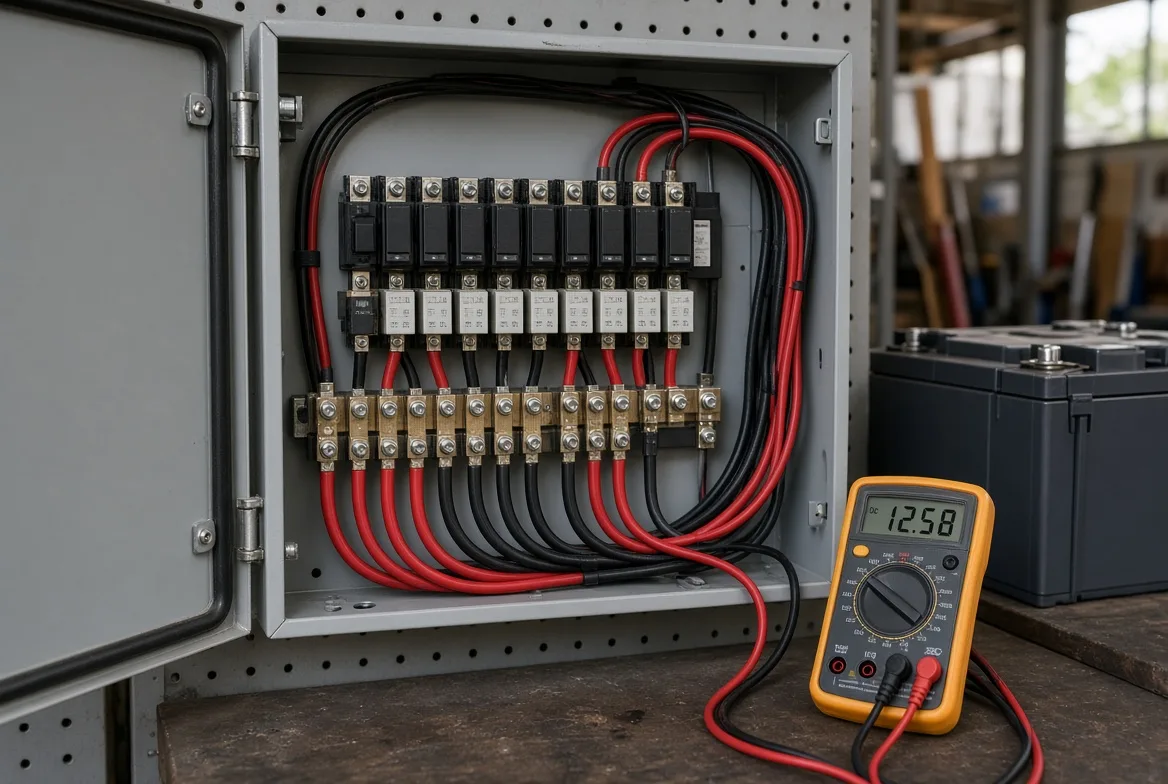
Learn native DC RV appliance design, load mapping, wiring rules & compliance. Avoid voltage sag and procurement traps for your OEM RV electrical build.
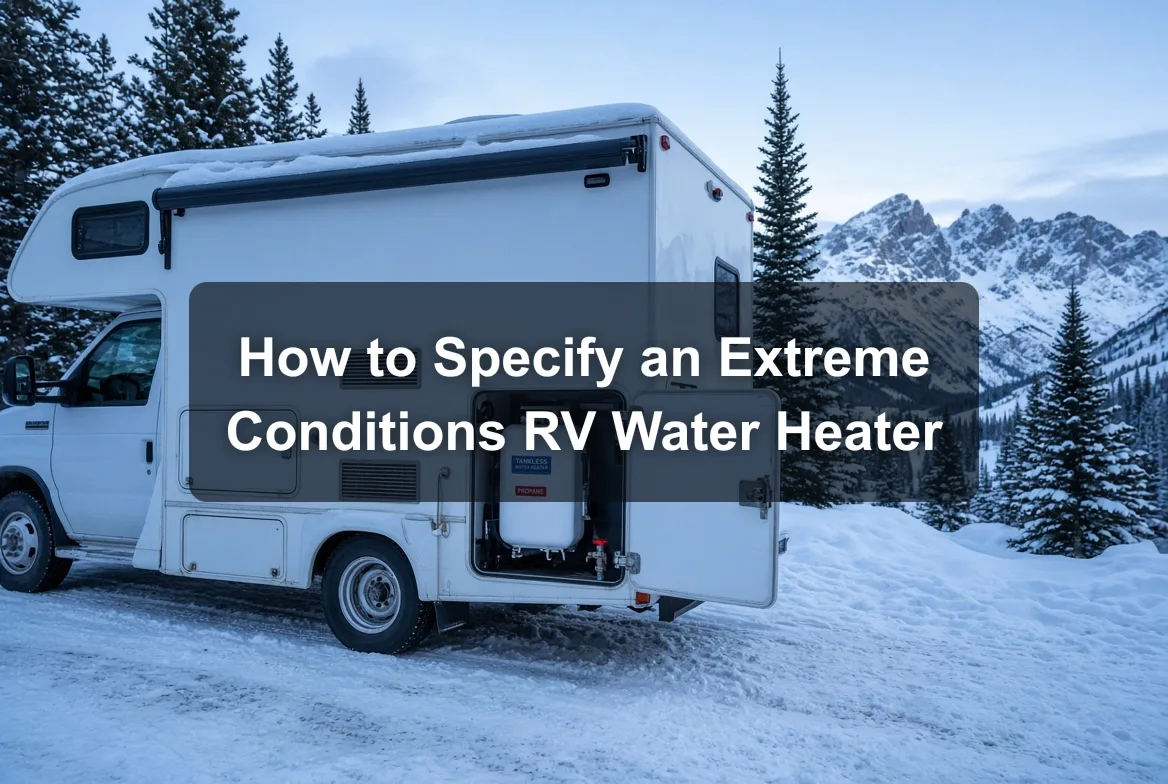
Learn how to specify & validate extreme-conditions RV water heaters for high-altitude & sub-zero use. Avoid freeze failures, bad combustion, and field warranty issues.
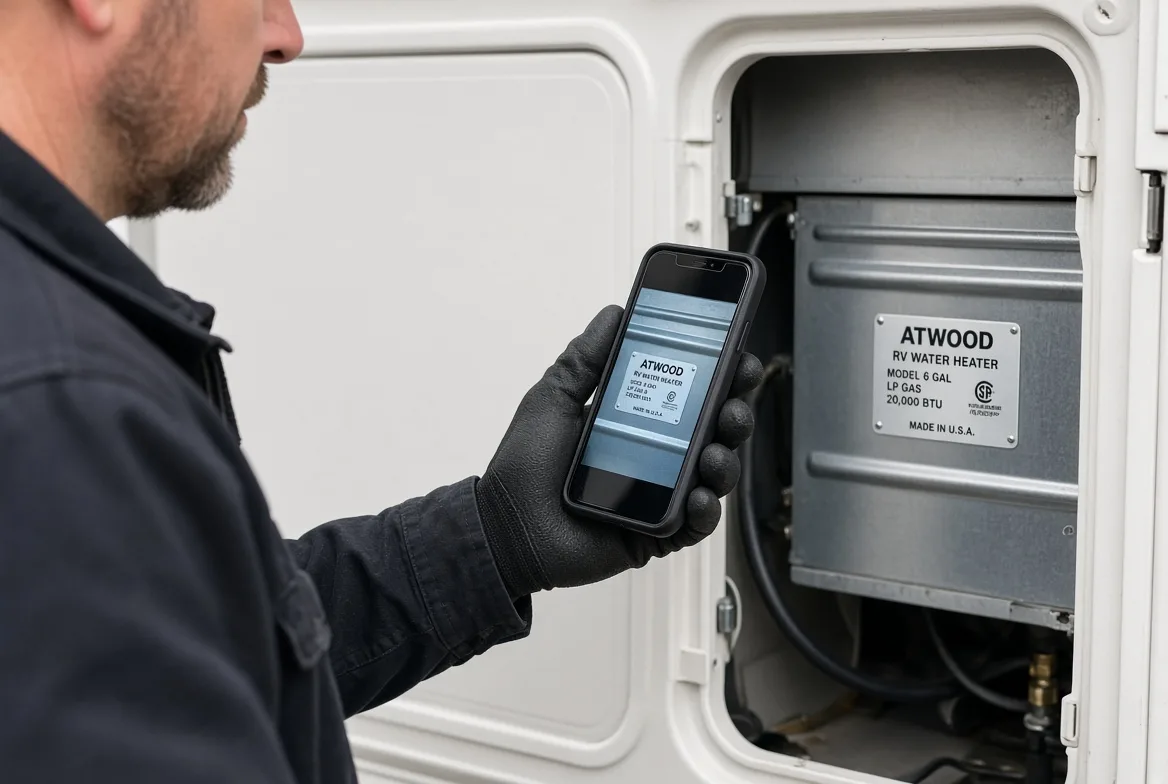
Master RV water heater cutout measurement, direct-fit checks and tankless retrofit framing. Prevent leaks and warranty rework for Suburban, Dometic & Girard heaters.
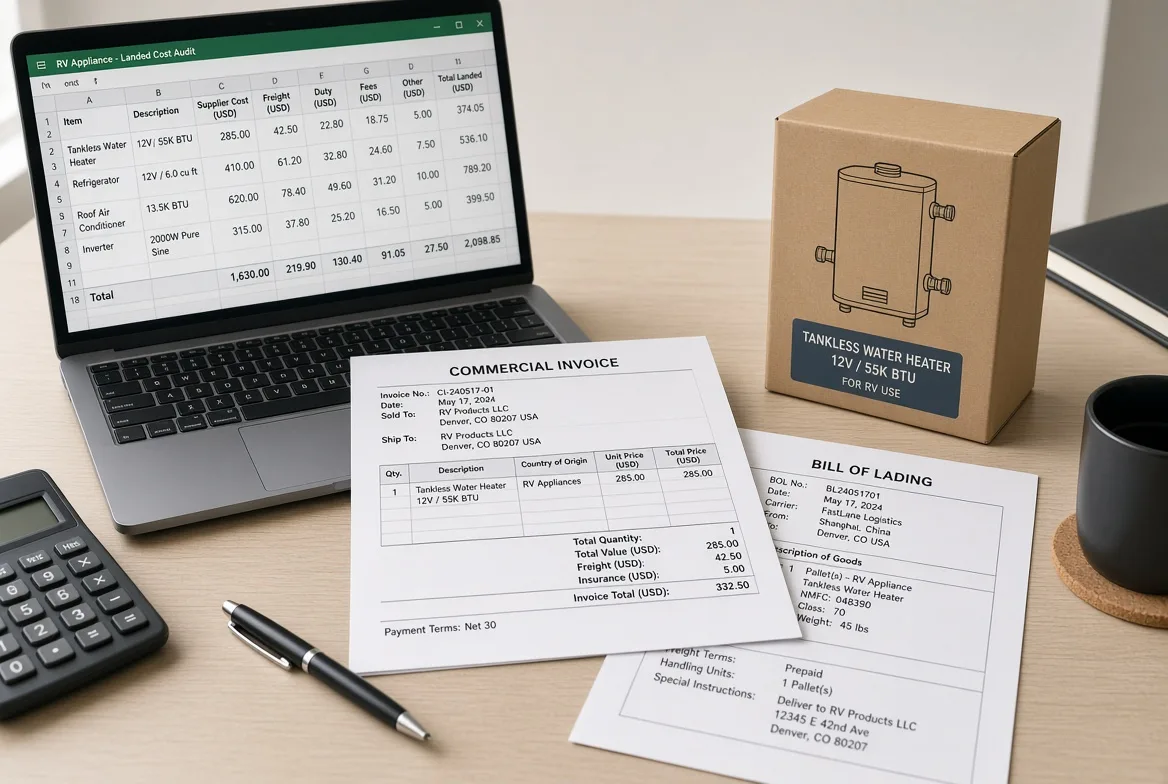
Learn how to build a CFO-grade landed cost RV appliances model with our 6-step audit SOP. Uncover hidden import fees, tariffs, and margin risks.
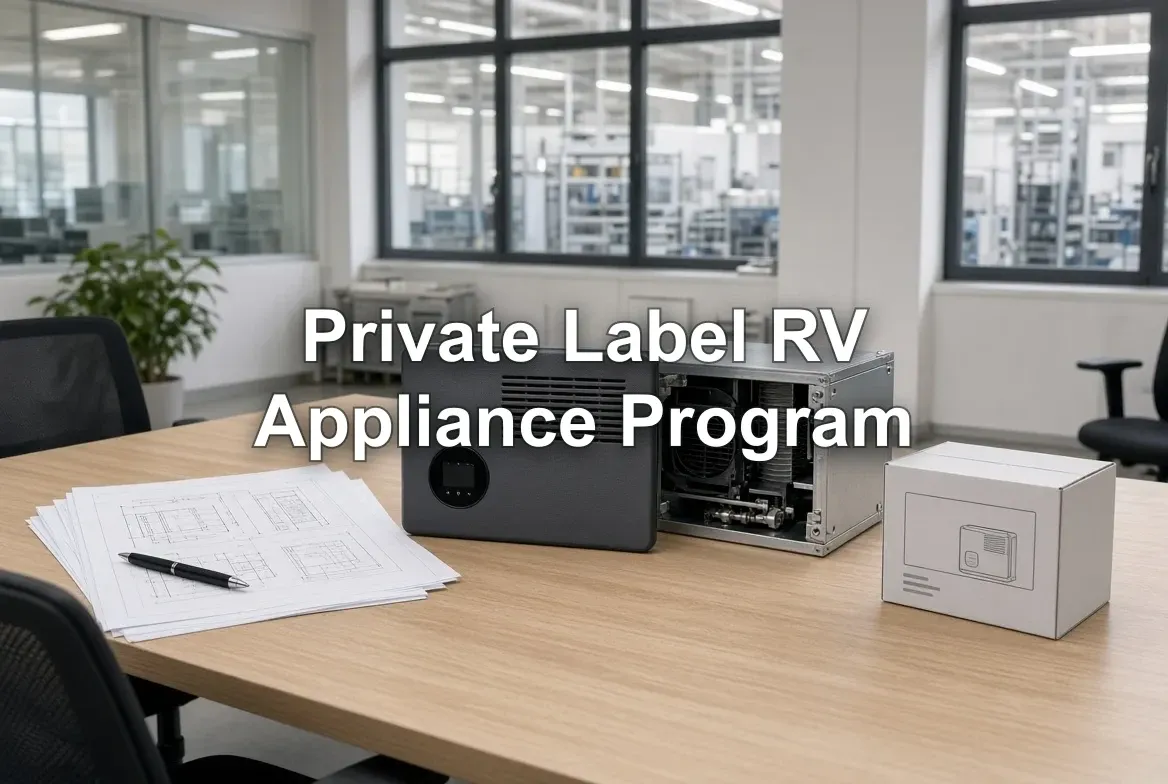
Learn how to launch a private label RV appliances program with our 6-stage SOP. Boost margins up to 46% while managing tooling, compliance, and packaging.
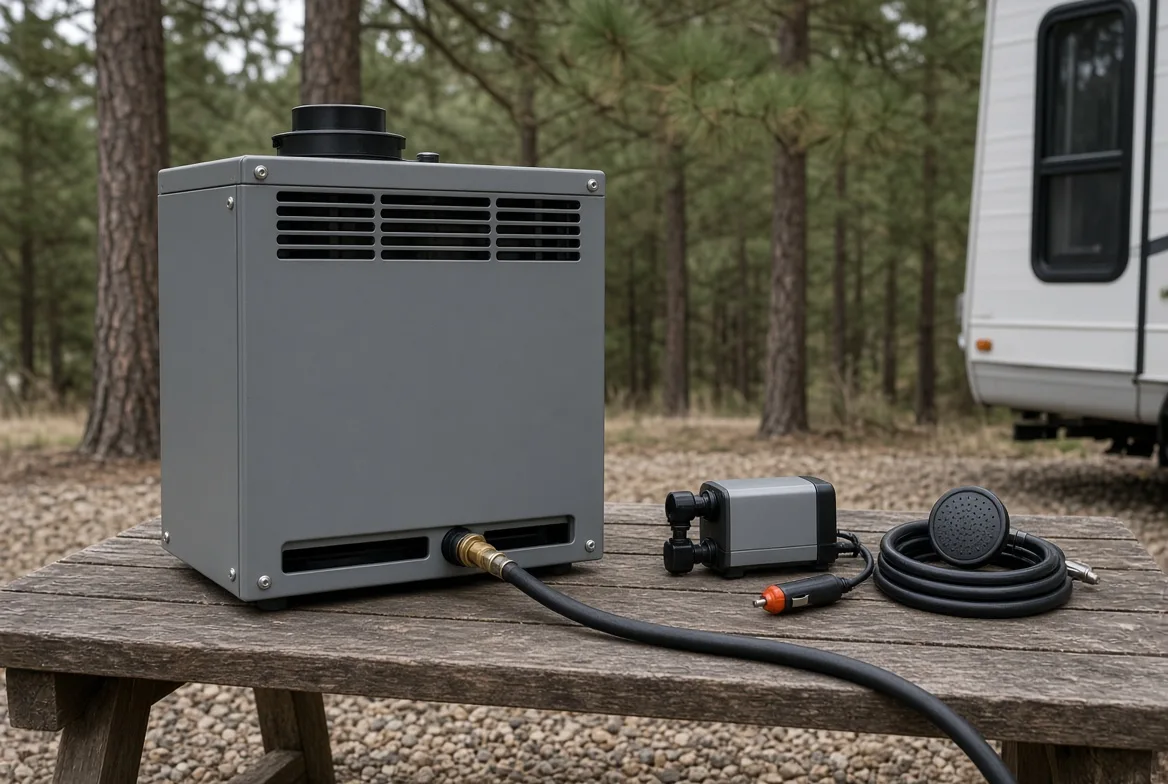
Evaluate an outdoor water heater manufacturer using compliance proof, FAT SOPs, and defect metrics. Learn how to source reliable OEM units today.
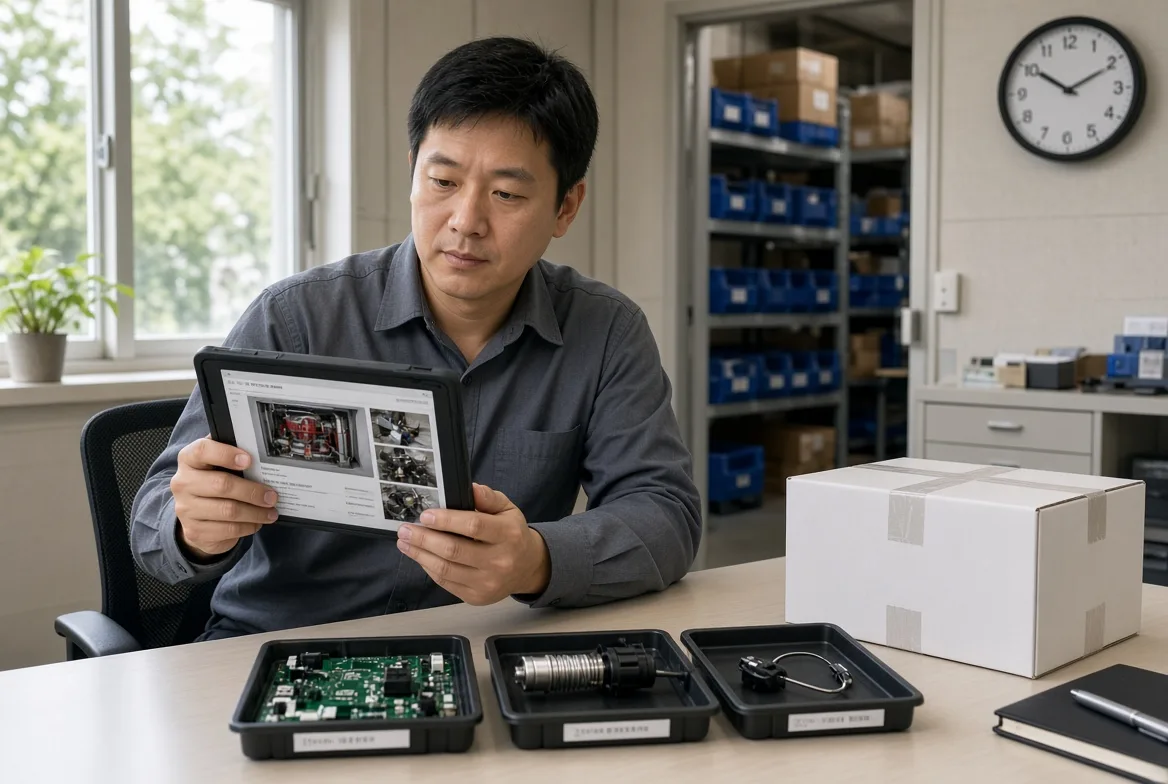
Build your 48-hour RV appliance aftermarket service workflow. Follow our 5-step SOP for OEM-grade parts triage, shipment, and audit-ready warranty claims to reduce short-pays and repeat visits.
RV water heater certifications for OEM teams: NFPA 1192, ANSI Z21.10.3, UL 174 and the RVIA program, plus the launch sequence that avoids costly retests.
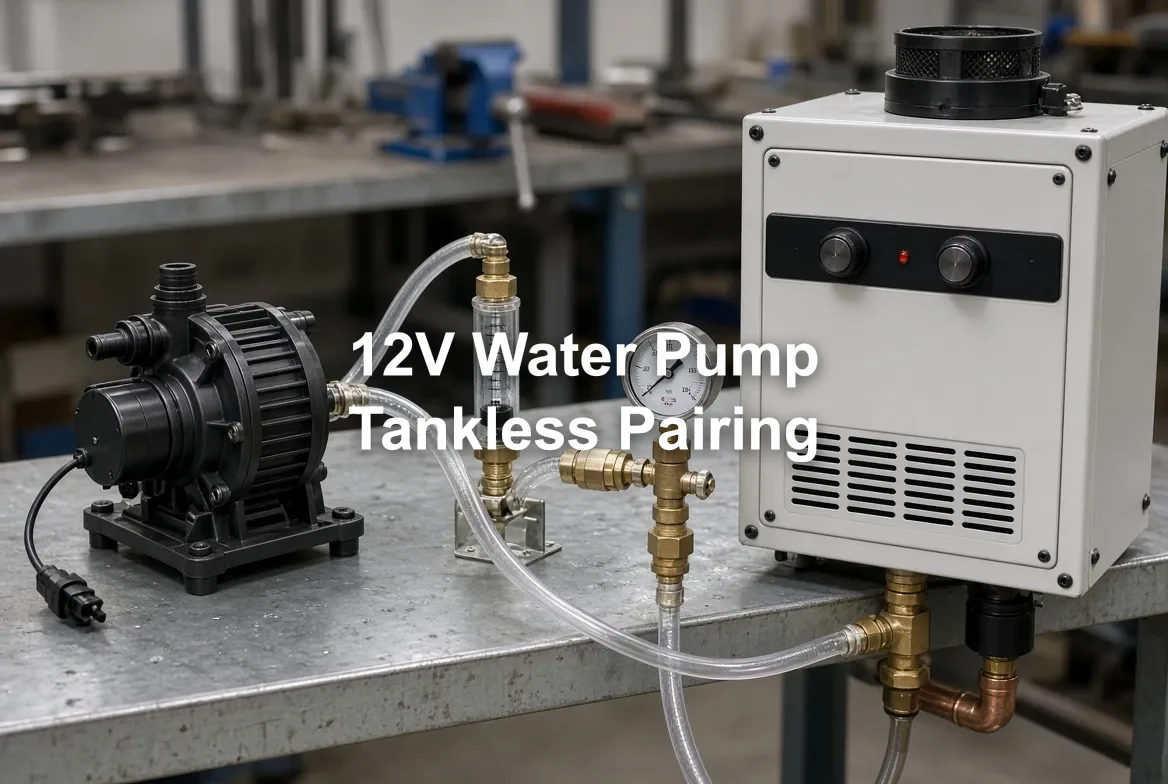
Match a 12V pump to a tankless heater on delivered flow and dynamic pressure at the heater inlet, not open-flow GPM — the hydraulic matching SOP, short-cycling root causes and the sizing workflow that keep an RV product line in spec.
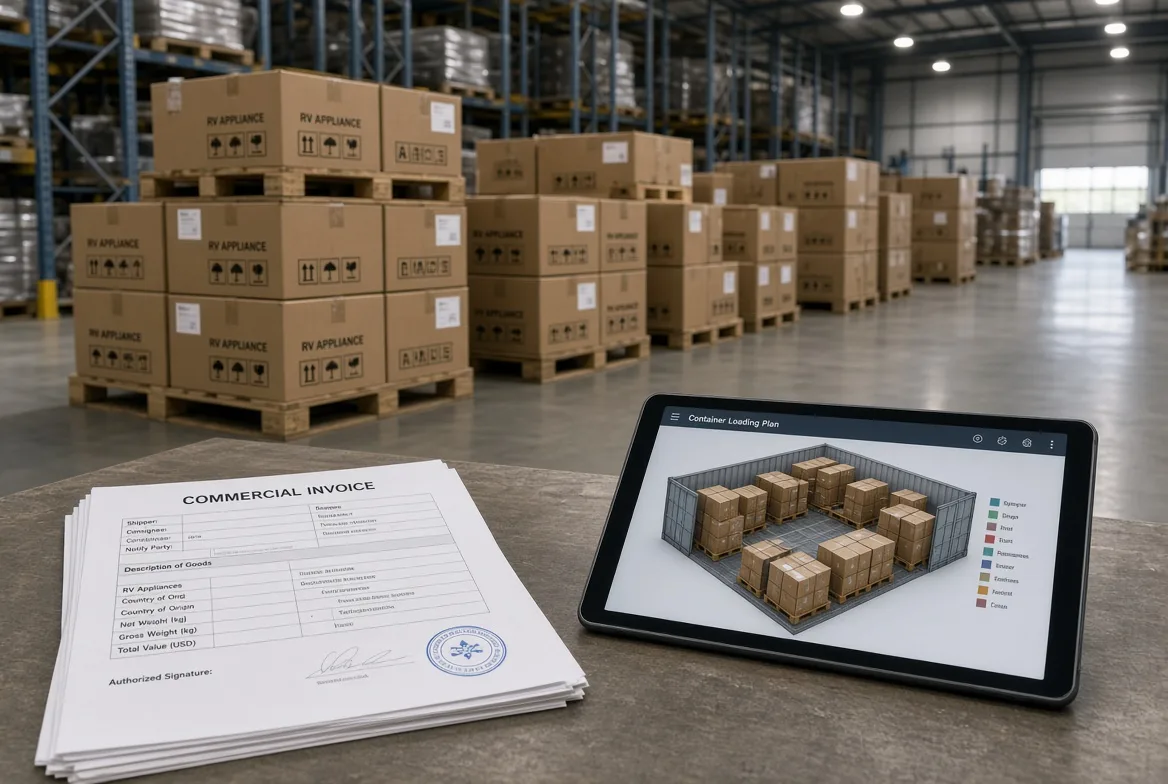
Build a scalable import logistics SOP for RV appliances. Cover SKU classification, customs clearance, packaging validation and receiving to avoid costly US port holds.
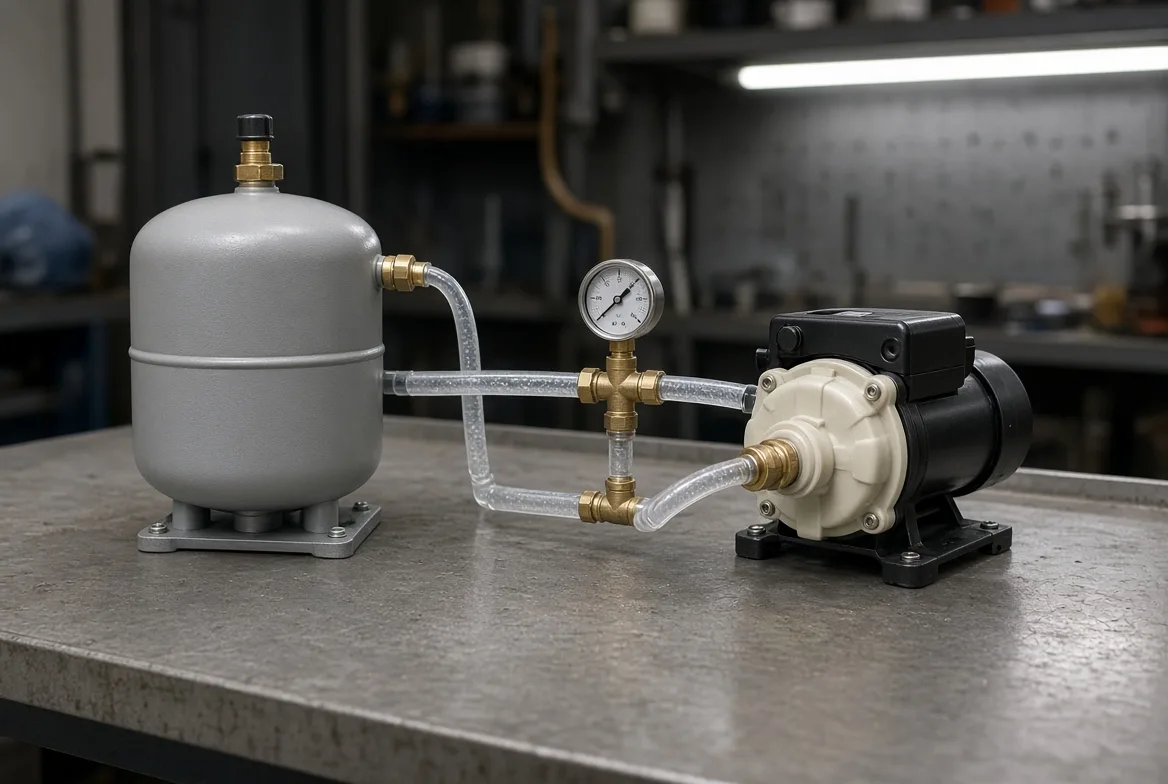
Learn RV water accumulator tank working principles, pre-charge setup and sizing math — and how the buffer stops 12V pump short-cycling in an OEM build.
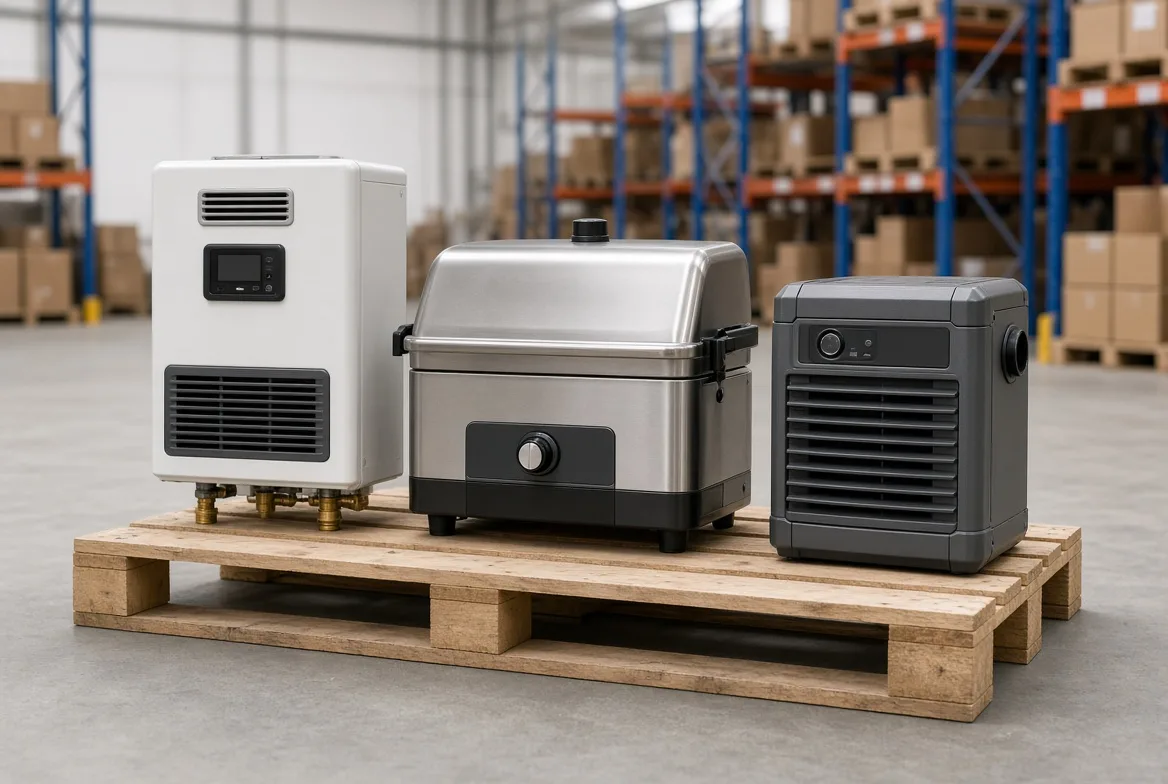
RV appliance procurement bundling groups water heaters, grills and heating systems under one negotiated supply ecosystem — where it protects gross margin, where it fails, and the ten gate checks that keep it working.

Walk the RV water heater manufacturing process stage by stage — the freeze gate, progressive stamping, tank rolling, welding, vacuum brazing, the SMT control line and the 100% final test — from a Foshan plant floor.

Hidden subcontracting puts OEM gas programs at risk when safety-critical sub-assemblies move off-site. How unannounced audits and capacity math expose it.
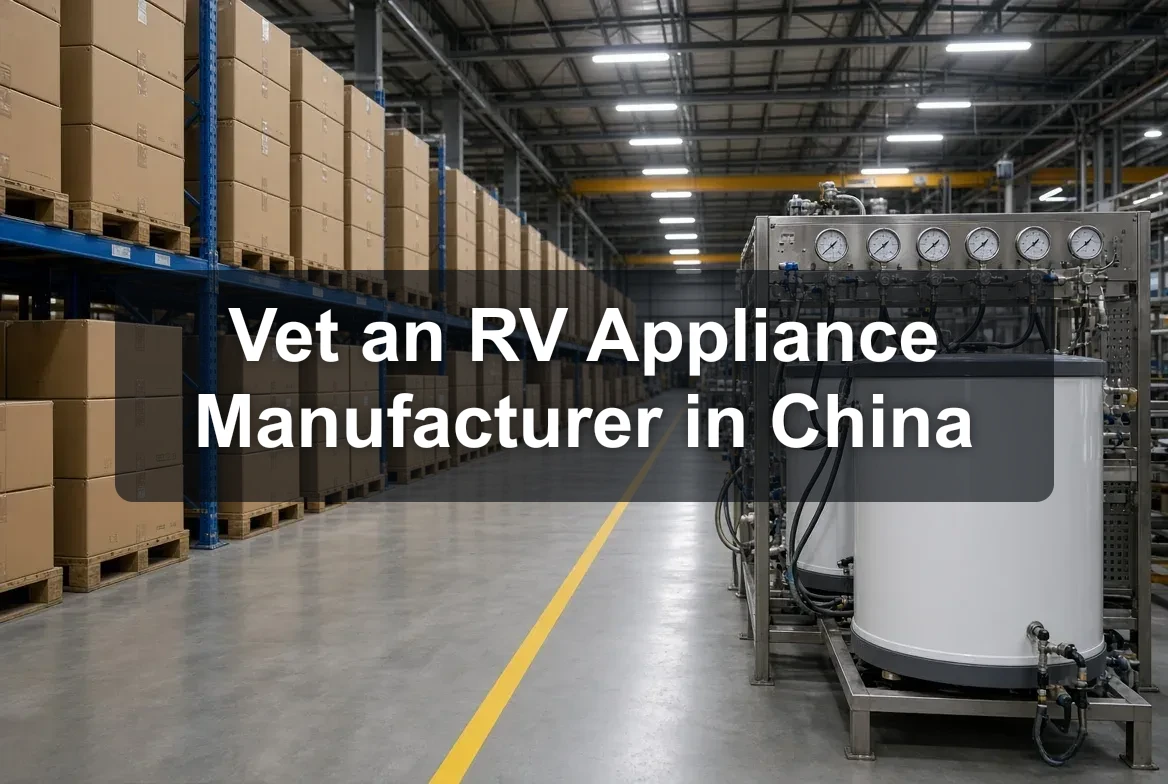
Vet an RV appliance manufacturer in China with a five-gate audit: entity checks, the document chain, floor controls and a witnessed end-of-line safety test.

Audit an OEM gas appliance testing laboratory before you approve production: the five-step pre-submission SOP, the calibration traps, and the standard each market runs on.

Enhance system efficiency with an OFHC copper heat exchanger designed for high conductivity, precise fabrication and dependable joints. Explore practical design factors.
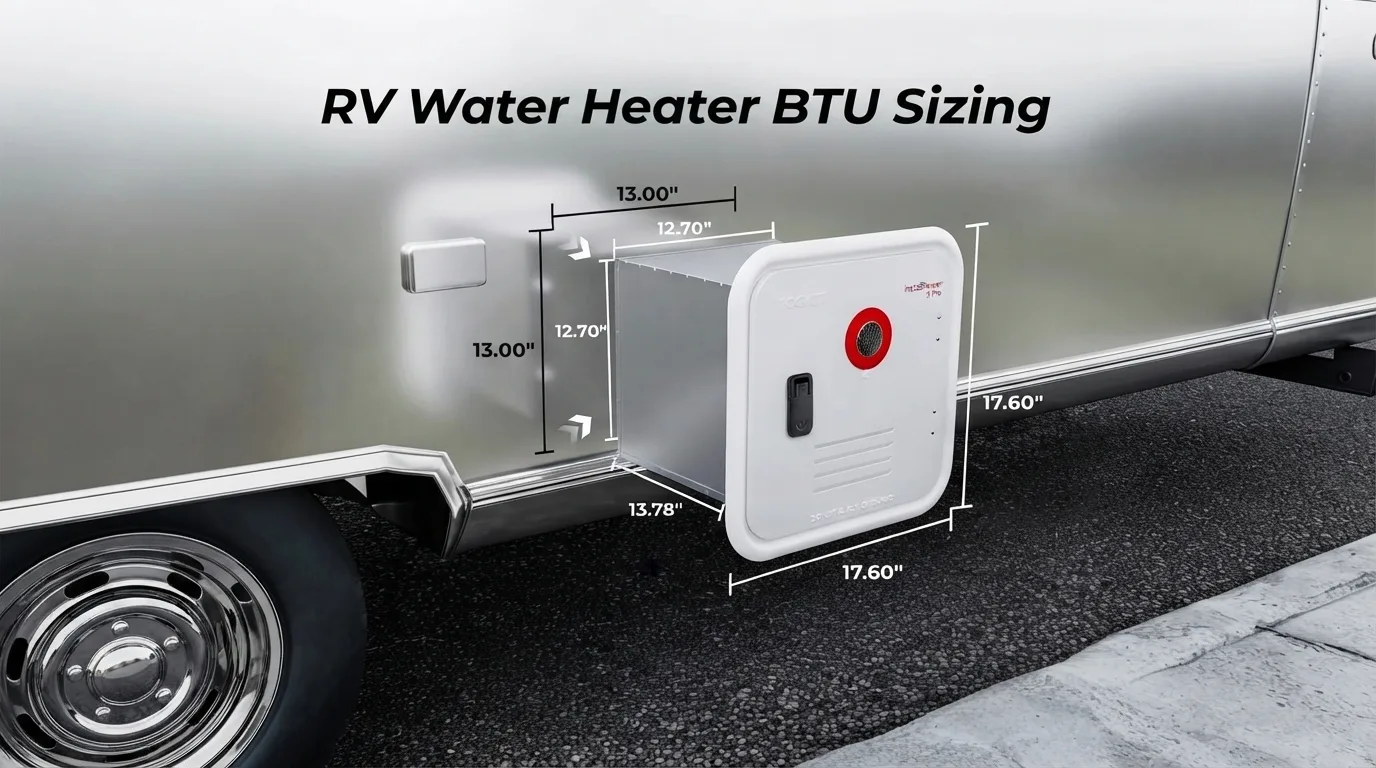
Choose the right RV water heater BTU rating by reviewing flow, temperature rise and propane capacity. Improve system fit and reduce avoidable service issues.
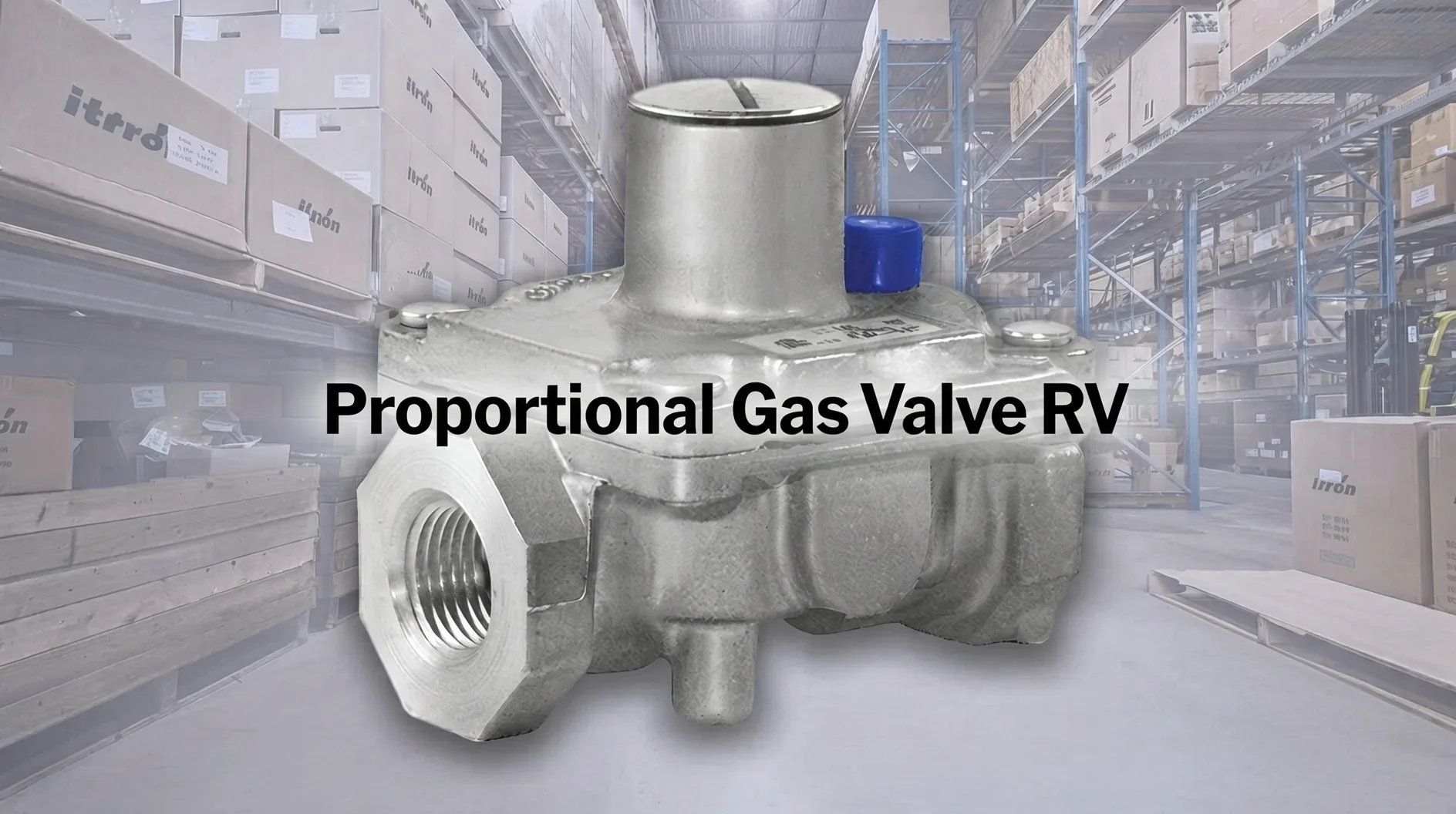
Improve RV water heater control with a proportional gas valve that adjusts fuel flow for stable temperatures and efficient output. Explore key benefits and design factors.
Durable RV water heater raw materials resist heat and corrosion. Compare tank metals and core parts to extend service life, limit repairs and protect performance.
Compare tankless and storage tank RV systems to reduce service concerns, improve performance and support confident product decisions. Explore the essential tradeoffs.
Explore the best RV Water Heater Engineering rules to raise quality. Our expert design tips ensure durability and efficiency for superior manufacturing success.
All postsManufacturing
Co-founder & General Manager
No other posts yet.
Co-founder & General Manager.
All postsManufacturing
Co-founder & General Manager
No other posts yet.
Co-founder & General Manager.
Author
Co-founder & General Manager, Gulfstone
Most of what decides a gas appliance is settled before anything is built — on the drawing, at the cut-out, in the tolerance someone chose for the gas path. I have spent my working life on the manufacturing side of that decision, and this is where I write down what it has taught me.
Nothing here is written from a sales desk. Every note comes off the floor: a batch held until a reason was found, a fitting that failed in transit, an approval path that only made sense once the destination market was fixed. If you read these first, the opening conversation starts at the standard rather than at the beginning.
Areas of expertise
The parts of a program I am usually the one to sit in on with a buyer, and what each one changes downstream.
Reading a drawing for what will actually be hard to make — the cut-out, the gas path, the tolerance stack — before the tooling is cut rather than after.
Which approval a destination market requires is a decision to make before the build is fixed, not after: the answer reshapes the gas path, the labelling and the file pack that ships with the unit.
Shell and handle moulds, colour matched to Pantone or RAL, branded carton and multi-language manuals — a line that is the buyer’s own down to the box.
How a supplier is read before a program is placed, and how a standard is set and held through a run — the questions I ask on a first plant visit.
Working principles
Four convictions that hold across every build, whatever the product or the market.
A technical question is answered on the floor, not at a desk. The feedback a buyer gets comes from whoever would actually build the unit.
Quality is a figure and a method agreed before the run — not a word on a purchase order. A target that was never written down cannot be met or missed.
Nothing changes hands on trust alone. What was decided, by whom and against which spec travels with the program, from the drawing to the container.
The record a buyer needs later is produced while the work happens, so the file is already there when the question comes — not assembled afterwards.
Articles by Forward
Eight China-based outdoor portable gas water heater factories, shortlisted for OEM and ODM buyers on certification ownership, floor QC and portable-line fit.
Follow an OEM design brief through the full custom RV appliance industrial design workflow, from constraint matrix and cabinet packaging to a live-fire prototype, a 6.2 G bracket fix and a four-gate validation matrix.
Build OEM thermostat UI software from a frozen state table to a validated panel: LVGL versus Qt memory, touch tuning from -20°C to +70°C, and offline-first recovery.
Eight Canada-based RV water heater channels reviewed: which are distributors, which are service specialists, and when to move to a direct factory for CSA Z240 OEM work.
Ten US-facing portable propane water heater brands ranked for B2B buyers, with the rating plate, certificate scope and service terms to confirm before a purchase order.
Page shells for written documents — the four policy pages. LegalLayout renders the nav, title band, at-a-glance ledger, numbered clauses with a clause index, a closing CTA and the shared footer, from a clauses array. Its styles live in src/styles/legal.css. Not previewed live here (it is a full-page shell with its own nav and footer).